
An international public health focus has shifted toward Ebola following a May 2026 declaration
by the World Health Organization (WHO), which designated a new outbreak of the Bundibugyo
Ebola strain in Central Africa (primarily the Democratic Republic of the Congo and Uganda) as a
Public Health Emergency of International Concern. To help make sense of the virus, its
transmission, and how countries like Canada and Sri Lanka are responding through trade,
travel, and immigration policies, this document outlines the current global landscape and
essential public safety protocols.
1. What is Ebola? Symptoms and Transmission
Ebola virus disease is a rare but severe, often fatal illness in humans. It belongs to the category
of viral hemorrhagic fevers, meaning it disrupts the body's blood-clotting systems, causing
internal and external bleeding alongside profound tissue damage.
How It Spreads
● Bodily fluids of an infected person who is actively showing symptoms (including blood,
vomit, feces, saliva, sweat, urine, and semen).
● Contaminated objects like clothing, bedding, or medical equipment soiled with these
fluids.
● Infected animals, such as fruit bats (the natural reservoir) or non-human primates, often
through the handling of wild animal meat ("bushmeat").
*Crucial Fact: An individual infected with Ebola cannot spread the virus during its incubation
period—they only become contagious after symptoms emerge.*
Progression of Symptoms
Symptoms typically appear 2 to 21 days after exposure (8 to 10 days on average) and progress
from mild initial signs to severe, life-threatening clinical complications. In the early stage, which
spans days one to four, patients experience sudden onset of fever, severe headache, muscle
and joint pain, profound weakness, and a sore throat; because these symptoms are non-specific
and mimic "dry" illnesses, they are frequently misdiagnosed as malaria, typhoid, or influenza. As
the illness transitions into the late stage after day five, it manifests as severe nausea, vomiting,
abdominal pain, and explosive "wet" symptoms like diarrhea, leading to rapid, severe
dehydration and critical electrolyte imbalances. In advanced cases, the virus triggers internal
and external bleeding, resulting in visible bruising and bleeding from body orifices such as the
eyes and rectum, which ultimately leads to multi-organ failure, systemic shock, and an average
fatality rate of 40% to 50% depending on the specific strain.(The average case fatality rate for Ebola disease is approximately 50%, though historical data from the World Health Organization (WHO) shows that mortality rates have ranged from 25% to 90% across different outbreaks.)
2. Risk and Policy Responses: Canada
Because of the recent surge in Central African cases, Canada has taken immediate
precautionary measures. The Public Health Agency of Canada (PHAC) assesses the risk to the
general Canadian public as low, but the government has enacted strict policies under the
Quarantine Act to prevent importation.
Immigration and Border Measures
● Immigration Suspension: Canada has temporarily suspended the processing of certain
immigration and travel documents for residents currently living in high-risk zones (DRC,
Uganda, and South Sudan).
● Mandatory 21-Day Quarantine: Canadian citizens, permanent residents, or exempt
individuals who have traveled through an Ebola-affected country within the past 21 days
must undergo a medical assessment upon arrival and present a strict 3-week
self-isolation plan.
● Symptom Isolation: Any traveler displaying symptoms at a Canadian port of entry is
immediately isolated and transferred to a designated hospital for specialized testing.
Trade Related Risks
Canada's direct trade links with Central African nations are relatively modest, mitigating the risk
of economic disruption. Because Ebola cannot be transmitted via non-porous commercial cargo
or manufactured goods, commercial cargo shipments present virtually zero risk of carrying the
virus.
3. Risk and Policy Responses: Sri Lanka
Sri Lanka occupies a different geopolitical and geographic position relative to the outbreak,
meaning its risk profile and regulatory toolkit are unique.
Immigration and Travel Screening
● Indirect Transit Screening: Sri Lanka does not experience high volumes of direct
migration from Central Africa. However, because it serves as a regional maritime and
aviation hub, major points of entry (like Bandaranaike International Airport) have deployed
targeted arrival screenings, health declarations, and temperature checks.
● Health Infrastructure Pressure: Public health experts note that an imported case would
place a heavy burden on local health infrastructure, as specialized infectious disease
containment facilities are highly concentrated primarily around Colombo.
Trade Risks and Agricultural Security
● Low Commercial Cargo Risk: Just as with Canada, static cargo shipments do not pose
an infection vector.
● Strict Biosecurity: Sri Lankan agricultural authorities maintain rigorous controls over
biological products and imports to prevent zoonotic spillover (animal-to-human
transmission) and protect its agricultural and tourism industries.
4. Public Safety Protocols: How to Stay Safe
Public safety relies entirely on awareness, hygiene, and smart travel choices. The following
measures are recommended for individual protection:
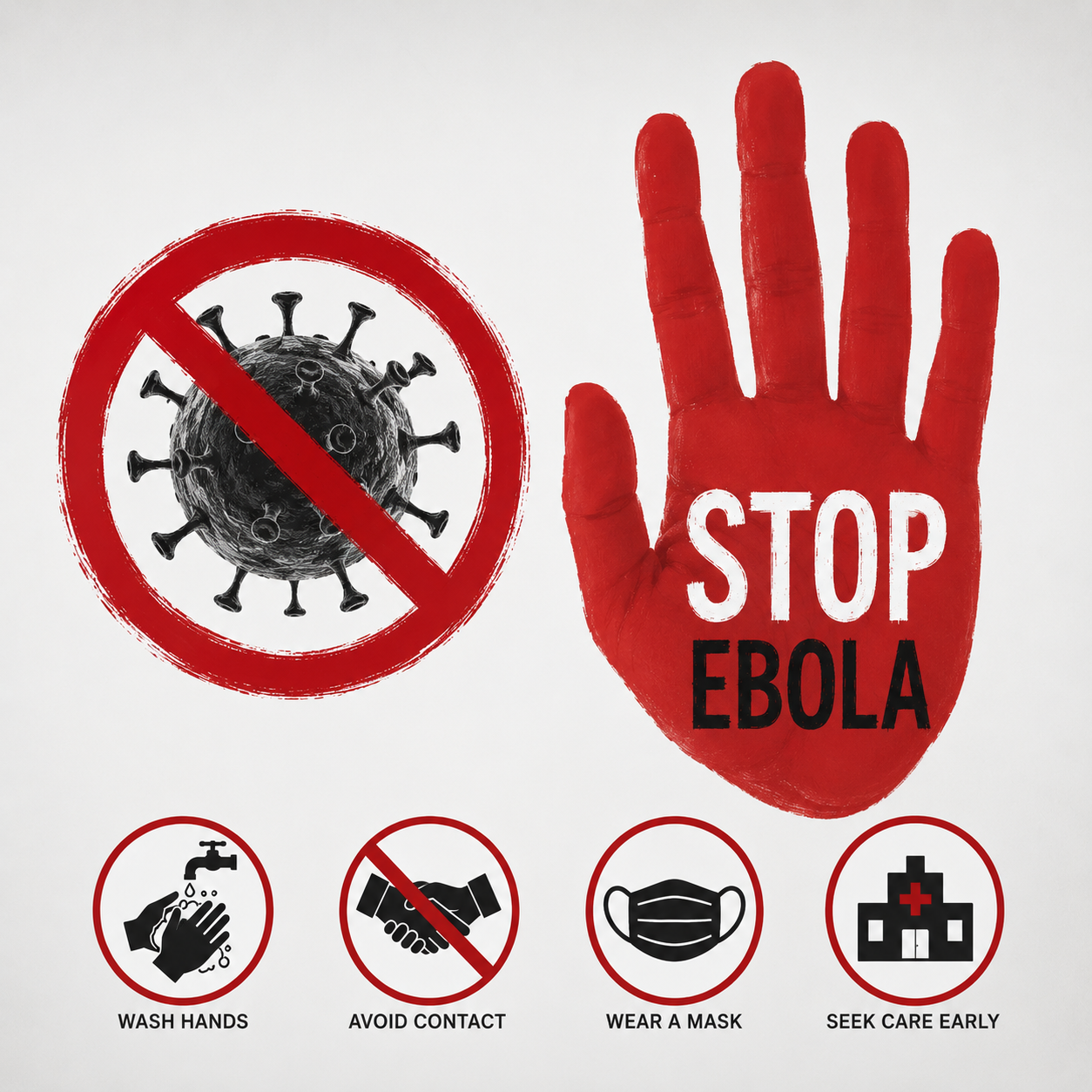
● Practice Strict Hand Hygiene
Frequent and thorough handwashing is one of the most effective ways to protect yourself
against viral pathogens. Wash your hands regularly with soap and water for at least 20 seconds,
or use an alcohol-based hand sanitizer containing at least 60% alcohol when soap is
unavailable.
● Avoid Direct Contact with Bodily Fluids
Do not touch the blood, sweat, saliva, vomit, feces, urine, or semen of anyone showing signs of
illness. Avoid handling items that may have come into contact with an infected person's fluids,
such as clothing, bedding, or personal care objects.
● Make Informed Travel Choices
Consult official government travel advisories before booking international trips. If visiting a
country with active Ebola transmission, avoid healthcare facilities treating Ebola patients unless
you require urgent medical care yourself.
● Understand Food Safety and Wildlife Risks
Avoid handling, preparing, or consuming raw or undercooked meat from wild animals (such as
fruit bats, monkeys, or apes) if you are traveling in or near affected regions. Ensure all animal
products are thoroughly cooked before consumption.
● Emergency Protocol for Potential Exposure
If you have returned from an area with an active Ebola outbreak within the last 21 days, take your temperature twice a day. If you develop a sudden fever, severe headache, muscle pain,
vomiting, or diarrhea, do not walk directly into a clinic or emergency room. Isolate yourself
immediately and call emergency services or your local public health authority, explicitly stating
your travel history so medical staff can prepare proper protective gear.
5. Global Vigilance: Stay Aware and Stay Safe
Whether you are navigating the structured quarantine systems in Canada or monitoring transit arrivals through Sri Lanka's international gateways, defeating an outbreak requires collective vigilance. For Canadians, maintaining adherence to federal health guidelines and border protocols ensures that domestic safety remains secure. For Sri Lankans, exercising strict biosecurity and recognizing early symptoms protects vital tourism and local infrastructure. By staying informed about global advisories, respecting health directives, and prioritizing rigorous everyday hygiene, citizens of both nations can confidently protect their communities. Stay educated, monitor trusted public health updates, be aware, and stay safe.