2026/05/29

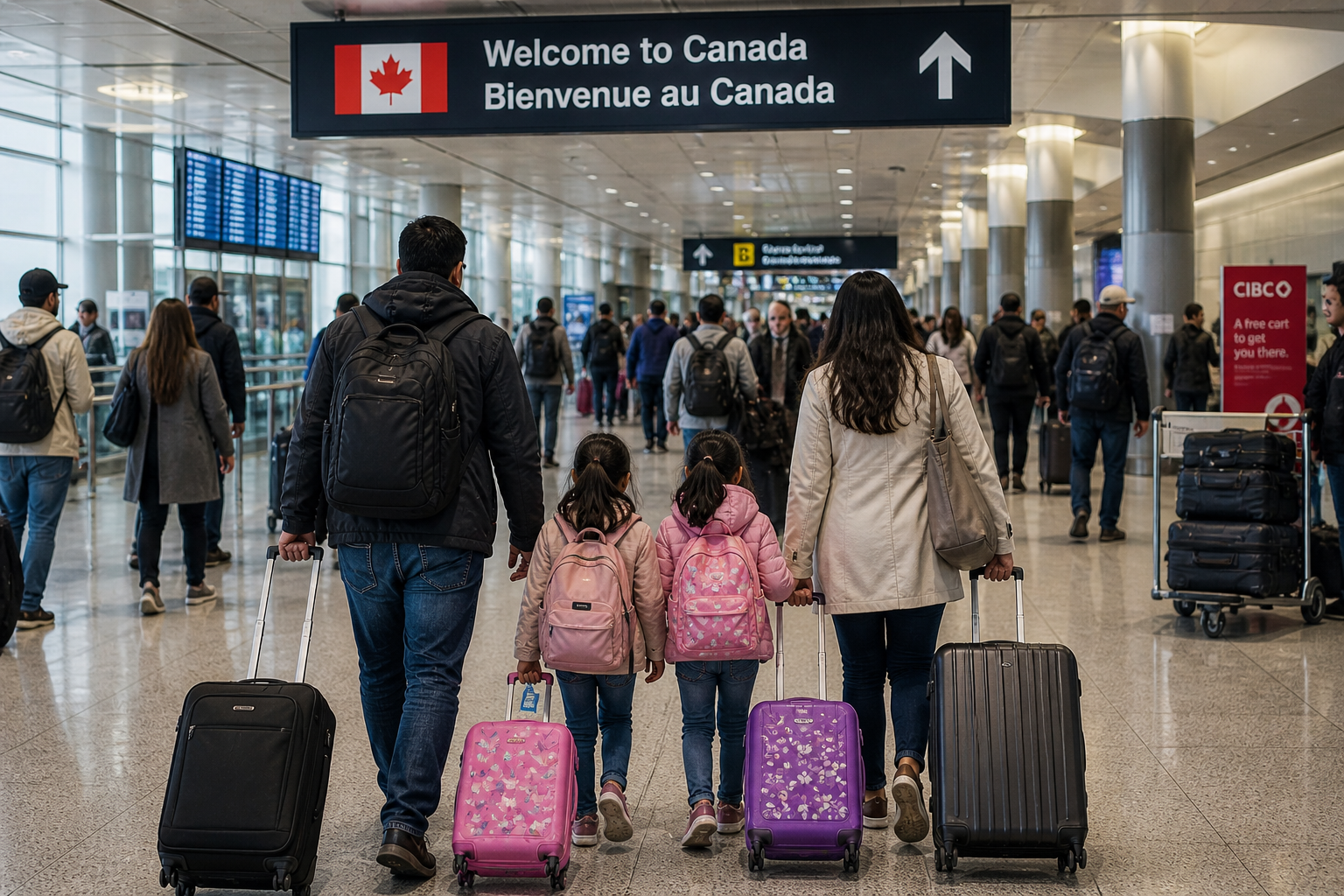
Welcome to Canada- Part 6

💵 Your First Canadian Dollars

One of the small but important adjustments for newcomers is learning how money works in Canada. During your first few days, you may find yourself looking closely at coins, checking prices twice, or mentally converting everything back into your home country's currency.

That is completely normal.

Almost everyone goes through this stage. A cup of coffee, a bus ticket, or a grocery bill may seem expensive or cheap depending on what you are used to. It takes time for your mind to stop comparing and start understanding the real value of money in your new country.

🪙 Getting Familiar with Canadian Currency

Canada uses the Canadian Dollar, often called the "dollar" or simply "bucks" in everyday conversation.

Newcomers are often surprised by the coins because Canada uses several coins regularly in daily life. You will quickly become familiar with the nickel, dime, quarter, loonie, and toonie. At first, they may all seem similar, but after a few shopping trips you will recognize them without thinking.

Many people carry very little cash these days, but understanding Canadian coins and bills is still useful, especially during your first few weeks.

🛒 Understanding Prices

One thing that surprises many newcomers is that the price you see on a shelf is not always the final price you pay.

In Canada, taxes are often added at the cash register. You may see an item priced at ten dollars, but the final amount could be slightly higher after taxes are included.

This confuses many newcomers at first because in some countries the displayed price already includes tax.

Do not worry. After a few shopping trips, it becomes second nature.

💳 Paying Without Cash

Canada is a very card-friendly country. Many people go days or even weeks without using cash.

Most purchases are made using:

Debit cards
Credit cards
Mobile payment apps

You will notice people tapping their cards or phones to make purchases in grocery stores, coffee shops, restaurants, and even small local businesses.

For many newcomers, this level of electronic payment feels new at first. Very quickly, however, it becomes part of daily life.

📱 Digital Payments

As you settle into Canada, you will discover that many financial transactions happen online.

People pay bills through banking apps, send money electronically, and receive payments directly into their accounts. Even splitting a restaurant bill with friends often happens through an electronic transfer instead of exchanging cash.

Because of this, having a bank account and online banking access becomes important very early in your settlement journey.

💰 Learning to Budget Differently

One of the biggest adjustments for many newcomers is understanding the cost of living.

Housing, transportation, groceries, childcare, and utilities may be very different from what you experienced before. During the first few months, it helps to pay attention to where your money goes.

Most newcomers need some time before they fully understand what things should cost in Canada. That learning process is normal and happens gradually.

The goal is not to be perfect. The goal is simply to become comfortable managing your finances in a new environment.

🏦 Understanding Credit and Debit

Another thing newcomers often learn quickly is the difference between debit cards and credit cards.

A debit card uses money directly from your bank account. A credit card allows you to borrow money temporarily and pay it back later.

Many newcomers are initially cautious about credit cards, which is understandable. However, in Canada, responsible use of a credit card helps build your credit history, which can be important later for renting homes, obtaining loans, or accessing certain financial services.

Like many things in Canada, it is something you learn step by step.

🌎 Sending and Receiving Money

Many newcomers continue supporting family members back home or receive financial help while they settle.

Today, moving money internationally is easier than ever. Banks and money transfer services offer different options, each with different fees and exchange rates.

Over time, you will learn which options work best for your family's situation.

🌱 Reflection: More Than Just Money

Learning a new currency is about more than recognizing coins and bills.

It is part of learning how life works in a new country.

At first, every purchase requires a little extra thought. You compare prices, calculate exchange rates, and wonder if you are making the right decisions.

Then something interesting happens.

One day, without realizing it, you stop converting everything back into your old currency. You understand what groceries should cost. You know how much gas costs. You recognize whether something is expensive or affordable.

That is the moment when Canadian money stops feeling foreign.

It is a small sign that you are no longer just visiting.

You are beginning to feel at home.

I Only Drink on Weekends

A casual conversation beside Bow river recently offered a reminder that addiction does not always look the way many people expect.

"I only drink on weekends," a man said with a smile, describing what he believed was a controlled and responsible relationship with alcohol. He explained that he worked hard throughout the week, avoided drinking from Monday to Friday, and reserved alcohol for weekends.

At first glance, there appeared to be little cause for concern. He maintained steady employment, appeared healthy, and fulfilled his daily responsibilities. Like many people, he viewed weekend drinking as a reward after a demanding work week.

However, as the conversation continued, a more complex picture emerged.

Friday nights often stretched into the early hours of the morning. Saturdays were frequently centered around drinking, while Sundays were spent recovering from the effects. By Monday, he admitted feeling exhausted and physically drained, yet reassured himself that everything remained under control because he did not drink during the work week.

"I'm not like those people," he said. "I have control."

His words reflect a common belief that addiction is defined primarily by frequency. Many people assume that dependency only affects individuals who consume alcohol or substances every day. Health professionals, however, warn that the reality is often more complicated.

Addiction can develop in patterns that appear controlled on the surface. Weekend drinking, occasional substance use, or alcohol consumption limited to social situations may not immediately raise concerns. Yet experts emphasize that the more important question is not how often a person drinks, but how much influence alcohol has over their thoughts, emotions, and daily life.

Warning signs may include spending significant time anticipating the next opportunity to drink, struggling to stop once drinking begins, relying on alcohol to relax or manage stress, or feeling uncomfortable when alcohol is unavailable.

In many cases, dependency develops gradually. What begins as an occasional habit can slowly become a primary coping mechanism. Because this progression often occurs over months or years, individuals may fail to recognize the changes taking place.

Mental health professionals encourage people to examine their relationship with alcohol honestly rather than focusing solely on labels. One simple exercise is to intentionally skip a planned drinking occasion and observe the emotional response. If avoiding alcohol feels significantly more difficult than expected, it may provide valuable insight into the role alcohol plays in a person's life.

Experts also advise family members and friends to approach concerns with empathy rather than judgment. Open conversations are generally more effective than criticism or confrontation. A simple expression of concern can sometimes encourage reflection and help individuals seek support before problems become more severe.

The story of one weekend drinker serves as a reminder that addiction does not always announce itself through dramatic changes or obvious signs. Sometimes it develops quietly, hidden behind routines that appear normal, until the habit occupies a larger place in a person's life than they ever intended.

Sri Lanka's Unsung Heroes- Part 2

Before discussing solutions, we must first understand the scale of the challenge facing Sri Lanka's nursing profession. The numbers tell an important story, but they only reveal part of the reality.

According to the Ministry of Health's 2023 Annual Health Bulletin, approximately 53,000 Registered Nurses serve a population of more than 22 million people across Sri Lanka. On paper, that translates to roughly two nurses for every 1,000 citizens. Statistics, however, rarely capture the human consequences behind them. Every number represents a nurse balancing competing demands, responding to urgent patient needs, and trying to provide safe care despite significant workload pressures.

Inside many government hospitals, staffing shortages become visible in ways that are difficult for the public to imagine. A single nurse may be responsible for ten, fifteen, or even more patients during a shift. In some overcrowded wards, the ratio can be considerably higher. During my own years in government service, I witnessed situations that would be difficult to believe for those who have never worked in a busy public hospital. In 2001, while working in a cancer unit at a major teaching hospital, five or six nurses were routinely responsible for caring for ninety to one hundred patients during a shift. This was not an emergency situation. It was part of everyday hospital life.

Cancer nursing itself is among the most demanding areas of healthcare. Nurses administer complex medications, including cytotoxic treatments that require careful preparation and close monitoring. They provide emotional support to patients facing life-changing diagnoses, assist physicians during procedures, educate families, maintain detailed clinical records, coordinate care plans, and manage medication supplies. Each responsibility requires time, concentration, and professional judgment. Expecting a handful of nurses to safely deliver this level of care to nearly one hundred patients places extraordinary demands on both the individuals and the system in which they work.

One particular night remains vivid in my memory even after all these years. Due to an unusual staffing situation, only my wife and I were available to care for approximately ninety patients throughout an entire night shift. The physical exhaustion was immense, but the emotional responsibility weighed even more heavily. Every patient required attention, reassurance, medication, monitoring, or assistance. Walking away was never an option because patients cannot simply be left alone when they need care.

Stories like this are not shared to seek sympathy or recognition. They illustrate a broader reality experienced by many nurses across the country. Behind every hospital ward are healthcare professionals doing their best to meet expectations that often exceed available resources. While individual dedication frequently fills the gaps, dedication alone cannot solve structural workforce challenges.

Many members of the public never see this side of nursing. Their interactions with nurses may last only a few minutes during a hospital visit. Others form impressions through television dramas or social media discussions that rarely capture the complexity of daily nursing practice. As a result, the true extent of the workload often remains invisible. Yet public understanding matters. When people recognize the realities nurses face, meaningful conversations about staffing, workplace conditions, and healthcare policy become possible.

The future of Sri Lanka's healthcare system depends not only on hospitals and equipment, but also on the people who provide care every day. Understanding their reality is the first step toward meaningful change. In the next article, we will look more closely at the many responsibilities nurses carry, both inside and outside the patient room, that often go unnoticed by the public.

When Dental Costs Really Bite

My daughter recently had her wisdom teeth removed during a study break. The procedure was not an emergency, and she was not experiencing any pain. Her dentist simply recommended removing the teeth before they created future problems, a decision that seemed both sensible and preventative. The procedure went smoothly, the clinic was well organized, and the surgeon provided excellent care throughout. Everything about the experience was reassuring until we received the bill: approximately $4,500 CAD.

While the cost was not entirely surprising, seeing such a large amount attached to a routine preventative procedure prompted me to reflect on a question many immigrants ask after settling in Canada. Why is dental care so expensive here compared to countries such as Sri Lanka? In recent months, social media discussions among Sri Lankans living abroad have been filled with stories of costly dental treatments, delayed appointments, and even plans to travel home for dental work. At the same time, similar treatment in Sri Lanka's government healthcare system would likely have cost the patient nothing directly.

The answer lies largely in how each country chose to organize and fund dental care. In Canada, dental services have traditionally existed outside the publicly funded healthcare system. Most people depend on private insurance through their employers or pay directly from their own income. Even those with insurance often face deductibles, co-payments, and annual coverage limits. Although the federal government has begun expanding access through the Canadian Dental Care Plan, many Canadians still face significant out-of-pocket expenses.

Sri Lanka took a different approach. Dental services are integrated into the country's public healthcare system, allowing patients to receive treatment through government clinics without direct charges at the point of care. The costs are not eliminated, but instead distributed through public funding and taxation. School-based dental programs also help identify problems early, reducing the need for more expensive interventions later.

Another major factor is the cost of professional education. In Canada, many dentists graduate with educational debt that can exceed $200,000. Dental hygienists and assistants also invest heavily in their training. These costs inevitably become part of the overall economics of operating a dental practice. In Sri Lanka, where dental education at government universities is heavily subsidized, graduates typically begin their careers with far less financial burden.

Operating a dental clinic in Canada also involves substantial expenses beyond patient care. Rent, staff salaries, equipment, infection-control requirements, insurance, regulatory compliance, and environmental disposal standards all contribute to the final cost of treatment. These expenses are ultimately reflected in the fees patients pay. In Sri Lanka's public system, many of these costs are absorbed and managed centrally by government institutions.

Patient expectations further influence costs. Canadians expect modern facilities, advanced diagnostic technology, high-quality materials, and a high level of comfort and convenience. These investments improve care and outcomes but increase operating expenses. Sri Lanka's public system focuses primarily on accessibility, prevention, and essential treatment, while more advanced options remain available through private care.

The debate surrounding dental care in Canada continues to evolve. Expanding public coverage would reduce direct costs for families, but the financial burden would still exist through increased public spending and taxation. Sri Lanka and Canada have simply chosen different ways to distribute that cost among society.

Today, my daughter is recovering well, and for that I am grateful. Yet the $4,500 bill remains a reminder that healthcare costs are about much more than a single procedure. They reflect decades of policy decisions, educational systems, workforce planning, public expectations, and societal choices about who should ultimately pay for care. Canada and Sri Lanka have arrived at different answers to that question, each with its own strengths and challenges. Sometimes it takes a single invoice to remind us just how important those choices really are.

2026/05/27

When Pain Doesn't Go Away- Part 2

For many years, healthcare focused mainly on one question: "Where is the injury?" If a broken bone was repaired or an infection was treated, the pain was expected to disappear. This approach works well for many short-term injuries and illnesses.

However, Fibromyalgia is different.

Many people living with Fibromyalgia have severe pain, fatigue, and other symptoms even though medical tests may not show damaged muscles, joints, or bones. This can leave people feeling frustrated as they move from one test to another, hoping to find a simple explanation.

Today, healthcare professionals understand that Fibromyalgia cannot be explained by looking only at the body. Instead, they use what is called the biopsychosocial approach, which looks at the whole person rather than just the pain.

Your Body Plays an Important Role

The first part is the biological aspect. Research shows that Fibromyalgia changes the way the brain and nervous system process pain. The body's pain alarm system becomes overactive, making normal sensations feel much more painful.

Many people with Fibromyalgia also experience other health conditions, such as headaches, irritable bowel syndrome (IBS), jaw pain, poor sleep, anxiety, or depression. These conditions often occur together because they share similar changes in the nervous system.

Your Mind Influences How You Experience Pain

The second part is the psychological aspect.

Living with pain every day naturally affects emotions and thoughts. It is common to feel worried, frustrated, or discouraged, especially during painful flare-ups.

Sometimes people begin to think, "I'll never get better," or "Every movement is making me worse." These thoughts are completely understandable, but they can increase stress and make the nervous system even more sensitive.

The good news is that these thinking patterns can be changed. Learning positive coping skills, relaxation techniques, and practical ways to manage stress can reduce suffering and help people regain confidence in their daily lives.

Your Environment Matters Too

The third part is the social aspect.

The people around us and the way we live can have a big impact on how well we manage chronic pain.

Having supportive family members, understanding friends, flexible employers, and access to healthcare can make living with Fibromyalgia much easier.

On the other hand, feeling isolated, misunderstood, or under constant financial or work-related stress can make symptoms more difficult to manage.

This doesn't mean that stress causes Fibromyalgia. Rather, it shows that our surroundings can either help us cope better or make living with chronic pain more challenging.

Treating the Whole Person

The biopsychosocial approach does not mean that Fibromyalgia is "all in your head." The pain is real.

Instead, it recognizes that chronic pain is influenced by many factors working together. Because of this, the most successful treatment plans usually combine several approaches rather than relying on medication alone.

A person's healthcare team may include a family physician or rheumatologist to manage medical care, a physiotherapist to help improve movement and strength, an occupational therapist to support daily activities and energy conservation, a psychologist or counsellor to teach coping strategies, and other healthcare professionals who work together to improve quality of life.

When we focus on the whole person instead of only the pain, we create more opportunities for healing, independence, and living well despite Fibromyalgia.

2026/05/22

Welcome to Canada- Part 5

🏦 Why It Matters

After arriving in Canada, opening a bank account is usually one of the first important things many newcomers do. During the first few days, you may still use cash, international cards, or money you brought from home. But very quickly, daily life starts moving through the banking system. Employers usually pay salaries directly into bank accounts, bills are often paid online, and many services expect electronic payments. Opening a local bank account is not only about managing money. It is one of the first steps toward building your new life in Canada.

📄 Opening an Account

Many newcomers worry that they cannot open a bank account because they do not yet have a job, Canadian credit history, or permanent housing. The good news is that many Canadian banks have newcomer programs designed exactly for people who are just arriving.

Usually, you need your passport and immigration documents to get started. Some banks may also ask for a local address if available. The process is often easier than many people expect, and some newcomers open their first account within days of arriving.

💳 Understanding Account Types

One thing that may feel confusing at first is seeing different types of accounts. The most common are chequing accounts and savings accounts.

A chequing account is usually your everyday account. This is where salary deposits go, bills are paid from, and daily spending happens. A savings account is more for keeping money aside and building savings over time.

Most newcomers begin with a chequing account because it supports daily life right away.

💰 Understanding Fees

Canada can feel different from some countries because bank accounts sometimes include monthly fees. Depending on the account, there may be charges for monthly maintenance, extra transactions, or using certain ATMs.

Many banks offer newcomer packages with lower fees or temporary benefits, so it is worth asking questions before opening an account. You do not need to choose the first option you see. Take some time, compare, and ask staff to explain the details clearly.

📱 Digital Banking Life

Canada uses online and mobile banking heavily. Many people rarely visit bank branches after opening their account.

Most daily tasks happen through banking apps, including checking balances, paying bills, sending money, and receiving salary payments. Many newcomers are surprised how little cash people use. Debit cards, credit cards, and digital payments are common in everyday life.

Downloading your banking app often becomes one of the first routines after opening an account.

💳 Building Credit Slowly

Some banks may also offer a credit card when opening your account. This can feel confusing because in some countries credit cards are mainly seen as borrowing money.

In Canada, credit history is important. It can affect future applications for rentals, loans, and other services. Using a credit card carefully and paying it on time helps build that history.

There is no need to rush or feel pressure. Like everything else in a new country, learning slowly is completely okay.

🌎 Supporting Family Back Home

Many newcomers continue helping family members in their home countries. Because of this, sending money internationally becomes part of life for some families.

Banks offer international transfers, but many people also compare other transfer services depending on fees and exchange rates. Even small differences can matter over time, so it is helpful to compare options before sending money.

🌱 Reflection: More Than a Bank Card

Opening a bank account may look like a small task.

You enter a branch, show documents, sign papers, and receive a card.

But for many newcomers, it quietly means something bigger.

It is one of the first moments when life begins to feel real. You are no longer only arriving. You are starting to build routines, responsibilities, and a future.

Looking back later, many people realize these small steps were actually the beginning of everything.

Sri Lanka's Unsung Heroes- Part 1

For many Sri Lankan nurses, the workday does not end when a shift is over. The emotional weight of caring for patients, supporting families, and making difficult decisions often stays with them long after they leave the hospital.

This article is the first in a 25-part series exploring the realities, challenges, achievements, and future of the nursing profession in Sri Lanka. Drawing on personal experience, research, and observations from different healthcare systems, the series aims to create meaningful discussion about the role of nurses and the changes needed to strengthen the profession.

My wife and I spent fourteen years working as Registered Nurses in Sri Lanka's public healthcare system, serving in busy hospital wards where resources were often limited and workloads were heavy. Like thousands of government nurses across the country, we worked long shifts, cared for large numbers of patients, and faced challenges that tested both our skills and resilience.

Today, after many years of working in healthcare systems overseas, we still look back on our time in Sri Lanka with pride. Despite the difficulties, nursing was more than a profession. It was a service to people during some of the most vulnerable moments of their lives.

In recent years, discussions about nursing in Sri Lanka have increasingly focused on dissatisfaction, workforce shortages, migration, and difficult working conditions. Many of these concerns are valid. Nurses face significant pressures related to staffing levels, workload, career progression, and financial compensation. At the same time, social media has amplified frustration among healthcare workers, often highlighting problems without discussing potential solutions.

This series is not intended to criticize nurses, healthcare leaders, or the healthcare system. Rather, it seeks to encourage constructive conversation about the realities facing Registered Nurses in Sri Lanka's government healthcare service. Having worked in healthcare systems across three countries, I recognize that Sri Lanka faces genuine challenges. However, I also believe these challenges can be addressed through thoughtful reforms, stronger support systems, and long-term investment in the nursing profession.

It is important to acknowledge that my wife and I eventually migrated overseas. Our decision was driven primarily by the desire to provide broader opportunities for our children. It was not a rejection of Sri Lankan nursing or the public healthcare system. We remain deeply grateful for the experiences we gained and the communities we served. In fact, we hope that one day, after retirement, we will return to Sri Lanka and contribute to healthcare services as volunteers.

Sri Lanka's government nurses remain the backbone of the country's healthcare system. They work in large urban hospitals, district facilities, and rural clinics, often under demanding conditions. Their contribution is essential to maintaining the country's reputation for providing accessible healthcare to millions of citizens.

In this first article, we begin by examining the overall working conditions faced by government nurses. Future articles in this series will explore staffing shortages, nurse migration, workplace safety, education, leadership, mental health, career development, public perception, policy reform, and other issues that shape the future of nursing in Sri Lanka.

2026/05/20

When Pain Doesn't Go Away- Part 1

A Personal Introduction

Welcome to this new article series on Fibromyalgia and Chronic Pain Management.

In this series, I will be sharing information about a chronic pain condition called Fibromyalgia. My interest in this topic comes from several perspectives: my professional experience working with people living with chronic health conditions, and my personal experience as a family member of someone living with Fibromyalgia.

Over the years, I have seen how chronic pain affects not only the person experiencing it but also their family members, relationships, daily routines, and overall quality of life. I have also seen how confusing and frustrating it can be to find reliable information among the many myths and misconceptions surrounding chronic pain.

The purpose of this article series is to share up-to-date scientific and medical knowledge in a way that is easy to understand, while also providing practical strategies that can be used in everyday life. We will explore topics such as understanding pain, managing symptoms, coping with flare-ups, improving sleep, staying active, reducing stress, and building resilience.

If you are living with Fibromyalgia, another chronic pain condition, or caring for someone who is, I hope this series provides useful information, practical skills, and encouragement. Chronic pain may be part of your life, but it does not have to define your future.

The Condition That Many People Still Misunderstand

Fibromyalgia is one of the most misunderstood conditions in modern healthcare.

For many years, people living with Fibromyalgia were told that their symptoms were caused by stress, anxiety, or that the pain was "all in their head." Unfortunately, these misconceptions left many individuals feeling dismissed, frustrated, and isolated.

Today, science tells a different story.

Researchers have discovered that Fibromyalgia involves real changes in the nervous system. The brain and spinal cord become more sensitive to pain signals, a process often referred to as central sensitization. As a result, sensations that might cause only mild discomfort in others can feel significantly more painful for someone living with Fibromyalgia.

This means the pain is real. The fatigue is real. The challenges are real.

Understanding this is the first step toward better management and improved quality of life.

Why There Is No Simple Cure

Many people diagnosed with Fibromyalgia immediately ask:

"What medication will make this go away?"

The reality is that Fibromyalgia is a complex condition. There is currently no single treatment that completely eliminates symptoms for everyone.

However, this does not mean there is no hope.

Research consistently shows that people can significantly improve their function, energy levels, confidence, and quality of life through a combination of approaches that address both the body and the nervous system.

The goal is not simply to eliminate pain.

The goal is to help the nervous system become less sensitive, improve daily function, and enable people to live meaningful lives despite ongoing symptoms.

Understanding the Chronic Pain Cycle

One of the most important concepts in chronic pain management is the Pain Cycle.

For many people, it begins with pain.

Pain makes movement difficult and unpleasant. Because movement hurts, people naturally reduce their activity levels. As activity decreases, muscles become weaker, stamina declines, and everyday tasks become more challenging.

Over time, frustration, worry, fear, and discouragement begin to appear. These emotions often lead to even more avoidance of activity.

The cycle looks something like this:

Pain → Less Activity → Physical Deconditioning → Negative Thoughts and Emotions → Avoidance → Increased Pain

Without realizing it, many people become trapped in this cycle.

Activities they once enjoyed, such as gardening, shopping, exercising, travelling, or playing with grandchildren, slowly disappear from their lives.

Their world becomes smaller and smaller.

The Good News: The Cycle Can Be Broken

The encouraging news is that the pain cycle is not permanent.

Many people believe they must wait for their pain to disappear before they can start exercising, socializing, or returning to activities they enjoy.

Research shows the opposite is often true.

Waiting for pain to completely disappear can keep people stuck.

Improvement usually begins when people gradually reintroduce healthy habits despite ongoing symptoms. Small changes made consistently over time can help calm the nervous system and restore confidence.

The cycle can be interrupted at any stage.

Improving sleep, increasing physical activity, managing stress, building coping skills, and changing unhelpful thought patterns can all help move recovery in a positive direction.

Why "Good Days" Can Sometimes Cause More Problems

Many people with Fibromyalgia experience what healthcare professionals call the Boom and Bust Cycle.

After several difficult days, a person finally has a good day with less pain and more energy. Feeling relieved, they attempt to catch up on everything they have been unable to do.

The house gets cleaned. The garden gets weeded. Errands are completed. Laundry is finished.

Unfortunately, the body often responds with a severe flare-up that can last several days.

Then the cycle repeats.

This pattern can be frustrating and discouraging.

Learning the Skill of Pacing

One of the most effective strategies for managing Fibromyalgia is called Pacing.

Pacing means balancing activity and rest throughout the day rather than doing too much or too little.

Instead of waiting until exhaustion sets in, planned breaks are built into activities. Tasks are spread throughout the day or week.

The goal is consistency.

A person who walks for ten minutes every day is often making more progress than someone who walks for an hour once a week and then spends three days recovering.

Small, steady steps are usually more effective than occasional bursts of activity.

Movement Is One of the Best Medicines

At first, the idea of exercise may seem overwhelming.

When your body already hurts, exercising can feel like the last thing you want to do.

Yet decades of research consistently show that appropriately prescribed physical activity is one of the most effective treatments for Fibromyalgia.

The key is starting slowly.

Gentle activities such as walking, stretching, swimming, water exercise, yoga, and tai chi can improve strength, endurance, sleep quality, mood, and overall function.

The goal is not to push through severe pain.

The goal is to gradually teach the nervous system that movement is safe.

The Powerful Connection Between Thoughts and Pain

Pain affects more than the body. It also affects thoughts, emotions, and behaviour.

After months or years of chronic pain, many people begin to think:

"Nothing will help."

"I can't do the things I used to do."

"Any activity will make my pain worse."

These thoughts are understandable, but they can increase stress and amplify the body's pain response.

Research has shown that Cognitive Behavioral Therapy (CBT) can help people identify unhelpful thinking patterns and develop healthier coping strategies.

This does not mean the pain is psychological.

It means that the brain and body are connected, and both influence how pain is experienced.

Measuring Success Differently

One of the biggest mindset shifts in Fibromyalgia management is learning to focus on function rather than perfection.

Success is not always measured by a lower pain score.

Success may mean:

  • Sleeping through the night more often.
  • Walking farther than last month.
  • Spending more time with family.
  • Returning to a favourite hobby.
  • Feeling more confident during flare-ups.
  • Participating more fully in everyday life.

These improvements may seem small, but together they can transform quality of life.

Looking Ahead

Fibromyalgia can be challenging, unpredictable, and exhausting. Yet modern research provides a message of hope.

While there may not be a simple cure, there are many evidence-based strategies that can help people regain control, improve function, and build a meaningful life despite chronic pain.

In the next article, we will explore what happens inside the nervous system in Fibromyalgia, why pain signals become amplified, and what current science tells us about calming an overactive pain system.

Final Thought

Fibromyalgia may be part of your story, but it does not have to be the whole story.

Knowledge, practical skills, and small daily actions can make a remarkable difference over time. Every step forward matters, no matter how small it may seem.

2026/05/15

Welcome to Canada- Part 4

📱 Why a Local Number Matters

One of the first things many newcomers realize after arriving in Canada is how important a phone and internet connection really are. Without them, even small daily tasks can become difficult. You need internet to check maps, contact family, search for housing, apply for jobs, and even use public transportation apps. In modern Canada, staying connected becomes part of everyday life very quickly.

Many people arrive with their home country phone number still working on roaming. That may help for a few days, but it usually becomes expensive. Getting a Canadian SIM card and local number makes life easier almost immediately. Employers, landlords, banks, and many services prefer using a local phone number. Even emotionally, having your own Canadian number gives a small feeling that life here is starting to become real.

🛬 Buying a SIM Card

At most major airports in Canada, you will see mobile phone kiosks and stores. Some newcomers buy a SIM card right at the airport because it is convenient. Staff can help activate the phone, explain plans, and make sure everything works before you leave the airport. Airport plans can sometimes cost a little more, but after a long flight many people prefer convenience over saving a few dollars.

One thing that surprises many newcomers is the cost of phone plans in Canada. Compared to many countries, mobile services here can feel expensive. The price usually depends on how much data you need and whether the plan includes things like international calling.

💳 Prepaid or Monthly Plans

In the beginning, many newcomers choose prepaid plans because they are simpler. You pay month by month without signing a long contract, and most prepaid plans do not require Canadian credit history.

Later, once life becomes more stable, some people switch to monthly contract plans. Those plans sometimes offer better prices or more data, but companies may ask for identification, banking information, or a credit check. If you are new to Canada and do not yet have credit history, do not worry too much. Your first phone plan does not need to be perfect. It only needs to work for now.

🌎 Staying Connected With Home

For many immigrants, staying connected with family back home is one of the most important things emotionally. Today, most people use apps like WhatsApp, Messenger, FaceTime, or Zoom instead of expensive international calling plans. Because of this, having good internet often matters more than having international minutes.

A simple video call can reduce loneliness more than people realize during the early days in a new country.

🏠 Setting Up Home Internet

Once you move into a more permanent home, you will probably need home internet as well. Canada has many internet providers, and choosing between them can feel confusing at first. Speeds, prices, contracts, and hidden fees sometimes make things complicated.

In the beginning, you usually do not need the fastest package available. A basic reliable connection is often enough for daily life, especially while settling down financially.

It is also important to read carefully before signing up for services. Some plans may advertise low prices but include extra fees for activation, equipment rental, or cancellation. Asking simple questions before agreeing to a plan can prevent stress later.

💻 Daily Life in Canada

Over time, you will notice how much Canadian daily life depends on technology. People use phones and internet for banking, healthcare appointments, grocery shopping, school communication, transportation, and government services. What first feels like just getting a SIM card slowly becomes part of building a life here.

The good news is that you do not need to figure everything out immediately. Most newcomers start simple, learn slowly, and adjust over time. That is completely normal.

🌱 Reflection: Staying Close Across Distance

Moving to a new country creates distance, not only physically, but emotionally too. Suddenly the people, streets, language, and routines that once felt normal are far away.

Sometimes, during those first weeks, a small message from home or a short video call becomes the most comforting part of the day.

Technology cannot remove homesickness, but it can soften it. A phone connection may seem like a small practical thing, yet for many newcomers it quietly becomes a bridge between two lives, the one left behind and the one slowly beginning in Canada.

2026/05/12

The Real Victim

Our little Daisy had an accident.

One afternoon, while doing what cats do best, climbing, jumping, and acting as if gravity is merely a suggestion, she launched herself from the top of her cat tree. Usually, Daisy landed with elegance and confidence. This time, however, something went wrong.

She landed awkwardly and ended up spraining her leg.

Thankfully, the injury was not serious, but it was enough to earn her a visit to her favorite place in the world, the veterinary clinic.

Most cats would strongly disagree with calling the vet a favorite place, but Daisy is a special character. She enjoys the attention, the compliments, and all the people telling her how beautiful she is. After a careful examination, the veterinarian confirmed that her leg would heal with rest and prescribed medication to help her recover.

There was just one problem.

The medication was bitter.

Very bitter.

To make it easier for Daisy, we mixed it with sweet milk and gave it to her three times a day.

Almost overnight, Daisy became the center of family life.

Every morning, someone checked her leg.

Every afternoon, someone asked how she was doing.

Every evening, one of us carefully prepared her medication.

We watched her walk.

We carried her when she probably did not need carrying.

The whole family discussed her recovery as if she were an important celebrity recovering from surgery.

At first, Daisy seemed perfectly happy with the arrangement.

Then another member of the household began paying very close attention to what was happening.

Rosie.

Rosie is the undisputed boss of our family. She may not officially own the house, pay the mortgage, or buy the cat food, but everyone knows who is really in charge.

As the days passed, Rosie watched Daisy receiving special treatment.

Daisy got extra cuddles.

Daisy got sweet milk.

Daisy got family members checking on her every few hours.

Daisy got sympathy.

Daisy got attention.

Daisy got everything.

Rosie was not impressed.

Soon her attitude began to change.

She became more vocal than usual.

She followed family members from room to room.

Whenever someone sat beside Daisy, Rosie suddenly appeared.

If Daisy received one cuddle, Rosie demanded two.

If Daisy received attention, Rosie wanted more.

If Daisy was taking her medicine, Rosie somehow found a way to insert herself into the situation.

Very loudly.

The level of drama increased daily.

Rosie rubbed against our legs more often.

She flopped dramatically onto the floor directly in front of us.

She stared at family members with the expression of someone who had been deeply betrayed.

It was as if she was saying:

"Excuse me. Have you all forgotten who the real star of this family is?"

Meanwhile, Daisy seemed completely unaware of the growing political crisis unfolding around her.

She was busy healing her leg and enjoying her temporary VIP status.

Rosie, on the other hand, appeared to be leading a one-cat campaign for equal attention, additional cuddles, and immediate recognition of her importance.

Fortunately, Daisy's leg gradually improved. The medicine eventually ended. The sweet milk disappeared. Life slowly returned to normal.

Well, mostly normal.

Rosie still seems convinced that she suffered significant emotional hardship while watching Daisy receive all that attention.

And if you ask her, she will probably tell you that she was the real victim in this entire story.

As amusing as Rosie's behavior was, it is actually something animal behaviorists see quite often in multi-cat households. Cats are highly observant creatures. They notice changes in routine, changes in family behavior, and especially changes in how attention is distributed. While cats do not necessarily experience jealousy in the same complex way humans do, they are very aware when another pet suddenly becomes the focus of everyone's concern and affection.

Behavior specialists often describe this as competition for social resources. To a cat, resources are not limited to food, water, and comfortable sleeping spots. Attention from family members is also a valuable resource. When Daisy suddenly started receiving extra cuddles, special treats, sweet milk, and frequent checkups, Rosie noticed immediately. From her perspective, the normal balance of the household had changed, and she wanted to make sure she was not being forgotten.

This type of behavior is usually not a sign of aggression or resentment. In fact, it often reflects how strongly bonded a cat is to its family. Rosie's increased vocalizing, clinginess, and dramatic attempts to attract attention were likely her way of reminding us that she also needed interaction and reassurance. In other words, she was not upset that Daisy was injured. She simply wanted to make sure that Daisy's VIP status did not come at the expense of her own.

So while Daisy recovered from a sprained leg, Rosie spent those same weeks recovering from something she considered equally serious: a temporary shortage of attention. Fortunately, both patients seem to have made a full recovery.

2026/05/08

Welcome to Canada- Part 3

For many newcomers, one of the biggest questions after arriving in Canada is simple:

“Where should we stay now?”

It sounds like a basic question, but it carries a lot of emotions behind it. Safety. Money. Stability. Comfort. Family. Future plans.

When people first arrive, they often feel pressure to find a permanent home immediately. But in reality, rushing into housing decisions can create more stress later. Canada is a large country, and every city, neighborhood, and rental situation feels different once you actually start living there.

That is why many newcomers begin with temporary accommodation before moving into a permanent place.

Understanding the difference can save you money, stress, and disappointment.

🏠 What Is Temporary Accommodation?

Temporary accommodation means a short-term place to stay while you settle into the country and learn your surroundings.

This could be:

A hotel
Airbnb
A friend or relative’s home
A short-term rental
A newcomer housing program

Temporary housing is not meant to be perfect. Its purpose is simple. It gives you time.

Time to:

Understand the city
Explore neighborhoods
Learn transportation routes
Compare rental prices
Avoid rushed decisions

Many newcomers who rush into permanent housing within the first few days later realize:

The area is too expensive
Public transportation is difficult
Schools are far away
The neighborhood does not fit their lifestyle

A few weeks of temporary accommodation can prevent months of stress.

🧳 Why Many Newcomers Start Temporary

When you first arrive, almost everything is unfamiliar.

You may not yet understand:

Canadian rental systems
Lease agreements
Utility costs
Safe and unsafe areas
Commute times during winter

Online photos can also be misleading. Some places look beautiful in pictures but feel very different in reality.

Temporary accommodation gives you a chance to physically visit places before committing.

This matters more than people realize.

💰 The Financial Side

Temporary accommodation often costs more per day. That part is true.

Hotels and short-term rentals can feel expensive, especially in larger Canadian cities. Because of this, some newcomers try to secure a permanent rental before arriving in Canada.

Sometimes it works well.

Sometimes it becomes a difficult experience because they signed a lease without fully understanding:

The area
The building condition
The landlord
The transportation situation

A permanent lease is a serious commitment. In many cases, you may need to stay for one year or follow legal notice periods before leaving.

Spending slightly more money at the beginning for temporary stability can sometimes save much larger costs later.

🏘️ What Is Permanent Accommodation?

Permanent accommodation is the place you plan to live longer term.

This could include:

An apartment
Basement suite
Condo
Townhouse
Detached home

Permanent housing usually involves:

A lease agreement
Monthly rent
Security deposit requirements
Utility arrangements
Internet setup
Tenant responsibilities

This is where your daily Canadian life slowly begins to take shape.

📄 Understanding Canadian Rentals

In Canada, landlords often ask for:

Identification
Proof of income or employment
Credit history
References

For newcomers, this can feel frustrating because many people arrive without Canadian credit history or local job experience.

Do not panic.

Many landlords understand newcomer situations, especially in cities with large immigrant populations. Sometimes offering:

Several months of rent upfront
Bank statements
Employment offer letters

can help build trust.

Always read lease agreements carefully before signing.

🚩 Watch for Rental Scams

Unfortunately, rental scams exist everywhere, including Canada.

Be careful if:

Someone asks for money before showing the property
The rent seems unusually cheap
The landlord avoids video calls or meetings
Photos look too perfect or copied

Never send deposits without proper verification.

If possible:

Visit the property in person
Ask questions
Check reviews or building history online

A little caution can protect you from major problems.

🌍 Choosing the Right Area

Newcomers sometimes choose housing based only on one factor, usually price or staying near people from the same background.

But long-term comfort often depends on balance.

Consider:

Public transportation
Schools
Grocery stores
Safety
Work commute
Community environment

Living near people from your own culture can feel comforting in the beginning. There is nothing wrong with that. Familiar food, language, and support can reduce stress.

But it is also important to slowly connect with the wider community around you. That connection helps Canada feel less like a temporary place and more like home.

👨‍👩‍👧 For Families With Children

Families usually think differently about housing.

Parents often prioritize:

Safe neighborhoods
Good schools
Parks and libraries
Quiet surroundings

Children also adapt faster than adults in many situations. The environment you choose during the first few months can shape how comfortable they feel in their new country.

✔️ A Smart Approach for Most Newcomers

For many people, the safer path looks like this:

Arrive and stay temporarily
Explore the city slowly
Understand transportation and daily life
Visit rental places physically
Then choose permanent housing

This approach reduces pressure and allows clearer decisions.

🌱 Reflection: A Home Takes Time

Many newcomers arrive believing they must immediately “settle down.”

But home is not created by signing a lease.

Home is built slowly.

It grows through routines, conversations, familiar streets, nearby stores, neighbors, schools, and quiet moments that slowly stop feeling foreign.

Your first accommodation in Canada may not become your forever home. That is okay.

Sometimes the first place is simply a bridge between your old life and your new one.

Take your time choosing where you begin this next chapter.

A good home is not only about walls and rent.
It is about where you slowly begin to feel that you belong.

Ebola 2026: The Global Risk & Response

An international public health focus has shifted toward Ebola following a May 2026 declaration
by the World Health Organization (WHO), which designated a new outbreak of the Bundibugyo
Ebola strain in Central Africa (primarily the Democratic Republic of the Congo and Uganda) as a
Public Health Emergency of International Concern. To help make sense of the virus, its
transmission, and how countries like Canada and Sri Lanka are responding through trade,
travel, and immigration policies, this document outlines the current global landscape and
essential public safety protocols.

1. What is Ebola? Symptoms and Transmission

Ebola virus disease is a rare but severe, often fatal illness in humans. It belongs to the category
of viral hemorrhagic fevers, meaning it disrupts the body's blood-clotting systems, causing
internal and external bleeding alongside profound tissue damage.

How It Spreads

● Bodily fluids of an infected person who is actively showing symptoms (including blood,
vomit, feces, saliva, sweat, urine, and semen).

● Contaminated objects like clothing, bedding, or medical equipment soiled with these
fluids.

● Infected animals, such as fruit bats (the natural reservoir) or non-human primates, often
through the handling of wild animal meat ("bushmeat").

*Crucial Fact: An individual infected with Ebola cannot spread the virus during its incubation
period—they only become contagious after symptoms emerge.*

Progression of Symptoms

Symptoms typically appear 2 to 21 days after exposure (8 to 10 days on average) and progress
from mild initial signs to severe, life-threatening clinical complications. In the early stage, which
spans days one to four, patients experience sudden onset of fever, severe headache, muscle
and joint pain, profound weakness, and a sore throat; because these symptoms are non-specific
and mimic "dry" illnesses, they are frequently misdiagnosed as malaria, typhoid, or influenza. As
the illness transitions into the late stage after day five, it manifests as severe nausea, vomiting,
abdominal pain, and explosive "wet" symptoms like diarrhea, leading to rapid, severe
dehydration and critical electrolyte imbalances. In advanced cases, the virus triggers internal
and external bleeding, resulting in visible bruising and bleeding from body orifices such as the
eyes and rectum, which ultimately leads to multi-organ failure, systemic shock, and an average

fatality rate of 40% to 50% depending on the specific strain.(The average case fatality rate for Ebola disease is approximately 50%, though historical data from the World Health Organization (WHO) shows that mortality rates have ranged from 25% to 90% across different outbreaks.)

2. Risk and Policy Responses: Canada

Because of the recent surge in Central African cases, Canada has taken immediate
precautionary measures. The Public Health Agency of Canada (PHAC) assesses the risk to the
general Canadian public as low, but the government has enacted strict policies under the
Quarantine Act to prevent importation.

Immigration and Border Measures

● Immigration Suspension: Canada has temporarily suspended the processing of certain
immigration and travel documents for residents currently living in high-risk zones (DRC,
Uganda, and South Sudan).
● Mandatory 21-Day Quarantine: Canadian citizens, permanent residents, or exempt
individuals who have traveled through an Ebola-affected country within the past 21 days
must undergo a medical assessment upon arrival and present a strict 3-week
self-isolation plan.
● Symptom Isolation: Any traveler displaying symptoms at a Canadian port of entry is
immediately isolated and transferred to a designated hospital for specialized testing.

Trade Related Risks

Canada's direct trade links with Central African nations are relatively modest, mitigating the risk
of economic disruption. Because Ebola cannot be transmitted via non-porous commercial cargo
or manufactured goods, commercial cargo shipments present virtually zero risk of carrying the
virus.

3. Risk and Policy Responses: Sri Lanka

Sri Lanka occupies a different geopolitical and geographic position relative to the outbreak,
meaning its risk profile and regulatory toolkit are unique.

Immigration and Travel Screening

● Indirect Transit Screening: Sri Lanka does not experience high volumes of direct
migration from Central Africa. However, because it serves as a regional maritime and
aviation hub, major points of entry (like Bandaranaike International Airport) have deployed
targeted arrival screenings, health declarations, and temperature checks.

● Health Infrastructure Pressure: Public health experts note that an imported case would
place a heavy burden on local health infrastructure, as specialized infectious disease
containment facilities are highly concentrated primarily around Colombo.

Trade Risks and Agricultural Security

● Low Commercial Cargo Risk: Just as with Canada, static cargo shipments do not pose
an infection vector.

● Strict Biosecurity: Sri Lankan agricultural authorities maintain rigorous controls over
biological products and imports to prevent zoonotic spillover (animal-to-human
transmission) and protect its agricultural and tourism industries.

4. Public Safety Protocols: How to Stay Safe

Public safety relies entirely on awareness, hygiene, and smart travel choices. The following
measures are recommended for individual protection:

● Practice Strict Hand Hygiene

Frequent and thorough handwashing is one of the most effective ways to protect yourself
against viral pathogens. Wash your hands regularly with soap and water for at least 20 seconds,
or use an alcohol-based hand sanitizer containing at least 60% alcohol when soap is
unavailable.

● Avoid Direct Contact with Bodily Fluids

Do not touch the blood, sweat, saliva, vomit, feces, urine, or semen of anyone showing signs of
illness. Avoid handling items that may have come into contact with an infected person's fluids,
such as clothing, bedding, or personal care objects.

● Make Informed Travel Choices

Consult official government travel advisories before booking international trips. If visiting a
country with active Ebola transmission, avoid healthcare facilities treating Ebola patients unless
you require urgent medical care yourself.

● Understand Food Safety and Wildlife Risks

Avoid handling, preparing, or consuming raw or undercooked meat from wild animals (such as
fruit bats, monkeys, or apes) if you are traveling in or near affected regions. Ensure all animal
products are thoroughly cooked before consumption.

● Emergency Protocol for Potential Exposure

If you have returned from an area with an active Ebola outbreak within the last 21 days, take your temperature twice a day. If you develop a sudden fever, severe headache, muscle pain,
vomiting, or diarrhea, do not walk directly into a clinic or emergency room. Isolate yourself
immediately and call emergency services or your local public health authority, explicitly stating
your travel history so medical staff can prepare proper protective gear.

5. Global Vigilance: Stay Aware and Stay Safe

Whether you are navigating the structured quarantine systems in Canada or monitoring transit arrivals through Sri Lanka's international gateways, defeating an outbreak requires collective vigilance. For Canadians, maintaining adherence to federal health guidelines and border protocols ensures that domestic safety remains secure. For Sri Lankans, exercising strict biosecurity and recognizing early symptoms protects vital tourism and local infrastructure. By staying informed about global advisories, respecting health directives, and prioritizing rigorous everyday hygiene, citizens of both nations can confidently protect their communities. Stay educated, monitor trusted public health updates, be aware, and stay safe.

2026/05/05

When the road wakes up

This is not a lecture about seatbelts or speed limits. You already know those matter. This is about the specific hazards that summer brings in Canada — the ones that catch even careful drivers off guard. A photo from a recent collision is what prompted this piece. If even one part helps someone avoid a close call, it was worth writing.

These tips are for anyone currently in Canada, who has lived here, was born here, or is planning to visit. Take what is useful. Add what is missing.

Pedestrians, cyclists, and distracted wanderers

Summer is when foot traffic explodes. People who spent winter commuting by car or transit now want to walk, jog, and cycle. Crosswalks and bike lanes that were quiet in February are busy every hour of the day.

The most important group to watch is what you might call the silent pedestrian , someone wearing noise-cancelling headphones, completely unaware of traffic, stepping off a curb without looking. You cannot honk your way to safety with this person. You have to anticipate them. Make eye contact before moving through a crosswalk whenever you can. If you cannot make eye contact, slow down and be ready to stop.

Cyclists crossing at crosswalks are another common hazard, especially those who ride through instead of walking their bikes. E-bikes, e-scooters, and electric unicycles add to this mix. They are small, quiet, and often faster than they look. Be especially careful when turning right across a bike lane or left across a busy sidewalk — these are the moments when a fast-moving rider can appear from nowhere.

Note for cyclists

If you are cycling through a crosswalk, walk your bike instead of riding it. If anything goes wrong, this one habit gives you much stronger legal standing and is safer for everyone around you.

Weather you do not expect in summer

Summer weather in Canada is not just sunshine. Glare, heavy rain, hail, and sudden wind gusts can all appear within the same afternoon drive.

Glare is underestimated. A low morning sun driving east, or an evening sun driving west, can make the road completely invisible for several seconds. Keep your windshield clean and invest in a good pair of polarized sunglasses. These two things cost almost nothing compared to what they prevent.

Hydroplaning is a hazard most drivers associate with heavy rain, but it can happen in a light drizzle. When a thin film of water , sometimes only two or three millimetres deep , sits on the road surface, your tires can lose contact and the car starts to float. You will feel it as the steering wheel going suddenly light.

"The instinct when hydroplaning is to brake hard. Do not. Ease off the gas, hold the wheel firmly, and let the car track in the direction it is sliding."

Grip returns within a second or two. Once it does, reduce speed gradually and drive with extra care. Sudden braking or overcorrecting will make the situation significantly worse.

Hail storms bring ice balls ranging from pea-sized to tennis-ball-sized. They can crack your windshield, dent your roof, and coat the road in a layer of ice that is every bit as slippery as a winter freeze.

If you get caught in a hail storm

Turn on your hazard lights. Slow down and move to the rightmost lane. If hail is heavy or visibility drops, pull safely off the road onto the shoulder and wait it out inside your vehicle. Never stop under a highway overpass. The wind tunnel effect there makes the danger significantly worse, not better. Stay in your vehicle until the storm passes.

Wind tunnels can appear even on calm days. Certain road corridors, open prairie stretches, and gaps between large structures can produce sudden strong gusts that push a vehicle sideways without warning. If it happens, grip the wheel with both hands, steer toward where you want to go, and reduce speed. Check your mirrors too — a driver beside you may not be handling it as well.

Wildlife on the road

Summer is when animals are most active, most visible, and most likely to cross a road. Deer and moose are the biggest concerns almost everywhere in Canada. Bears, coyotes, and wolves appear depending on the region.

The danger is highest at dawn and dusk. If you are driving through a wildlife area at night, use your high beams when no oncoming traffic is present. Animals' eyes reflect headlights, making them much easier to spot before they reach the road. For deer and smaller animals, you will see two bright dots at road level.

Moose are different and far more dangerous. They are tall enough that headlight beams pass beneath their body. Watch instead for a faint white glow near the ground the pale lower portion of a moose's legs. Some describe it as seeing white socks in the dark. If you see something like that on a dark highway, slow down immediately.

Moose collisions are often fatal

A moose stands roughly two metres tall. When a vehicle strikes one, the animal's body falls onto the roof and windshield rather than being pushed aside. The result is catastrophic for the people inside.
Treat any moose sighting near the road as a serious emergency. Reduce speed, cover the brake, and do not assume the road is clear just because one animal has passed.

The rule with wildlife is simple: where there is one, there are likely more. If an animal appears on the shoulder, slow down, cover the brake, and be ready to stop or steer.

If you hit an animal and it is blocking the road or creating a danger for other drivers, call 911. For situations where the animal has moved off the road, call your local non-emergency wildlife or city line. Never approach an injured wild animal.

One more summerspecific nuisance: in agricultural areas, swarms of grasshoppers and other insects hit windshields and leave a protein film that seriously reduces visibility, especially at night. Keep your washer fluid reservoir full and use a bug-wash formula during insect season. Never run your wipers dry over insect smears — spray washer fluid first, or you will smear the mess across the entire glass.

Motorcycles

Motorcycles come out in force once the weather warms. When you see a large group riding together, treat them as a single large vehicle. Give them space, do not try to split through the group, and let them move as a unit.

Solo riders are harder to spot. A single motorcycle can disappear into a blind spot with ease. Check twice before changing lanes and give extra following distance — motorcycles can stop much faster than most drivers expect.

If you encounter a patch club or uniformed riding group, the only sensible approach is to give them room and keep driving. Do not engage if something feels tense. If you feel unsafe, note your location and call 911 when it is safe to do so.

Other things worth remembering

Construction zones are a summer constant in Canada. Speed limits inside them are enforced aggressively, and fines are significantly higher than on regular roads. The workers inside those zones are real people doing physically dangerous jobs. Slowing down is not just a legal obligation.

Check your tires before summer driving season. Switch to summer or all-season tires if you have been running winter tires. Worn tread dramatically increases hydroplaning risk and raises the chance of a blowout at highway speeds.

Air conditioning check that it works before the heat arrives. Heat-related fatigue is a real factor in driving errors, especially on long drives.

Impaired driving

Summer brings more social events. It also brings more impaired drivers on the road. If you have been drinking or using cannabis, call a cab or rideshare. There is no version of this calculation where driving impaired makes sense.
If you see someone driving erratically, keep your distance and call it in when safe to do so.

Summer driving in Canada is genuinely enjoyable. The roads open up, the scenery changes, and there are long stretches of good light. None of the hazards above are reasons to stay home. They are just reasons to stay sharp.

2026/05/01

Welcome to Canada- Part 2

Migration is not something new. It did not begin with us. If we go far back in time, even to the Ediacaran Period, living beings were already moving. Early animals moved to find food, to reach warmer places, or to survive changing environments. Movement was part of life.

Over time, humans continued that same pattern. We moved across lands, crossed oceans, and searched for places where life could be safer or better. The reasons have changed, but the need has stayed the same.

Today, in the modern world, people migrate for many different reasons. Some leave their countries to escape war, discrimination, or natural disasters. Others move to find better opportunities, education, financial stability, or simply a chance to live with more freedom and dignity. Every person who migrates carries a story. Some stories are heavy. Some are hopeful. Most are a mix of both.

When we talk about immigration today, Canada holds an important place. People come here from all over the world. Some come for a short visit. Many come to stay and build a life. Canada has become known as a country that welcomes newcomers and values diversity.

At the same time, immigration is also a topic of discussion. Not only in Canada, but in many developed countries. There are different opinions. Some are emotional. Some are based on facts. Some are balanced. My understanding, after living here for many years, is simple. Immigration is not a bad thing. It is a natural part of human life. But like anything important, it needs thoughtful policies, balance, and planning.

When large numbers of people come into one place within a short time, especially from a single region or culture, it can sometimes feel unfamiliar or uncomfortable for people who already live there. This feeling is real, and it should not be ignored. At the same time, it should not turn into fear or division. Balance matters on both sides.

Canada is a country that respects multiculturalism. This is one of its strengths. But multiculturalism does not mean living separately. It means living together with respect.
Newcomers do not need to erase their culture. Your language, food, traditions, and values are part of who you are. They are important. But at the same time, adapting to Canadian values and ways of living is also important. It is not about losing your identity. It is about slowly blending, understanding, and connecting.

In my own journey, I have lived in Canada for more than 15 years. I have lived in different provinces, from very small hamlets to larger cities. One thing we always tried to do was to connect with people from different cultural backgrounds, not only our own.That made a big difference.

It helped us understand how to make a new country feel like “my country,” instead of always feeling like an outsider. We shared our culture, our food, our stories, and at the same time, we learned from others and adapted to Canadian values. That balance created a sense of belonging.

At the same time, I have also seen something else.
In some areas, people from the same country or background tend to stay only within their own circles. They live in the same neighborhoods, connect mainly with relatives or familiar communities, and have limited interaction with others. While this can feel safe at the beginning, over time it can create a kind of separation. It can make people feel isolated from the wider community.

Sometimes, differences in habits or behaviors can also create misunderstandings, especially when others are not familiar with those cultural practices. This does not mean everyone must learn every culture in detail. That is not realistic. But it does show the importance of awareness, respect, and gradual adaptation.
Keeping your culture while also being open to others is the healthier path.

This article series comes from that place of experience. I am not writing this as a perfect guide or a policy expert. I am sharing what I have seen, what I have learned, and what I understand from living this journey. My hope is simple. If you are new to Canada, maybe something here will make your path a little easier, a little clearer, or a little less lonely.
From the next article onward, we will walk step by step. Starting from your first day in Canada, and slowly moving toward building a long-term life here.
We will talk about real things. Daily life, small challenges, important decisions, and quiet adjustments that often go unspoken.

If you are starting fresh, you are not alone.

Stay with this series. A new article will be shared every weekend.