2026/07/25

වනන්තරේ සංචාරේ - පස්වන කොටස

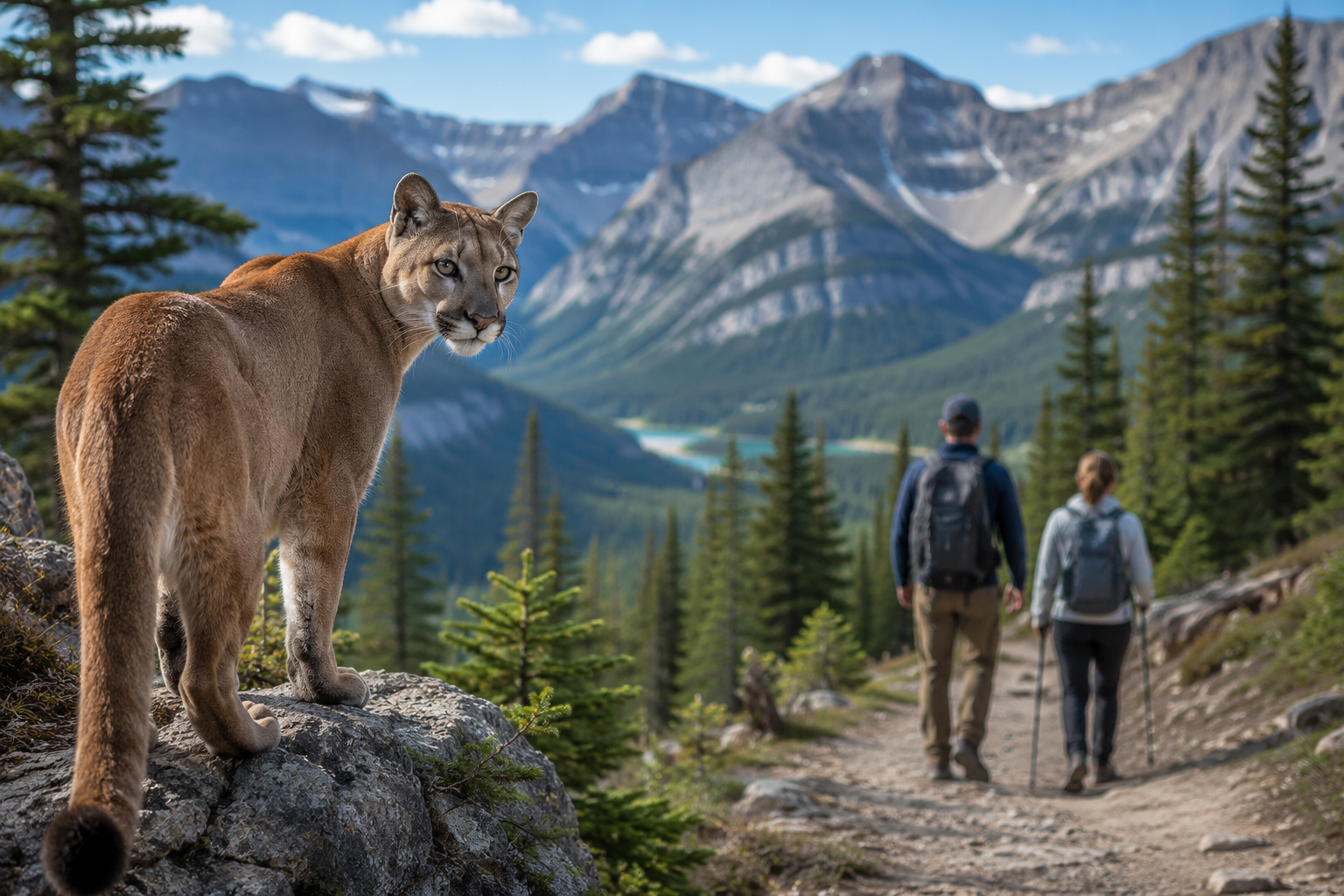
අද වනාන්තරේ ඇතුලේ සුව විඳිමින් හයික් එකක් යත්දි හමුවිය හැකි සහ සමහර විට හමුනොවීම අනතුරක් කළ හැකි තවත් වන මිතුරෙක් ගැන කතා කරමු. ඒ තමයි කූගර් . එයාටම තමයි පූමා, පැන්තර්, එහෙම නැත්නම් කඳුකර සිංහයා, කඳුකර බළලා විදියටත් සමහර ප්‍රදේශ වලදි නම් කරන්නේ.

හරිම හැඩකාර මේ සුන්දර මිත්‍රයා, කැනඩාවේ වගේම අමෙරිකානූ රටවල වනාන්නතර වල ජීවත් වෙනවා. සැඟවී ඉන්න කැමති, බො‍හොම වේගවත් සහ දැඩි ශක්තිමත් හනු සහ ජවයක් තියෙන කූගර් , මිනිසුන්ට අනතුරු කළ අවස්ථා, සංඛ්‍යාත්මකව ගත්තොත් නම් ඉතාමත් අඩුයි. දළ වශයෙන් කැනඩාව සහ අමෙරිකා එක්සත් ජනපදය කියන ප්‍රදේශ දෙකම එකට ගත්තත්, අවුරුද්දකට කූගර්-මිනිස් ගැටුම් 4-5ක් වගේ තමයි වාර්තා වෙන්නේ. ඒ අතරින් මිනිස් මරණ සිදුවීම් ඉතාමත් අඩුයි. මේකට හේතුව මිනිස්සුන්ගේ තියෙන හැකියාවට හෝ දක්ෂතාවයකට වඩා, කූගර් මේ වගේ ගැටීම් වලින් ඈත් වෙලා ඉන්න ඇති කැමැත්ත.

දැන් බෙයා ඇටෑක් ගැන කියවල ඉන්න ඔබට හිතෙන්න පුළුවන් , ඔය කඳු පූසා වගේද බෙයා කියලා. ඔව් ඔය දෙන්නම , හයික් එකකදි හමුවීම අවදානමක් ගේන්න පුළුවන් මිත්‍රයෝ දෙන්නෙක්. හැබැයි පුද්ගලිකව මා නං, හයික් එකකදි බෙයා කෙනෙක් හමුවීමට වඩා කූගර් කෙනෙක් හමුවීමට අකමැත්තක් තියෙන්නේ. හේතුව මේකයි, ‍හුඟක් අවස්ථා වලදි බෙයාල ඇටෑක් කරන්නේ ඉස්සරහින්, හුඟක් වෙලාවට අහම්බෙන් හමුවීම් තමයි වෙන්නේ. ඒ වගේම ඒ ඇටෑක් එකට ඉස්සර වෙලා‍ ‍අඩි පොළොවේ ගහල, ඉස්සිලා, හැඩ වැඩ දාල තමයි සටනට එන්නේ, ආවත් එයාගේ බර සහ අත්වල තියෙන ශක්තිමත් බව උදව් කරගෙන, ගහන, හපන සහ ඇගේ බරින් යටකරගෙන ඉන්න ක්‍රමයේ සටන් ක්‍රමයක් තමයි යොදා ගන්නේ. හුඟක් වෙලාවට සටන අතරේ එකපාරම මිනිස් මිත්‍රයා මරණයට පත් කරනවාට වඩා තුවාල කරල , බය කරලා යන්න හරි හුඟක්ම බඩගිනි සහ තරහ ගිහින් නම් ඔය අතකින් කකුලකින් කෑල්ලක් කඩා ගන්න වගේ තමයි උත්සාහ කරන්නේ.

නමුත්, කූගර් ඊට වඩා වෙනස් සටන් ක්‍රමයක් යොදා ගන්නේ. බෙයා වගේ අහඹුව හමුවෙලා සටනට එනවාට වඩා කූගර් කරන්නේ, එයාගේ ගොදුර පස්සෙන් සද්ද බද්ද නැතිව කුරුමානම් අල්ලල, "හොර ගෙඩියා වගේ" ඇවිත්, හොඳට ස්ටඩි කරලා, දුර වේගය, වගේම එයාගේ ගොදුර වන්න හදන කෙනාගේ චර්යාවත් හොඳට විමර්ශණය කරලා , ගණන් හදලා,මැනලා කල් අරගෙන ඉඳලා, අර ගොදුර වෙන්න හදන පුද්ගලයාට හිතාගන්නවත් බැරි වේගයකින්, සහ ඇහෙන්නේ දකින්නවත් නැති තරම් ඉක්මණින් පිටිපසින් හෝ පැත්තෙන් ඇවිත් පැනල, බෙල්ලේ පිටුපසට ඉතාමත් ප්‍රබල දත් පාරක් වදින විදියේ හැපුමක් තරමයි කරන්නේ. ඒ හැපුම සඳහා කූගර්ගේ හනුවල ඉතාමත් ශක්තිමත් පේෂි තියෙනවා. සාමාන්‍යයෙන් කූගර් කෙනෙක්ගේ මේ හැපුමේ ප්‍රබල බව 110 BFQ ( Bite Force Quotient ) විතර, සැර ග්‍රිස්ලියෙක්ගේ මේ හැපුමේ අගය, 120 BFQ වගේ. ඒ කියන්නේ, ඇ‍ඟට සාපේක්ෂව හැපුමේ ඇති ප්‍රබල බව අතින් කූගර් ඉහළින්ම.

අනෙක, අර මුලින් කිව්ව වගේ කූගර් නිකංට ඇටෑක් එකකට එන්නෙ නෑ. එයා එන්නේ, දුර ඉඳන් බලාගෙන ඉඳලා, ගණන් හදලා, භෞතික විද්‍යා පාඩම වගේම ජීව විද්‍යාව , සත්ව චර්යාව වගේ පොත් ඔක්කොම කියවල. ඒකයි ටිකක් වෙලා ගිහින් ඇටෑක් එක කරන්නේ. හැබැයි ඒ ඇටෑක් එක වදින්නේ, හරියටම බෙල්ලේ පිටුපසට , ඒ කියන්නේ මොළයේ පහල, සුෂුම්නාවේ ඉහළ ප්‍රදේශයට. ඒ පහර දීමේ තිබෙන ප්‍රබල බව නිසා ඒ ගෙල ප්‍රදේශයේ කශේරුකා බිඳිමින්, සහ හෘදය පෙනහළු වගේ ජීවිතය පවත්වා ගෙන යන්නට අවශ්‍යම කරන අවයව, ඉන්ද්‍රිය පාලනය කරන ප්‍රධාන ස්නායු කඩා දමමින් කූගර්ගේ දත් ගෙල පිටුපසට ගිලා බහින්නෙ. ඒ කියන්නේ, හුඟක් වෙලාවට ආයේ සටන් කරකර ඉන්න දෙයක් නෑ, ක්ෂණික ත්‍රීව්‍ර වේදනාවක් එක්ක හෘදය, පෙනහළු වල ක්‍රියාකාරීත්වය බිඳ වැටීමක් එක්ක දිගු සුව නින්දක් ලබා ගන්න පුළුවන්.

මෙන්න මේ නිසා, ෆොරස්ට් හයික් එකකදි, “විය හැකි” කූගර් ඇටෑක් එකකින් පරිස්සම් වෙන්න නම්, මෙන්න මේ උපක්‍රම මතක තියා ගන්න, අනුගමනය කරන්න.

⚠️ ළඟදි කූගර් ඇටෑක් වෙලා තියෙන බව අදාල පළාත් පරිසර හෝ වනජීවි වෙබ් අඩවිය‍ේ දැනුම් දීම් කර තිබේ නම් මේ වෙලාවේ හයික් එක සඳහා වෙනත් ප්‍රදේශයක් තෝරගන්න.

⚠️ කූගර්ලා ඉන්න ප්‍රදේශයක් බව දන්නවා නම් , දැනුම් දීම් කර තිබෙනවා නම්, හයික් එක තුල “ඉතාමත්” විමසිලිමත් වෙන්න. ඉස්සරහ විතරක් නොවෙයි, තමන්ගේ ගමන් මගේ , ට්‍රේල් එකේ පැති, ගස් වල ඉහළ, වගේම ඉඳහිට කරකැවී පිටුපස , ඒ කියන්නේ ආ මග දිහාවත් බලන්න. ඇස් වගේම කන් දෙකත් අවධානයෙන් තියා ගන්න ඕන නිසා, මේ ගමනේ යනවා නම් ඉයර්ෆෝන් හෙඩ් ෆෝන් ගෙදර තියල එන්න.

⚠️ තනිව යනවාට වඩා කණ්ඩායමක් එක්ක යන්න, එහෙම නැත්නම් තවත් කණ්ඩායමක් අසලින් යන්න.

⚠️ හැම විටම කුඩා දරුවන් (පයින් යන මට්ටමේ) වැඩිහිටියන්ට ඉතා ළඟින් තියා ගන්න. කුඩාම දරුවන් සමඟ නම් යන්නේ, ඉදිරිපසට තබාගත හැකි බේබි කැරියර් එකක දරුවා රැගෙන යන්න.

⚠️ බලු මිතුරන් ගෙන යනවා නම් අනිවාර්යයෙන්ම දම්වැලක (leashed ) හෝ කුඩා අයෙක් නම් ඉදිරිපසට පැලදිය හැකි පෙට් කැරියර් බෑග් එකකට ගෙනියන්න.

⚠️ කතා කරමින් , “මිනිස් හඬ” ඇසෙන ලෙස ගමන යන්න. ඉතාමත් කුසගින්නේ නොවෙන්න, මේ යන්නේ “මිනිස්සු” කියල දැනගත්තොත් කූගර් කෙනෙක්වත් එන්නේ නෑ.

⚠️ සතෙකුගේ කුණක් (carcasses) තිබෙන බව දැක්කොත් හෝ දැනු‍නොත් පුළුවන් තරම් ඒ ප්‍රදේශය මගහරින්න බලන්න, නොහැකි නම් “මේ දැන් ඇටෑක් එකක් වේ” කියන සූදානමින් යන්න. (මේක බෙයාටත් අදාලයි, ඉස්සර වෙලා ලිපියෙදි කියන්න අමතක වුනාද මන්දා)

⚠️ බෙයා ස්ප්‍රේ එක පාවිච්චි කරන්න දැනුවත්ව, සූදානමින් අරගෙන යන්න.

හරි , මේ සියළු සූදානම් එක්ක යත්දි හරි කූගර් කෙනෙක් තමන්ව ෆලෝ කරන වගේ දැනු‍නොත් (අර Rockwellගේ “Somebody's Watching Me” වගේ ‍ෆීලිං එකක් ඇවිත් බලත්දි දැක්කොත් කූගර් කෙනෙක් කුරුමාණම් අල්ලමින් එනවා කියලා, මුලින්ම ඕනම නම් තමන් අදහස ආගමේ පාඨයක් එහෙම කියාගෙන ඊළඟ ජීවිතේ ගැන හිතන්න ගන්න. හැබැයි ඊට වඩා මේ ජීවිතේ තව ටික කළක් ඉන්න මෙන්න මේ කරුණු වැදගත් වේවි.

🚨 කූගර්ගේ පැත්තට හැරෙන්න, දෑත් ඉහළට දෙපසට වනමින් “මං ලොකුයි සැරයි” කියල පෙන්වන්න. හයියෙන් ස්ථාවර හඬකින් (නොවෙව්ලා) කතා කරන්න. (කූගර් හොඳ චර්යා විශේෂඥයෙක්, එයාට පුළුවන් එයාගේ ගොදුර බය වෙලාද නැත්නම් බොරු චන්ඩියෙක්ද කියල හඳුනගන්න)

🚨 බෙයා ස්ප්‍රේ එක අතට ‍අරගෙන ඉදිරියට සූදානමින් තබාගෙන පරිස්සමින්, හෙමින් පිටුපසට ගමන් කරන්න, කිසි වෙලාවක කූගර්ට නොපෙනී යන්න දෙන්න එපා, මොකද ඊළඟ තත්පරේ එයා කණ ගාවින් පැත්තෙන් ඇවිත් හාදුවක් දෙන්න බැරි නෑ.

🚨 අතට අහුවෙන ගල්, බොරලු වගේ දේවල් වලින් පහර දීමක් කරලා බලන්න කුරුමාණම් අල්ලමින් එන මේ කූගර් තමන්ට දක්වන්න හදන ආදරෙන් ඉවත් වෙන්න පුළුවන්ද කියලා. (හුඟක් වෙලාවට එයාල මෙහෙම වෙත්දි පොඩි සද්දයක් දාල, පොළෙවේ වැලි ටිකක් අපටත් ගහල දාල යන්න පුළුවන්, හැබැයි එයාගේ අරමුණට ඔබව , එයාගේ ආහාර වේල කරගන්න නම් ඉතින් එහෙම යන්න කැමතිම වෙන එකක් නෑ.

🚨 කූගර් තමා වෙත ගොදුරු කරගැනීමේ අරමුණීන් පැන එනවා නම්, (අරමුණ හොයා හොයා ඉන්න බෑනේ, “පැන එනවා නම්”) දැන් බෙයා ස්ප්‍රේ එකින් වැඩ ගන්න වෙලාව. හැබැයි බෙයා ස්ප්‍රෙ එකේ සැර වදින දුර සාමාන්‍යයෙන් අඩු විසි පහක් විතර. ඒ කියන්නේ, ඔබ ඉන්න තැන ඉඳන් එක පේලියට බිම වැටිල ඉන්න මිනිස්සු හතර දෙනෙක් පස් දෙනෙක්ගේ දුර වගේ. අන්න ඒ දුර වෙත්දි , කූගර්ගේ හොම්බ හරියට සහ ඒ අවට වැහෙන විදියට බෙයා ස්ප්‍රේ ෂොට්ස් , දෙක තුනක් දෙන්න, හුඟක් දුරට ‍‍සැර කූගර්ට දරා ගන්න බෑ. (“හපොයි මේ කෑම එක හරිම ස්පයිසි” කියල යන්නත් බැරි නෑ, කැනේඩියන් කූගර්ස්ලනේ) . හැබැයි මට හොඳට ස්පයිසස් හුරුයි කියලා තවත් ඉස්සරහට එනවා නම් නැවත ෂොට්ස් විදියට, ඒ කියන්නේ එක දිගට ට්‍රිගර් එක ප්‍රෙස් කරගෙන ඉන්නේ නැතිව වරින්වර ස්ප්‍රේ එක විදින්න. කෑගහන්න, උදව් ඉල්ලන්න.

🔴 මේ සේරම හරි ගියේ නැත්නම් …..

අදට ඇති කියල හිතෙනවා. මේ ලියන මට තවම කූගර් කෙනෙක් එක්ක සෙල්ලම් දාන්න වුනේ නම් නෑ. හැබැයි Wildlife ambassador කෙනෙක් විදියට පුහුණු වෙත්දි සහ ඊට පස්සේ සම්බන්ධ වුනු දැනුවත්වීම්, යාවත්කාළින වීම් වලිදි කූගර් එක්ක සෙල්ලම් දැම්ම වගේම දැනෙන විදියට පුහුණුව ලැබුණා. මේ අකුරු කළේ ඒ දැනුම ඔස්සේ.

ඊළඟ ලිපියෙන් අපි කතා කරමු, හයික් එකකදි හමුවෙන්න පුළුවන්, ඉතාමත් කුඩා ඒත් ජීවි‍තේට ලොකු අවදානමක් ගේන්න පුළුවන් තවත් චූටි මිත්‍රයෙක් ගැන. දැන් මේ ටික කියවගෙන යන්දි හයික් එකක් යන්න ඕන කියලා හිත හිත හිටපු අය ඒ ගමන සදහටම නවත්වයිද මන්දා. ඒත් මගේ අරමුණ නම් මේ දැනුවත් වීම් එක්ක, දැනුවත් හයිකර් කෙනෙක් විදියට සොබා දහමේ සුව විඳින්නට ඔබ පෙළඹවීමයි.

නැවත හමුවෙමු.

Sri Lanka's Unsung Heroes- Part 10

When Dedication Is Not Enough

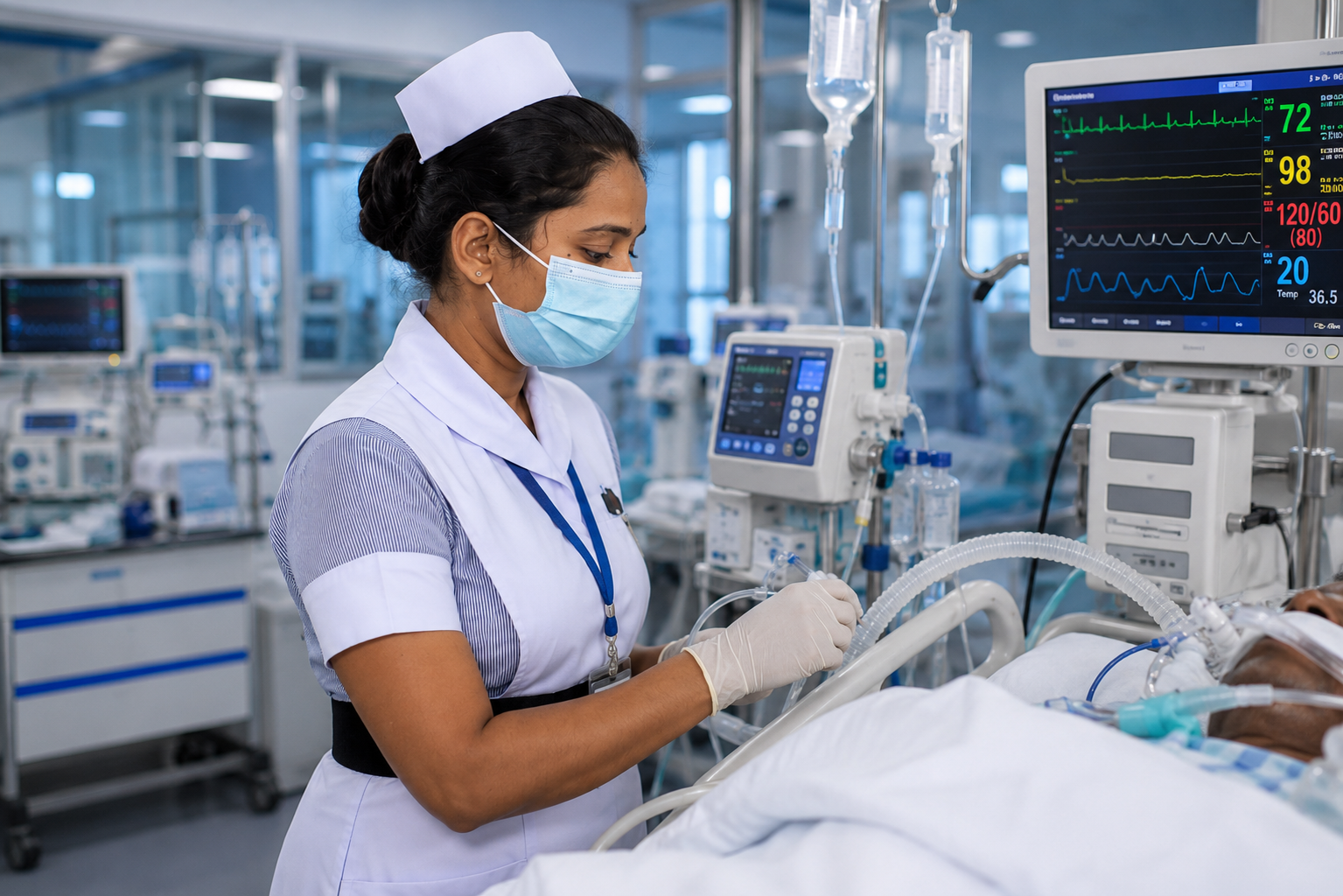
In the previous article, we explored how the shortage of nurses places enormous pressure on Sri Lanka's healthcare system. Unfortunately, staffing is only one part of the problem. Even when dedicated nurses are available, they still need the right tools to care for their patients.

Nurses do not work with compassion alone. They rely on medications, medical equipment, diagnostic services, and safe hospital facilities to deliver effective care. When these resources are unavailable, even the most experienced healthcare professionals find themselves limited in what they can do. Across many government hospitals in Sri Lanka, shortages of supplies, aging equipment, and deteriorating infrastructure have become daily realities that affect both patients and healthcare workers.

A Crisis Years in the Making

Sri Lanka's economic crisis, which intensified in 2022, brought these challenges into sharp public focus. However, the problems themselves did not begin with the economic collapse. Government hospitals had been operating with aging equipment, limited budgets, and periodic shortages of essential supplies for many years. The economic crisis simply pushed an already fragile system into a much deeper crisis.

Many hospitals reported shortages of essential medicines, including antibiotics, insulin, heart medications, cancer drugs, and basic anesthetic agents. Nurses found themselves in one of the most difficult situations imaginable: explaining to patients and their families that the hospital could not provide medicines that were essential for treatment and that they would need to purchase them from private pharmacies.

For families already struggling with rising living costs, this was not simply an inconvenience. It was a devastating financial burden during an already stressful time.

When Equipment Stops Working

Medication shortages were only part of the challenge.

Many hospitals were also struggling with aging or malfunctioning medical equipment. Patient monitors failed unexpectedly. Oxygen supplies became limited. Older medical devices required repairs that were often delayed because replacement parts were unavailable. Even routine patient monitoring became more difficult when equipment could not be relied upon.

When highly specialized equipment such as CT scanners, MRI scanners, radiotherapy machines, or laboratory analyzers broke down, the consequences extended far beyond inconvenience. Investigations were delayed. Cancer treatments were postponed. Diagnoses took longer. Patients waited anxiously, uncertain about when treatment would finally begin.

Throughout these delays, nurses remained at the bedside, providing emotional support while managing the clinical consequences of circumstances completely beyond their control.

Hospitals Designed for Another Era

The physical condition of many government hospitals presents another challenge.

Numerous hospitals continue to operate in buildings that were constructed decades ago, when patient numbers were significantly lower than they are today. Wards that were designed for a certain number of beds now routinely accommodate far more patients than originally intended.

High bed occupancy has become commonplace. Additional beds are often placed in corridors, and during periods of exceptional demand, patients may even receive treatment on mattresses placed on the floor.

Providing high-quality nursing care under these circumstances requires constant adaptation. Maintaining infection control, protecting patient privacy, ensuring safe movement around the ward, and preserving the dignity of patients become far more difficult when space itself has become a limited resource.

When Supplies Depend on the Global Economy

Sri Lanka depends heavily on imported medicines, medical equipment, and healthcare supplies. During the economic crisis, shortages of foreign currency severely affected the government's ability to purchase these essential items. Import costs increased sharply, procurement processes became more difficult, and hospitals struggled to maintain reliable supply chains.

For nurses working at the bedside, these national economic challenges quickly became personal realities. Items that had always been available suddenly disappeared from the ward. Equipment that normally functioned reliably became difficult to repair. Supplies that were once routine had to be carefully rationed.

Despite these limitations, patient care still had to continue.

The Hidden Cost to Nurses

Resource shortages do more than slow down healthcare delivery. They also increase the emotional burden carried by nurses.

When medications are unavailable, equipment fails, or investigations are delayed, nursing care becomes slower, more complicated, and significantly more stressful. Nurses often find themselves making difficult decisions while knowing that patient outcomes are being influenced by factors entirely outside their professional control.

Over time, this creates more than ordinary workplace stress. Mental health researchers describe this experience as moral injury. It occurs when healthcare professionals are repeatedly placed in situations where they know what good care should look like but are prevented from providing it because the necessary resources simply do not exist.

For a nurse who entered the profession to relieve suffering and help people recover, being unable to provide the care patients deserve can become emotionally painful. The frustration extends beyond physical fatigue. It affects professional identity, personal wellbeing, and long-term job satisfaction.

Building a Stronger Healthcare System

Improving Sri Lanka's healthcare system requires more than recruiting additional nurses. It also requires sustained investment in medicines, medical equipment, hospital infrastructure, equipment maintenance, and long-term workforce planning.

The resilience, dedication, and remarkable adaptability of Sri Lanka's nurses have kept the healthcare system functioning through some of its most difficult years. Their commitment has prevented countless failures and ensured that millions of patients continued to receive care despite extraordinary challenges.

However, resilience has its limits.

Dedication can compensate for shortages only for so long. Improvisation can overcome obstacles only temporarily. Ultimately, safe, high-quality healthcare depends not only on skilled professionals but also on providing them with the medicines, equipment, and facilities they need to do the job they were trained to do.

මොළය රැක ගන්න💔

අද World Brain Day , මේකට සිංහලෙන් “ලෝක මොළ දිනය” කියල ලියන්න හිතුනේ නෑ. දවසේ නම කුමක් වෙතත්, අද හොඳ දවසක්, අපේ “මොළ සෞඛ්‍යය” ගැන (අනේ මන්දා එහෙම Brain health කියල ලිව්වම ඊට වඩා පැහැදිලියිද මන්දා) කතා කරන්නට.

ඒ නිසා, අද මේ World Brain Day එකේදී, අපේ මොළයේ සුරක්ෂාව, සෞඛ්‍යයමත් තත්ත්වයක් පවත්වා ගන්නට කළ යුතු , කළ හැකි දේ මොනවාද කියල කෙටියෙන් කතා කරමු.

💜හොඳට කන බොන මොළය

මොළය කියන්නේ, අපේ ඇගේ තියෙන අයවය වලින් වැඩියෙන්ම කන බොන කෙනා. දේහයේ බරත් එක්ක බැලුවොත්, ඉන් 2%ක විතර බරක් තියෙන මේ පුංචි මොලේට , දේහයේ තියෙන ඔක්සිජන් ප්‍රමාණයෙන් 20%ක් විතර සහ ග්ලුකොස් ප්‍රමාණයෙන් 20%-25%ක් විතර ඕන කරනවා. ඒ නිසාමයි කිව්වේ මේක “හොඳට කන බොන මොළය” කියල. ඉතින් මොළයට මේ විදියට හොඳට කන්න බොන්න නම්, මුලින්ම හෘදය , පෙනහළු, වගේම අක්මාව වගේ ඉන්ද්‍රිය වල ක්‍රියාකාරීත්වය හොඳ මට්ටමක තියෙන්න ඕන, ඒ විතරක්ම නොවෙයි ඒ තැන් වලින් ගේන කෑම බීම මොළය පුරා බෙදා හරින , බෙදාහැරීම් ජාලයක් තියෙනවා, බොහොම සංකීර්ණ වගේම ඉතාමත් කාර්යක්ෂම ලෙස ක්‍රියාත්මක වන. ඒ තමයි , මොළය පුරා විහිදී පැතිරී තියෙන රුධීර වාහිනී, විශේෂයෙන්ම ක්ෂුද්‍ර නාලිකා ලෙස හදුන්වන ඉතා කුඩා, තුනී රුධිර වාහිනී ජාලය. ඒ ඔස්සේ තමයි කෑම බීම මොළයේ සෛල වලට ලං වෙන්නේ. ඒ නිසා, හෘදය, පෙනහළු සහ අනෙක් ජීව ඉන්ද්‍රියයන්ගේ හොඳ ක්‍රියාකාරීත්වයක් පවත්වා ගැනීම වගේම, මොළයට වඩාත් සුවිශේෂීව, මොළයේ සෛල එක්ක ලංව ගනුදෙනු කරන මේ ක්ෂුද්‍රනාලිකා වල සෞඛ්‍යමත්බව (microvascular health ) පවත්වා ගැනීම , මොළයේ යහපත් සෞඛ්‍යයට ඉතාමත් වැදගත්. ඒ වෙනුවෙන් අපට කරන්නට පුළුවන් දේවල් විදියට, හොඳ, සක්‍රිය ශාරීරික ක්‍රියාකාරකම් පවත්වා ගැනීම හුඟක්ම වැදගත්. ඒක, නියමිත ක්‍රමවේදයකට දිනපතා කරන ව්‍යායාම කිහිපයක් වෙන්න පුළුවන්, වේගවත් ඇවිදීමක්, ඇඟට වෙහෙසක් දැනෙන මට්ටමක බයිසිකල් පැදීම, පිහිණීම වගේ සක්‍රිය, ශාරීරික ක්‍රියාකාරකම් වෙන්න පුළුවන්. ඒ ඔස්සේ සතියකට අවම විනාඩි 150ක් වත්, හෘදය පෙනහලු, රුධිර සංසරණය සක්‍රිය කරන හොඳට දහදිය වැටෙන්න moderate-intensity aerobic ව්‍යායාම කරනවා නම් එයයි වඩාත් සුබ. මේ කියන විදියටම බැරි වුනත්,එකතැනකට වෙලා වාඩි වෙලා, දවසේ වැඩි වෙලාවක් ගත කරනවා වෙනුවට, ඇඟපත මහන්සි වෙන , ඇඟට දැනෙන වේගවත් ඇවිදීමක්වත්(brisk walking ) කරන්න පුළුවන් නම් ඒකමත් උදව්වක්, තමන්ගේ මොළය වෙනුවෙන් කරන. ‍මේ කී ව්‍යායාම නිසා අපට දැනෙන වාසියක් මොළයට ලැබෙනවා වගේම, අප නොදැනීම, මේ ව්‍යායාම නිසාම මොළය තුල Brain-Derived Neurotrophic Factor (BDNF) කියන රසායනිකය ස්‍රාවය වීම වැඩි වෙනවා. ඒ ඔස්සේ, මොළයේ ස්නායු සෛල වල ආරක්ෂාවක් ලැබීම, මොළයේ සමහර කොටස් වල විශේෂිත ස්නායු සෛල වර්ධනයටත් උදව් වෙනවා. ඒ කියන්නේ, හොඳට ඇඟට දැනෙන ව්‍යයාම කරනවා නම් ප්‍රධාන ක්‍රම දෙකක් ඔස්සේ අප , අපේම මොළයට උදව්වක් කරනවා. මීටම සම්බන්ධව කතා කළ යුතු ඊළඟ වැදගත් පරිස්සම් වීම් තමයි, රුධිර පීඩනය සෞඛ්‍යයමත් මට්ටමක පවත්වා ගැනීම, රුධිර කොලෙස්ටරෝල් මට්ටම, සීනි මට්ටම හොඳින් පාළනය කර තබා ගැනීමත්, අර අප කී මොළයේ සෛල ළඟින්ම ඉන්න ඉතා කුඩා ලේ නහර වල සෞඛ්‍යයමත් පැවැත්මට වැදගත්. මොකද , මේ සෞඛ්‍යමත් පරිසරය නොපවත්වා ගත්තොත් වෙන්නේ, ඒ තුනී ලේ නහර ඔස්සේ , මොළයට කෑම බීම ලැබීම අවශ්‍ය විදියට සිදු නොවන්න පුළුවන්, සමහර විට මොළයේ කොටස් වලට අවශ්‍ය කෑම බීම නොලැබීම යන්නටත් හේතුවක් වෙන්න බැරි නෑ.

💜දාහය ප්‍රදාහය අඩු කරගන්න.

දේහයේ වැඩි පුර තෙල් තැන්පත්වීම, කාළයක් තිස්සේ පවතින ආසාදන, ප්‍රමාණවත් සුවදායි නින්දක් නොලැබීම , දුම්පානය (සක්‍රිය හෝ අක්‍රිය), සෞඛ්‍යයමත් නොවන ආහාර රටා වගේ හේතු නිසා අපේ ඇඟ ඇතුලේ තියෙන ආරක්ෂක පද්ධතිය නිරන්තරයෙන්ම අවිවේකයෙන් ඉන්නට වෙනවා (Chronic low-grade systemic inflammation) . මේ විදියට කාළයක් තිස්සේ පැවතීමත්, මේ කී සාධක නිසාම සෛල වල මයිටොකොන්ඩ්‍රියා කියන ඉන්ද්‍රියිකාවන් දුර්වල වීම වගේ හේතු නිසා සෛල දුර්වල විම, මොළයේ සෛල ඉක්මණින් වියපත් වීම හෝ මිය යාම වැඩි වන බව හදුනාගන්නවා. මේ අවදානම සීමා කරගෙන මොළය පරිස්සම් කරගන්න හිතනවා නම්, ඔය හදිසි කෙටි කෑම වලට වඩා, හොඳ කොළ, එළවලු, පළතුරු, තන්තු සහිත හොඳ ආහාර වේලක් ගන්නවා නම්, විශේෂයෙන්ම මේ සියල්ල අඩංගු වන MIND diet කියල හදුන්වා දෙන ආහාර රටාවට හුරු වෙන්නට පුළුවන් නම් ඒ ඔස්සේ, මොළයේ සෛල වලට ලොකු උදව්වක් වන බව පර්යේෂණ ඔස්සේ හදුනාගෙන තිබෙනවා. ‍මේ ආහාර රටාවටම , තෙල් සහිත අළුත් මාළු , walnuts වගේ දේවල් එක් කරගන්න පුළුවන් නම් ඒ ඔස්සේ ලැබෙන Omega-3 මේද අම්ල මොළයේ සෛල වල පැවැත්මට , සෞඛ්‍යයමත් ක්‍රියාකාරීත්වයට වගේම, පෙරකී ප්‍රදාහික තත්ත්වයන් සමනය කරගන්නටත් උදව් වෙනවා. මේ කියාගෙන යන කෑම රටාව තුලටම, යෝගට්, sourdough bread , සමහර අච්චාරු වර්ග වගේ, යීස්ට්, බැක්ටීරියා වගේ දේවල් උදව් කරගෙන හැදෙන කෑම වර්ග ඔස්සේත් , ඒ සමඟම එකතු කරගන්නා ආහාරමය තන්තුත් මොළයට උපකාර කරන කෑම බීම වර්ග. වෙන්නේ මේකයි, මේ කෑම බඩ ගියාම, බඩේ ඉන්න “හොඳ ක්ෂුදුජීවීන්” (gut microbes) හදන සමහර මේද අම්ල , මොළ‍යේ වගේම, ස්නායු සෛල වල ක්‍රියාකාරීත්වයටත් උදව් වෙනවා.

💜කුණූ සුද්ද වෙන සුව-බර නින්දක් ගන්න

කොහොමත් සෞඛ්‍යයමත් ජීවිතේකට “සුවදායී නින්දක” ඇති වැදගත්කම් මෙතැන ලියන්න ඕන නැහැනේ. එය අප ඕන තරම් අහල තියෙනවා, සමහර විට විඳලත් ඇති. නමුත්, මේ තැනදී මොළයට අදාලව කතා කරන නිසා, මේ “සුවදායී” නින්දෙන් මොළයට වෙන උදව්ව මොකක්ද කියල බලමු. දවස පුරා අපිත් එක්ක , හරිහරියට වැඩ කරන මොළය ඇතුලේ කුණූ කසල එකතු වෙනවා. අපට මහන්සි වෙත්දි දාඩිය දාල, දූවිලි එක්ක ඇලෙනව වගේ, මොළය ඇතුලෙත් අපද්‍රව්‍ය, අවශ්‍ය ‍නොවන කරදරකාර ප්‍රෝටීන වර්ග වගේ කුණූ කසල එකතු වෙනවා. අප දවසේ වැඩ ඉවර කරලා හවසට නාල පිරිසිදු වුනාට, මොළය මේ විදියට කුණූ ඉවත් කරලා “පිරිසිදු” වීම වෙන්නේ, අපි හොඳ නින්දක ඉඳිත්දි. Glymphatic Clearance කියල විද්‍යාත්මක නම් කරන මේ ක්‍රියාවලිය වෙන්නේ, අපි සුව තද නින්දෙ ඉඳිත්දි. ඔය වෙලාවේ තමයි මොළය වටා තියෙන cerebrospinal fluid කියන වතුර වැඩිපුර ගෙනත් , මොළයේ සෛල අස්සේ හිර වෙලා , ඇලිලා තියෙන කුණූ ‍හොදන්නේ. දැන් මෙහෙම කුණූ , ඇලෙන ප්‍රෝටීන් අණූ වගේ කුණු කසල හෝදා නොදැම්මොත් මොකද වෙන්නේ, අර මොළයේ සෛල වලට වෙනද වගේ වැඩ කරන්න, පණීවිඩ හුවමාරු කරගන්න බැරිව යනවා, ඒ කියන්නේ, මොළයේ ක්‍රියාකාරීත්වය දුර්වල වෙනවා. වගේම සමහර විට මේ තත්ත්වය දිගින් දිගටම නොසලකා හැරියොත්, මොළය ඇතුලේ , මොළයේ සෛල අස්සේ විවිධ ප්‍රෝටීන කුණූ හිර වෙලා මොළය දුර්වල වෙන්න, මොළයේ සෛල මියයාම් වැඩි වෙන්න, සහ ඒ ඔස්සේම ඩිමෙන්ෂියාව වගේ තත්ත්ව වලට ඇති අවදානම වැඩි කරන්නත් පුළුවන්. මේ අවදානමෙන් ගැලවෙන්න හෝ සිමා කරගන්න නම් අපට කරන්න තියෙන්නේ, දවසකට පැය 7-9ක් විතර හොඳ, සුවදායී නින්දක් ලබා ගන්න එක.

💜බුද්ධි තැන්පතුව වැඩි කරගන්න.

මේ , Cognitive reserve එහෙම නැත්නම් බුද්ධි තැන්පතුව කියල සිංහලට කියන්න පුළුවන් අවශ්‍යතාව ගැන අපි තවමත් ඒ තරම්ම දැනුමක් හෝ උනන්දුවක් නැත්ද කියල හිතෙනවා. Cognitive reserve කියන්නේ, වයස් ගතවීම, රෝගී වීම වගේ හේතුවක් නිසා මොළයේ, බුද්ධිමය ක්‍රියාකාරීත්වයේ යම් අඩුවක් වෙත්දි, ඒ අඩුව පුරවාගෙන සාමාන්‍ය හෝ ඊට ආසන්න මට්ටමක බුද්ධිමය ක්‍රියාකාරීත්වයක් පවත්වා ගන්නට මොළයට ඇති හැකියාව. මේ තැන්පතුව ලොකුවට තියා ගන්න එකේ වැදගත්කම එන්නේ, යම් ලෙඩක් නිසා හෝ වියපත් වීම වගේ හේතුවක් නිසා මොළය දුර්වල වීමක් වුනොත්, ඒ තුල විය හැකි කරදර අඩු කරගන්නට, අමතක වීම්, තීරණ ගැනීමේ හැකියාව බිඳ වැටීම් වගේ අවදානම් වලින් පරිස්සම් වන්නට. මේ විදියට අපේ Cognitive reserve එක වැඩි කරගන්න සහ හොඳ මට්ටමක තියා ගන්නට අපට කරන්න පුළුවන් දේවල් විදියට මොළයට අභියෝගයක් දෙන ක්‍රියාකාරකම් යොදා ගන්න පුළුවන්. උදාහරණ කිහිපයක් විදියට කිව්වොත්, අවධානය සහ විමර්ෂණය සහිත කියවීම්, ලිවීම් , අළුත් විෂයක් , භාෂාවක් හෝ අවශ්‍යතාවය මත යමක් අළුතින් ඉගෙනීම, අළුත් ස්කිල් ඉගෙන ගැනීම , සංගීත භාණ්ඩයක් වාදනය කරන්නට ඉගෙනීම වගේ, මොළය සක්‍රියව උදව් කරගන්නට වෙන, විමර්ෂණය, මතක තබා ගැනීම , නැවත මතක් කිරීම් කළ යුතු ක්‍රියාකාරකම් ඔස්සේ මේ බුද්ධි තැන්පතුවේ දියුණුවක් කරගන්නට පුළුවන්. මේ ක්‍රියාකාරකම් නිසා, මොළයේ සෛල අතර සන්නිවේදනය දියුණූ වීම, සක්‍රිය වීම, අළුත් සන්නිවේදන සම්බන්ධතා මොළය තුල මතුවීම වගේ ජීව විද්‍යාත්මකව හදුනාගත් “යහපත් වෙනස්වීම” සිදුවෙනවා.‍ මේකටම වැදගත් තවත් දෙයක් තමයි, තනි නොවී, සමාජීයව සක්‍රියව කාළය ගත කිරීම. මේ කියන්නේ, හිතවතුන් , මිතුරන් සමඟ යහපත් සම්බන්ධතා , කතාබහ, මිත්‍රත්වයන් පවත්වා ගැනීම සහ ඒ බැඳීම ගැන හිතට දැනෙන විඳීමක් ලබන්නට පුළුවන් තත්ත්වයක් පවත්වා ගැනීම.

💜සංසුන් වෙන්න බලන්න

කාළයක් තිස්සේ පවතින ස්ට්‍රෙස් කියන්නේ, මුළු ඇඟටම හානියක්. ඒක මොළයටත් ලොකු හානියක් කරනවා. විශේෂයෙන්ම කාළයක් තිස්සේ මානසිකව දැඩි පීඩනයකින්, අසහනයකින් , ස්ට්‍රෙස් එකකින් ඉඳීමත් එක්ක, ලේවල ඉහළ යන කෝටිසෝල් වල බලපෑම නිසා මොළයේ සමහර කොටස් වල ඇති ස්නායු සෛල වලට හානි කරන බව පර්ය‍ේෂණාත්මකව, ඇහැට දකින්නට පුළුවන් විදියටම හදුනාගෙන තියෙනවා. ඒ නිසා, තිබෙන මානසික පීඩාවන් අඩු කරගෙන , මනස සංසුන්ව, සෞඛ්‍යයමත් ප්‍රමාණයකට විවේකීව තියා ගන්නට පුළුවන් නම් (මොකද ජීවත් වෙනව කියන ක්‍රියාවලිය තුල යම් ස්ටෙසස් එන එක නවත්වන්න බැහැනේ) ඒ ඔස්සේ මොළයේ සෛල වලට හානිවන ඉඩ අඩු කරගන්නට පුළුවන්. ඒ සදහා භාවනා ක්‍රම, ශ්වසන ව්‍යායාම , පරිසරය, ගහකොළ, සොබාදහම සමඟ බැදෙන විනෝදාංශ, ක්‍රියාකාරකම් වල යෙදීමත් උදව් කරගන්නට පුළුවන්.

💜ඔළු ගෙඩිය පරිස්සම් කරගන්න.

මොළය පරිස්සම් කරගන්න කළ යුතු දේ අතරේ මේක ගැන ලොකුවට ලියන්න ඕනම නැහැනේ, හිසට වන අනතුරකදි මොළයට, මොළය ආශ්‍රිත පටක වලට හානි වෙන්නට පුළුවන් බව මේ කියවන ඕනම කෙනෙක් දන්නවා. ඒ නිසා, හිසට අනතුරු වීම සීමා කරගැනීම වගේම, විය හැකි අවදානම් අවස්ථා වලදී, හිස ආරක්ෂා කරන උපක්‍රම අනුගමනය කිරීම, (ඒ කිව්වේ හෙල්මට් දැමීම වගේ) , හිසට දැඩි කම්පණයන් , තෙරපීම් වල ක්‍රීඩා වගේ අවස්ථා වලදී අනුගමනය කළ යුතු නිසි ආරක්ෂක ක්‍රියාමාර්ග ගැනීමත්, මොළය පරිස්සම් කරගන්නට අපට “කරන්නට පුළුවන්” දේ. මේ ලිපිය මේ වනතුරු කියෙව්වා නම් ඔබ, ඔබේ මොළය ගැන හොඳ අවධානයක් තියෙන කෙනෙක් වෙන්න ඇති, දැන් කියවූ කරුණූ මතක් කරගෙන, ඔබේ මොළය රැක ගන්නට කළ හැකි දේ කරන්නට “මොළයට ගන්න” අද හොඳම දවසයි.

2026/07/24

Respect Wild

Every year, thousands of people visit Banff National Park hoping to experience something unforgettable. Seeing a grizzly bear in its natural habitat is certainly one of those moments. It is exciting, humbling, and a reminder that we are visitors in one of Canada's last great wilderness areas.

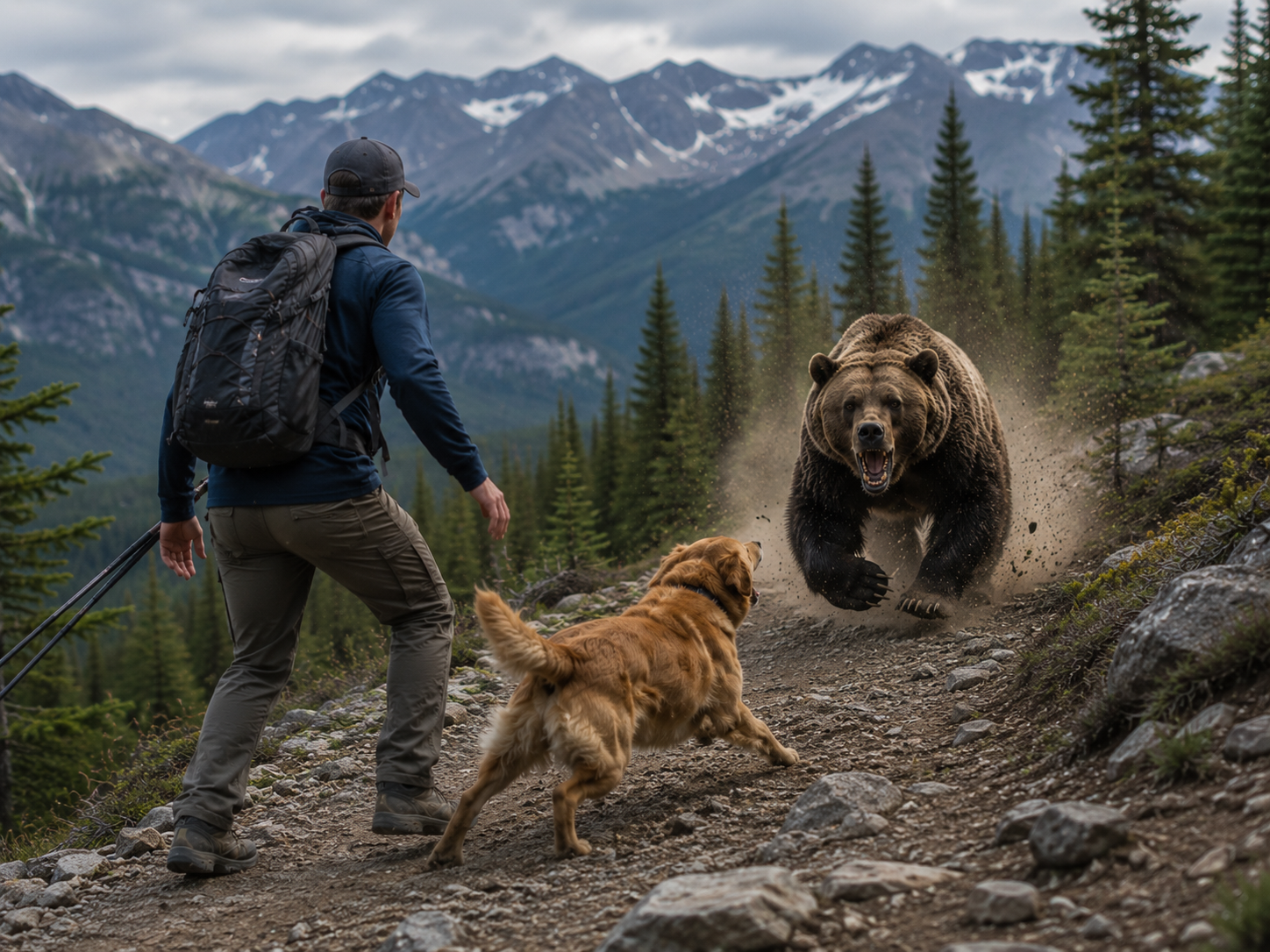
Recently, a widely shared video showed a couple walking with an off-leash dog dangerously close to a grizzly bear in Banff National Park. While no one was injured, the incident serves as an important reminder that wildlife safety rules are there to protect everyone, including the animals themselves.

Nature Has Its Own Rules

Many people think of national parks as beautiful places to hike or take photographs. In reality, they remain functioning ecosystems where predators, prey, and countless other species continue the same natural relationships they have followed for thousands of years.

A grizzly bear does not recognize hiking trails, social media videos, or family pets. It reacts to what it sees as potential threats or disturbances. When people enter bear habitat, we become part of that environment, not the other way around.

Respecting wildlife means allowing animals to behave naturally without forcing them to react to us.

Why Dogs Must Stay on a Leash

Parks Canada requires dogs to remain on a leash and under physical control at all times within Banff National Park, except in designated off-leash areas or fenced private property. It is also illegal to feed, attract, or intentionally disturb wildlife.

These regulations are based on decades of wildlife research rather than simple precaution.

Even a friendly dog can unintentionally create danger. Dogs may bark, chase wildlife, or suddenly run toward a bear before returning to their owner. From the bear's perspective, this can appear to be an attack or a threat that requires an immediate response.

A situation that might have ended with both parties quietly moving away can escalate within seconds.

The Hidden Victim

When wildlife incidents occur, many people focus on the risk to hikers. However, the animal often suffers the greatest consequences.

Bears that become involved in repeated dangerous encounters with humans may be relocated to unfamiliar territory. If they continue to pose a risk, wildlife managers may have no choice but to euthanize them.

In many cases, the bear was simply behaving exactly as nature intended.

One careless decision by a visitor can have lifelong consequences for an animal that has done nothing wrong.

The Legal Consequences

Ignoring wildlife regulations can also carry significant legal penalties.

Parks Canada can lay charges for disturbing wildlife or allowing domestic animals to create dangerous situations within a national park. Depending on the offence, individuals may be required to appear in court, and penalties can reach up to $25,000.

Following the recent Banff incident, Parks Canada confirmed that charges were laid under the National Parks domestic animal regulations because the dog was off leash. The court will determine the final outcome, but the incident highlights how seriously these rules are enforced.

Respect Wild or Natural Selection

Nature has always operated through its own balance. Wildlife survives by instinct, experience, and natural selection. Bears do not make decisions based on human expectations, and they should never be expected to adapt their behaviour because we choose to enter their habitat.

Our responsibility is not to change nature. It is to respect it.

Keeping a respectful distance, remaining calm, keeping dogs leashed, and allowing wildlife an escape route are simple actions that protect people while preserving the natural behaviours that make places like Banff so remarkable.

The Takeaway

Visiting Canada's national parks is a privilege.

Every responsible choice we make helps protect both people and wildlife. The goal is not simply to avoid fines or dangerous encounters. It is to ensure that future generations can experience truly wild places where animals remain exactly what they should be: wild.

When we respect nature on its own terms, everyone benefits.

Stay safe, leave no trace, and remember. We are guests in their home, not the other way around.

When Pain Doesn't Go Away- Part 6

How Healthy Thinking Can Help You Feel Better

Living with Fibromyalgia affects more than your body. It also affects the way you think, feel, and respond to pain. This is completely normal. After living with pain for months or years, many people naturally begin to expect the worst.

It is important to understand that changing your thoughts does not mean your pain is imaginary. Fibromyalgia pain is real. However, the way we think about pain can either increase our suffering or help us manage it more effectively.

When Negative Thoughts Take Over

Many people with chronic pain experience automatic thoughts such as:

"This pain will never get better."
"I'm getting worse."
"I won't be able to enjoy life again."
"Every flare-up means I'm damaging my body."

These thoughts often appear without us even noticing. They can increase fear, stress, and anxiety, making the nervous system even more sensitive to pain.

Catch, Check, and Change

One of the most effective techniques used in Cognitive Behavioral Therapy (CBT) is learning to recognize these automatic thoughts before they take control.

Ask yourself three simple questions:

Catch it: What am I thinking right now?

Check it: Is this thought based on facts, or is my pain making me expect the worst?

Change it: Is there a more balanced and realistic way to look at this situation?

For example, instead of thinking:

"This flare-up means I'm getting worse."

Try saying:

"Flare-ups are a normal part of Fibromyalgia. They usually settle down, and I have strategies that can help me manage them."

This is not about pretending everything is fine. It is about replacing fear with facts.

Your Brain Can Learn New Habits

Our brains learn through repetition. The more often we repeat negative thoughts, the stronger those thought patterns become.

The good news is that the opposite is also true.

With regular practice, your brain can develop healthier ways of responding to pain. Over time, balanced thinking becomes more natural, reducing stress and helping you feel more confident during difficult days.

It Takes Practice

Changing lifelong thinking patterns does not happen overnight. Like gentle exercise, pacing, or relaxation, it is a skill that improves with practice.

Many people find that working with a psychologist, counsellor, or another healthcare professional trained in chronic pain management helps them develop these skills more quickly. Others begin by simply becoming aware of their thoughts and practicing healthier responses every day.

A New Way Forward

You may not always be able to control your pain, but you can learn to control how you respond to it.

Every time you replace a fearful thought with a balanced one, you are helping calm your nervous system. Combined with movement, pacing, relaxation, and good sleep habits, healthy thinking becomes another powerful tool for living well with Fibromyalgia.

Remember, your thoughts are powerful. They cannot cure Fibromyalgia, but they can help you face it with greater confidence, resilience, and hope.

2026/07/18

When Pain Doesn't Go Away- Part 5

Giving Your Nervous System a Chance to Recover

Living with Fibromyalgia means your nervous system is often working overtime. Chronic pain keeps the body's natural fight-or-flight response switched on, making muscles tense, disrupting sleep, increasing stress, and leaving you feeling physically and emotionally exhausted.

The good news is that your body also has a natural rest-and-recover system. Relaxation techniques help activate this system, allowing your heart rate to slow, muscles to relax, and your nervous system to settle. While relaxation will not eliminate Fibromyalgia, it can reduce stress, ease muscle tension, and make pain more manageable.

Stress and Pain Are Closely Connected

Pain and stress feed each other. When pain increases, stress usually rises. As stress increases, the nervous system becomes even more sensitive, making pain feel stronger.

Learning how to relax helps break this cycle. It gives your body a chance to step out of "survival mode" and move into a calmer, more balanced state.

Simple Relaxation Techniques That Work

One of the easiest techniques is deep belly breathing. Slowly breathing from your diaphragm instead of your chest helps reduce muscle tension and sends a calming signal to the brain. Just five minutes of slow, controlled breathing can make a noticeable difference.

Another helpful method is progressive muscle relaxation, where you gently tighten and then relax different muscle groups. This helps you recognize hidden muscle tension and teaches your body how true relaxation feels.

Many people also enjoy guided imagery, where they imagine themselves in a peaceful place such as a beach, forest, or mountain trail. Focusing on calming mental images can help quiet both the mind and the body's stress response.

Practice Before You Need It

Like any skill, relaxation becomes more effective with regular practice. Waiting until a severe pain flare to begin relaxing is like trying to learn to swim after falling into deep water.

Even spending 5 to 10 minutes each day practicing deep breathing, meditation, mindfulness, or gentle relaxation exercises helps train your nervous system to calm down more quickly when stress or pain increases.

A Small Habit That Makes a Big Difference

Relaxation is not about doing nothing. It is an active way of helping your nervous system recover. Combined with gentle movement, good sleep habits, pacing, and healthy coping skills, regular relaxation can become one of the most valuable tools for living well with Fibromyalgia.

Remember, every time you take a few minutes to slow your breathing and relax your body, you are giving your nervous system an opportunity to heal, recover, and become more resilient.

Sri Lanka's Unsung Heroes- Part 9

Part 9: A Workforce in Crisis — Understanding Sri Lanka's Nurse Shortage

A Quick Note Before We Begin

If you're reading this series from another country, you may be getting the wrong impression about Sri Lanka's healthcare system by reading only about its challenges. You might assume that Sri Lanka has a poor-quality healthcare system.

That would not be true.

Although Sri Lanka is a developing country, it has built one of the strongest public healthcare systems in the region. Healthcare is provided free of charge through a publicly funded system that serves the entire population. The country has a well-established two-tier healthcare system, high standards of medical and nursing education, and all healthcare professionals are licensed and professionally trained. In many important health indicators, Sri Lanka performs remarkably well and competes with countries that are often considered far more developed.

Having worked as a Registered Nurse in Sri Lanka for fourteen years and later within Western healthcare systems, I have been fortunate enough to experience different models of healthcare delivery. Every healthcare system has strengths, and every system has challenges. Throughout this article series, I am focusing specifically on the nursing profession because, based on my own experience, I believe there are areas where Sri Lanka can further strengthen and support its nursing workforce.

My intention is not to criticize Sri Lanka's healthcare system. It is to examine the challenges nurses face, explore possible improvements, and contribute to conversations that may help an already successful healthcare system become even stronger.

With that little introduction out of the way, let's look at this week's topic.

When There Simply Aren't Enough Nurses

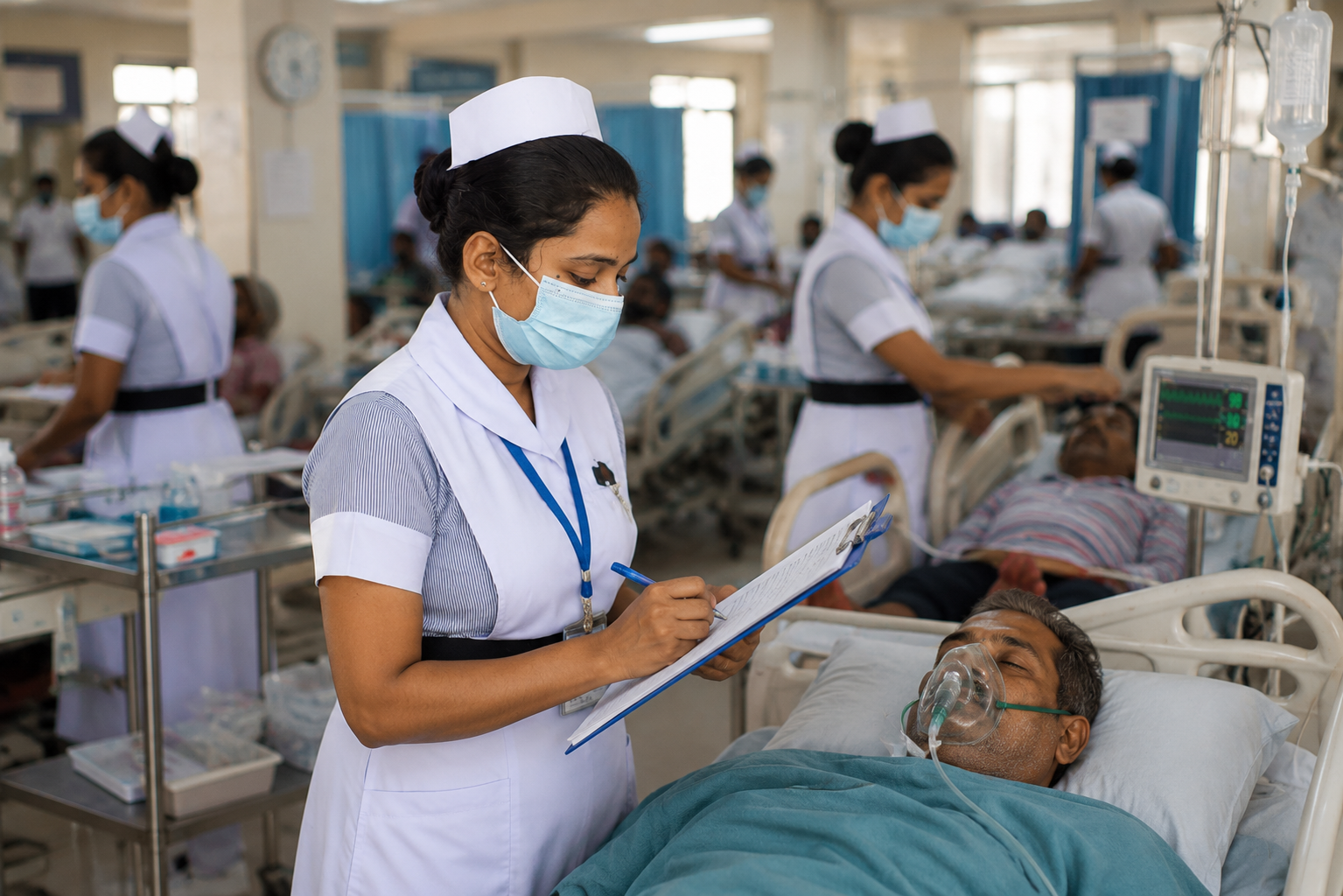
When visitors to government hospitals see crowded waiting areas, overflowing wards, and long delays, frustration is understandable. What is far less visible, and far more important to understand, is that many of these problems trace back to one serious structural challenge: there are simply not enough nurses.

The numbers from 2023 tell the story clearly. Sri Lanka's public health sector has approximately 53,283 nursing officers working across 672 government hospitals, serving around 90,392 hospital beds. By workforce density, the country has approximately 241.8 nurses per 100,000 people. The World Health Organization recommends substantially higher levels of healthcare professionals, including nurses, doctors, and midwives, to provide safe and effective care. Current estimates suggest that Sri Lanka requires an additional 24,000 to 48,000 Registered Nurses before staffing levels could reasonably be considered safe.

What Those Numbers Mean on the Ward

Statistics can sometimes feel distant, but inside a hospital ward those numbers become very real.

Internationally, a commonly accepted benchmark for a general medical ward is approximately one nurse for every five patients. In many Sri Lankan government hospitals, particularly in teaching and provincial hospitals, a single nurse may care for fifteen to twenty patients during the day shift, while thirty or more patients may be assigned to one nurse during the night shift. In some rural hospitals, colleagues have described night shifts where only two or three nurses were responsible for seventy to ninety patients, resulting in a ratio of approximately one nurse to thirty patients.

The question of whether true patient-centred care is even possible under these conditions deserves to be asked honestly. Based on both published evidence and the lived experience of nurses, the answer is that it is not.

When Something Has to Give

When nurses are responsible for so many patients, something inevitably gives. Fortunately, it is rarely emergency care. Nurses instinctively prioritize medication administration, deteriorating patients, emergencies, and urgent clinical procedures. Instead, it is the equally important but less urgent aspects of care that quietly disappear from the day.

The patient education that should have happened but did not. The conversation with a worried family member that had to be postponed until tomorrow. The detailed documentation completed more quickly than it should have been because another patient urgently needed attention. Individually, these may seem like small compromises. Collectively, they increase risk and reduce the overall quality of patient care.

Constantly Choosing Between Priorities

The shortage forces nurses into a constant state of triage, not only of patient needs but also of their own time, attention, and energy. Administering medications, checking vital signs, responding to emergencies, assisting with clinical procedures, documenting care, and answering patient calls often happen simultaneously. Over time, this impossible balancing act simply becomes accepted as part of the job.

Saying no to an additional shift becomes extremely difficult because every nurse understands what that decision means. Refusing an extra shift often means another colleague will work beyond safe limits or that patients will receive less care than they deserve. A healthcare system should never rely on the personal sacrifice of its workforce simply to continue functioning. Yet that is precisely what has happened, and it continues to consume the very people holding the system together.

When Rest Becomes a Luxury

Staff shortages affect more than patient care. They also affect the wellbeing of nurses themselves.

Many nurses work six days each week. Although annual leave and other leave entitlements exist on paper, taking leave becomes difficult when there is no one available to replace them. During national health emergencies, leave may even be suspended altogether. Over months and years, the accumulated fatigue becomes more than ordinary tiredness. It develops into physical exhaustion, emotional burnout, and chronic stress that eventually affects both the health of nurses and their ability to continue providing safe, effective care.

Holding the System Together

In the busiest government hospitals, the effects of understaffing are impossible to ignore. Emergency departments often operate beyond capacity for extended periods. Wards receive more patients than they were designed to accommodate, with additional beds placed in corridors whenever space runs out. Nurses are expected to remain alert, calm, compassionate, and clinically accurate throughout every shift despite working under conditions that would challenge almost anyone's ability to perform at their best.

The remarkable thing is not that Sri Lanka's healthcare system occasionally struggles under these pressures. The remarkable thing is how often, through the extraordinary dedication, resilience, and personal sacrifice of its nurses, it continues to deliver safe and compassionate care despite the overwhelming demands placed upon it.

The Lake of Spirits

A few days ago, one of our closest friends visited us from Ontario. It had been almost ten years since we last spent real time together, and after a long overdue visit, we drove out to the Lake Minnewanka area. Standing by that water again brought back something I had been meaning to write for a while. Over the years, several of my clients have shared pieces of the lake's story with me, including a dear Indigenous friend whose account of the lake stayed with me long after our conversation ended. This article grew out of that visit and those conversations.

There is a place in Banff National Park where the wind can rise out of nowhere and rake across still water, where a drowned town sits in the dark below the surface, and where the name itself carries a warning that has been passed down for longer than Canada has existed as a country. Lake Minnewanka is one of the most visited lakes in the Canadian Rockies, and it is also one of the most haunted, not in a cheap or theatrical sense, but in the way that only a place with real history and real loss can be haunted.

I want to tell this story carefully, because it belongs first to the Stoney Nakoda people, and only afterward to the settlers, engineers, and tourists who came later and left their own mark on the lake.

The name that means Sacred Water

Long before Banff was a townsite or a national park, the Stoney Nakoda people knew this lake as mînî wakâ, which in the Nakoda language means sacred water or water of the spirits. Elders have described how travellers passing near the lake would sometimes hear voices carried on the wind, voices that seemed to come from nowhere and belonged to no one they could see. The lake was treated with both reverence and caution. It was not simply scenery. It was a living, spiritual place.

One version of the origin story tells of a man who climbed one of the mountains overlooking the water and looked down to see a fish so enormous it seemed to stretch the length of the entire lake. He came to call it the lake of the evil water spirit, and the name and the caution attached to it were carried forward through generations. Stoney Nakoda elder Watson Kaquitts has spoken of the lake's healing reputation as well, describing a mountain pass his people once used to reach the water, and the belief that it held the power to heal both body and mind. Both things can be true at once. A place can be feared and also sought out for its healing, the way many sacred sites around the world hold that same tension.

When European surveyors and settlers arrived in the nineteenth century, they heard fragments of these stories secondhand, misunderstood much of what they heard, and gave the lake their own unsettling name: Devil's Lake. That name has mostly faded from use, but it tells you something about how the original meaning got flattened and distorted as it passed through unfamiliar ears. What the Stoney Nakoda understood as sacred and spiritually significant, settlers translated into something closer to a horror story. It is worth sitting with that difference for a moment, because it shapes how we should read every ghost story that follows.

It is also worth remembering that the Stoney Nakoda were formally excluded from what became Banff National Park between 1890 and 1920, decades during which their access to a lake they had used for centuries was cut off by the very government that was busy naming and renaming it. They were not officially welcomed back until 2010. Any story about the ghosts of this lake has to hold that history too, not as a footnote, but as part of the reason the water carries so much weight.

A resort town built on the shore

By the 1880s, settlers had built a log hotel called the Beach House on the shores of the lake, and within a few decades a small resort community known as Minnewanka Landing had grown up around it. By the early 1900s it had hotels, a general store, cottages, wharves, and boats that carried visitors from Calgary out onto the water for the day. For a stretch of years it was a lively, ordinary little lakeside town, the kind of place where families spent their summers and children ran along the shoreline.

Then came the dams. Between the early 1900s and 1941, the lake was dammed multiple times to generate hydroelectric power for the growing region. Each dam raised the water level higher, and with the final dam completed in 1941, Minnewanka Landing was deliberately flooded. The buildings were not moved. They were left standing, and the lake was allowed to rise over them, foot by foot, until an entire town disappeared beneath water that was already, in Stoney Nakoda tradition, understood to be inhabited by spirits.

Today the lake is roughly 21 kilometres long, the second-longest in the Canadian Rockies, and somewhere beneath its cold, glacier-fed surface the old townsite is still there. Divers who make the difficult, frigid descent report finding building foundations, a stone oven, sidewalks, bridge pilings, and even the old wharf, still resting where they were left more than eighty years ago. Parks Canada has called it one of the most intact submerged historic sites in the country.

What lingers below

This is where the ghost stories take on their modern shape. Divers who have gone down into Minnewanka speak of a stillness that feels different from other lakes, an intact street grid rising out of the silt like a town waiting for its residents to come home. Some describe a heaviness to the place that has nothing to do with water pressure. Visitors on the surface, especially at dusk, have reported sudden gusts that seem to come from a clear sky, echoing the old Stoney Nakoda accounts of wind and voices rising without warning.

Whether you take these accounts as supernatural or simply as the natural effect of standing beside a genuinely uncanny piece of history, the feeling is the same. There is a drowned town under that lake. Real families once lived in those foundations. Real children once walked those sidewalks. And the lake that swallowed them was never just an empty basin of water to begin with. It was mînî wakâ long before it was a reservoir, sacred and watched over, and then it became the grave of a settler town on top of that.

I think that layering is what makes Lake Minnewanka's ghost stories different from the usual campfire fare. This is not a single haunted house with one tragic backstory. It is centuries of Indigenous spiritual understanding, followed by decades of settler development, followed by a flood that erased an entire community for the sake of electricity, all stacked on the same body of water. When people say the lake feels haunted, they may be responding to something real: a landscape that holds more human history, more displacement, and more loss than its calm blue surface lets on.

Visiting with respect

If you go to Lake Minnewanka, and I would encourage you to, since it is one of the most striking places in Banff National Park, go with that layered history in mind. The lake is still considered sacred by the Stoney Nakoda First Nation, and the healing reputation elders describe is not folklore to be consumed for entertainment. It is a living cultural connection that survived exclusion, relocation, and flooding, and it deserves the same respect you would give any sacred site.

Walk the shoreline trail. Watch for the bighorn sheep and elk that move through the surrounding forest. If the wind picks up suddenly on a clear day, you will understand exactly why the Stoney Nakoda gave this water the name they did, long before anyone called it haunted, and long before anyone built a town they would later drown.

Some places do not need embellishment to feel ghostly. Lake Minnewanka is one of them. The truest ghost story here is not a legend at all. It is the history itself, sacred water, a buried town, and a people who were kept from their own shoreline for thirty years, all resting quietly beneath the surface where you can still, if you look closely enough, see it.

වනන්තරේ සංචාරේ - හතරවන කොටස

අද මේ ලිපි මාලාවේ ඊළඟ කොටස. මේ තුල කතා කරන්නට උත්සාහ කරන්නේ, පෙර ලිපි වල කතාබහ කළ ආකාරයට සූදානම් වී කැනඩාවේ වනාන්තර තුල ෆොරස්ට් හයික් එකක් යත්දි “විය හැකි” අවදානම් මොනවාද, වලක්වා ගත හැක්කේ කෙසේද? එහෙම අවදානමකට ලක් වුනොත් මොකද කරන්නේ කියන කරුණූ ගැන.

ඒ ඔස්සේ මේ “විය හැකිඅවදානම්” කාණ්ඩ කිහිපයකට බෙදාගෙන, මුලින්ම වන සතුන් සමඟින් කටයුතු කරත්දි, ඒ කියන්නේ එයාලගේ ගමේ, එයාලගේ ගෙවල් ගාවින් හයික් එක යත්දි වෙන්නට පුළුවන් අවදානම් කිහිපයක් කතා කරමු. එයින් මුලින්ම, මගේ ප්‍රියතම මාතෘකාව “වළසුන්”.

කැනඩාවේ බොහෝ ප්‍රදේශ වල හමුවිය හැකි සුන්දර මිතුරෙක් තමයි වළහා. එයිනුත් කළු වළසුන් කැනඩාව පුරා, ඕනම ප්‍ර‍දේශයකින් හමුුවීමේ ඉඩක් තිබුණත්, ඇල්බර්ටාව සහ බ්‍රිටිෂ් කොලොම්බියාව වැඩි කළු වලස් ගහණයක් ඉන්න පළාත්. ඒ වගේම, මේ පළාත් වල ග්‍රිස්ලි වලසුන්ද බහුලයි. ඒ වගේම උතුරු පළාත් වලට යත්දි විශේෂයෙන්ම සීතල, ඉහළ ප්‍රදේශවලට යත්දි හිම වලස්සුත් දකින්න පුළුවන් වේවි. නමුත් මේ කියවන වැඩි පිරිසක් කළු වලසුන් සහ ග්‍රිස්ලි වලසුන් ගැවසෙන ප්‍රදේශයක හයික් එකක් යාමේ වැඩි අවස්ථාවක් ඇති නිසා සහ පුද්ගලිකව අවදානම් අවස්ථා වලට මුහුණදී සහ මගහරවාගෙන අත්දැකීම් ඇත්තේ, ඒ කණ්ඩායම් සමඟ නිසා, කතා බහ ප්‍රධානව කළු වලස් හෝ ග්‍රිස්ලි වලස් ප්‍රහාරයකින් වැලකී සිටීම ගැන යොමු කරනවා.

මුලින්ම ප්‍රශ්නයක් ,

කොයිතරම් බෙයා ඇටෑක්ස් වෙනව ඇත්ද අවුරුද්දකට මේ රටේ?

උත්තරේ බොහෝ අවස්ථා වලදි , පුද්ගලයෙක් මරණයට පත්වන මට්ටමේ වළස් පහරදීම් සිදුවන්නේ තුනක් හෝ ඊට අඩුවෙන් වසරකට. සැසදීමක් කළොත් , වසරකට අකුණූ අනතුරු නිසා, කැනඩාව තුල පුද්ගලයින් පහකට වඩා අකුණූ අනතුරු ඔස්සේ මිය යනවා. දැන් අර ප්‍රශ්නෙට උත්තරේ කෙටියෙන් කිව්වොත්, “හෙණයක් වැදිල මැරෙනවට වඩා අඩු අවස්ථාවක් තමයි බෙයා කෙනෙක්ගෙන් දඩුවමක් ලැබිය මැරෙන්න ඇත්තේ”

දැන් එහෙම කියල “මැරෙන්න බලාගෙන” හයික් යන්න ඕන නෑනේ. ඒ නිසා දැන් අපි කතා කරමු, බෙයා ඇටෑක් එකක් වලක්වා ගන්නට කළ යුතු උපක්‍රම, ගත යුතු පියවර මොනවාදැයි.

යන පාර දැන ගන්න - මේ කිව්වේ, හයික් එක යන ප්‍රදේශය, මාර්ගය, මාර්ගයේ හැඩය , ප්‍රමාණය වගේ කරුණූ එක්කම හයික් එක යන ප්‍රදේශයට අදාල park website එකේ ටිකක් විමසීමක් කරන්න. මේ දවස් වල බෙයාලගේ චර්යාවන් කොහොමද? පහුගිය දින වල ඒ ආශ්‍රිත අනතුරු වෙලා තියෙනවද? ‍ගොදුරු ආහාරයට ගනිමින් ඉන්න වලසුන් ගැන වෙබ් සයිට් එකේ තියෙන තොරතුරු මොනවද ? ඔය වගේ තොරුතුරු ගැන විමසීමක් කරන්න.

කණ්ඩායමයක් යන්න - අඩුම තරමේ මුලින්ම යන හයික්ස් වත්, තනිව නොයා පිරිසක් එක්ක යන්න. තනියම යන්නම නම් වෙලා තියෙන්නේ, හයික් එක පටන්ගන්න තැන ටේල්හෙඩ් එක කිට්ටුවට වෙලා ඉඳලා, කණ්ඩායමක් විදියට යන තවත් පිරිසක් එක්ක, ඒ ආසන්නයෙන්වත් යන්න බලන්න. මොකද, තනියම ගිහින් වලස්සු “බය කරලා” ඊට ප්‍රතිචාරයක් විදියට වලස්පාරක් කනවට වඩා සුබයි පිරිසක් එක්ක යත්දි ඒ කතාබහ, ගමනේ සද්ද බද්ද එක්ක “අපි එනවා” කියල වලහට පෙර පණිවිඩයක් දෙන එක. ඒ වගේම, ලොකු පිරිසක් දැක්කම හුඟක් වෙලාවට වලස්සු මගෑරල යනවා. මොකද අපට වඩා හොඳට එයාල මිනිස්සු ගැන දන්නවනේ.

වලස්සු බය නොකරනු - වලස් පහරදීම වැඩි ප්‍රමාණයක්ම සිදුවන්නේ, වලහා බයවීමට පත් කිරීම නිසා. අපේ වැඩ නිසා “බියට” පත්වන වලහා තමන්ගේ (හෝ තම වලස් දරුවන්ගේ) ආරක්ෂාව වෙනුවෙන් කරන පහරදීම නිසා තමයි හයිකර්ස්ලා හුඟක් අවස්ථා වල අනතුරට පත් වන්නේ. කෑමක් විදියට හිතාගෙන අපට පහර දෙන වලස්සු බො‍හොම අඩුයි, ඔය රසබර බෙරි ටිකක් කාළ, ඉන්න ටිකේ සැපේ ඉන්න තමයි එයාල කැමති. අපේ වගේ විස පිරිච්ච අක්මාවක් තියෙන, කිසිම රහක් නැති තෙල්, මස් ගුලියක් එක් සටන් කරල කන්න තරම් උනන්දුවක් එයාලට නැති තරම්. ඒ නිසා, ඒ සතුන් හදිසි බිය වීම් ඇති නොවන ලෙස අපේ ගමන යාමයි කළ යුතු. ඒ සඳහා අපේ කටහඬ තමයි හොඳම. ඔය බෙයා බෙල්, ෆෝන් එකේ ස්පොටිෆයි දාගෙන සිංදු අහගෙන ගියා කියල ඒතරම්ම ප්‍රයෝජනයක් නැති තරම්. මොකද ඒ ඔස්සේ නැගෙන සංඛ්‍යාතය වැඩි හඬ වලට වඩා, අපේ බර හඬ ඔස්සේ “ආ , මේ එන්නේ මිනිස් සතෙක්” කියල හදුනාගන්න එයාලට පුළුවන්. අර විදියට බෙල් එක බැඳගෙන ගියාම හරියට “මේං ලන්ච් එක රෙඩී” කියල පණිවිඩයක් දෙනවා වගේ වලස්සුන්ට.

බලු මිතුරා බැදගෙන යනු - හයික් එකට තමන්ගේ බලු මිතුරා, (ඒ කිව්වේ ගෙදර හුරතලේට ඉන්න සුනඛ මිත්‍රයා එහෙම නැතිව අර යාළුව නොවේ.) අරගෙන යනවා නම් එයාව බැදගෙන යන්න. මොකද නැත්නම් , අපිත් එක්ක යත්දි චණ්ඩියා වගේ ගිහින්, වලහෙක් දැක්කම ඒ චන්ඩිකම අපට පෙන්නන්න වලහට සැරදාල, වලහ එලවගෙන එත්දි අපේ බලු මිත්‍රය පරිස්සං වෙන්න දුවගෙන එන්නේ අපේ ළඟට, හැබැයි තනියම නොවෙයි, අර “තරහ ගිය” වලහත් එක්කම.

අඩු සුවඳ සුබයි - හයික් එක යත්දි ඔය සුවඳ ගහන ජාති ඇඟ පුරා ඉහා ගෙන යන්න එපා, කොහොමත් දාඩිය දානවනේ. අනෙක කෑම ගෙනියනවා නම් ඒවා සීල් කරලා, එළියට සුවඳ නොඑන විදියට තියා ගන්න, ගමන යන අතරේ ඒ කෑම නොකා පුළුවන් නම් ආරක්ෂිත, විවෘත තැනකට ආවට පස්සේ විවේක ගන්න අතරේ කෑම කන්න. කෑම්පිං කරනවා නම් ඒ කෑම , bear-proof පෙට්ටියක දාල හරි, වලස්සුන්ට ලං වෙන්න බැරි විදියට එල්ලල හරි තියන්න, හැබැයි කෑම්ප් එක ගාව නොවෙයි. (ඒක වෙනම මාතෘකාවක් නිසා වෙන දවසක ඒ ගැන කතා කරන්නම්)

බෙයා ස්ප්‍රේ ගෙනියන්න. - අන්තිමට කිව්වත් මේක තමයි වැදගත්ම ආරක්ෂාව. හයික් එකේ යන හැම කෙනෙක් ගාවම, කල් ඉකුත් නොවූ හොඳ බෙයා ස්ප්‍රේ එකක්, හදිසියට ගන්න සහ ස්ප්‍රේ කරන්නට සූදානම් තත්ත්වයේ තියා ගන්න ඕන. මේක බෑග් එකේ දාගෙන යන්න නොවෙයි තියෙන්නේ, ඉනේ බෙල්ට් එකේ හරි ඉක්මනින් ගන්න පුළුවන් තැතක ගියා ගන්න ඕන. ඒ වෙනුවෙන්ම බෙයා ස්ප්‍රේ රඳවනවයන් තියෙනවා. මේක ගෙනිච්චටම මදි, පාවිච්චි කරන්නත් දැනගන්න ඕන, ඒ වගේම සාමාන්‍ය බෙයා ස්ප්‍රේ එකක ස්ප්‍රේ කළ හැකි කාළය වෙන්නේ තත්ත්පර අටක් නමයක් විතර. ඒ නිසා, ඒ කෙටි කාළය තුල හොඳම ප්‍රහාරයක් වලහට දීලා තමන් ආරක්ෂා වන විදියට පුහුණුවක් ලබන්නටම ඕන. ඒ සඳහා උපදෙස් පළාත් වනජීවී වෙබ් අඩවි වල වගේ පිළිගත හැකි යූටියුබ් චැනල ඔස්සේත් ලබා ගන්නට පුළුවන්.

දැන් මේ කිව්වේ යන්න ඉස්සර වෙලා විය යුතු සූදානම් ගැනනේ,

හයික් එක යත්දි වලහෙක් දැක්කොත් මොකද කරන්නේ?

පළමුවෙනි දේ කළබල වෙන්න එපා, දුවන්න ගස් නගින්න හදන්නනම් කොහෙත්ම එපා. මොකද එයාල අපට වඩා ඒ වැඩ වලට දක්ෂයෝ. ඒ වගේම කළබල වීම තුල සිදුවන අපේ වෙනස්වීම් වලට එයාල හොඳට සං‍වේදී. එයා , ඒ කිව්වේ වලහ ඔයාව දැක්ක නම් කළබල නොවී මොහොතක් ඔතැන ඉන්න, පුළුවන් නම් හිමින් සීරුවේ වලහට යන්න දීලා, එයාගෙන් ඈත් වෙන විදියට හිමින් පහු බහින්න. හැරිල දුවන්න නම් හිතන්නවත් එපා. බෙයා ස්ප්‍රේ එක අතට ගන්න, ක්ලිප් එක ඉවත් කරන අතරේ දෑත් දෙපසට කරල, “ලොකු කෙනෙක්” වගේ පෙන්වන ගමන් කළබල නැති කතා කරන්න, බෙයාට යන්න කියන්න. හුඟක් වෙලාවට මේ ඇති මුල් අවදානමෙන් ගැලවෙන්න. (හ්ම් බෙයාට සිංහලත් තේරෙනවා.) ළඟට එනවා නම්, එහෙම නැත්නම් කකුල් දෙකෙන් ඉස්සිලා ඔයා දිහා බලනවා වගේ නම් “සූදානම් වීම” සුබයි, ඒත් තවම කළබල වෙන්න එපා. මෙහෙම ඉස්සිලා බලන්නේ “ඔයා කවුද” කියල හරියටම දැන ගන්න.

හැබැයි වේගයෙන් හෝ පහර දීමේ සූදානමකින් හිස ටිකක් පහත් කරමින් ළඟට එනවා නම්, දැන් ෆෝන් එක අරගෙන ලයිව් දෙන්න ලෑස්ති වෙන්න එපා. මොකද ඒක අවසාන ලයිව් එක වේවි. ගන්න බෙයා ස්ප්‍රේ එක, හුඟං අත ගැන විමසීමක් කරන්න, තමන් පරිස්සං වෙන ගමන් ස්ප්‍රේ ෂොට්ස් දෙක තුනක් වලහගේ මුහුණ ආවරණය වෙන විදියට දුමක් වගේ වදින්න දෙන්න. එක දිගට ස්ප්‍රේ එක තද කරගෙන ඉන්න එපා, තත්පර අටයි ඔක්කොමට තියෙන්නේ.

වැඩි අවස්ථාවකදීම මේ අවස්ථාවෙන් පස්සේ වලහා අඬ අඬා දුවන්නේ පස්සවත නොබලා. හැබැයි මතක තියාගත යුතුම දේ, දැන් අපට තරහකාරයෙකුත් හදා ගත්ත නිසා හයික් එක යනවා නම් ඉතාමත් විමසිල්ලෙන් යන්න, පුළුවන් නම් හයික් එකේ මග වෙනස් කරලා වෙනත් පැත්තකින් ගමන යන්න බලන්න.

මේ සෙල්ලමත් කරලා ඔයා තාමත් “පණපිටිං නම් සඳමාලි” හයික් එක ඉවර වෙලා කැලෙන් එලියට එත්දි , මේ සිදුවූ ගැටීම ගැන පාර්ක් ෆෝන් නම්බර් එක ඔස්සේ දැනුවත් කරන්න. මොන හරියෙදිද වුනේ,මතක විදියට තැන ගැන අදහසක් එක්ක, ගස් , කඳු මුදුනක්ද, වතුර වලක් ගාවද වගේ තොරතුරු එක්ක , සිදුවූ සිදුවීම ඒ විදියටම කියන්න. මේ ඔස්සේ කිසිම වෙලාවට තමන්ට නීතිමය බලපෑමක් වෙන්නේ නෑ , වගේම තවත් අයෙක් වෙනුවෙන් කරන උදව්වක්.

ඊළඟ කොටස,

මේ ඔක්කොම හරිගියේ නෑ,

දැන් වලහා ඔයාව ආහාරයක් කරගන්නයි හදන්නේ. දැන් තියෙන්නේ දෙයියං බුදුන් සිහි කරන එකම විතරක් නොවෙයි, දන්න චීන අඩි, කරාටේ ඔක්කොම සටන් ක්‍රම දාල, අතේ තියෙන දේකින් හරි ගහල හොඳ ෆයිට් එකක් එන දෙක. හොඳම දේ එයාලගේ මුහුණට සහ ඇස් වලට (හොම්බට) රිදෙන්න ගහන එක. (හොම්බට දෙකක් දීම මදි හැබැයි).

හුඟක් වෙලාවට කළු වලස්සු මේ අවස්ථාවේ ඔබව දාල යන්න පුළුවන් වුනත්, (හැබැයි බඩගින්නේ ඉඳලා ඔයාව කෑමක් කියල හිතාගෙන හරි ඔයා තරහකාරයෙක් කියල හිතාගෙන හරි සටන පටන් ගත්තා නම් යන් එකක් නෑ) එහෙම නොගියා නං කරන්න තියෙන එක මේ “මළාවගේ” ඉන්න එක. අර පරණ කතාවකත් තියෙනවනේ ඔය ගැන. දැන් මේ මළා වගේ ඉන්න කියන එකෙත් පොඩි ක්‍රමවේදයක් තියෙනවා.

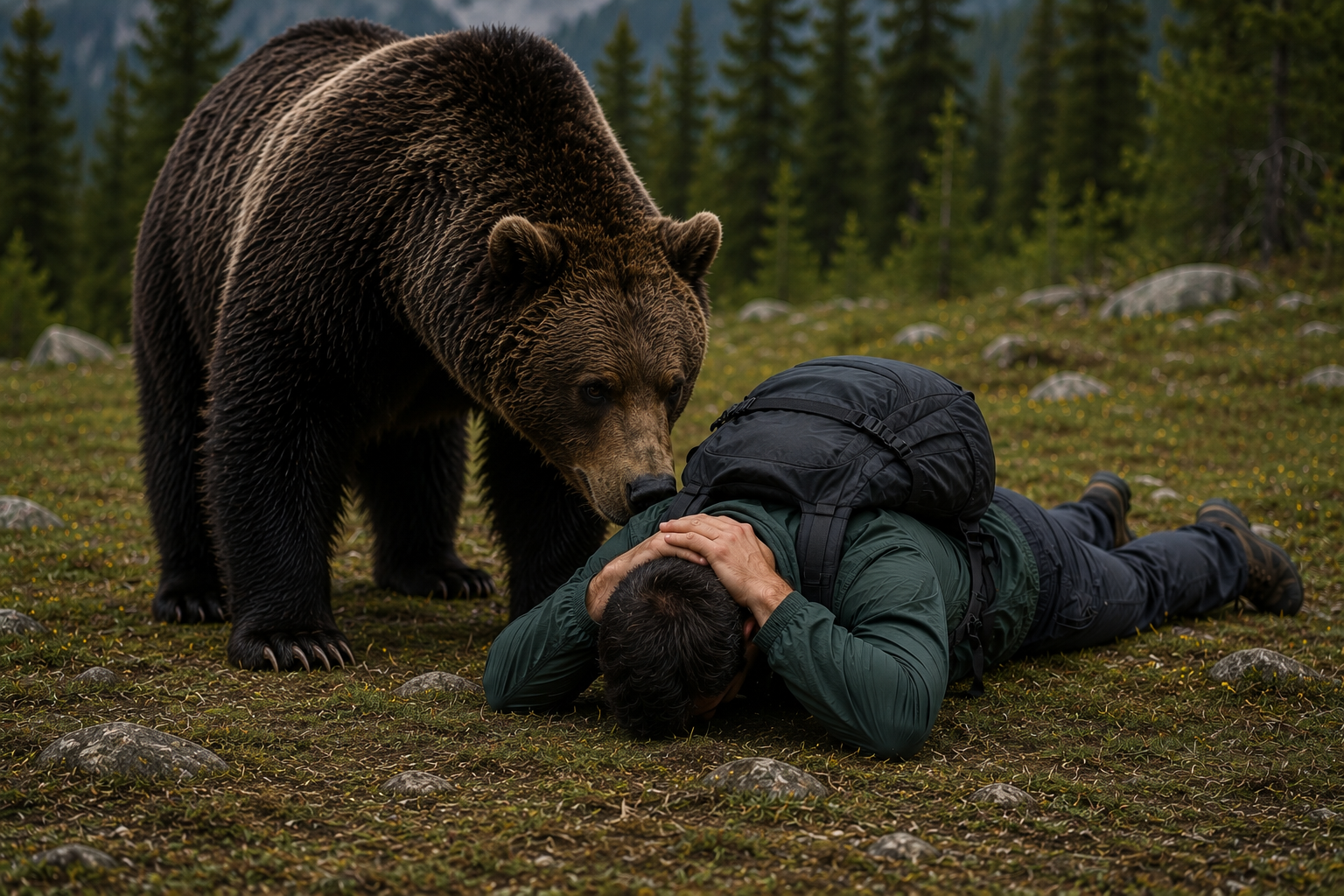
බිම දිගාවෙන්න බඩ පොළවට වදින විදියට, මුහුණ පොළවට ලක් කරන්න පුළුවන් තරම්. බැක් පැක් එක පිටේ තියෙනවා නම් ඒක එහෙම තියෙන්න දෙන්න, ඒකත් ආරක්ෂාවක් වෙන්න පුළුවන්. දැන්, කකුල් දෙක දෙපැත්තට කරන්න V අකුර වගේ. මොකද, තව ටිකකින් වලහ කරන්නේ එයාගෙ හොම්බෙන් ඔයාව පැත්තෙන් තල්ලු කරලා උඩ අතට පෙරළගන්න හදන එක. කකුල් මේ විදියට දෙපැත්තට දාල තියා ගත්තම වලහට ඕන විදියට ඔයාව රෝල් වෙන්‍නේ නෑ.අඩුම ගානේ ටිකක් හයියට ඉන්නවත් පුළුවන් පෙරලන්න හදත්දි.

දැන්, දෑතින්ම, බෙල්ලේ පිටුපස හරියට කවර් කරගන්න , මොකද ඔතැනට කෙටුවෙත් ආයේ “මළා වගේ” රඟාපාන්න දෙයක් නෑ.

ඔන්න දැන් වළහා ,ඔයාව ‍හොම්බෙන් තල්ලු කරමින්, ඔයාගේ සුවඳ බලමින් , කෙළ ගාමින් පොඩි සද්දයක් දැම්මත්, ආයේ කාටද බය කියල හිතාගෙන කතා නොකර , චන්ඩියා වගේ හොරට නිදාගෙනම ඉන්න. දඟලන්න එපා, හැබැයි හොඳ විමසිල්ලෙන් ඉන්න වලහගේ චර්යාව ගැන. හුඟක් වෙලාවට වෙන්නේ, පොඩ්ඩක් තල්ලුවක් දාලා, හාද්දක් දීලා එයාල යන්න යන එක. හැබැයි එහෙම වුන ගමන් නැගිටල ලයිව් වීඩියා් දෙන්න හදන්න නම් එපා. එයා ගියා කියල හොඳටම තහවුරු වුනාට පස්සේ පරිස්සමෙන් ප්‍රදේශයෙන් ඉවත් වෙන්න, දැනුවත් කළ යුතු ආයතන දැනුවත් කරන්, හදිසි උදව්වක් ඕන නම්, 911ට කතා කරන්න.

අවුරුදු දහයක් විතර වලස්සු බහුල කැලෑ වල කාළය ගත කළා, හයික් ගියා, ටෙන්ට් කෑම්පිං කළා, වනාන්නරේ පුහුණු නියෝජිතයන් විදියට ප්‍රජාව දැනුවත් කළා,හැබැයි කවදාවත් මේ අන්තිමට කියපු අවස්ථාවට මුහුණ දෙන්න වුනේ නෑ, ඉඹලා බදාගන්න හිතෙන තරමට ළං වුනු බෙයාල හිටියා, කකුල් දෙකේ හැප්පිලා අම්මගෙන් බැනුම් අහපු බෙයා බබාල එක්ක අත්දැකීම් තිබුණා, හැබැයි මේවනතුරු කවදාවත් අපේ හිත් රිද්දන අවස්ථාවකට මුහුණ දෙන්න වුනේ නම් නෑ. මේ ලිව්වේ ඒ අත්දැකීම් සහ දැනුවත් වී‍ම් ඔස්සේමයි.

එහෙම නම්, ඊළඟ සතියේ බෙයාටත් වඩා භයානක, වේගවත් තවත් වන මිතුරෙක්ගෙන් විය හැකි අවදානමක් කතා කරමු.

2026/07/17

Welcome to Canada- Part 13

📄 More Than Just a Signature

Finding your first rental home in Canada is an exciting milestone. After searching for the right neighbourhood, visiting apartments, and finally receiving approval from a landlord, you are usually asked to sign a lease agreement. Many newcomers see this as just another form to complete before collecting the keys.

In reality, a lease agreement is much more than paperwork. It is a legal contract that outlines the rights and responsibilities of both the tenant and the landlord. Once signed, both parties are expected to follow the terms of the agreement. Taking time to understand the lease before signing can prevent many misunderstandings later.

⚖️ A Legal Agreement

One of the first things newcomers should understand is that rental laws in Canada are governed by each province and territory. While the basic principles are similar across the country, the exact rules about rent increases, security deposits, notice periods, and tenant rights may differ depending on where you live.

Your lease should clearly state important information such as the rental address, the monthly rent, when rent is due, how long the lease lasts, and which services are included. It should also explain any additional conditions that both the landlord and tenant have agreed to follow.

Never feel rushed into signing a lease. A reputable landlord will give you enough time to read the agreement carefully and ask questions if something is unclear.

💰 Understanding Your Financial Responsibilities

Many newcomers focus only on the monthly rent, but a lease may include other financial responsibilities as well.

Before signing, make sure you understand exactly what is included. Some rentals include heat, water, or electricity, while others require tenants to arrange and pay for these services separately. Internet, parking, storage, and tenant insurance may also be additional costs.

Knowing your total monthly expenses before moving in will help you manage your budget and avoid unexpected surprises.

🏠 Understanding Your Rights

One of the strengths of Canada's rental system is that tenants have legal protections. A landlord cannot simply change the rules whenever they choose. Most provinces have laws that regulate rent increases, entry into the rental unit, maintenance responsibilities, and the process for ending a tenancy.

For example, landlords generally cannot enter your home whenever they wish. Except in emergencies, they are usually required to provide proper notice before entering the property. Likewise, major rent increases and evictions must follow provincial laws rather than personal decisions.

Understanding these protections helps newcomers feel more confident and prevents unnecessary worry.

🤝 Understanding Your Responsibilities

Legal protection also comes with responsibilities.

As a tenant, you are expected to pay rent on time, keep the property reasonably clean, avoid damaging the unit, and respect your neighbours. If maintenance issues arise, informing the landlord promptly helps prevent small problems from becoming larger ones.

Building a respectful relationship with your landlord often makes renting a much more positive experience. Good communication benefits everyone involved.

🚫 Be Careful of Rental Scams

Unfortunately, newcomers are sometimes targeted by rental scams because they are unfamiliar with the Canadian housing market.

Be cautious if someone asks you to send money before you have viewed the property, refuses to provide a written lease, or claims they are unable to meet you in person while requesting large deposits. If an offer seems unusually cheap compared to similar rentals, take extra time to verify that it is legitimate.

A genuine landlord should be willing to answer your questions and provide a written lease agreement before asking you to commit financially.

📝 Keep Good Records

After signing your lease, keep a copy in a safe place. It is also helpful to save receipts for rent payments and keep copies of important emails or messages with your landlord.

If there is ever a disagreement, having clear records can make resolving the situation much easier. Good documentation protects both tenants and landlords and encourages fair communication.

🌱 Reflection: Knowledge Brings Confidence

Signing your first lease in Canada may feel intimidating.

The document may contain unfamiliar legal language, and you may worry about making the wrong decision.

That feeling is completely normal.

The important thing is not to sign quickly, but to sign wisely.

A lease is more than permission to live in a home. It is an agreement built on mutual rights, responsibilities, and respect.

When you understand what you are signing, you begin your tenancy with confidence instead of uncertainty.

Years from now, you may not remember every word that was written in your first lease agreement.

But you will remember the feeling of unlocking the door to your first Canadian home, knowing that you had taken another important step toward building a secure and stable life for yourself and your family.

Welcome to Canada- Part 14

⚖️ Knowing Your Rights Is Just as Important as Knowing Your Responsibilities

One of the biggest adjustments for many newcomers is learning how Canada's rental system works. In some countries, landlords have almost complete control over a property, while in others, tenants have very few legal protections. Canada follows a different approach. The law is designed to balance the rights of both landlords and tenants. Understanding that balance is one of the best ways to avoid misunderstandings and enjoy a positive rental experience.

As someone who has worked with housing-related matters for many years, one piece of advice I often give newcomers is this: most rental disputes happen because one or both parties do not fully understand their legal rights and responsibilities. A little knowledge at the beginning can prevent a great deal of stress later.

🏠 Your Right to a Safe Home

When you rent a home in Canada, you are not simply paying for four walls and a roof. You are paying for a home that should be safe, clean, and reasonably maintained.

Landlords are generally responsible for ensuring that essential services such as heating, plumbing, electricity, and the overall condition of the property meet legal standards. If something breaks because of normal wear and tear, it is usually the landlord's responsibility to arrange repairs within a reasonable time.

This does not mean every repair happens immediately, but it does mean tenants have the right to expect that serious maintenance issues will be addressed appropriately.

🚪 Your Right to Privacy

Many newcomers are surprised to learn that landlords cannot simply enter a rental unit whenever they wish.

Although the landlord owns the property, it becomes your home during the tenancy. Except for emergencies or situations permitted by provincial law, landlords are generally required to provide proper notice before entering the rental unit.

This legal protection helps ensure that tenants can enjoy their homes with privacy and peace of mind.

💰 Your Responsibility to Pay Rent

Just as tenants have legal rights, they also have important responsibilities.

The most obvious responsibility is paying rent in full and on time. Rent is a legal obligation under your lease agreement. Repeated late payments can lead to serious problems and, in some situations, may become grounds for ending the tenancy under provincial law.

If you experience financial difficulties, it is usually much better to communicate with your landlord early rather than ignoring the problem. Honest communication often leads to better outcomes than silence.

🧹 Taking Care of the Property

A rental home should be treated with the same care you would give a home you own.

Tenants are expected to keep the property reasonably clean, avoid unnecessary damage, and report maintenance problems promptly. Small issues such as a leaking faucet or water stain may seem minor, but reporting them early can prevent much larger and more expensive repairs later.

Looking after the property is not only respectful, but it also helps protect your own living environment.

🤝 Respecting Your Neighbours

Living in Canada often means sharing walls, hallways, parking areas, or common spaces with other people.

Tenants have a responsibility to avoid unreasonable noise, respect shared facilities, dispose of garbage properly, and follow building rules. Small acts of consideration help create a pleasant community for everyone.

Many rental disputes are not about the property itself but about how neighbours interact with one another.

📄 When Problems Arise

No tenancy is perfect. Repairs may be delayed, misunderstandings may occur, or disagreements may arise about responsibilities.

When this happens, your first step should always be respectful communication. Many issues can be resolved simply by discussing the problem calmly and keeping written records of important conversations.

If a dispute cannot be resolved, every province and territory has laws and dispute resolution processes that help landlords and tenants resolve disagreements fairly. Neither side should take matters into their own hands by ignoring the law.

🚫 What Landlords Cannot Do

Many newcomers worry that they could be asked to leave their home at any time or that the landlord can do whatever they want because they own the property. Fortunately, Canadian tenancy laws provide important protections for tenants.

In most provinces, a landlord cannot simply enter your rental unit whenever they wish. Except for emergencies or situations specifically allowed by provincial law, landlords are generally required to give proper notice before entering your home. The notice usually explains why they need to enter, the date, and an appropriate time for the visit. Emergencies, such as a fire, gas leak, burst water pipe, or another situation that threatens the safety of people or the property, are exceptions where immediate entry may be permitted.

Landlords also cannot install cameras or recording devices inside your private living space to monitor your activities. Bedrooms, bathrooms, living rooms, kitchens, and other areas that are part of your rental unit are considered your private space. Secretly recording tenants inside these areas would generally violate Canadian privacy laws and could have serious legal consequences. Security cameras may be installed in common areas, such as building entrances, hallways, parking lots, or outside the building, but they must be used for legitimate security purposes and comply with privacy legislation.

Similarly, landlords cannot evict tenants simply because they change their mind or wish to rent the property to someone else. In most situations, evictions must follow provincial residential tenancy legislation, include legally recognized reasons where required, and follow proper notice procedures.

Landlords also cannot usually increase rent whenever they choose. Most provinces have rules governing when rent can be increased, how much notice must be given, and in some provinces, limits on the amount of the increase.

If you believe your landlord has entered your home illegally, violated your privacy, installed unauthorized surveillance equipment, or failed to follow tenancy laws, keep records of what happened and contact your provincial residential tenancy authority. These organizations exist to protect both tenants and landlords and to ensure that disputes are resolved fairly under the law.

🌱 Reflection: Rights and Respect Go Together

Some people focus only on their rights.

Others focus only on their responsibilities.

The healthiest tenancy is built on both.

When landlords respect the law and tenants fulfil their responsibilities, trust develops naturally. Homes become more stable, communication becomes easier, and small problems are less likely to become major disputes.

Your rental home is more than a place to sleep.

It is where your family feels safe, where your children build memories, and where your new life in Canada begins.

Knowing your rights protects that home.

Fulfilling your responsibilities helps preserve it.

Together, they create the foundation for a successful tenancy and a positive start to your new life in Canada.

2026/07/13

නගින බහින චක්කරේ

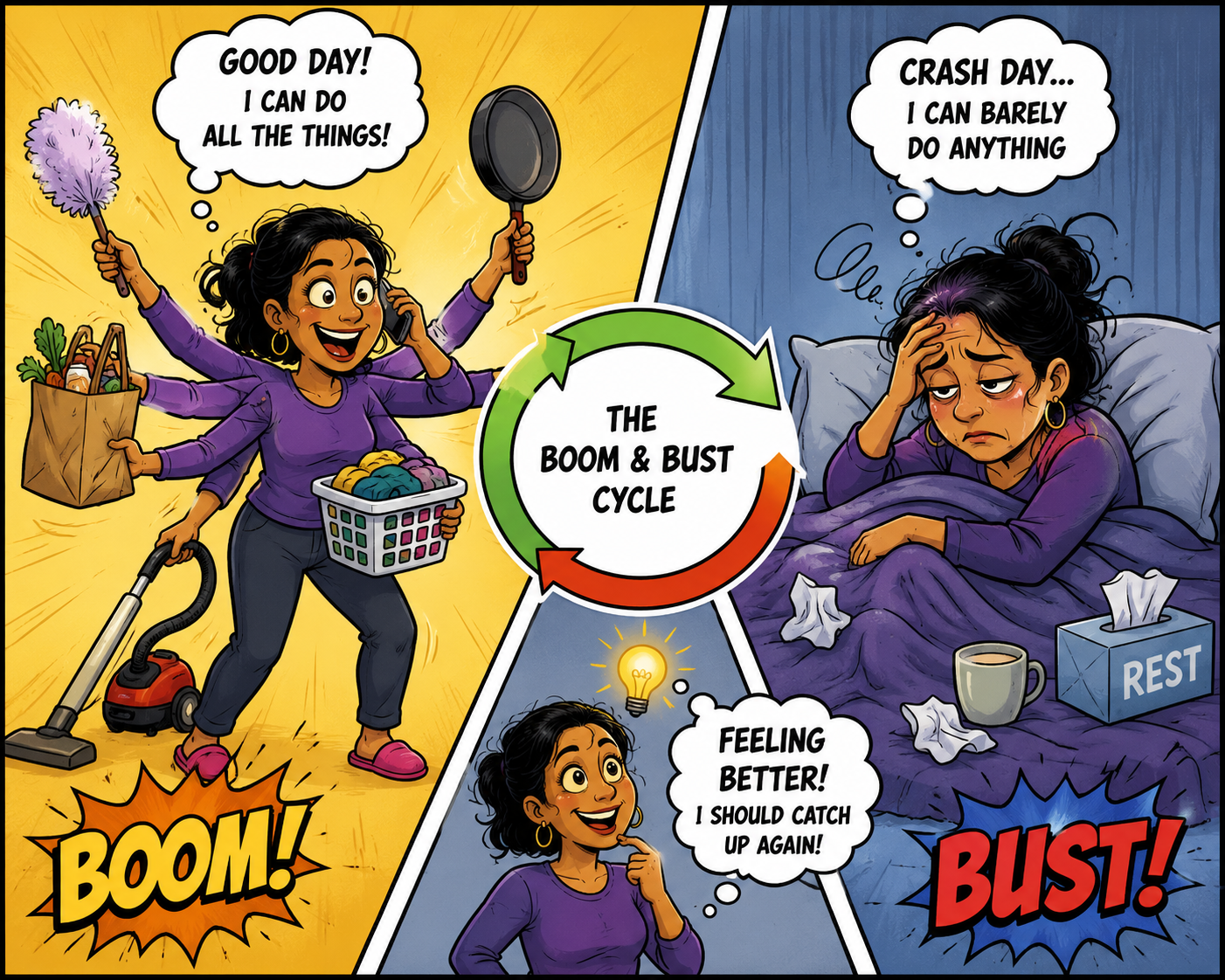
මොකක්ද මේ Boom and Bust Cycle එක.?

මේ නම අපට නුහුරු වුනාට මේ අත්දැකීම ‍ෆයිබ්‍රොමයැල්ජියාව සමඟ ජීවත්වන්නෙක් අත්විඳින “සාමාන්‍ය” තත්ත්වයක්. සමහර විට මෙම තත්ත්වය පමණක් නොවේ, දැඩි කායික වේදනාවන් සමග කාළයක් තිස්සේ ජීවත් වන Chronic pain syndrome (CPS) අයෙකු වුනත්, මුහුණදෙන, අත්විඳින තවත් ගැටළුකාරී තත්ත්වයක්.

වෙන්නේ මෙහෙම දෙයක්, ෆයිබ්‍රොමයැල්ජියාව හෝ ඊට පසුව කී Chronic pain syndrome (CPS) වගේ තත්ත්වයක් එක්ක ජීවත්වන අයෙක් මුහුණදෙන ලොකුම ගැටළුව, තමන්ගේ දවසේ කටයුතු , වගකීම් කරගන්නට , හෝ සාර්ථක ලෙස සපුරා ගන්නට බැරිවන තරමට ඇති වන කායික වේදනාව. මේ කායික වේදනාව නිසා, සමහර දවස් වල දවසේ වැඩ කරගන්න අපහසු නිසා, එහෙම නැත්නම් රාජකාරිය, රැකියාවේ වගකීම් හරියට කරගන්න බැරි නිසා, මානසිකවත් ලොකු පීඩනයකට පත් වෙනවා.

දැන් මෙහෙම කායික සහ මානසික පීඩනයකින් ඉන්න අතරේ එක දවසක් “හරිම අපූරු දවසක්” විදියට, ඒ කිව්වේ වෙනදාට වඩා වේදනාව අඩු, හිතට හයියක් දැනෙන දවසක් වගේ ලැබෙන්න පුළුවන්. ඔන්න ‍මේ “හොඳ දවස” දැනෙන්න පටන් ගත්තම මේ පුද්ගලයා මොකද කරන්නේ, වෙනදා කරන්න තිබුණූ වැඩයි, එකතු වෙලා තිබුණූ වැඩ කටයුතුයි සේරම කරලා, ගෙවල් දොරවල් අස්පරස් කරලා, දවස පුරාම නැත්නම් වෙනදාට වඩා වැඩි කාළයක් , වෙනදාට වඩා වැඩි කායික වෙහෙසෙක් දරන්නට පෙළඹෙනවා. “පෙළඹෙනවා” කිව්වේ, ඒ සඳහා මානසිකවත් පොඩි තල්ලුවක් දැනෙනවා.

මේ “හොඳ දවස” අවසානයේ මොකද වෙන්නේ, හොඳටම මහන්සියි, ආයෙ දවස් ගාණක් ඇදෙන් නැගිටින්න බැරි තරම් මහන්සියි. ප්‍රතිපලය වෙන්නේ, ඊළඟ දින ගණනාවම සාමාන්‍ය ලෙස කරමින් තිබූ වැඩ කටයුතු, කායික ක්‍රියාකාරකම්වත් නොකරමින් , සම්පුර්ණයෙන්ම කායිකව දුර්වල වූ තත්ත්වයකට පත් වෙනවා. මේ උඩ යට යන රටාව තරම් ෆයිබ්‍රොමයැල්ජියාව ගැන කතා කරත්දි Boom and Bust Cycle ලෙස හදුන්වන්නේ. ෆයිබ්‍රොමයැල්ජියාව සමඟ ජීවත්වන අයෙක්ගේ Bust එකේදි, වෙනත් අයට වගේ කායික වෙහෙසක් විතරක් නොවෙයි, එයාගේ බුද්ධිමය හැකියාවන්, තීරණය ගැනීමේ හැකියාවන් වගේ දේවල් වලත් දුර්වල වීමක් , අඩුවීමක් වෙනවා.

මේ ගැටළු නිසා වගේම, මෙම චක්කරේ වරින්වර ඇති වීම නිසාත්, ඒ පුද්ගලයාගේ කායික, මානසික වගේම චිත්තවේගීය සෞඛ්‍යයත් අවදානමකට ලක් වෙනවා. කායිකව ක්‍රමයෙන් තවත් දුර්වල වීම , පේෂී වල ශක්තිමත් බව අඩුවීම වගේම, ඒ සියල්ලම නිසාම මානසිකවත් බිඳුනු තත්ත්වයකට පත්වෙන්නට පුළුවන්. ඒ වගේම නිසි විමසිලිමත් බව සහිතව නිවැරදි සෞඛ්‍යයමත් වෙනස්වීමක් නොවුනොත්, මේ චක්කරේ පුද්ගලයාට ටිකෙන් ටික බිඳවනවා.

ඒ නිසා, මේ Boom and Bust Cycle එක බිඳින්න, කළ යුතු හොඳම සෞඛ්‍යයමත් ක්‍රමය විදියට හදුන්වා දෙන්නේ පේසිං, pacing. මොකක්ද මේ පේසිං කියන්නේ, හරිම සරළ උපක්‍රමයක්. කරන්නේ මෙහෙමයි, තමන්ගේ “ඇඟට දැනෙන තත්ත්වය” අඩුව කරන ක්‍රියාකාරකම්, වැඩපල, කායික වෙහෙසවීම් අඩු වැඩි කරන්‍නේ නැතිව, හැමදාම හෝ වැඩි දින ගාණක් , තමන්‍ගේ වේදනාව අසාමාන්‍ය ලෙස වැඩි නොවන මට්ටමේ , ක්‍රියාකාරකම් ප්‍රමාණයක් කරගෙන යනවා.

මේක තේරෙන බාසාවෙන්ම කිව්වොත්, Boom එකේ ඉන්න කෙනෙක් “හොඳ දවස” දැනුනු ගමන්, බොහොම කළබලෙන්, මහන්සියෙන්, විවේකයක් ගැන හිතන්නෙවත් නැතිව මුළු ගේම අස්කරලා, මිදුලත් අතුගාල, රෙදිත් ‍ඔක්කොම හොඳල තව දවස් දෙක තුනක් Bust වෙලා ඉන්න අතරේ, pacing ගැන අවධානයෙන් කටයුතු කරන කෙනා හැම දවසකම වගේ මේ හැම වැඩක්ම ටික ටික කරගෙන යනවා. මහන්සිය, වේදනාව හුඟක් ඉහළ නොයන මට්ටමක ගෙදර වැඩත් , සමහර විට රෙදි කීපයකුත් හෝදලා පොඩි විවේකෙකුත් අ‍රගෙන අපහසුතා අවම කරගෙන ජීවත්වන අළුත් “ජීවන කුසලතාවයකට” හුරු වෙනවා. එය, ෆයිබ්‍රොමයැල්ජියා සහ ඒ ආශ්‍රිත කාළීන වේදනාමතුවන සෞඛ්‍යය ගැටළු, තත්ත්ව වලදි හරිම වැදගත් “ජීවන කුසලතාවයක්”.

මේ පේසිං එක කරත්දි වැදගත් උපක්‍රම කීපයක් අනුගමනය කළ යුතු වෙනවා. ඒ ගැන කෙටියෙන්ම මෙහෙම කියන්නම්,

“වැඩ කඩා ගන්න”

මුළු වැඩේම එකපාරට කරනවා වෙනුවට, සම්පුර්ණ ක්‍රියාකාරකම , කුඩා කොටස් වලට කඩා ගන්න. (උදාහරණයක්, මුළු ගේම එකපාරට අස් කරනවා වෙනුවට, එක එක කාමරේ අස් කරන්න, විවේකයක් ගන්න, කැමති නම් වාඩිවෙලා සිංදුවක් අහන්න, ඊළඟ කාමරේ ටිකක් පිළවෙල කරන්න, තමන්ගේ සීමාව දැනෙනවා නම්, ඊළඟ කාමරේ හෙට අස්පරස් කරන්න. )

“විවේක කාලය”

මේ අය වැඩ කටයුතු අතරේ නිශ්චිත කාළ සීමාවකට හෝ නිශ්චිත කායික වෙහෙසෙ වීම් මට්ටමකට වතාවක් “විවේක කාළයක්” ලබා ගැනීම හරිම වැදගත්. මේ විදියක කියන්නේ, කරන කටයුත්තෙන් ඉවත් වෙලා විනාඩි කිහිපයක්, එහෙම නැත්නම් වැඩි වන බව දැනෙන වේදනාව නැවතත් අඩු වෙලා, මහන්සිය අඩුවන තරමට වත් (හෝ සැලසුම් කළ විනාඩි ගාණක්) විවේකයෙන් ගත කරන එක.

“වැටෙන්න පෙර විවේකය”

මේ කී විවේක කාළය ගන්න ඕන, හොඳමට මහන්සිවෙලා, වැටෙන තරමට වුනාම නොවෙයි, එය time-based or quota-based , එහෙම නැත්නම් සැලසුම් කළ කාළයකට වතාවත් හෝ ක්‍රියාකාරම් කිහිපයකට වතාවත් ගන්න එකයි වාසි.

“සිත-කය මාරු කරන්න”

මේ කිව්වේ, මොකක් හරි ආගමික හෝ අධ්‍යාත්මක අදහසින් නොවෙයි. සිත කය මාරු කරන්න කිව්වේ, එක දිගම කායික ක්‍රියාකාරකම් හෝ එක දිගටම මොළය වෙහෙසවන ක්‍රියාකාරම් වල යෙදෙනවාට වඩා, එය මාරුවෙන් මාරුවට විවේක සහිතව කිරීම වඩාත් සාර්ථකයි. රාජකාරියේ වගකීමක් විදියට ලොකු ගිණුම්කරණ කටයුත්තක යෙදිල නම් ඉන්නේ, එක දිගටම මේකම කරන්නේ නැතිව ඔළුව වෙහෙසන්නේ නැතිව, පැයකට වතාවක්, විනාඩි තුන හතරක් ගණන් හදන වැඩේ නවත්තල ටිකක් ඇවිදල එන්න, නැත්නම් විවේක කාමරය ගිහින් යාළුවෙක් එක්ක කතා කරල එන්න.

“හිමින් නග්ගන්න”

දැන් ෆයිබ්‍රොමයැල්ජියාව සමඟ ජීවත්වන අයෙක් හැමදාම අඩුවෙන් වැඩ කළ යුතුමයි කියල නීතියක් නෑ. මේ කියූ විදියට පේසිං එක්ක වැඩ කටයුතු කරගෙන යත්දි , ක්‍රමයෙන් තමන්ට දරන්න පුළුවන් සීමාව , සැලසුම් සහිතව , ක්‍රමයෙන් වැඩි කරන්න පුළුවන්. ලිපිය නිමා කරන්න අපේම අත්දැකීමක් මේ වෙනුවෙන් එකතු කරන්නම්. අපි, කැලේ පනින පවුලක් බව මගේ ලිපි කියවන හුඟක් අය දන්නවනේ. ඒ විදියට හැම සතියකම කිලෝමීටර විසි තිස් ගාණක් කැලේ , කඳු බඩගාන්න පුරුදු වෙලා හිටිය ම‍ගේ බිරිඳ, ෆයිබ්‍රොමයැල්ජියාවේ උග්‍රම අවස්ථාවෙදි “එක්තැන් වන” මට්ටමට පත් වෙනවා, ඇවිදීම තියා නැගිට සිිටීමත් වේදනාවක් වන තරමට. අප කරන්නේ, ලැබෙන ප්‍රතිකාර, උපදේශණ සහ සෞඛ්‍යය උපදෙස් ඔස්සේ ක්‍රමානුකූලව සහ සැලසුම් සහගතව ක්‍රියාකාරකම් ක්‍රමයෙන් වැඩි කරන එක. මේ සැලසුමේ සාර්ථකත්වය අපට දැනෙන්න දෙමින් , පහුගිය සති අන්තයක ආයෙත් අපේ වන සංචාරයට බිරින්දෑත් හවුල් කරගෙන, කි‍ලෝමීටර දහයකට කිට්ටුව කන්දක් බඩගාන්න පුළුවන් වෙනවා. මේක කිව්වේ, අපේම අත්දැකීමක් විදියට, වගේම යම් අයෙක් ෆයිබ්‍රොමයැල්ජීයාව සමඟ ජීවත්වනවා නම්, ඒ නිසාම හිතින් වැටිලා නම් ධෛර්යයක් වන්නට. ඔව් අපට පුළුවන්, හැබැයි නිසි සෞඛ්‍යය උපදෙස්, ප්‍රතිකාර සහ සැලසුම් සහගත සත්කාරයක් ඔස්සේ.

අදට ඇති, තවත් ලිපියකින් නැවත හමුවෙමු.

2026/07/10

💖 අළුත් රටේ ආදරේ 💔

“අයියා, මට ටිකක් ඔයත් එක්ක කතා කරන්න පුළුවන්ද?”

රැකියාවේ වගකීම් වෙනුවෙන් නගරය පුරා එහෙ මෙහෙ යන අතරේ මැසෙන්ජරය ඔස්සේ ආ පණිවිඩයක් ෆෝන් එක් තිර‍යේ මතුවුනා. රාජකාරි වෙලාව ඇතුලේ සමාජ මාධ්‍යය එක්ක වැඩිය නොගැවසෙන නිසා, දවසේ වැඩකටයුතු හමාර කරලා ගෙදර ඇවිත් ඒ මතුවුනු පණිවිඩය ගැන ටිකක් හොයා බැලුවා.

කාළෙකට ඉස්සර වෙලා එක්තරා රටකට සංක්‍රමණය වුනු, ඒ සතුට මාත් එක්කත් බෙදාගත්ත තරුණ දරුවෙක්ගෙන් ලැබුණූ පණිවිඩයක්. වයසින් ගත්තොත් මගේ දරුවෙක්ගේ වයස් සීමාවේ කිට්ටුව හිටියත් ,”අයියේ” කියන්න ඇත්තේ තිබුණූ හිතවත්කම නිසා කියල හිතාගෙන පමාවට හේතුවත් එක්ක අවශ්‍ය නම් කතාබහ කරන්නට අවස්ථාවක් දෙමින් උත්තරයක් දැම්මා. විනාඩි කිහිපයකදි ලොකු කතාවකට ආරම්භයක් දුන්නා. පැයකට කිට්ටුව කාළයක් පුරා ඔහුගේ කතාවට සවන් දුන්නේ, එකක් ඔහුට “කියා හිත නිදහස් කරගන්නට” යමක් තිබුණූ බව හැඟුණූ නිසා, අනෙක කුමක් හෝ අදහසක් මගෙන් බලාපොරොත්තු වන බව දැනුනු නිසා.

කතාවේ සාරාංශය වුනේ, අළුත විවාහ වුනු , තරුණූ යුවලක් විදියට, කාළයත් තිස්සේ සැලසුම් කර අභීයෝග ගනිමින් සාර්ථක කරගත් “වෙනත් රටක පදිංචිවීමේ” සිහිනය ජයගෙන, ඒ සතුට විඳින අතරේම මතුවන සංකීර්ණ අභියෝගයක් ගැන. “අයියේ, මටත් දැන් එයා ‍එපා වෙන තරමට, මං හිතන්නේ එයාටත් දැන් මගෙන් වැඩක් නෑ වගේ” තවත් හුඟක් දේ කියාගෙන ගියා. ඒ එක්කට ඔහු කී කතාවේ , ‍නොකියා දැනෙන්නට දුන් කතාවේ සහ නොකියා සඟවා ගත් කතාවේ බර දැනුනු නිසා, සහ මේ සමාන කතාවක් අහන පළමු අවස්ථාවත මෙය නොවන නිසා ඔහුට කළ හැකි දේ ගැන යෝජනා කිහිපයක් ලබා දීලා, මේ ගැටළුව ගැන අපේ ෆේස්බුක් ගෲප්ස් වලට යමක් ලියන්න හිතුණා. ඒ, පහුගිය අවුරුදු කිහිපය පුරා, මීට සමාන අවස්ථා ගැන අහන්නට ලැබීම වගේම, ඒ සිදුවීම වල නිමාවන් තුල වූ අවාසනාවන්ත තත්ත්වයන් ගැන දැන ගන්නට ලැබීමත් නිසා.

දැන් බලමු මොකක්ද මේ , මෙතෙක් පැහැදිලි‍ නොකළ කතාව කියලා.

කෙටියෙන්ම කිව්වොත්, මේකයි කතාව.
ලොකු බලාපොරොත්තු ‍පොදි බැඳගෙන, අභියෝග ගණනාවකට මුහුණදීලා, හීනයක් වගේ තිබුණූ අදහසක් ජයග්‍රහණය ක‍රලා, තමන් කැමති රටකට පදිංචියට එන යුවලක් , ඒ රට තුල මුල් වසර කිහිපය ගත කරත්දි, දෙන්නා අතර බැඳීම් ක්‍රමයෙන් දුරස් වෙන්නට පටන් ගන්නවා. කතාව දිගු නොකර අවසානය කෙටියෙන් කිව්වොත්, මේ දුරස් වීම, පවුලේ සතුට බිඳ දමනවා පමණක් නොවෙයි, කායිකව සහ මානසිකව පීඩා විඳිමින් පවුල තුල ජීවත්වන තත්ත්වයක් හෝ එයින් එහාට ගිහින්, නීතිමය වශයෙන්ම ඔවුන් අතර ඇති බැඳීම් බිඳ දමා වෙන් වීමකින් හෝ දික්කසාදයකින් දුරස්වන තරමට එන සිදුවීම.

කෙසේ වෙතත්, මේ ලිපිය තුල යුග ජීවිතේ ගැන, වෙන්වීම්, දුරස්වීම් හෝ දික්කසාදය ගැන හොඳ නරක ලියන්නට උත්සාහ කරන්‍නේ හෝ ඒ ගැන මගේ අදහස සමාජගත කරන්නට යන්නේ නැහැ. මගේ අවශ්‍යතාවය වෙන්නේ, නව සංක්‍රමණික ජීවිතය තුල මතුවිය හැකි, මුහුණදිය හැකි මේ තත්ත්වය , ඇති වීමට හේතු, මුල් අවස්ථාවේම හදුනාගැනීම, සංකීර්ණ වන බව පෙන්වන ලක්ෂණ වගේම දෙදෙනාගේ සතුට, පවුලේ බැඳීම වෙනුවෙන් වඩාත් යහපත් සහ සෞඛ්‍යයමත් බැඳීමක් නැවත පණ ගන්වා ගැනීමට කළ හැකි, කළ යුතු හෝ අඩුම තරමේ හිතා බැලිය යුතු කරුණූ කිහිපයක් එකතු කරන්නට. මේ කරුණූ එකතු කිරීම තුල ප්‍රජා සෞඛ්‍යය වෘත්තිකයෙන් ලෙස මෙවන් අවස්ථා වලදි කළ යුතු මැදිහත් වීම් වෙනුවෙන් ලැබෙන දැනුවත්වීම්, උපදෙස් වගේම , සංක්‍රමණික ජීවිතයේ අත්දැකීම් ලැබූ , අඩසිය වසරකට වඩා ජීවිතේ අත්දැකීම් ලැබූ වැඩිහිටියෙක් ලෙස තමයි ම‍ගේ අදහස් එකතු වෙන්නේ. ඒ හැර, පවුල් උපදේශණය කරන්නෙක් හෝ මනෝ උප‍දේශකයෙක් ලෙස “රඟපාන්නට” උත්සාහ කරන්නේ නැහැ. ඒ නිසාම, මේ ලිපිය තුල වැරදි ඇත්නම්, වඩාත් නිවැරදි විය යුතු තැන් ඇත්නම් එකතු කරන්නට ඔබට ආරාධනා කරන අතරේ, වැඩිහිටියෙක් ලෙස කියවා , වටහා ගැනීමට සහ අවශ්‍ය තැන තව දුරටත් සොයා , විමසා ඔබට වඩාත් ගැලපෙන උත්සාහට දැරීමට ආරාධනා කරනවා.

එහෙම නම් මෙන්න කතාව.

සංක්‍රමණය කියන්නේ සත්ව පරිණාමයේ, විශේෂයෙන්ම “මිනිස්” විශේෂයේ අද පවතින තත්වය දක්වා ආ ගමනේ වැදගත් ප්‍රධාන පියවරක්. ආහාර, ආරක්ෂාව, ගැලපෙන පරිසර තත්ත්ව, කණ්ඩායම් වෙන්වීම වගේ විවිධ හේතු නිසා අතීතයේ මේ මානව සංක්‍රමණය සිදු වුනත්, අද නූතන ලෝකය තුල ඊට වඩා සංකීර්ණ අරමුණූ වෙනුවෙන් තමයි සංක්‍රමණය සිදුවන්නේ. රැකියාව, ඉහළ අධ්‍යාපනයක් ලබා ගැනීම, යහපත් ජීවිතයක් තමන්ට හෝ තම දරුවන්ට ලබා දීමට , නිදහස බලාපොරොත්තුවෙන් වගේම, අළුත් ජීවිත රටාවක් පටන් ගැන්මේ අරමුණින් ‍අද දවසේ මේ සංක්‍රමණය සිදුවෙනවා. කෙටියෙන් කිව්වොත්, fresh start එකක් අරමුණූ කරගෙන, කාළයක් ජීවත් වූ ගම, රට, ඥාතීන් හැරදාල වෙනස්ම සංස්කෘතියක රටකට ජීවත්වන්නට, පදිංචි වන්නට එනවා කියන්නෙම අභියෝගයක්. ඒ ගමන තුල ඉන්‍නේ යුවලක් නම්, අභියෝගය තවත් සංකීර්ණ ඇති, දරුවන්ද එකතුවන්නේ නම් මේ කියන සංකීර්ණත්වය තවත් වැඩි වෙන්නටත් පුළුවන්.

ඉතින්, ඒ අභියෝගයත් බාර අරගෙන, එය දිනාගෙන අළුත් රටකට එන්නේ fresh start එකකට වුනත්, ඒ ආරම්භය හිතන තරම්ම සුවදායකද? fresh ද?

මේ ප්‍රශ්නය අළුත් රටකට සංක්‍රමණය වූ පිරිසකගෙන් ඇහැව්වොත් මිශ්‍ර උත්තර ලැබෙන්නට පුළුවන් වුනත්, අඩුම ත‍රමේ මේ ගමනේ ආරම්භය , අළුත් රට තුල මුල් මාස කිහිපය, අවුරුද්ද දෙක වගේ කාළයවත්, “හිතූ තරම්” සුව-සතුටුදායක නොවූ බව අහන්නට ලැබේවි. මේකෙන් කියන්නේ නෑ හැමදේම නරකට පත් වුනා කියලා, නමුත් fresh start එකක් බලාපොරොත්තුවෙන් කළ ආරම්භය හිතුවාට වඩා, අසා තිබුණාට වඩා, ‍හෝ සමහර විට දැනගෙන හිටියාට වඩා” බරයි” කියන දේවත් කියාවි.

දැන් මෙතැනින් එහාට මේ අළුත් බර ගැන කතා කරන්නේ, විවාහක යුවලකට අදාලව. හේතුව තමයි ලිපිය ලියන්න‍ හේතුවුනු කතාබහ සහ ඒ ඔස්සේ බෙදා ගන්නට උත්සාහ කරන කරුණූ වැදගත් වන්නේ එවන් පවුල් පරිසරයකට නිසා.

දැන්, මේකී විදියට අළුත් රටකට සංක්‍රමණය වන යුවලක්, පෙර කී අභියෝග වලට මුහුණදීලා, ඒවා ජයග්‍රහණය කරගෙන නැවුම් “සතුට” මුසු තවත් හැඟීම් ගොන්නක් හිතේ දරාගෙන අළුත් පොළොවට පය තබන්නේ. ඒ පය තැබීමම ජයක් වුනත්, සැමරිය යුත්තක් වුනත් එතැන් සිට ආරම්භ වන්නේ, තවත් අභියෝග මාලාවක්. අළුත් රට තුල ආරක්ෂිත වීම, ස්ථාවර වීම, සමාජීය ලෙස බැඳීම වගේ මාතෘකා තුලට කෙටි කළ හැකි අළුත්ම ප්‍රශ්න පත්තරේකට උත්තර හොයන්නට මේ යුවලට සිදුවෙනවා. මේ කටයුත්ත , අප සාමාන්‍යයෙන් කතාබහට කියන විදියට ටිකක් ස්ට්‍රෙස්ෆුල්. මේ stressfulness එකම, ඒ යුවලගේ බැඳීමට, පවුල තුල ඇති එකතුවට යම් පීඩා කිරීම් කරන්නට පටන් ගන්නවා. අන්න ඒ පීඩා කිරීම් හදුනානොගෙන, කාළයක් විඳවමින් සිටීමේ ප්‍රතිපල විදියට තමයි ලිපියේ මුලින් කී සිදුවීම් වලට මුහුණදෙන්නට බොහෝ අවස්ථා වලදි හේතු වෙන්නේ.

ඒ නිසා, අළුත් රටට ආ මේ යුවලගේ stressfulness සඳහා විය හැකි හේතු ටිකක් හදුනාගත්තොත් ඒ ඔස්සේ දෙදෙනා අතර බැඳීමට වන සහ විය හැකි හානි යම් තරමකට හෝ අඩු කරගන්නට පුළුවන් වේවි.

මේ තත්ත්වය ගැන සමාජ-මනෝ විද්‍යාත්මක පැහැදිලි කිරීම් තුල හදුනාගන්නා හේතු කිහිපයක් තියෙනවා මේ යුවල අතර ඇති බැඳීම අඩු කරවන්නට හේතුවන. අපි ඒ කරුණූ කිහිපයක් කෙටියෙන් කතා කරත්දි , ඔබ සංක්‍රමණිකයෙක් නම් ඔබේ අත්දැකීමත් ඊට ගලපා බලන්නට පුළුවන් වේවි.

අළු-කළු-සුදු සංස්කෘතිය

මුලින්ම තේරුම් ගන්න ඕන බොහොම සරළ කාරණාව තමයි අපි කොයිතරම් කිව්වත්, අපි දෙන්නම එක වගේ කියල, ඔයයි මමයි දෙන්නෙක් නොවෙයි එක් කෙනෙක් කියලා, ඇත්ත තත්ත්වය ඔබ, ඔබමයි. කිසිම හේතුවක් නිසා, බැඳීමක් තුල ඉන්න යුවලේ දෙදෙනා “සියල්ල සමාන” අය වෙන්නේ නැහැ. සාමාන්‍යයෙන් සිදුවෙන්නේ, එකිනෙකාගේ අසමානකම් ගලපාගෙන, පිළිඅරගෙන, “සමාන” හැඟීමකට කිට්ටුවෙන එක විතරයි. නමුත්, කායික, මානසික , චිත්තවේගීය පරිසරය තුල තවමත් දෙන්නේ, “වෙනස් දෙන්නෙක්”.

මේ තත්ත්වය, සංක්‍රමණිකයන් විදියට අළුත් රටකට ඇවිත්, ඒ අළුත් පරිසරයට , අළුත් සංස්කෘතියට හුරු වෙත්දිත් (acculturation ) බලපානවා. කොයිතරම් කීවත් අපි දෙන්නා, දෙන්නගේ කැමැත්තෙන්මයි, දෙන්නම ප්ලෑන් කරලා , අ‍පේ දරුවෝ වෙනුවෙන්ම මේ රටට ආව කියල, අර හැඩ ගැහීමේ ක්‍රියාවලිය තුල යම් පරස්පරතා තියෙන්න පුළුවන්.

කෙනෙක්, මේ විදියට අළුත් රටකට, අළුත් සංස්කෘතියකට හැඩ ගැසීමේ ක්‍රියාව තුල තෝරාගන්න (දැනුවත්ව හෝ නොදැනුවත්ව) ප්‍රධාන ක්‍රම හතරක් සමාජ විද්‍යාත්මකව හදුනාගන්නවා. ඒ තමයි,දෙකටම බද්ධවීම (integration ), අළුත්එක අල්ලා ගැනීම (assimilation), පරණ එකේ ඇළීම (separation ) ,දෙකම අතෑරීම (marginalization ). දැන් ‍මේ අවස්ථා හතර ගැන කෙටියෙන් කතා කරමු, ඒ එක්කම අළුත රටකට ආ කෙනෙක් නම් ඔබ ‍කොතැනද කියලත් බලන්න.

දෙකටම බද්ධවීම (integration ) කියල කිව්වේ, අළුත් රටට ආ පුද්ගලයා තමන් හැදුනු වැඩුනු සංස්කෘතියේ අංග වගේම, අළුත් සංස්කෘතියේ අංශයන් වලටත් මුසු වෙනවා. තම උරුම අනන්‍යතාවය තියාගෙන, අළුත් රටේ විදියට එකතු වෙන, හැඩ ගැහෙන ක්‍රමය මේ. සරළ උදාහරණයක් විදියට ගත්තොත් අළුත් රටට ආවත් තමන්ගේ ගෙදර තුල, දරුවන් සමඟ තමන්ගේ මව් බසින් කතා කරන, උපන් රටේ ආහාර සංස්කෘතිය වරින්වර හෝ රස විඳින, ඒ උපන් , හැදුනු වැඩුනු සංස්කෘතියේ උත්සව, ඇඳුම් පැළදුම් රටාවන් අවශ්‍ය තැන් වලදි සමරමින්, විඳිමින් අළුත් රටේ නීති රීති, සමාජ රටාවන්ට ‍හොඳින් අනුගතව, රැකියාව, පාසල , සමාජය තුලදී අළුත් සංස්කෘතිය තුලට මුසුවුනු අයෙක් විදියට ඉන්නා කෙනෙක් මේ biculturalism හෝ “දෙකටම බද්ධ වූ” අයෙක් විදියට පිළිගන්න පුළුවන්. ඒ පුද්ගලයා , අවශ්‍ය තැන තම ආවේණික, උරුම අනන්‍යතාවය පෙන්නුවත්, ඉන් “විශේෂී” වුවත්, අනවශ්‍ය ලෙස “විශේෂී පුද්ගලයෙක්” වෙලා, අළුත් සංස්කෘතිය තුල වෙන්වූ පුද්ගලයෙක් වෙන්නේ නැහැ. මේ තත්ත්වය සංක්‍රමණය තුල හොඳ ආකෘතියක් විදියටයි පිළිගන්නේ.

දැන් “අළුත්එක අල්ලා ගැනීම (assimilation)” කරන පුද්ගලයා කරන්නේ, එයා හැදුනු වැඩුනු සංස්කෘතිය, උරුම අනන්‍යතාවය සම්පුර්ණයෙන්ම ඉවත දාල, සමහර විට එයට පහර ගහල , අළුත් සංස්කෘතිය, අළුත් චර්යාරටාවන් විතරක්ම එකතු කරගන්නවා, එහෙම නැත්නම් ඒ අළුත්ම රටාව තුලට ගිලෙනවා. අඳින පළදින, කතා කරන , හැසිරෙන විදිය සම්පුර්ණයෙන්ම වෙනස් වෙනවා, වෙනත් සංස්කෘතියකින්, වෙනත් රටකින් ආවාදැයි කියන්න බැරි තරමට “අළුත් එක අල්ලාගන්නා” මේ අය, අළුත් රටට, සංස්කෘතිය තුලට ඉක්මණින් එකතුවීමට හැකි වුනත්, ඒ තුල සිදුවන, “හිතාමතාම” කරන හෝ කරන්නට උත්සාහ දරන “මුල් අමතක කිරීම” , යම් අවස්ථාවක මානසික සහ චිත්තවේගීය පරිසරයට පීඩා ඇති කරන්නට පුළුවන්.

ඊළඟ අවස්ථාව “පරණ එකේ ඇළීම (separation )” කියන්නේ, මේ පුද්ගලයා අළුත් රටට ආවත්, අළුත් රට තුල ස්ථාවර වෙන්න හැදුවත් තමන්ගේ උරුම සංස්කෘතිය, හැදුනු වැඩුනු චර්යා රටාවන් අතාරින්නේ නෑ. අතාරින්‍නේ නෑ විතරක් නෙ‍ාවෙයි, අළුත් සංස්කෘතියේ, අළුත් රටේ නීති රීති , චර්යාවන්, අළුත් සංස්කෘතිය එකතු කරගන්නේම නෑ. මෙයා අළුත් රට ඇතුලේ, “පරණ ජීවිතේම” ගත කරන්නට උත්සාහ කරනවා. මේ තත්ත්වය තුල සිදුවෙන්නේ, අළුත් රටකට ආවත්, ඒ අළුත් රට තුල පරිසරයෙන්, සමාජයෙන්, බැඳීම් වලින් වෙන්වී “තනිවීමක්” සමහර විට හානිකර විදියට ලේබල් වීමක් වෙන්නත් බැරි නෑ. ‍මේ අයට අළුත් රටට, පරිසරයට අනුගත වෙන්න, ගැලපෙන්න හුඟක් මහන්සිවෙන්න වෙනවා වගේම , දැඩි මානසික, චිත්තවේගීය පීඩාවන්ට මුහුණදෙන්නටත් සිදුවෙන්න පුළුවන්.

බොහෝ වෙලාවට සිදුවෙන්නේ මේ අවස්ථා තුනෙන් එකක් හෝ කිහිපයක් අඩු වැඩි වශයෙන් මිශ්‍රව වුනත්, ඔය අළුත් එකත් නැති , පරණ එකත් නැති චර්යාවක් දක්වන අවස්ථාත් තිබෙන්නට පුළුවන් , ඒ අවස්ථාව marginalization කියලයි සමාජ විද්‍යාත්මකව හදුන්වාදෙන්නේ.

ඇයි දැන් අළුත් රටට ආ යුවලක් , බැඳීමෙන් දුරස්වීම හරි දික්කසාද වීම ගැන හරි කතා කරන්නං කියලා මේ සමාජ විද්‍යා පාඩමක් කළේ? හේතුව මේකයි මේ ඔස්සේ අපට පුළුවන් වෙනවා, මේ විදියට අළුත් රටකට සංක්‍රමණය වෙලා හැඩගැහෙන, අළුත් රටේ අභියෝග බාර ගන්න කාළේ එකිනෙකා අතර තිබුණූ බැඳීම් දුරස් වන්නට පුළුවන් එක් කාරණයක්. හිතන්න යුවලේ එක් අයෙක් මේ ක්‍රම හතරෙන් integration වෙන්න හදත්දි, අනෙක් කෙනා තවමත් ඉන්නේ උපන් රටේ සංස්කෘතිය අල්ලගෙනම නම්(separation) . මේ තත්ත්වය තුලදී, අළුත් රට තුල මතුවන අභියෝග, හුරුවීම් වලදී දෙන්නා හිතනපතන විදිය, එළියට ‍නොපෙන්නුවත් හිත ඇතුලේ , චිත්තවේගීය පරිසරය හැසිරෙන විදිය එකිනෙකාට නොගැලපෙන තත්ත්වයක් එනවා. මේ නොගැලපීම ඔස්සේ, සමහර විට දෙන්නා නොදැනුවත්වම, මෙතෙක් පැවති බැඳීම් වල යම් දුරස්වීමක් වෙන්නට පුළුවන්. ඒ දුරස්වීම මුල් අවස්ථාවේම හදුනාගෙන පිළියම් නොගත්තොත් සහ දුරස්වීම තවත් වැඩි වුනොත් , යුවල අතරේ තිබුණූ බැඳීම් කැඩීයාමට වුනත් හේතුවක් වෙන්නට පුළුවන්.

මෙම විය හැකියාව සමාජ විද්‍යාත්මකව The Acculturation Gap-Distress Model ලෙසයි හදුන්වන්නේ. පොතේ එහෙම නමක් තිබුණත්, නමක් නැතිවම අප අතරේ මේ ‍විරසකය අප‍ේ පවුල ඇතුලේම තිබෙන්නට පුළුවන් නිසා, ලිපි පෙළේ පළමු වැන්න තුලදී අඩුම තරමේ මේ වෙනස් හැඩගැසීම් රටා හදුනාගෙන, මේ සංස්කෘතිය වෙනස්කම් , දෙරටේ වෙනස්කම් ගැන සමානව යන හෝ ආසන්නවවත් පිළිගන්නා තැනකට ඇවිත් එකම අරමුණක් වෙනුවෙන් එන්නට පුළුවන් හැකියාව, (ඒ ජීවන කුසලතාවය dyadic bicultural competence කියලත් හදුන්වනවා) දියුණූ කරගන්නට පුළුවන් නම් අළුත් රට තුල අභියෝග වලදී , ආදරණීය බැඳීම් එක්ක දෙන්නාට සාර්ථකව ඉදිරියට එන්නට පුළුවන් වේවි.

දැන් බලමු, මේ විදියට වෙන්වීමට, දුරස්වීමට හේතු සාධක වන තවත් කරුණු කිහිපයක්.

අනුවර්තන හැකියාවේ වෙනස.

මේ කතා කරන බැඳීම් , අළුත් රටට තුලදි දුරස් කරන්නට හේතු විය හැකි තවත් අවස්ථාවක් තමයි ඒ ඒ පුද්ගලයාට අළුත් පරිසරයට අනුවර්තනය වීමේ හැකියාවේ ඇති වෙනස්කම්. උදාහරණයක්, මහත්තයා අළුත් රට ඇතුලේ ඉක්මණින් රැකියාවක් හොයා ගෙන, භාෂාව, අළුත් රටේ social norms , හිතමිතුරන් හදුනාගෙන එකතු වෙත්දි , බිරිඳට ඒ අවස්ථාව ලැබුණෙ නැත්නම්, එහෙම නැත්නම් ඇයට අළුත් පරිසරයට අනුවර්තනය වීමේ හැකියාව අඩු වුනා නම්, ඒ නිසා ඇය අළුත් පරිසරය තුල තනිවන තත්ත්වයකට පත් වුනොත් අන්න එතැනදිත් දෙන්නා අතර ඇති සමීප බව අඩු වන්නට හේතුවිය හැකි බව සමාජ විද්‍යාත්මක පර්යේෂණ ඔස්සේත් හදුනාගන්නවා. මේ වියහැකි අවදානම අඩු කරගන්නට කළ හැකි හොඳම දේ , මේ “අනුවර්තන හැකියාවේ” වෙනස්කම් ගැන දෙන්නා වටහා ගැනීම, කතා බහ කරගැනීම සහ ඒ ඔස්සේ දෙදෙනාම අළුත් රට තුල සමාන වේගයකින්, උනන්දුවකින් අනුවර්තනය වීමට උත්සාහ කිරීමයි.

විවාහක “වගකීම්” වල වෙනස්වීම්.

උපන්, ජිවත් වුනු රටේ විවාහක යුවලක් විදියට ජීවත් වෙත්දි එකිනෙකා කරගෙන ගිය රාජකාරි රටාවක් තියෙනවානේ. හුඟක් වෙලාවට අම්ම, නැත්නම් බිරිඳ උයල පිහල, තේ ටික හදල, ගෙවල් දොරවල් අස්පරස් කරන ගමන් රස්සාවටත් යත්දි , මහත්තයා රස්සාව ඇතුලේ මහන්සි වෙලා ගෙදර ඇවිත් , සමහර විට රස්සාවේ වැඩම කරාවි නැත්නම් ගෙදර වැඩට , දරුවන් බලා ගන්න උදව් වෙන වගේ යම් රටාවක් තියෙනවානේ. සමහර විට ඒ වගකීම් වලට මේ අයගේ දෙමාපියන්, හිතවතුන් , අසල්වැසියන් වගේ තවත් පිරිිසකගේ කිසියම් උදව් ලැබීමකුත් වෙන්න පුළුවන්නේ.

හැබැයි අළුත් රටට ආ ගමන් වෙන්නේ, මේ යුවල එක්තරා විදියකට “තනි පවුලක් ලෙස වෙන්වූ” අළුත් රටාවකට ඇතුල්වන එක. එතැනදි දෙමාපිය හිතවතුන්ගෙන් යම් උපකාරයක් ලැබෙමින් තිබුණා නම් ඒව නැතිව යනවා, සැමියා සහ බිරිඳ කරගෙන ආ ගෙදර රාජකාරී ආකෘතිය බිඳවැටිලා, වෙනස්ම රටාවකට හුරු වෙන්න පටන් ගන්න හදනවා. මේ සියල්ල ඔස්සේ “ගෙදර වගකීමේ ඉහළින්” කෙනෙක් හිටියා වෙනුවට , දෙන්නාම ඉහළ වගකීම් දරන්නට පටන් ගන්නවා, මේ විදියට power dynamics වෙනස්වීම, ආර්ථික වගකීම් වල වෙනස්වීම් වගේ වගකීම් අළුත්වීමත් දැන හෝ නොදැන දෙන්නා අතර දුරස්වීමක් ඇති කරවන්නට හේතු වෙන්නට පුළුවන්. මේ දුරස්වීම කායිකව, මානසිකව වගේම ආදරණීය බව තුල තිබුණූ හැඟීම් වල පවා වෙනසක් ඇති කරවන්නට පුළුවන්. මෙතැනදීත්, කළ යුතු තත්ත්වය වෙන්නේ, මේ වෙනස ගැන දැනුවත් වෙලා, ඒ ගැන කතා බහ කරමින්, වෙනස්වීම් තුල එකිනෙකාට ඇතිවන බර, පීඩනයන් ගැන කතාබහ කරමින් දෙදෙනා එක්ව, මේ ගමන ඒමයි.

පණ රැක ගැනීමේ අවශ්‍යතාවය.

කොයිතරම් දැන උගත් වුනත්, රට ගැන දැන හිටියත්, අළුත් රටක පදිංචි වෙලා ඒ අළුත් පසට හැඩ ගැහෙනවා කියන්නේම ලොකු ස්ට්‍රෙස් එකක්. අළුත් රට තුල අධ්‍යාපනය, ඒ අධ්‍යාපන පරිසරයේ වෙනස්කම්, සමාජ ආචාර ධර්ම වල වෙනස්කම්, රැකියාවක් සොයා ගැනීම වගේම රැකියා පරිසරයේ පෙර ලබා ඇති අත්දැකීම් සමඟ අළුත් අත්දැකීම් පරස්පර වන හෝ වෙනස්වන තැන ඇති වන පීඩනයන්, ඉන්න තැනක් හොයා ගැනීම, දරුවන් ඉන්නවා නම් ඒ අය අළුත් ප‍රිසරය තුල වෙනස්වන විදිය ඔය වගේ විවිධාකාර stressors මේ යුවලට එකතු වෙනවා. ප්‍රතිපලය වන්නේ, ඒ කාළය පුරාම survival mode එකකින්, තවත් විදියකින් කිව්වොත් පණ රැකගෙන ජීවත්වීමේ තත්ත්වයකට පත් වෙනවා. මේ සිදුවීම තුල මේ දෙන්නාගේ ඇඟ ඇතුලේ , කායිකවක් ලොකු වෙනස්කම් වෙනවා, ඒකට හේතුව ‍මේ කල්පවතින ස්ට්‍රෙස් නිසා, දේහයේ කෝටිසෝල් හෝමොන ප්‍රමාණය වැඩිවීම සහ වැඩි කාළයක් එය පැවතීම. මේ කෝටිසෝල් කියන්නේ, “පණ රැක ගන්න” උදව්වන දෙයක් මිස, විනෝදය, ආදරය, සැහැල්ලුව , බැඳීම් උනන්දු කරන හෝමොනයක් නොවේ. ඒ නිසා, මේ අධික කෝටිසෝල් මට්ටම නිසා, චිත්තවේගීයව නිරන්තරයෙන් බියක්, තිගැස්මක්, හදිසියකට සූදානම් තත්ත්වයක් වගේ හැඟීම් රඳවමින්, බැඳීම්, හුරතල් වීම්, ආදරය කිරීම් වගේ ඉහළ අවශ්‍යතා මතුවීම නවත්වා දමන තත්ත්වයකට එනවා. ඔබට සමහර විය මස්ලෝගේ අවශ්‍යතා නීතිය මතක නම්, ආදරය, බැඳීම වගේ හැඟීම් සහ අවශ්‍යතා එන්නේ, මූලික කායික අවශ්‍යතා, ඒ කිව්වේ ආහාර පාන, ඇඳුම් නින්ද වගේ අවශ්‍යතා සම්පුර්ණ වෙලා, එතැනින් ඉහළට ඇවිත් ආරක්ෂාව, රැකියාව, සුව පහසුව වගේ අවශතාත් සම්පුර්ණ වුනාට පස්සේ තුන්වන මට්‍ටමේදී. ඒ නිසාමයි , cortisol is an intimacy killer කියල කියන්නේ. තව විදියකින් කිව්වොත් මේ අළුත් රට ඇතුලේ පණ රැක ගෙන, අළුත් පරිසරයට හැඩගැහිලා, යම් ස්ථාවර බවකට එනතුරු මේ යුවලගේ ලේ වල දුවන අධික කෝටිසෝල් නිසාම දෙන්න අතර තිබුණූ ආදර හැඟීම්, බැඳීම් , ලිංගික සතුට ලැබීමේ අවශ්‍යතාවයන් අඩු වෙනවා. ඒ වෙනුවට, ස්ට්‍රෙස් වලින් පිරුණු, යම් අවිවේකී බවක් තමයි එකතු වෙන්නේ.

මෙන්න මේ ස්ට්‍රෙස් නිසා, එහෙම නැත්නම් කෝටිසෝල් නිසා සිදුවන intimacy breakdown (සමීප බැඳීම් බිඳ වැටීම්) නිසා මොකද වෙන්නේ, මෙතෙක් අපි දෙන්නට අපි දෙන්න කියමින් එකිනෙකාගේ හැඟීම්, චිත්තවේගයන් සමඟ තිබුණූ බැඳීම (අපි ඒකට emotional cushion එක කියමු) ටිකක් දුරස් වෙන්න පුළුවන්. මේ ඉමෝෂනල් කුෂන් එක බිඳවැටීමමයි, දෙන්නා අතර තිබුණූ බැඳීම දුරස්වීමක් ලෙස දැනෙන්නට පටන් ගන්නේ. මෙම තත්ත්වය නිවැරදිව හදුනා නොගත්තොත්, ස්ට්‍රෙස් නිසා, කෝටිසෝල් නිසා රළු වන බිදෙන මේ ඉමෝෂනල් කුෂන් එක ඉක්මණින් යථා තත්ත්වයට පත් කර නොගත්තොත්, තවත් මාස කිහිපයකදි යුග දිවිය නිමා කර දෙන්නා වෙන් වන්නට වුනත් හේතු ආරම්භයක් වෙන්නට පුළුවන්.

අපි ‍‍මේ ලිපිය තුල විවාහක යුවල මූලික කරගත්තත්, මේ සියළු සිදුවීම් නිසා නිවස තුල සිදුවන බිද වැටීම්, හුඟක් අවදානම් විදියට සහ වඩාත් සංවේදී විදියට දරුවන්ට බලපාන නිසා, දෙමාපියන් වඩාත් සැලකිල්ලක් දක්වමින් මේ අවදානම් සීමා කරගන්නට අවශ්‍ය ජීවන කුසලතාවයන් හදා ගත්තොත් තමයි වටින්නේ.

හරි මෙතෙක් වෙලා කතා කරගෙන ගියේ මේ දුරස්වීමේ හේතු සහ එය සිදුවන විදිය නේ. දැන් අපි කතා කරමු කෙටියෙන් , ‍මේ කියන විදියේ දුරස්වීමක් වෙන්නට ප‍ටන් ගනිත්දි දෙදෙනා අතර, පවුල තුල දැකිය හැකි ලක්ෂණ කිහිපයක් ගැන. පූර්ව රෝග ලක්ෂණ වගේ , අවදානම දරුණූ වෙන්න ඉස්සර වෙලා මතුවන තත්ත්වයන් කිහිපයක්. ලක්ෂණ ඔක්කොම එකට කතා කරනවාට වඩා පහසු වේවි කියල හිතෙනවා, එක් එක් “මට්ටම්” ගැන කතා කළොත්.

හිතට නොඑබීම

වෙනදා කතාබහ කරත්දි තමන්ගේ ආදරණීයය, සැමිය ‍, බිරිඳ ගැන සුවදුක් විමසුවා නම්, “ආදරයෙන්”, ඔයාට කොහොමද කියලවත් අහන්න පුරුද්දක් තිබුණා නම්, මේ අළුත් රටේ ස්ට්‍රෙස් එක්ක එහෙම අහනවා වෙනුවට රස්සාවක් හොයා ගන්න එක ගැන, දාපු රිසිමියට ඉන්ටවීම් නොආ එක ගැන, බැංකුවේ මුදල් අඩු වෙන එක ගැන වගේ විවිධාකර පීඩනය මූලික වූ කතාබහ (logistics talks) එකතු වෙන්න පටන් ගන්නවා නම්, ඒ සමඟ අර කී “ආදරණීය හොයා බැලීම් feelings talk ” අඩුවෙනවා නම් අන්න ඒක මේ අවදානමේ මුල් මට්ටමේ ඉන්න බව කියනවා. මේක ඔය දෙන්නම ටිකක් මැන බලන්නත් පුළුවන්, L:F අනුපාතය 4:1ට වඩා වැඩි වෙනවා නම් ඒ කිව්වේ අර පීඩනය සහිත , අළුත් රට තුල බර වගකිම් ගැන කතා (logistics) හුඟක් වැඩිවෙලා, හැඟීම් ගැන කතාව අඩු වෙනවා නම් මෙය අවදානම් සාධකයක්.

ඇඟට නොඑබීම

මේ කියන්නේ, දෙන්න අතර ලිංගික බැඳීම් අඩු වෙනවා කියන එක විතරක් නොවෙයි, ඊට ඉස්සර වෙලා බොහොම සරළ , ආදරණීය ස්පර්ශයන් ක්‍රමයෙන් අඩු වෙන්න පටන් ගන්න එකත් ඊටම ඇතුලත්. වෙනදා ගමනක් යත්දි “ආදරයෙන්” අත් අල්ලගෙන ගිය දෙන්න, මේ අළුත් රට ඇතුලේ එකතු වන ස්ට්‍රෙස් නිසාම ගමනක් බිමනක් යත්දි වෙනද වගේ අතින් අල්ලන්න, ටිකක් ලං වෙලා ඉන්න, බස් එකේ යත්දි ටිකක් ආදරයෙන් ස්ඵර්ශ කරන්න තිබුණු කැමැත්ත අඩු වෙන හෝ අමතක වන බවක් දැනෙනවා නම්, අන්න එතැනත් අවදානමේ පෙර ලක්ෂණයක්. "touch deficit" විදියට හදුන්වන මේ “ආදරණීය ස්පර්ශයන්” අඩු වෙන්නේ , හුඟක් දුරට පෙර කී ස්ට්‍රෙස් හෝමෝන වල බලපෑම නිසා වෙන්න පුළුවන්, නමුත් "touch deficit" අඩුවීමත් , ඒ ඔස්සේ දෙන්නා අතර පැවති ලිංගික බැඳීම් වල සුව සතුට අඩුවීමත් ඔස්සේ ආයෙත් සිදුවන්නේ, මුලින් කී emotional cushion එක දුර්වල වෙලා දෙන්නා ඈත් වීම, සමහර විටක වෙන්වීමක් වුනත් ආරම්භ වෙන්නේ මෙතැනින්.

දුරස් වීම

මේ සියල්ල ඔස්සේ, වෙනදා ආදරයෙන් එක්ව , ලංව හිටි, එක්ව ගමන් ගිය දෙන්නා, සමාජ මාධ්‍යය තුල එක්ව තම සතුට බෙදාගත් දෙන්නා තනි තනි ගමනක් යන්නට පටන් ගන්නවා නම්, එක්ව රැඳීම, එක්ව විඳිම අඩුවෙනවා නම් ඒ , අප කතා කරන අවදානමේ සංකීර්ණ තැනකට එන බව කියා පාන්නක්. තවත් සරළව සහ දැනෙන විදියටම කිව්වොත්, ආදරයෙන් හිටි දෙන්නා දැන් roommatesලා දෙන්නෙක් බවට පත් වෙලා නම් ගෙදර, නිදන කාමරයේ ඉන්නේ, මේ අවදානම් තත්ත්වයක්

දැන් තමයි හුඟක්ම වැදගත් සහ තීරණාත්මක කතාබහකට එන්නේ. ඒ කිව්වේ, මේ කියන “වෙනස්වීම” අවධානයක් සහිතව වුනත් නොවුනත් වෙනස්වීම දෙන්නාටම දැනෙනවා. අන්න එතැනදී, නිවැරදි දැනුවත්වීමක්, අවධානයක් සහිත කතාබහක්, අදහස්, හැඟීම් බෙදා ගැනීමක් ඔස්සේ දෙදෙනාම එකම අරමුණකට යොමු වෙමින් , තමන් ආ ගමනේ ඉදිරිය සාර්ථක කරගන්නට “හිතාමතා” කටයුතු නොකර, වෙනස්වීම නිසා දැනෙන වේදනාව තාවකාලිකව වහ ගන්න වෙනස් උපක්‍රම ගත්තොත් , ඒ කියන්නේ ස්ට්‍රෙස් එක වැඩි නිසා ගෙදර ඇවිත් මත් ද්‍රව්‍යයකින් “තාවකාලික සහනයක්” ගන්නට කටයුතු කළොත්, කෝටිසෝල් නිසා බිදෙන ලිංගික කැමැත්ත (libido එක) අමතක කර තාවකාලික සහනයක් ගන්න පෝර්න් වීඩියෝ වලට ඇබ්බැහි වුනොත්, නැත්නම් වෙනත් ක්‍රමයක සුවයකට පෙළඹුනොත්, හිතේ බර නිසාම දෙන්නට දෙන්නා ගැන හොයනවාට වඩා, ෆෝන් එකේ සෝෂල් මීඩියා වල උඩ පහල යමින් ස්ට්‍රෙස් එක අඩු කරගන්නට ව්‍යාජ උත්සාහයන් වල යෙදෙන වගේ අසාර්ථක සහ අවදනාම් උපක්‍රම ගත්තොත් වැඩේ තවත් දුරගිය යාමයි වෙන්නේ.

ඉතින් මේ විය හැකි අවදානම සීමා කරගන්නට මොනවද කරන්නට පුළුවන්? දැන් අපි ලිපියේ නිමාවට ඒ කරුණූ ගැන කෙටියෙන් කතා කරමු.

වැදගත්ම දේ, මුහුණදෙන තත්ත්වය සහ ඒ සඳහා වන හේතු ගැන දෙන්නාම නිවැරදිව හදුනාගෙන සිටීම. ඒ නිසා රටට එන්න ඉස්සර වෙලා වගේම, අළුත් රට තුලට ආවාමත්, මේ කී යම් වෙනස්වීම් සිදුවන බව හදුනාගන්නා මුල් අවස්ථා වලදීත් දෙන්නා එක්ක ටිකක් කතා බහ කරන එක, සියළු වැඩ රාජකාරි , රස්සාවල බර පැත්තකට දාල ටික වෙලාවකට හරි දෙන්නා සහ පවුලේ දරුවන් එක්ව ගත කරන්නට , කතා කරන්නට පුරුද්දක් ඇති කරගැනීම, කළ හැකි අඩුම වියදම් සහ වඩාත් ප්‍රායෝගක උත්සාහයක්. මේ වෙනුවෙන් හැම දිනයකම යම් පොඩි වෙලාවක්වත් වෙන්කර ගැනීම පුරුද්දක් කරගන්නේ නම් එය ලොකු වාසියක් වේවි. හැබැයි ඒ වෙලාව අළුත් රටේ ප්‍රශ්න කතා කරනවා වෙනුවට , සල්ලි ප්‍රශ්න අදිනවා වෙනුවට , දෙන්න ගැන කතා කරන්න, අගය කරන්න , ළඟින් ඉන්න, හිතට දැනෙන හැඟීම් ගැන බෙදා ගන්න, අතින් අල්ලං කතා කරන්න, හාදුවකින් බැඳීමට සුවයක් දෙන්න. ඒක මේ සියළු බර ටික වෙලාවකට හරි නිදහස් කරන ශක්තියක් වේවි. මේ අතරේම දෙන්නා එක්ක dyadic bicultural competence වගේ අළුත් රට තුල ඉදි‍රියට යන්න අවශ්‍ය කරන ජීවන කුසලතා දියුණූ කරගන්න එකිනෙකාට උදව්‍ වෙන්න. ඔය අතරේම, අර උපන් රටේ තිබුණූ “ගම” වගේ හැඟීම නැති වුනා නම් ඒ හැඟීම එකතු කරගන්න දෙන්නා එක්ක, නැත්නම් පවුලේ හැමෝම නිවසෙන් එළියට යන්න, නගරයේ තියෙන පාර්ක් එකක්, ‍ක්‍රීඩාගාරයක් වගේ තැනකදි තමන් ඉන්න තැන ගැන “ගම” වගේ දැනෙන හැඟීමකට ආසන්න බවක්වත් දැනේවි.

එන අභියෝග වලදි Cognitively reframing කරගන්න, පරාජයක් නොව අභියෝගයකට මුහුණදීමක් විදියට. උදාහරණයක් මුහුණදීපු රැකියා සම්මුඛ පරික්ෂණයෙන් අසමත් වුනා නම් “වැඩක් නෑ මෙහේ රස්සාවල් වලට ඇප්ලයි කරල හම්බෙන් නෑ” කියල නෙගටිව් වෙන්‍නේ නැතිව, “කමක් නෑ, ඒ ඉන්ටවීව් එකෙන් අළුත් අත්දැකීමක් ගත්තා, ඊළඟ එකට හොඳට මුහුණ දෙන්න” වගේ සරු අදහසක් හිතට ගන්න එක පුරුද්දක් කරගන්න බලන්න.

හැබැයි මේ අවදානම් ලක්ෂණ මතු වෙනවා නම්, ඒවා සීමා කරගෙන අවදානම අඩු කරගන්නට ඔබට ගත හැකි හැම උත්සාහයක්ම ගනිත්දීත් , තව දුරටත් අවදානම වැඩි වෙමින් , දෙන්නා අතර දුරස්වීමක් වන බව හැගෙනවා නම් , මේ වෙලාවේ හොඳම දේ මෙවන් අවස්ථා සදහා වෘත්තීමය උපදේශණය ලබා දිය හැකි වෘත්තීය මනෝ උපදේශක සේවාවක , චිකිත්සක සේවාවක උදව් ගන්න එක. බොහෝ රටවල එවන් පවුල් උපදේශණ සේවා කෙටි කාළයක් සඳහා නොමිලේ ලබා දෙන පහසුකම් තිබෙනවා. විශේෂයෙන්ම අළුත් සංක්‍රමණිකයන් වෙනුවෙන්ම සූදානම් කළ, ඒවායෙන් උදව් ගන්න. සමහර විට යම් මුදලක් වැය කරල මේ වෘත්තීය සේවා ලබා ගන්නට වෙන්නත් පුළුවන්, එතැනදි ඔබ දෙදෙනා‍ගේ, ඔබ පවුලේ වටිනාකමට වැදගත් තැනක් දුන්නොත්, ඒ කරන ගෙවීම සොච්චමක් වගේ දැනේවි.

එහෙම නම් මගේ දැනුමේ හැටියට , මගේ ජීවිත අත්දැකීම් අනුව කියන්නට ඇත්‍තේ මේ කරුණූ ටික. හොද ටික නේද, මාගලක් වගේ ලිපියක්. ඒත් අවශ්‍යතාවය ඇති කෙනෙක් කියවා යමක් ගනීවි කියල හිතනවා.