2026/11/04

🎼එදා රෑ... ගුවන් තොටුපළෙන් රටකින් එහා ඉගිලී යන්න හිතට ඔබට..


මිල්ටන් මල්ලවාරච්චි මහතාගේ ජීවිත කතාවේ කොටසක් සමඟ, එදා වගේම අදත් අපේ හිත බැඳී තියෙන අපූරු ගීත ගණනාවක් සජීවී ප්‍රසංගයකදී මෙන් රසවිඳින්නට, දුරු ඈත සීතල රටක ඉන්න අපටත් පසුගිය දවසක අවස්ථාවක් ලැබුණා.

ඒ අත්දැකීමෙන් පස්සේ, ඒ ගීත හැම තිස්සේම හිතට එන එක නවත්තගන්න බැරි නිසාදෝ මන්දා, මේ ලිපියේ මාතෘකාවටත් මිල්ටන් මහත්තයයි, ප්‍රියා සූරියසේන මහත්මයයි දෙන්නම එකතු කරලා මාතෘකාවක් හදාගත්තා. දැන් පුළුවන් නම්, මාතෘකාවේ තියෙන ගීත දෙක හඳුනාගන්න පුළුවන්ද කියලා බලන්නත් කැමතියි.

මාතෘකාව ගැන ටිකක් හිතුව නම්, මේ ලිපිය තුළ කතා කරන්නේ රට යන එක ගැන වෙන්න ඇති කියලා ඔබට තේරේවි. 

ඔව්, අද ලිපියෙන් කතා කරන්න හිතුවේ තවත් රටකට සංක්‍රමණය වෙන්න, සංචාරයකට වඩා වැඩි කාලයක් එහි රැඳී ඉන්න, රැකියාවක් කරන්න, ඊටත් වඩා ඒ අලුත් රට තුළ පුරවැසියෙක් වෙන්න හිතන, සමහර විට ඒ වෙනුවෙන් සැලසුම් කරන අපේ මිත්‍රයන් වෙනුවෙන් , ඒ අරමුණ වෙනුවෙන් "සාර්ථක කරගත හැකි" සැලසුමක් හදාගන්න හැටි.

ලිපිය ලියන්න මට උත්තේජනයක් වුණේ පහුගිය දවසක මා එකතු කළ ලිපියකට පස්සේ ලැබුණු විමසීම් ගොන්නමයි. ඒ විමසීම්වලට පුළුවන් තරමට උත්තර දුන්නත්, තවත් සෑහෙන පිරිසකට පිළිතුරු ලියන්න තවමත් වෙලාවක් ලැබුණේ නැහැ. ඒ වෙනුවට මට හිතුණා, ඒ විමසීම් ගණනාවකට පොදු පිළිතුරක්  සූදානම් කරන්නට. මේ අන්න ඒ උත්තරය.

මේ උත්තරය තුල, තවත් රටකට සංක්‍රමණය වෙන්න හිතන, ඒ වෙනුවෙන් සැලසුම් කරන, හෝ ඒ ගැන හිතන්නට පවා දෙගිඩියාවෙන් ඉන්න ඕනෑම කෙනෙක්ට තමන්ගේ අදහස, ඒ කියන්නේ රට යන්නට ඇති අවශ්‍යතාවය සහ ඒ වෙනුවෙන් තමන් සතු සූදානම (readiness) පිළිබඳව ස්වයං ඇගයීමක් (self-assessment) කරගන්නට අවස්ථාවක් ලබා දීමටයි උත්සාහ කරන්නේ.

ඒ ඔස්සේ තමන්ගේ හිතුවිල්ල, සොයා බැලීම, උත්සාහය හෝ සැලසුම තුල  අඩුපාඩු තිබෙනවා නම් ඒවා හඳුනාගෙන, නිවැරදි කරගෙන, වඩාත් සාර්ථක සැලසුමක් (migration plan) ඔස්සේ තවත් රටකට සංක්‍රමණය වන්නට අවශ්‍ය මාර්ගය තමන්ටම හඳුනාගන්නට පුංචි හෝ උදව්වක් වේවි කියල මං හිතනවා.

මේ ගැන විවිධ අවස්ථා සහ අත්දැකීම් පිළිබඳ ලිපි ගණනාවක් මගේ පෞද්ගලික ප්‍රොෆයිලය තුළ වගේම අපේ SLtoCanada - කැනඩාවට එන්නට මඟ Facebook group එක තුළත් මා ලියා තිබෙනවා. නමුත් ඒ දිග ලිපි වෙනුවට, ඒ සියලු අදහස් වගේම ජාත්‍යන්තරව පිළිගත් ක්‍රමවේදයන් කිහිපයකුත් එකතු කරලා පුංචි web app එකක් හැදුවා.

එහි නම MiPath360. එහි සම්පූර්ණ නම ලෙස Migration Readiness Assessment හඳුන්වන්නත් පුළුවන්.

මෙහිදී මුලින්ම සිදුවන්නේ, යම් අයෙක් තමන් දැනට ජීවත් වන රටෙන් තවත් රටකට සංක්‍රමණය වී, ඒ අලුත් රට තුළ සාර්ථකව ස්ථාවර වීමට අවශ්‍ය කරන, ප්‍රධාන අංශ 12ක් ඔස්සේ සැලසුම් කළ ප්‍රශ්න සියයකින් විමසීමක් කිරීම. 

ඒ පිළිතුරු මත පදනම්ව තමන්ගේ සංක්‍රමණ සූදානම(migration readiness) පිළිබඳ වඩාත් සාර්ථක සහ පැහැදිලි වාර්තාවක් (assessment report) ලබාගන්නට පුළුවන්. එහි මුද්‍රිත පිටපතක් ලබාගැනීමටත් අවස්ථාව තිබෙනවා.

ඒ වාර්තාව වගේම සමහර විට ඊටත් වඩා මෙහි ඇති වැදගත්ම දේ තමයි, ඒ සූදානම පිළිබඳ වාර්තාව තුළ ඔබේ සාර්ථක වීමේ හැකියාවන් (strengths and opportunities) වගේම, ඇතිවිය හැකි අවදානම් (potential risks) සහ ඒවාට සූදානම් විය යුතු ආකාරය පිළිබඳවත් ඔබටම විමසා බලන්නට අවස්ථාව ලැබීම.

ඊට පස්සේ, ඔබ කැමති නම් තමන්ගේ අරමුණ සාර්ථක කරගන්නට ගැළපෙන වඩාත් ප්‍රායෝගික සහ සාර්ථක ක්‍රියාකාරී සැලැස්මක් (action plan) සකස් කරගන්නත් මේ MiPath360 ඔබට මඟ පෙන්වනවා.

ඒ විතරක්ද? මේ සියල්ලට අමතරව, ප්‍රධාන රටවල් ගණනාවකට අදාළව සංක්‍රමණයට සූදානම් වන කෙනෙකුට වැදගත් වන පිළිගත් තොරතුරු (verified and relevant information) එකතුවකුත් මේ තුළම ඇතුළත් කර තිබෙනවා.

දැන් ඉතින්, App එකට ගිය ගමන් ඉංග්‍රීසියෙන්ම ආරම්භයක් තිබුණාට බය වෙන්න එපා. Assessment එකට, ඒ කියන්නේ ඔබේ සූදානම පිළිබඳව විමසන ප්‍රශ්න පත්‍රයට (Questionnaire) ගියාම, සිංහලෙන් කියවලා පිළිතුරු තෝරාගන්නත් අවස්ථාව තිබෙනවා.(කොහොම වුණත්, සංක්‍රමණය වීම ගැන හිතන කෙනෙකුට යම් තරමක හෝ ජාත්‍යන්තර භාෂා දැනුමක් තිබීම වැදගත් නේ. )

පුද්ගලිකව මට හිතෙනවා , අපේ රටේ උගත් ඕනෑම කෙනෙකුට, පාසල් දරුවෙකුට වුණත්, පියවරෙන් පියවර ඉදිරියට ගිහින් තමන්ගේ සංක්‍රමණ සිහිනය  වෙනුවෙන් සාර්ථක සැලසුමක් හදාගන්නට මේ ඔස්සේ පුළුවන් වේවි කියල.

වැදගත්ම දේ තමයි, මේ කිසිම දෙයක් වෙනුවෙන්, ඒ කියන්නේ assessments, evaluations, action plans හෝ reports ලබාගැනීම වෙනුවෙන් ඔබට කිසිදු මුදලක් වැය වෙන්නේ නැහැ. මේ App එක සම්පූර්ණයෙන්ම නොමිලේ ඔබට ලබාදෙන තිළිණයක් විතරයි. තවත් විදියකට කිව්වොත්, මේ ගමන ඔස්සේ ජීවිතයේ යම් ජයක් ලැබූ මගේ හිතේ සතුටට, ඔබට ලබාදෙන තෑග්ගක්.

එකම දේ, අර කිව්ව ප්‍රශ්නවලට හොඳින් කල්පනා කරලා පිළිතුරු දෙන්න සමහර විට පැයක් දෙකක් විතර ගතවෙන්න පුළුවන්. හැබැයි ඒ පැය දෙක නාස්තියක් නොවන බව නම් 100%ක් ස්ථිරයි.

මොකද, ඒ සියල්ල අවසානයේ ඔබේ අනාගත සංක්‍රමණ සැලසුම වඩාත් සාර්ථක ලෙස සකස් කරගැනීම ආරම්භ කරන්නට ඔබට අවස්ථාව ලැබෙන නිසා.

එහෙම නම්,

🍿ආ... මුලින්ම කිව්ව “එදා රෑ” චිත්‍රපටය ගැන මට දැනුණු දේ ලියූ ලිපිය මෙතැනින් කියවන්න පුළුවන්.

(ලස්සන වගේම, මිල්ටන් මල්ලවාරච්චි මහත්තයාගේ ගීතවලට ආදරය කරන කෙනෙක් නම්, ඇත්තටම දැනෙන්න ඒ ගී රස විඳින්න පුළුවන් නිර්මාණයක්.)

https://www.recmike.ca/#chronicles?article=eda_raa_movie

♥️අපේ සංක්‍රමණ ගමන ගැන, ඒ ඔස්සේ ලැබූ ජය පරාජයන් ගැන ලියූ ලිපියට මෙතැනින් යන්න පුළුවන්.

(මේ අනුන්ගේ කතා නොවෙයි. අප ලැබූ ඇත්තම අත්දැකීම්වල එකතුවක්.)

https://www.recmike.ca/#archive?article=15_Years_in_Canada

📱ඔන්න, දැන් App එකට Link එක:

https://mipath360.recmike.ca/

එච්චරයි අදට.

2026/10/31

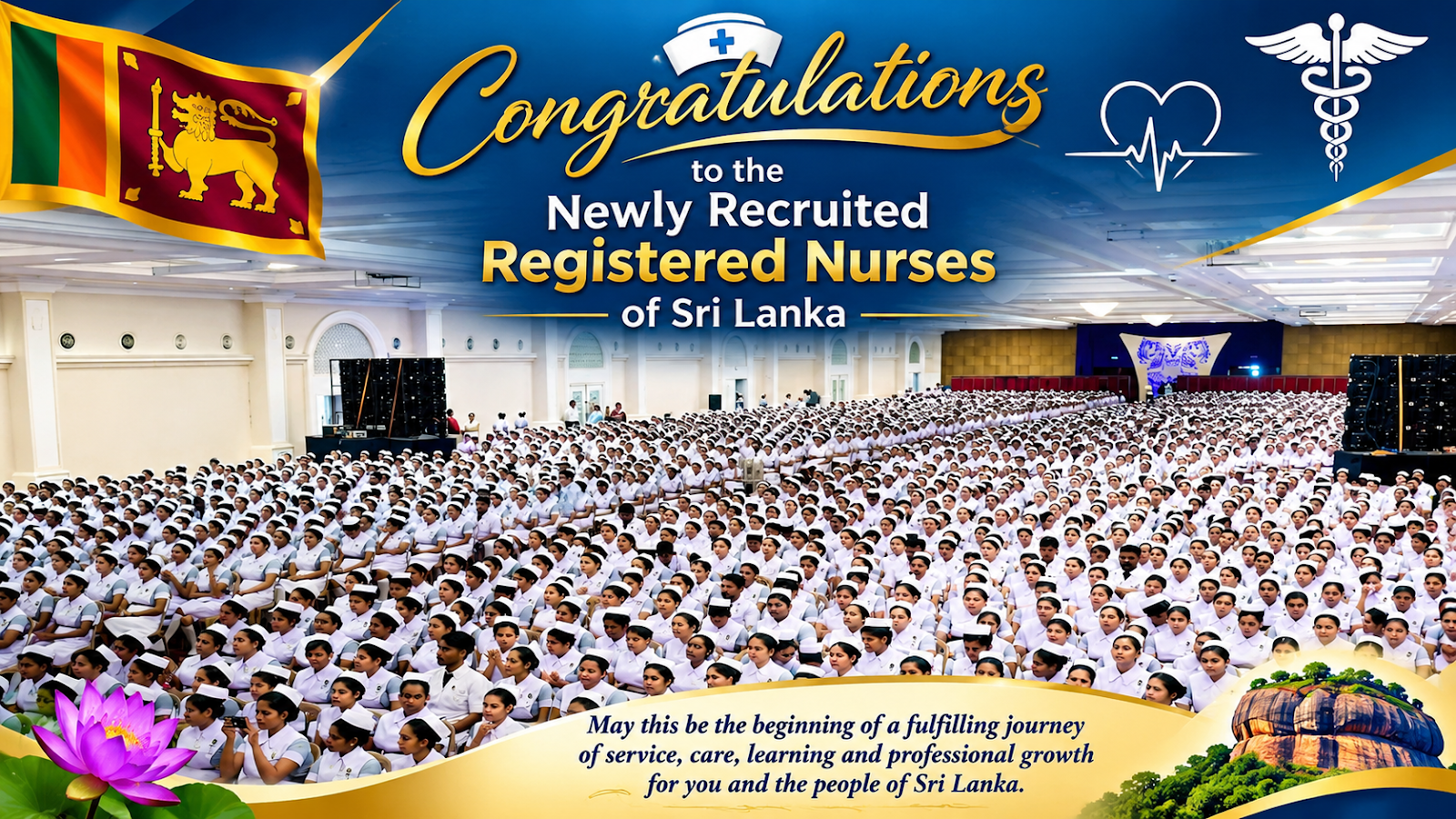
අළුත එක්වූ හෙද පහන් වෙනුවෙන්

අළුත එක්වූ හෙද පහන් වෙනුවෙන්

අද ෆේස්බුක් ෆීඩ් එක පුරාවටම දකින්න ලැබුණේ, අද දවසේ අළුත් පත්වීම් ලබාගත් සතුට බෙදාගන්නා නවක හෙද නිලධාරීන්ගේ සතුටු මුහුණු. ඒ ඔස්සේ වසර විසි හයක අතීතයකට ගිය මගේ මතකය ඔස්සේ ඔවුන් වෙනුවෙන් යමක් ලියන්නට හිතුවා.

මුලින්ම,

🎉අද දවසේ ශ්‍රී ලංකාවේ රාජ්‍ය හෙද සේවාවට, ලියාපදිංචි හෙද නිලධාරීන් (registered nurses) ලෙස එක්වන නවක හෙද නිලධාරි, නිලධාරිනි දූලා පුතාලට ජයග්‍රාහී අනාගතයක් වෙනුවෙන් සුබ පැතුම් එක් කරනවා.🎉

ඒ, මෙයින් වසර විසි හයකට ඉස්සර වෙලා, ඔබ වගේම මුල්ම පත්වීම ලබාගත් හිටපු හෙද නිලධාරියෙක් ලෙසින්, එහෙම නැත්නම් සෞඛ්‍ය සේවය තුළ, රටවල් කිහිපයක ක්ෂේත්‍ර ගණනාවක අත්දැකීම් ලැබූ වැඩිහිටියෙක් ලෙසින්. එහෙම කිව්වේ, කයිවාරුවකට වඩා, ඔබටත් දවසක ඔබ ගැන සතුටින් ඒ වගේ, සමහර විට ඊට වඩා සතුට හිතෙන වැකියක් ලියන්නට දිරියක් වේවි කියලා හිතාගෙන.

ආ... මුලින්ම කියන්න ඕන අපට ඉතින් ඔයාලට වගේ රජ මාලිගාවට ආරාධනා කරලා පත්වීම් ලිපි (appointment letters) ලැබුණේ නෑ. මතක විදියට පියුං මාමාද කොහෙද ගෙනත් දුන්නේ, තව සතියක් ඇතුළත බෑග් මලු බැඳගෙන කොළඹ උතුර ශික්ෂණ රෝහලට වාර්තා කරන්න ඕන කියලා.

ඒ නිසාම, මුල් පත්වීම ලැබුණා කියන්නේ අපේ කණ්ඩායමේ හැමෝම රට පුරා බෙදිලා ගියා. හමුවෙන්න අවස්ථාවක් වුණේ නැහැ ඔයාලට වගේ. ඒ විදියට බැලුවම, අද අරලියගහ මන්දිරයේදී පත්වීම් ලිපි ගත්ත ඔයාලට අපට වඩා අපූරු අවස්ථාවක් ලැබිලා තියෙනවා ඒ වටිනා මොහොත සමරන්නට. ඒ වෙනුවෙන් සතුටක් දැනෙනවා.

අන්න ඒ සතුටත් එක්ක, අවුරුදු විසි හයක අතීතයකට ගිහින්, ආයේ එන අතරේ, මගේ හිතට ආ අදහස් ටිකක් අකුරු කරන්නට හිතුණා මේ විවේකී දවසේ. කවුරු හරි කියවාවි, තවත් මගේ හෙද මිතුරෙක්, මටත් මඟහැරුණු තවත් අදහස් එකතු කරාවි නේද කියලා හිතාගෙන.


💙අළුත් "වෙනස"

දැන්, තමන් ඉල්ලපු තැනම හම්බෙලා සන්තෝසෙන් ඉන්න අය වගේම, තමන්ට ලැබුණු තැන ගැන අකමැත්තෙන් ටිකක් දුකෙන් ඉන්න අයටත් කියන්න තියෙන්නේ, ඔයාලට ඔය පත්වීම ලැබෙන්නේ ලංකාවේ විතරක් නොවෙයි, ලෝකේ ඕනෑම රටක ඉන්න රෝගියෙක්ට (patient), සෞඛ්‍ය සේවාලාභියෙක්ට (healthcare service recipient or client) අවශ්‍ය කරන හෙද සත්කාර සේවය (nursing care) ලබා දෙන්නට ඔබට හැකියාව තියෙන නිසා.

ඒ නිසා, ගෙදර ගාවම රෝහල හම්බුණාද, අම්මා තාත්තාගෙන් ඈත් වෙලා ඈත රෝහලක සේවයට යන්නට වුණාද, බය නැතිව සැලසුම් කරලා ගමන පටන් ගන්න. ඔබට පුළුවන්.

අපේ රටේ රජයේ හෙද නිලධාරියෙක් කියන්නේ ඕනෑම දුෂ්කරතාවකට (challenges) මුහුණ දෙන්න, දරාගෙන හැඩගැහෙන්න පුළුවන් හයියක් තියෙන, ඒ වෙනුවෙන් ගැලපෙන විනයක් (discipline) තියෙන වෘත්තිකයන් (professionals) පිරිසක්.

ඔබ දැන් ඉන්නේ අන්න ඒ වෘත්තික කණ්ඩායම ඇතුළේ. ඒ නිසා හිතට හයිය ගන්න. සමහර විට මුලින්ම ගෙදරින් පිට ජීවිතයක් (independent living) ආරම්භ කරනවා වෙන්න පුළුවන්. නංගිලා මල්ලිලා, අයියා අක්කා, ඊටත් වඩා අම්මා තාත්තාගේ ආදරේ දාලා යන්න බැහැ වගේ හිතෙන්න පුළුවන්.

ඇත්ත, ඒ හැඟීම (emotional adjustment) බාර ගන්න. ඒත් ජීවිතේ අළුත් අභියෝගයට (new challenge) ධෛර්යයෙන් මුහුණ දෙන්න ගමන පටන් ගන්න.


💙පළමු "අත්දැකීම්"

හරි, දැන් කොහොමින් කොහොම හරි අළුත් පත්වීමෙන් ලැබුණු රෝහලට ගියා කියමුකෝ.

ඔන්න මුල්ම දවසේ ඒ රෝහලේ ඉන්න ප්‍රධාන හෙද නිලධාරීන් (chief nursing officers), ජ්‍යෙෂ්ඨ හෙද නිලධාරීන් (senior nursing officers) මූලික කරගෙන ඔබව පිළිගන්නට ඉඩ තියෙනවා. සමහර විට පොඩි පාටියක් එක්ක පින්තූර ටිකකුත් ගනීවි. හැමෝම හරිම හොඳ, ආදරණීය, හරිම කාරුණික පිරිසක් වගේ හඳුන්වා දේවි.

තවත් තැනක ඔය මුකුත් නැතිව, මේට්‍රන් ඔෆිස් එකෙන් කරන පුංචි හඳුන්වා දීමෙන් (orientation) පස්සේ, යන්න ඕන වාට්ටුව (ward) කියාවි. ඊළඟට ඉතින් ඒ වාට්ටුවේ ඉන්න සීනියර් අක්කලා, අයියලා පොඩි ඔරියන්ටේෂන් එකක් (ward orientation) දීලා, "වැඩ පටන් ගන්න" කියාවි.

කොහොම පටන් ගත්තත්, දවසක් දෙකක් යත්දි ඔබත් මේ යන රැල්ලට වැටෙන එක නවත්වන්න අමාරුයි. "රැල්ල" කිව්වේ නරක අදහසකින් නොවෙයි. කාර්යබහුල බව (workload), අවිවේකී බව, පීඩනය (workplace stress), කායික වගේම මානසිකව දැනෙන වෙහෙස (physical and mental fatigue) බලාපොරොත්තු වෙන්න පුළුවන්.

💙"අළුත්" සැප විඳින්න

පුහුණුවේ හිටියා වගේ නොවෙයි දැන්. ෂිෆ්ට් එක (shift) කරලා ගෙදර ආවම දැනෙන සනීපේ වෙනම සැපක්. ඒක විඳින්නම ඕන අපූරු අත්දැකීමක්.

දවසක් දෙකක් යත්දි වාට්ටුවේ ලොකු මිස්ලා, අයියලා වාට්ටුවේ වැඩ, රෝගීන්ගේ, සේවාලාභීන්ගේ කටයුතු සහ වගකීම් (responsibilities) ටික ටික පවරාවි. හෙවිල්ලෙනුත් ඉඳීවි. ඉඳලා හිටලා යමක් කියා දෙනවා වගේම, සමහර විට පොඩි නෝක්කාඩු පෙනුමකුත් පෙන්නාවි. ඒ හැමදේටම සතුටින් මුහුණ දෙන්න හිත ශක්තිමත් කරගන්න.

සීනියර් අයියලා, අක්කලා හරි කැමතියි අළුත් මිසීලා, මල්ලිලා එනවාට. මොකද ඒ අය "තරුණ ජවය" තියෙන අයනේ. ඉතින් ටිකක් වැඩ වැඩිපුර පවරන්නත් බැරි නෑ.

සමහර විට, ඔබ පුහුණුවන කාලයේදී කරන්න අකමැතිම වෙලා තිබුණු හෙද පිළිවෙත් (nursing procedures) ම වැඩිපුර කරන්න වෙන්නත් පුළුවන්.

හැබැයි මේ හැම අත්දැකීමක්ම දැන් වෘත්තීය අත්දැකීමක් (professional experience) ලෙස බාර ගන්න. ඒ නිසා හිත රිද්දගන්නවා වෙනුවට, මේ අත්දැකීම මගේ දැනුමට (knowledge), අතහුරුවට (practical experience), මගේ කුසලතාවයට (skills) එකතුවක් කරගන්න බලමු.

💙 රෑ තමයි "හොඳම"

ආ... ඊළඟ හරිම සනීප තෑග්ග නයිට් ෂිෆ්ට්ස් (night shifts). මොකද වාට්ටුවේ ඉන්න දරු පවුල් වෙච්ච සීනියර් මිස්ලා, සර්ලා, අයියලා අක්කලාට දරු පැටවු එක්ක ඉන්න, නෝනලා, මහත්තේලා එක්ක ටිකක් විවේක පාඩුවේ රෑ ගත කරන්න වෙන නිසා, අළුත ආපු අළුත් මිසීලා, මේල් නර්ස් මල්ලිලාට (male nurses) අදින්න ටිකක් වැඩිපුර නයිට් ෂිෆ්ට් වැටේවි.

බාර ගන්න. සල්ලි නිසාම නොවෙයි. එකක් ඒක මෙතෙක් බර ඇත්ත ජ්‍යෙෂ්ඨයන් වෙනුවෙන් යම් උදව්වක්. අනෙක මේ ෂිෆ්ට්ස් තමයි ඔබට ඒ වාට්ටුව ගැන, ඒකේ සිදුවන ප්‍රතිකාර සේවා (treatment services) ගැන, උපකරණ (medical equipment) ගැන ඉගෙන ගන්න තියෙන හොඳම වෙලාව.

ඒ විතරක් නොවෙයි, එහෙම ඉගෙන ගන්න අතරේ ඔබේ අළුත් අදහස් එක්ක යම් වෙනසක් කරන්න හිතනවා නම් අන්න ඒ සැලැස්ම පටන් ගන්නත් හොඳම මේ "රැය" තමයි.

ඒ විතරක්ද, රෝගීන් එක්ක ටිකක් කතාබහ කරලා, නොදන්න නොහඳුන අය එක්ක කතා කරන්න බයක් වගේ තියෙනවා නම් ඒක අඩු කරගන්නත්, තමන්ගේ චිකිත්සීය සන්නිවේදන හැකියාව (therapeutic communication skills) දියුණු කරගන්නත්, ඊටත් වඩා සේවා පරිසරය ඇතුළේ හොඳ මිනිස් සම්බන්ධතා (interpersonal relationships) පවත්වා ගන්නත් මේ කාලය හරිම වාසිදායකයි කියල මට හිතෙන්නේ.

දැන් මං කිව්වේ නෑ, කැෂුවල් නයිට් එක (casual night shift) අදින දවසේ, ලෙඩ්ඩු පෝලිමට එත්දි, පැත්තකට වෙලා කවුරු හරි අල්ලගෙන කයිවාරුවක් ගහගෙන ඉන්න කියලා හොඳද?

💙 "වැඩකාරයෙක්" බව දැනෙන්න

තව එකක්, ඔයාලා හයර් ඩිප්ලෝමා (higher diploma) එක්කද, බීඑස්සී (Bachelor of Science in Nursing) එක්කද ආවේ, එහෙම නැත්නං වෙන රටක ඉඳලා ආවද කියන එකට වඩා, ඔබ කොයිතරම් හෙද කුසලතාවයක් (nursing competency) ඇති කෙනෙක්ද, හෙද නිලධාරියෙක් විදියට ගැලපෙන පෞරුෂයක් (professional personality) ඇති කෙනෙක්ද, ඔබ කොයිතරම් විශ්වාසයෙන් (confidence) වැඩ කරනවාද කියන කාරණෙයි තමයි වාට්ටුවේ ඉන්න ලොකු මිස්ලට, අනෙක් සෞඛ්‍ය වෘත්තිකයන්ට වැදගත්.

ඒ නිසා ඒ අවශ්‍යතා දියුණු කරගන්න බලන්න.

ඒ අතරේම, ඔබේ දැනුම කොයිතරම් අළුත් වුණත්, වාට්ටුවේ අවුරුදු ගණනාවක් අත්දැකීම් ඇති ජ්‍යෙෂ්ඨ හෙද නිලධාරියාගේ, නිලධාරිනියගේ හැකියාව පහළ දාලා, ඔබ "ලෝකෙට ලොක්කා" වෙන්න හදනවාට වඩා, ඒ ජ්‍යෙෂ්ඨයන්ගේ අත්දැකීම් එකතු කරගෙන ඔබේ හෙද වෘත්තීය අත්දැකීම් ගබඩාව (professional experience bank) දියුණු කරගන්න බලන්න.

අවශ්‍ය තැන ඔබේ දැනුම බෙදාගන්න. ඔබ අළුත උගත් දේ ඔවුන් සමඟත් බෙදාගන්න. එයාලගෙනුත් ප්‍රශ්න අහන්න. කොයිතරම් පාඩම මතක තිබුණත්, පොඩි හරි සැකයක් ඇත්නම් අහන්න ඔබේ ජ්‍යෙෂ්ඨ හෙදියගෙන්, හෙද නිලධාරියාගෙන්. සමහර විට ඒ කතාබහ වාට්ටුවේ සීනියර්ස්ලාගේ වුණත් දැනුම අළුත් කරන්නට ඉඩ තියෙනවා.

💙නොහිතූ දේ සිදුවේ නම්...

දැන් ඉතින් ඔබ ඉන්නේ නර්සිං ටියුටර්ස්ලාගේ (nursing tutors), ලෙක්චර්ස්ලාගේ (lecturers) අධීක්ෂණයක් යටතේ නොවෙයි. ඔබ දැන් ස්වාධීන වෘත්තිකයෙක් (independent professional). වාට්ටුවේදී, සේවා පරිසරයේදී ඔබ රජයේ වැටුප් ලබන තවත් රාජ්‍ය සේවකයෙක්, වෘත්තිකයෙක්.

ඒ නිසා, දැන් වෙනදාට වඩා වෙනස් අත්දැකීම්, වෙනස් අදහස්, වෙනස් පෞරුෂයන් (personalities), වගේම වෙනස් දුර්වලතා තියෙන විවිධාකාර පුද්ගලයන් හමුවෙන්න පුළුවන්. ඒ සමහර විට තමන්ගේම හෙද සේවාව තුළ වෙන්නත් පුළුවන්. නැත්නම් වෙනත් සෞඛ්‍ය වෘත්තික සේවාවක වෙන්නත් පුළුවන්. සමහර විට රෝගියෙක් හෝ ඥාතීන් ඔස්සේ වෙන්නත් පුළුවන්.

ඒ නිසාම ඔබ සහ තවත් අයෙක් අතර අදහස්, මත අතර වෙනස්වීම්, පරස්පරයන්, සමහර විට ගැටීම් ඇති වෙන්න පුළුවන්.

ඒ බව දැනගෙන, එවැනි අදහස් පරස්පර වීමක් "මත ගැටීමක්" (difference of opinion) නොවන ලෙස වගේම, "මත ගැටුමක්" (conflict) වුණොත් එය සාධාරණව සහ දෙපාර්ශවයේම හිත් නොරිදෙන විදියට විසඳා ගන්නට පුළුවන් ක්‍රම (conflict resolution strategies) පෙර හඳුනාගන්න.

හැබැයි, හැම වෙලාවෙම අනෙක් වෘත්තිකයාට, පුද්ගලයාට නිසි ගෞරවය ලබා දෙනවා නම්, නිවැරදිව සන්නිවේදනය කරනවා නම්, ගැටළුවකදී එය විසඳා ගන්නට කලබල නොවී අදහස් ප්‍රකාශ කරන්න හැකියාවක් තියෙන බව දැනෙන්නට දෙනවා නම් මේ වගේ අදහස් ගැටුම් මතු වෙන එකක් නෑ. නෑ, මං කිව්වේ නෑ වෙන්නේම නෑ කියලා ඔන්න.

මේ ඉතින් වටින් ගොඩින් කොටාගියේ. දැන් ඉතින් නොම්මර දාලම කොටන්නයි හදන්නේ. නැත්තං පෝස්ට් එක නවතිත්දි ඊළඟ බැච් එකත් අපොයින්මන්ට්ස් අරං තියේවි.


❤️1. ලෙඩා නොවෙයි, මනුස්සයා දකින්න

ඔව්, දැන් ඉතින් වාට්ටුවට ගියාම ලෙඩ්ඩු එක්ක තමයි වැඩ කරන්නේ. ඒත් ලෙඩ්ඩු වුණේත් ඔබ වගේම මනුස්සයෙක් නේද කියලා ටිකක් හිතන්න පුළුවන් නම්, ඒ හැඟීමෙන් උදව්, උපකාර, සත්කාර කරන්න පුළුවන් නම්, ඔබේ වෘත්තීය සීමාවන් (professional boundaries) තියාගෙන අන්න ඒකයි හරිම වැදගත්.

රටවල් කිහිපයක සෞඛ්‍ය සේවාවන්හි අත්දැකීම් තියෙන කෙනෙක් විදියට මට කියන්න පුළුවන්, අපේ නර්ස්ලාගේ ස්කිල්ස් (nursing skills), සත්කාර කුසලතාවයන් (competencies) ඉහළයි. ඒ ගැන තර්කයක් නෑ.

ඒත් සේවාලාභියා එක්ක කරන සන්නිවේදනය (communication), සහකම්පණය දැක්වීම (empathy) (අඩුම ගානේ පේන්නවත්) පැත්තෙන් ගත්තම යම් ගැටළු තියෙනවා කියලා හිතෙනවා.

ඇත්ත, වැඩ වැඩියි. අපට එයාලත් එක්ක හිනාවෙවී ඉන්න වෙලාවක් නෑ. එහෙම කියන අය ඇති.

ඒත් සේවාලාභියෙක්ට ඕන "හිනා වෙවී ඉන්න" බෝනික්කෙක් වගේ හෙද නිලධාරියෙක් නොවෙයි. තමන් වෙනුවෙන් සත්කාරයට පෙනී ඉන්න (patient advocacy), ඒ බව තමන්ට දැනෙන්න සන්නිවේදනය කරන, කියනවා වගේ කරන හෝ අඩුම තරමේ කරන්න උත්සාහ කරන හෙද නිලධාරියෙක්. සීමාවන් තියෙනවා. සමහර විට ඒ සීමාවන් ගැන සේවාලාභියා එක්ක හොඳින් සන්නිවේදනය කරන්නත් වෙන්න පුළුවන්. ඔබේ වෘත්තීය තත්ත්වය ගැන, යුනිෆෝම් එකෙන් දෙනවාට වඩා ගෞරවනීය හැඟීමක් සමාජයටම දැනෙන්න දෙන්න මේ ඔස්සේ පුළුවන් වේවි.

❤️2. චිකිත්සීය චින්තනය හදාගන්න

ඔය කිව්වේ අළුත් මොකක් හරි දේශපාලන හරි වෘත්තීය සමිති අදහසක් දාගන්න කියන එක නොවෙයි.

සේවාලාභියාට සාත්තු කරත්දි (providing nursing care), ප්‍රතිකාරයක් ලබා දෙත්දි (providing treatment), ඖෂධයක් ලබා දෙත්දි (medication administration), ඇඳ ඉහපතේ (BHT) පිටුවක ලියනවා හෝ චාට් එකේ ලකුණු කරනවා වගේම, අදාළව ඔබ ලබා දුන් සත්කාරය, ප්‍රතිකාරය ගැන සායනික හේතුව (clinical rationale) දැනගන්න, කියවන්න. අමතක නම් ඔය ෆෝන් එකෙන් ටිකක් සර්ච් කරලා දැනුම අළුත් කරගන්න.

සේවාලාභියාගේ රෝග විනිශ්චය (diagnosis), රෝග ලක්ෂණ (symptoms), ඔබ ලබා දෙන ඖෂධය ක්‍රියාත්මක වීම (medication action) ඔය වගේ විමසා බැලීම ඔස්සේ "චිකිත්සීය චින්තනයක්" (clinical thinking) හදාගන්න බලන්න.

එහෙම හිතන්න පුරුදු වුණාම, වෙනම පාඩම් කරන්න ඕන වෙන්නේ නැති තරම්. අනෙක, ඒ අළුත් වන දැනුම ඔබට සතුටක් වගේම පොඩි ආඩම්බරයකුත් එකතු කරාවි.

ඒ විතරක් නොවෙයි, ඒ ලබා ගන්නා, අළුත් කරගන්නා දැනුම බෙදාගන්න. තමන්ගේ කණ්ඩායමේ හෙද මිතුරන් වෙන්න පුළුවන්. සමහර විට රෝගීව වාට්ටුවේ නැවතී සිටින තාත්තා කෙනෙක්ගේ තත්ත්වය ගැන විමසීමක් කරන පුතෙක් වෙන්න පුළුවන්. ඔබේ වෘත්තීය සීමාව තුළ ඒ දැනුම තවත් කාටහරි බෙදාගන්නට පුළුවන් නම්, එය ඔබටම වාසියක් කවදාහරි.

❤️3. වහන්නෙපා පොත

දැන් ඉතින් පත්වීම හම්බුණානේ, ඔක්කොම ඉගෙනගෙන ඉවරයි කියලා හිතාගෙන අළුත් දැනුම එකතු කරගැනීම වහලා දාලා, පවුලක් පන්සලක් වෙලා, දරුවෙක් මල්ලෙක් හදාගෙන ඉන්නවා කියලා විතරක්ම හිතුවොත්, නර්සිං දිගේ සාර්ථක සහ හිතට සතුටක් දැනෙන ගමනක් යන්න ටිකක් විතර අමාරු වෙන්න පුළුවන්. මොකද නර්සිං (nursing) කියලා කියන්නේ දවස ගානේ අළුත් වන විෂයක්.

අළුත් බෙහෙත් (new medications), අළුත් ලෙඩ, අළුත් රෝග නිරීක්ෂණ පරීක්ෂණ (diagnostic investigations), අළුත් හැසිරීම්, දැනුම ඇති ජනතාව... ඔය වගේ විවිධාකාර විදියට හරි ඉක්මනින් අළුත් වන ක්ෂේත්‍රය ඇතුළේ එක තැනක "ගල් වෙලා" ඉන්න හැදුවොත්, මට හිතෙන්නේ ඒක ඔබට වගේම සෞඛ්‍ය වෘත්තිකයෙක් ලෙස ඔබෙන් සමාජයටත් කරන පාඩුවක්.

ඒ නිසා, දවස ගානේ දැනුම අළුත් කරගන්න. කියවන්න, අහන්න, අනෙක් සෞඛ්‍ය වෘත්තිකයන් එක්ක එකතු වෙන්න.

නර්ස්ලා වුණු පමණින් අප හැමදේම දන්න අය කියලා හිතන්න පටන් ගන්න එපා. ඔය බාර්රූම් එක සුද්ද කරන සහායක සේවකයා (support staff) දන්නවා අපට වඩා අපූරුවට ඒ විෂබීජනාශක දියර ටික හදාගන්න. ෆිසියෝතෙරපිස්ට් (physiotherapist) දන්නවා රෝගියෙක්ගේ උරහිස් වේදනාවට (shoulder pain) අදාළ චිකිත්සාව (therapy) දෙන විදිය. ඖෂධවේදියා (pharmacist) දන්නවා බෙහෙතක් තවත් බෙහෙතක් එක්ක නරක ප්‍රතික්‍රියාවක් (drug interaction) කරාවිද නැද්ද කියන එක. වාට්ටුවේ ඉන්න කණිෂ්ඨ වෛද්‍යවරයා (junior medical officer) දන්නවා රෝගියාගේ තත්ත්වය සහ ජානගත සම්බන්ධය (genetic factors) ගැන ඔබට වඩා සමහර විට.

ඒ නිසා, හැමෝගෙන්ම ගන්න පුළුවන් දැනුම ගන්න. ගත්ත පමණින්ම බාර ගන්නෙපා. අද දවසේ ඕනෑ තරම් ක්‍රම තියෙනවා ඒ ගැන තවත් විමසීම් කරන්නට, සොයා බැලීම් කරන්නට. ඒ විමසීම්වලින් පස්සේ නිවැරදි දේ ඔබේ දැනුමට එකතු කරගන්න.

❤️4. උඩ යන්න බලන්න

ආයේ කියන්න දෙයක්ද, එයාලා යන්නෙම උඩින් කියලා කියන අයත් නැතෑ. හැබැයි මං මේ කිව්වේ ඒ ගැන නොවෙයි.

මුල් පත්වීම් ලබපු ඔබ තව ටික දවසක් ගිහින්, තවත් අමතර පුහුණු (additional training), වෘත්තීය පුහුණු (professional training) වලට එකතු වෙන්න. පුළුවන් නම් උසස් අධ්‍යාපන පාඨමාලාවකට (higher education programme) ලියාපදිංචි වෙන්න. මොකද පහු පහු වෙත්දි... (එක්කෝ මක්කටෙයි).

ලංකාව ඇතුළේම, රාජ්‍ය සෞඛ්‍ය සේවාව ඇතුළේම විවිධාකාර පුහුණු තියෙනවා. ඒ අතර ඒකක විශේෂිත පුහුණු (unit-specific training), කුසලතා ඉලක්ක කළ පුහුණු (competency-based training) වගේම ඉන් පිටත් වැදගත් සෞඛ්‍ය පාඨමාලා (healthcare courses) තිබෙනවා.

ඒ ඔස්සේ ඔබේ ඒකකයට, ඔබේ වෘත්තීය සේවා මට්ටමට වැදගත් වන වගේම අනාගතයේදී වැදගත් විය හැකි දැනුමත් ලබාගන්න. උදාහරණයක් ලෙස, හොඳ ඉංග්‍රීසි භාෂා පාඨමාලාවක් (English language course), සන්නිවේදන කුසලතාවය දියුණු කරන පාඨමාලාවක් (communication skills course) වුණත් වටිනාකමක් එක් කරාවි.

ඒ වගේම digital health skills කියන්නේ අද වගේම ඊටත් වඩා හෙට වෙද්දි සෞඛ්‍ය සේවය තුළ ඕනෑම දෙයක්. පුළුවන් නම් ඒ දැනුමත් එකතු කරගන්න.

❤️5. බෙදන්න, එකතු වෙන්න

මං කියන්න ගියේ, හෙද නිලධාරියෙක් විදියට ඔබෙන් සේවාලාභියාට ලැබිය යුතු සෞඛ්‍ය සේවාව (healthcare services) උපරිමයෙන් ලබා දෙන්නට, ඒ වගකීම වෙනුවෙන් සියළු සෞඛ්‍ය කණ්ඩායම් (multidisciplinary healthcare teams) සමඟ එක්ව, සහයෝගයෙන් කටයුතු කරන්නට අවශ්‍ය හැකියාව දියුණු කරගන්න.

විශේෂයෙන්ම, විවිධාකාර දේශපාලනය සහ සමාන බෙදීම් ඇති කරන වෘත්තීය සමිති බලපෑම් (trade union influences), වෘත්තීය බෙදීම් අස්සේ, සෞඛ්‍ය කණ්ඩායම් බෙදී වෙන්වන පරිසරයක් තුළ වුණත්, සේවාලාභියා වෙනුවෙන් එක්ව කටයුතු කරන්නට අවශ්‍ය සම්බන්ධතා, සන්නිවේදනයන් සහ වෘත්තීය සීමාවන් තුළ තිබිය යුතු "වෘත්තීය හිතවන්තකම්" (professional relationships) පවත්වා ගන්නට උත්සාහ කරන්න.

සමහර විට චක්‍රලේඛ හෝ උපදෙස් පත්‍රිකාවලට (circulars and guidelines) වඩා මේ බැඳීම් රෝගියා වෙනුවෙන් කටයුතු පහසු කරන අවස්ථා තිබෙනවා.

ඕං, මං කිව්වේ නීතියට හෝ වෘත්තීය සීමාවන් (professional boundaries) බිඳගෙන කටයුතු කරන්න කියලා නොවෙයි ඈ.

❤️6. ලෝකය තුළ නර්සිං දකින්න

පළමු පත්වීම හම්බුණු තැනම පැන්ෂන් යනවා කියලා හිතාගෙන වැඩේ පටන් ගන්නවාට වඩා, වෘත්තීය ඔස්සේ ඉහළට එන, වෘත්තීය මට්ටම් දියුණු කරගන්නා ගමන් සාර්ථක කරගන්න පුද්ගලික ජීවිතයක් (personal life) ඉලක්ක කරගෙන වැඩේ පටන් ගන්න.

එතැනදී "ලංකාව" කියන සීමාව තුල විතරක්ම හිර වෙන්න එපා, ලෝකයට, ගෝලීය සෞඛ්‍යය සේවාවේ හොයා ගැනීම්, දැනුම වගේම, අවස්ථා සඳහාත් විවෘත වෙන්න. රජයේ සෞඛ්‍ය සේවාවට ඇතුළු වුණු, ලියාපදිංචි හෙද නිලධාරියෙක් වුණු ඔබට, තවත් ටික කාලයක් ගියාම, තවත් අත්දැකීම්, දැනුම එකතු කරගත්තාම ලෝකයේ ඕනෑම රටක සත්කාර සේවා (healthcare services) ලබා දෙන්නට හැකියාව වගේම අවස්ථාවනුත් තියෙනවා.

ඒ ඔස්සේ, වසර කිහිපයකට වෙනත් රටක ටික කළකට හෝ හෙද සේවයට යන්න පුළුවන් නම් යන්න. එය ආර්ථිකව විතරක් නොවෙයි, අත්දැකීම් (professional experience), මානුෂීය සම්බන්ධතා (human relationships) වගේ විවිධාකාර පැතිවලින් වාසි ගේනවා. ඒ වෙනුවෙන් අවශ්‍ය පෞරුෂය (professional personality) හදාගන්න, දැනුම කුසලතා වැඩි කරගන්න, විමසිලිමත් වෙන්න.

දැන් කෙනෙක් කියන්න පුළුවන්, ලංකාවෙන් බදු සල්ලිවලින් (public funds) ඉගෙනගෙන වෙන රටවලට යන එක වැරදියි කියලා. ඒ අයත් එක්ක වාද කරන්න එපා. මොකද ඒ වෙලාවෙත් ඔබට අළුත් යමක් ඉගෙන ගන්න පුළුවන් වේවි. ඔබේ අනාගතය ඔබට කැමති විදියට සැලසුම් කරගන්න.

යම් කාල සීමාවකට පස්සේ, පාඨමාලාව සමඟ තිබුණු බැඳුම් සීමාවලින් (bonding period / service obligations) පස්සේ, ඔබ හිතනවා නම් වෙනත් රටක සෞඛ්‍ය සේවයට ඇතුළු වෙලා ඒ රටේම පදිංචි වෙනවා කියලා, ඒකටත් ඕනෑ තරම් අවස්ථා තියෙනවා. ඇත්ත, මේ කියන තරම් ලේසි නෑ. හැබැයි පුළුවන්.

ඒකටම හොඳම උත්තරේ මායි මගේ බිරින්දෑයි. ලොකු ලොකු දේවල් පස්සේ ගියේ නෑ. සැලසුමකට ගමන ආවා. දැන් ලෝකයේ දියුණුම රටක සේවාලාභීන් වෙනුවෙන් සෞඛ්‍ය සේවයේ වෙනම වෘත්තියක් ඔස්සේ සේවය ලබා දෙනවා.

ඔව්, ලංකාවේ ලියාපදිංචි හෙද නිලධාරීන් වුණු අපට ඕනෑම "කට්ටක්" කන්න පුළුවන්. ඒ හයිය අපේ පුහුණුව ඇතුළේදී ලැබෙනවා. ඒ නිසා මේ ඕනෑම රටකට ඇවිත් කැමති නම් නර්සිං කරන්න හරි, එහෙම නැත්නම් මං වගේ දරුවන් එක්කයි, කැලේ පනින්නයි වැඩි වෙලාවක් ඕන කරන කෙනෙක්ට තවත් සෞඛ්‍ය වෘත්තීන් වලට ඇතුළු වෙන්නටත් අපේ නර්සිං කෝස් එකම උදව් කරගන්න පුළුවන්.

ඒ ගැන කතා අවශ්‍ය නම් පස්සේ ලියන්නම්.

ඔන්න මං කිව්වේ නෑ, රට එන්නම ඕන කියලා, ලංකාව ඇතුලේ ඕන තරම් අවස්ථා තියෙනවා අධ්‍යාපන අවස්ථා, වෘත්තීය අවස්ථා දියුණූ කරගෙන ඉහළට යන්න, සාර්ථක වෘත්තීය සහ සාර්ථක පුද්ගලික ජීවිතයක් ගත කරන්නට අවස්ථා. ඔබේ අනාගතය තීරණය කළ යුත්තේ ඔබ, නමුත් ඒ සඳහා ඇති අවස්ථා පෙන්වා දීම අපෙත් යුතුකමක් කියල හිතුණ නිසා රට කතාව ලිව්වේ.

මං හිතන්නේ මේ හොඳටම ඇති දැන්. හැබැයි ලියන්න දේවල් නම් බෝමයි.

මේ කියවූ ඔබ හෙද පත්වීම් ලැබූ නවකයෙක් නම්, ඔබේ අනාගත වෘත්තීය සහ පුද්ගලික දියුණුව (professional and personal development) වෙනුවෙන්, ආදරයෙන්, මිත්‍රත්වයෙන් ඔබට මා සුබ පතනවා.🎉

අහන්න යමක් ඇත්නම් අහන්න. දන්න දෙයක් ඔබ වෙනුවෙන් කියන්නම්.

එන්න ඉස්සරහට. අපූරු අභියෝග බෝමයි. හැබැයි කවදා හරි ජීවිතේ රස කතාවක් වෙන්නේ මේ අපූරු අභියෝගයමයි. ඔබට මේ ලියන මා, මගේ ජීවිතේ "රස කතාවක්" ලියා නිමා කරමින් නිදහසේ සිටින්නෙක්. එහෙම කිව්වෙත් ඔබට හයියක් වනු පිණිසමයි.

මම, නිශාන්ත

ගාල්ල හෙද විදුහලේ
97-A කණ්ඩායමේ
අංක 46න්

2026/10/30

Sri Lanka's Unsung Heroes- Part 21

Part 21: Someone to Talk To — The Case for Employee Assistance Programs

"Ayiya, I cannot handle this anymore. It is too much at work, and at home, I have no support. I just want to sleep for weeks."

I have lost count of how many times I heard words like these from colleagues during my years of nursing in Sri Lanka. Some were struggling with serious financial pressures, while others were dealing with difficult family situations or personal problems they had no one to turn to for help with. Many simply needed someone who would listen without judging them, questioning their ability, or making them feel professionally vulnerable. In a profession built around listening, understanding, and supporting others, the absence of that same support for nurses themselves is a painful irony.

The Emotional Weight of Nursing

Throughout this series, we have looked at the many pressures facing Sri Lankan nurses, including staff shortages, excessive workloads, limited resources, financial difficulties, and professional challenges. These problems do not exist separately. They overlap, accumulate, and eventually affect the physical and emotional well-being of the people working within the system.

Long shifts, high patient loads, repeated exposure to suffering and death, financial responsibilities, and family pressures create an environment in which emotional exhaustion can become part of everyday working life. Add to this the cultural expectation that nurses should remain strong, manage their problems quietly, and continue working regardless of their personal circumstances, and it becomes clear why mental health support is not a luxury. It is a necessity.

As discussed in Part 12, research has reported burnout among approximately 72.5 percent of Sri Lankan nurses, while only around 28.4 percent demonstrated high resilience at work. These figures should make us think seriously about the human cost of working in an overstretched healthcare system. They are not evidence of weak individuals. They reflect a workforce carrying more than it can reasonably sustain without adequate support.

What Is an Employee Assistance Program?

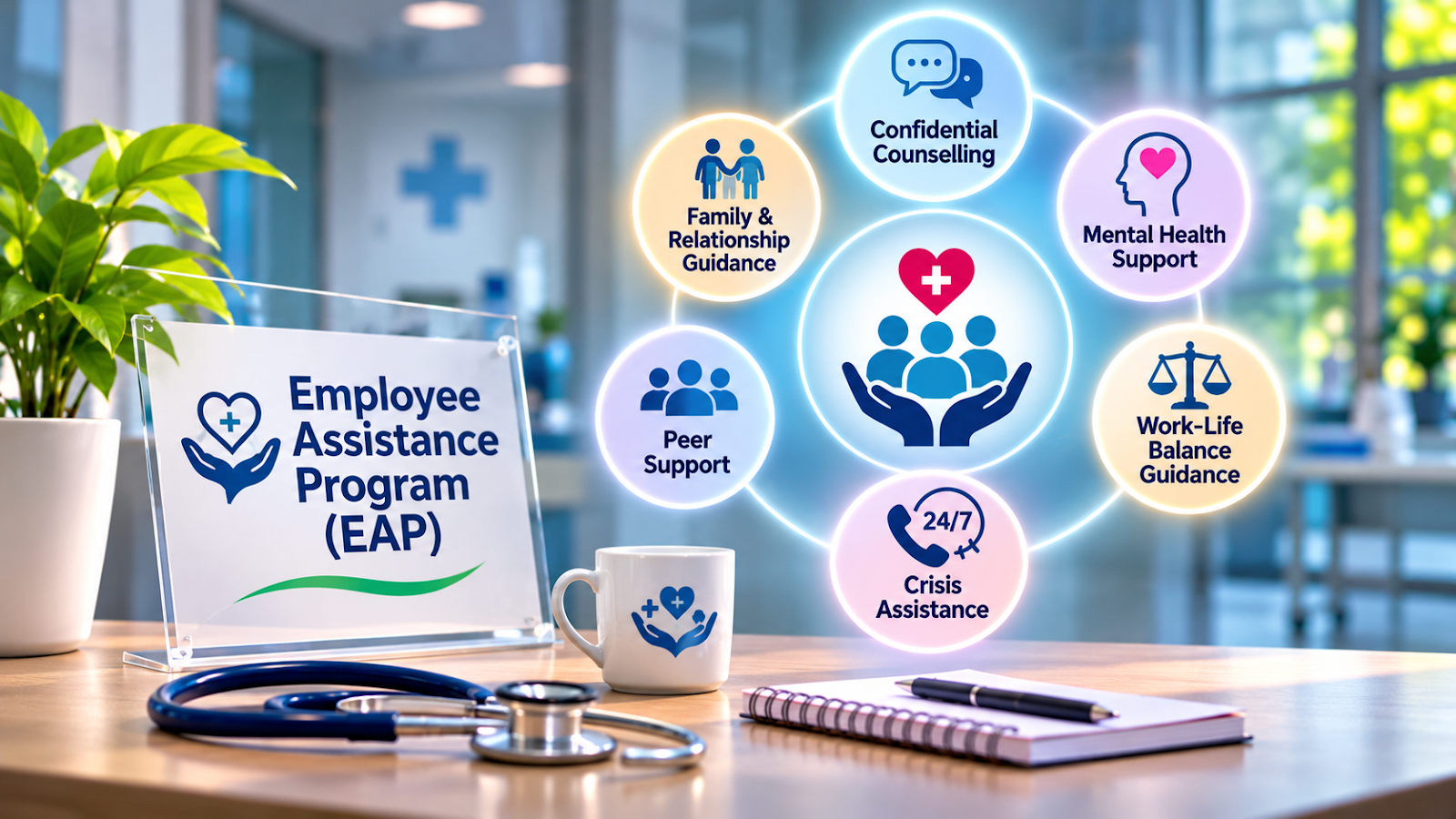
One practical way to address this gap is through an Employee Assistance Program, commonly known as an EAP. It is a structured workplace support service that gives employees confidential access to professional counselling, mental health resources, practical guidance, and crisis support, usually at no direct cost to the employee.

An EAP is not a replacement for the wider reforms discussed throughout this series. Counselling cannot solve chronic understaffing, increase salaries, or provide missing medical equipment. However, it can give nurses something equally important: a safe and confidential place to seek help when personal or professional pressures become difficult to manage.

The important point is that support should be available before someone reaches breaking point, rather than only after a serious mental health crisis develops.

A Personal Experience of What Works

The EAP available to my wife and me in the country where we now work has been genuinely valuable. During the COVID-19 period, when stress levels were particularly high and the psychological demands of healthcare work were enormous, having access to confidential support made a real difference.

The service provided access to trained counsellors, assistance with work-life balance, family and relationship guidance, and support during difficult personal circumstances. Employees could access these services by telephone, through an app, or in person, without having to justify why they needed help or worry about professional consequences for seeking it.

What I particularly appreciated was the accessibility and confidentiality. Sometimes, knowing that there is someone available to talk to is reassuring in itself. You do not always need an immediate solution. Sometimes, you simply need a professional who will listen, help you understand what you are going through, and guide you towards a healthier way of managing it.

This is an approach Sri Lanka could learn from and adapt to its own healthcare environment.

What Would an EAP Look Like in Sri Lanka?

A successful EAP for Sri Lankan healthcare workers would need to reflect the country's language, culture, working conditions, and geographical challenges. Services should be available in Sinhala, Tamil, and English, ensuring that nurses can communicate comfortably in the language they prefer.

Accessibility is equally important. Nurses working rotating shifts, extended hours, or in rural hospitals cannot always travel to a counselling centre during normal office hours. Telephone counselling and secure online services would therefore be essential components of the program. Nurses should be able to access support between shifts, during difficult personal circumstances, or whenever they genuinely need it.

Another valuable approach would be structured peer support programs. Nurses often find it easier to discuss their experiences with colleagues who understand the realities of hospital work. However, these programs should be properly facilitated and confidential, rather than relying entirely on informal conversations among colleagues.

Making Emotional Well-Being Part of Professional Development

Mental health support should not begin only after nurses experience burnout. It should also be incorporated into nursing education and ongoing professional development.

As discussed in Part 17, continuing professional development should be an essential part of a modern nursing profession. Alongside clinical knowledge and technical skills, nurses should receive practical training in stress management, emotional regulation, mindfulness, grounding techniques, and reflective practice.

These are not simply additional activities or soft skills. They are useful, evidence-based approaches that can help healthcare professionals manage demanding situations, recognize emotional exhaustion, and maintain their ability to provide safe and compassionate care.

Learning how to recognise personal stress and seek appropriate support should be treated as a professional strength, not a sign of weakness.

Supporting Nurses Before They Leave

Another important consideration is how hospitals respond when a nurse begins experiencing burnout or emotional difficulties.

Unfortunately, in many workplaces, struggling employees may feel that admitting they are overwhelmed will affect how managers and colleagues perceive them. Some keep working despite exhaustion because they fear being judged, losing opportunities, or adding pressure for already overstretched colleagues.

This needs to change.

When burnout is identified, the response should be supportive rather than punitive. Depending on individual circumstances, temporary workload adjustments, mentoring, access to counselling, or short-term rotations to less demanding clinical settings may help nurses recover while remaining connected to their profession.

Early intervention matters. Without appropriate support, prolonged burnout can eventually lead to extended sick leave, reduced performance, or complete departure from nursing. Retaining an experienced nurse is far better than waiting until they feel they have no option but to leave.

Caring for Those Who Care for Others

International experience suggests that well-designed Employee Assistance Programs can provide organisational benefits through reduced sick leave, improved staff retention, fewer workplace-related errors, and better employee morale. However, the value of such programs should not be measured only through financial savings.

There is a much more fundamental reason to introduce them.

Nurses spend their working lives caring for people who are frightened, unwell, vulnerable, and sometimes approaching the end of their lives. They carry professional responsibilities while managing their own families, financial commitments, and personal challenges. They are human beings, not machines designed to work endlessly without emotional consequences.

Sri Lankan nurses have demonstrated their dedication through difficult circumstances for generations. The question is whether the healthcare system is prepared to recognise that dedication with meaningful support.

We have discussed protecting nurses legally, financially, professionally, and through better working conditions. Mental health support is another essential part of that protection.

Because a healthcare system cannot continue to care for its people while overlooking the well-being of the very people who make that care possible.

When the Brain Begins to Shut Down

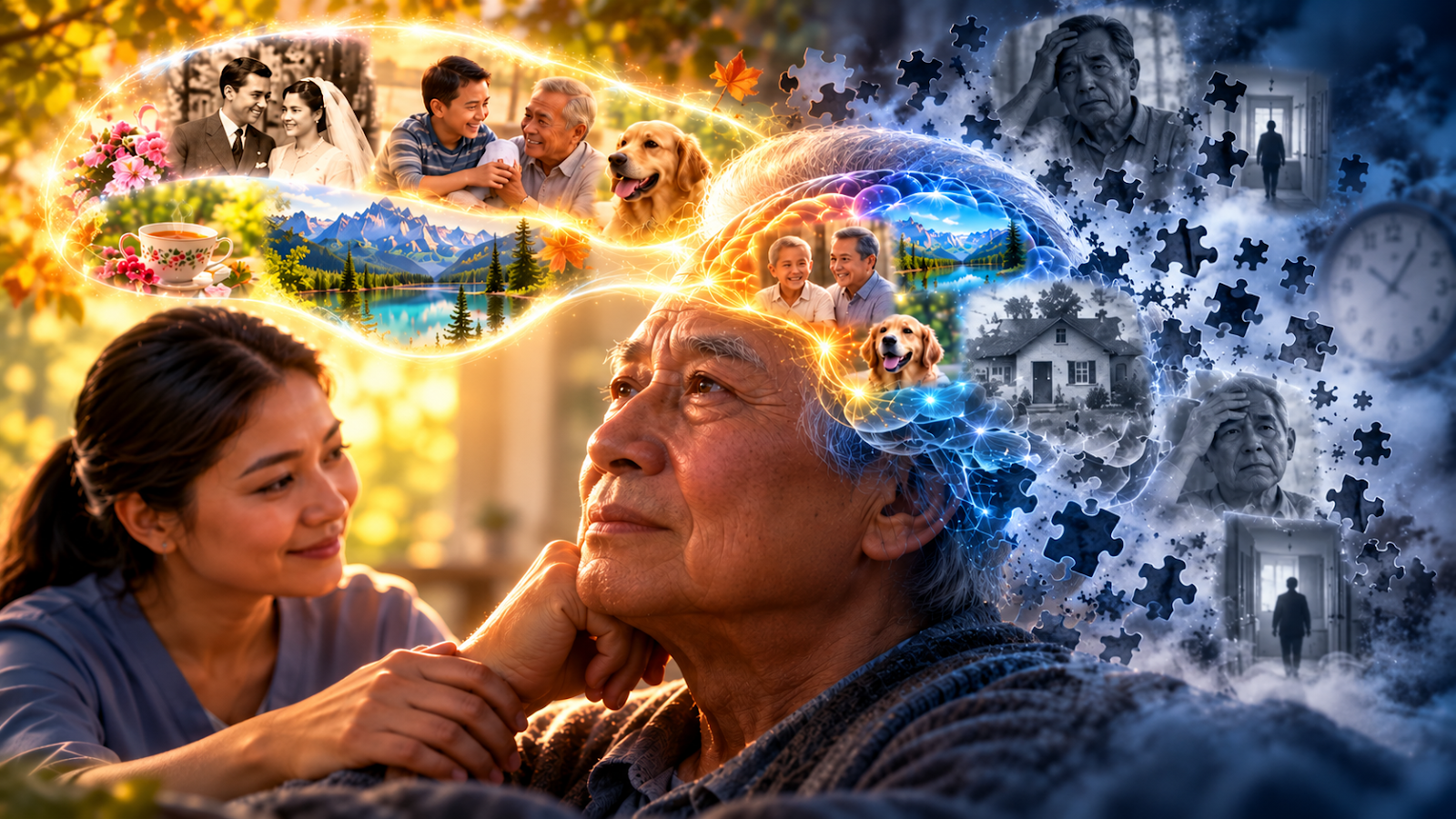
Part 9: When the Brain Begins to Shut Down

What Happens to Consciousness Near the End of Life?

In our previous article, we explored how progressive neurological changes can affect memory, personality, awareness, and the experience of being ourselves. Dementia showed us how the brain can gradually lose abilities that once seemed effortless. But there is another stage of the human journey that raises even deeper questions: what happens when the brain approaches the end of its biological life?

We spend much of our lives thinking about who we are, what we remember, and what makes us feel alive. Yet we rarely consider how much of that experience depends on a continuous supply of oxygen, blood flow, and energy to the brain. Near the end of life, these essential biological systems can begin to change, sometimes gradually and sometimes quite rapidly.

To understand what happens to the experience we call "I", we first need to understand what happens to the living brain.

The Brain Depends on a Continuous Supply of Energy

The human brain is remarkably active, even when we are resting. Its billions of neurons continuously exchange electrical and chemical signals, allowing us to think, recognize faces, feel emotions, regulate body functions, and remain aware of our surroundings.

All this activity requires a constant supply of oxygen and glucose, delivered through the bloodstream. Unlike some other tissues, the brain has very limited energy reserves and depends heavily on continuous circulation to maintain normal function.

When circulation becomes severely reduced, the brain receives less oxygen and glucose. Neurons begin to struggle to maintain their normal electrical activity, and communication between brain networks becomes increasingly disrupted.

This is not simply a matter of the brain becoming tired. It is a fundamental change in the biological conditions required for consciousness.

When Awareness Begins to Change

As the body approaches death, several physiological changes may affect brain function. Blood pressure may fall, circulation may become weaker, oxygen levels may decrease, and the brain may receive progressively less energy.

Depending on the underlying illness and circumstances, a person may become increasingly drowsy, confused, less responsive, or unconscious. Some people experience a gradual decline in awareness, while others deteriorate more suddenly.

It is important to understand that these changes do not follow one identical pattern. The dying process varies considerably depending on the person's condition, the cause of deterioration, and the medical circumstances.

The ability to remain conscious depends on biological systems that the brain cannot function without.

When Electrical Activity Begins to Change

One way scientists study brain function is through an electroencephalogram, commonly known as an EEG. This test records electrical activity produced by groups of neurons in the brain. It helps researchers understand how brain activity changes during sleep, anesthesia, seizures, and certain critical medical conditions.

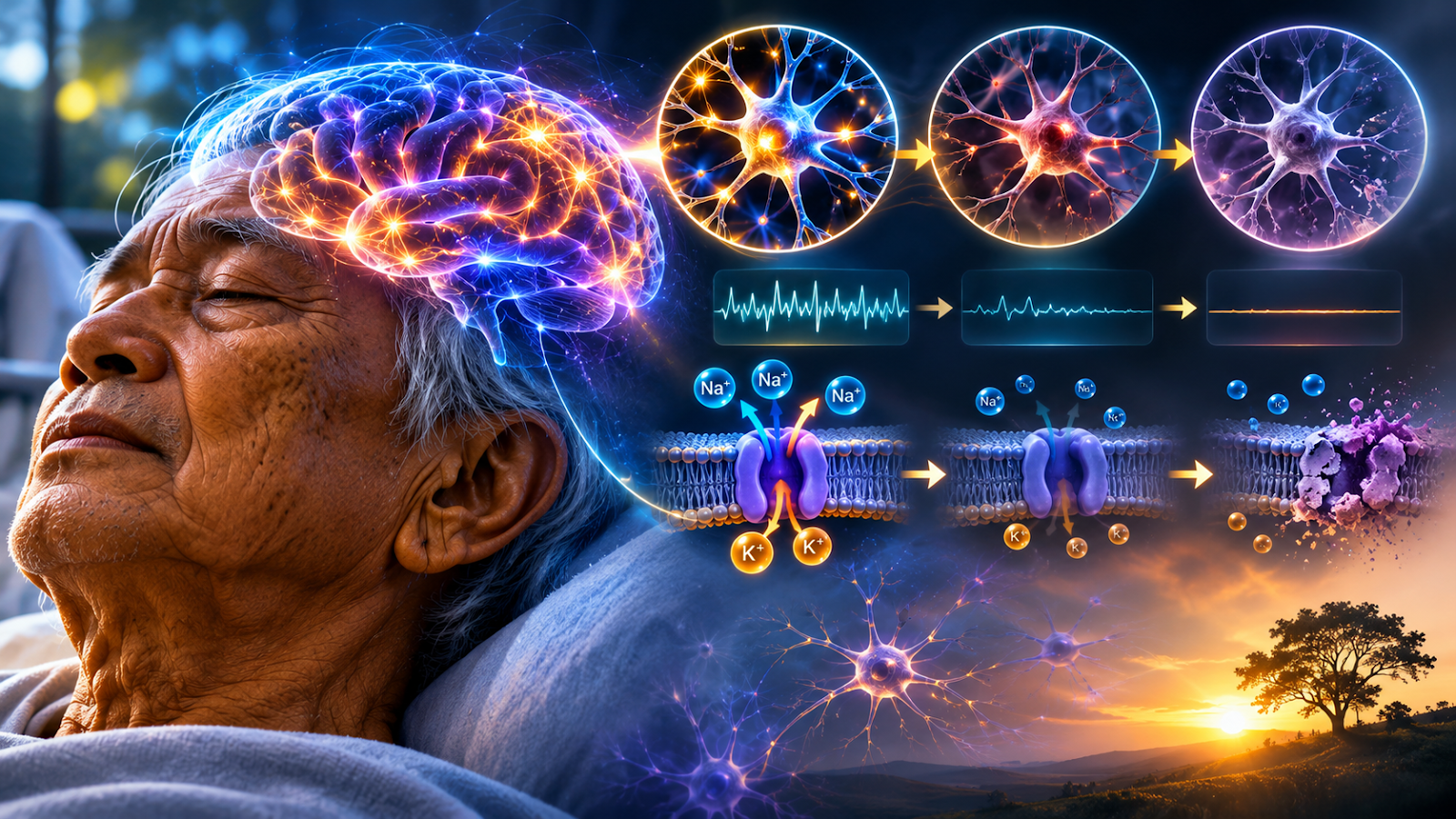
Research involving cardiac arrest has shown that, following an abrupt loss of circulation, measurable EEG activity can disappear very rapidly, sometimes within seconds. However, the exact timing varies depending on the circumstances, the person's condition, and how brain activity is measured. Loss of an EEG signal should also not be treated as a complete measurement of every process occurring inside the brain.

This is an important distinction. The brain does not necessarily stop every biological process at the same instant. Electrical communication, cellular metabolism, and the ability to maintain normal cell function are related, but they do not all end at precisely the same moment.

The Final Changes Inside Brain Cells

To understand this process more deeply, we need to look at something happening inside individual neurons.

Brain cells maintain tiny electrical differences across their membranes. These differences depend on carefully controlled concentrations of ions, particularly sodium and potassium. Special proteins called sodium-potassium pumps use energy from ATP to maintain this balance.

When the brain is severely deprived of oxygen and glucose, ATP production falls. The pumps gradually lose their ability to maintain the normal electrical balance. Sodium and calcium regulation becomes disrupted, water movement changes, and neurons begin to lose their normal structure and function.

Researchers have observed a phenomenon called spreading depolarization in the severely injured human brain. It is a wave of widespread electrical and chemical disturbance that moves through brain tissue when neurons can no longer maintain their normal electrical gradients.

A small human study published in Annals of Neurology in 2018 recorded this process in patients with devastating brain injuries near the end of life. The findings provided valuable insight into the final physiological changes of the cerebral cortex.

It is sometimes described informally as the "wave of death." However, it is important not to misunderstand this term. It describes a biological process in brain tissue, not a wave of consciousness, a final thought, or evidence of a particular experience.

What About a Final Burst of Brain Activity?

You may have come across reports suggesting that the brain produces a sudden electrical surge just before death, sometimes associated with vivid memories or a review of one's life.

There is genuine scientific interest in this subject. Some animal experiments and a small number of human observations have reported increases in certain forms of electrical activity during severe physiological crises. Researchers are investigating whether these changes might be related to the brain's response to oxygen deprivation.

However, there is an important limitation: electrical activity does not automatically mean conscious experience.

A recorded increase in gamma activity, for example, cannot by itself establish that someone is seeing memories, experiencing a life review, or remaining consciously aware. The relationship between these electrical patterns and subjective experience is still being investigated.

We should be careful not to turn an interesting scientific observation into a conclusion that the evidence does not support.

Near-Death Experiences: What Can Science Tell Us?

Some people who survive cardiac arrest describe remarkable experiences. They may report seeing bright lights, feeling detached from their bodies, encountering familiar people, or experiencing memories from different periods of their lives. These experiences are commonly known as near-death experiences (NDEs).

They are fascinating because they raise questions about consciousness under extreme physiological conditions. Researchers are investigating how reduced blood flow, oxygen deprivation, changes in brain chemistry, and disrupted neural activity might contribute to these experiences.

A 2025 review in Nature Reviews Neurology discusses several possible neurological and psychological explanations, including changes in brain activity and neurotransmitter systems during severe physiological crises.

But we need to make an important distinction. People reporting near-death experiences have survived the event. Their experiences do not establish what happens to consciousness after irreversible loss of brain function.

Science can investigate experiences reported by survivors. It cannot use those reports alone to establish what happens beyond biological death.

What Does This Mean for Someone at the Bedside?

For families, the science of dying is not simply an academic subject. It has very personal meaning.

When someone they love is approaching the end of life, family members may wonder whether the person can hear them, recognize their presence, or understand what is happening.

The answer depends on the person's condition and stage of dying. As consciousness declines, the ability to respond becomes increasingly limited. However, an absence of response does not always tell us precisely what someone is experiencing internally.

This is why gentle communication, familiar voices, comfortable surroundings, and appropriate touch can remain meaningful parts of compassionate end-of-life care. We should not promise that someone can hear or understand everything, but there is also no need to withhold kindness simply because they cannot respond.

Sometimes, sitting quietly beside someone and holding their hand is all we can offer. And sometimes, that is enough.

When the Biological Process Reaches Its End

As circulation and oxygen delivery fail permanently, the brain progressively loses the ability to maintain the electrical and chemical processes necessary for normal function. Neurons lose their ability to regulate their internal environment, communication between networks ceases, and irreversible cellular damage develops.

Death is not simply the moment someone stops speaking, opens their eyes for the last time, or takes their final breath. Medical determination of death follows established clinical criteria, including the permanent loss of brain function and consciousness, assessed according to the applicable medical standards.

At this point, the biological systems that supported thought, memory, awareness, and the experience of being a person can no longer function.

And this brings us back to the question that started our entire journey.

What happens to "I" when the brain can no longer support it?

The Question We Cannot Avoid

Throughout this series, we have explored how the brain contributes to our sense of self, how experiences become memories, how memories shape identity, and how dementia can gradually change the way a person experiences and communicates with the world.

Now we are approaching the biological boundary of that journey.

We can study neurons, electrical signals, blood circulation, oxygen deprivation, and cellular changes. We can observe how the brain loses its ability to maintain the processes that support consciousness. But science must remain honest about the limits of what it can establish.

Understanding the biology of dying does not answer every philosophical or religious question about death. It does, however, help us understand what happens to the living brain.

Perhaps that understanding can change how we look at life itself. The ability to think, remember, recognize someone, enjoy music, or simply experience the world around us depends on an extraordinary biological system that we often take for granted.

The experience we call "I" is deeply connected to the living brain. Understanding that connection may help us appreciate life while we have it.

Next: Part 10

The Last Moments of the Brain

What Happens Inside the Brain When Circulation Stops?

In the next article, we will look more closely at the final physiological changes following the loss of circulation, including electrical silence, cellular energy failure, and spreading depolarization. We will also examine what researchers have actually observed in human brains, separating established findings from theories that remain under investigation.

Canadian Laws Every Newcomer Should Know

Welcome to Canada Series | Part 25

Canadian Laws Every Newcomer Should Know

⚖️ Understanding Your Rights and Responsibilities

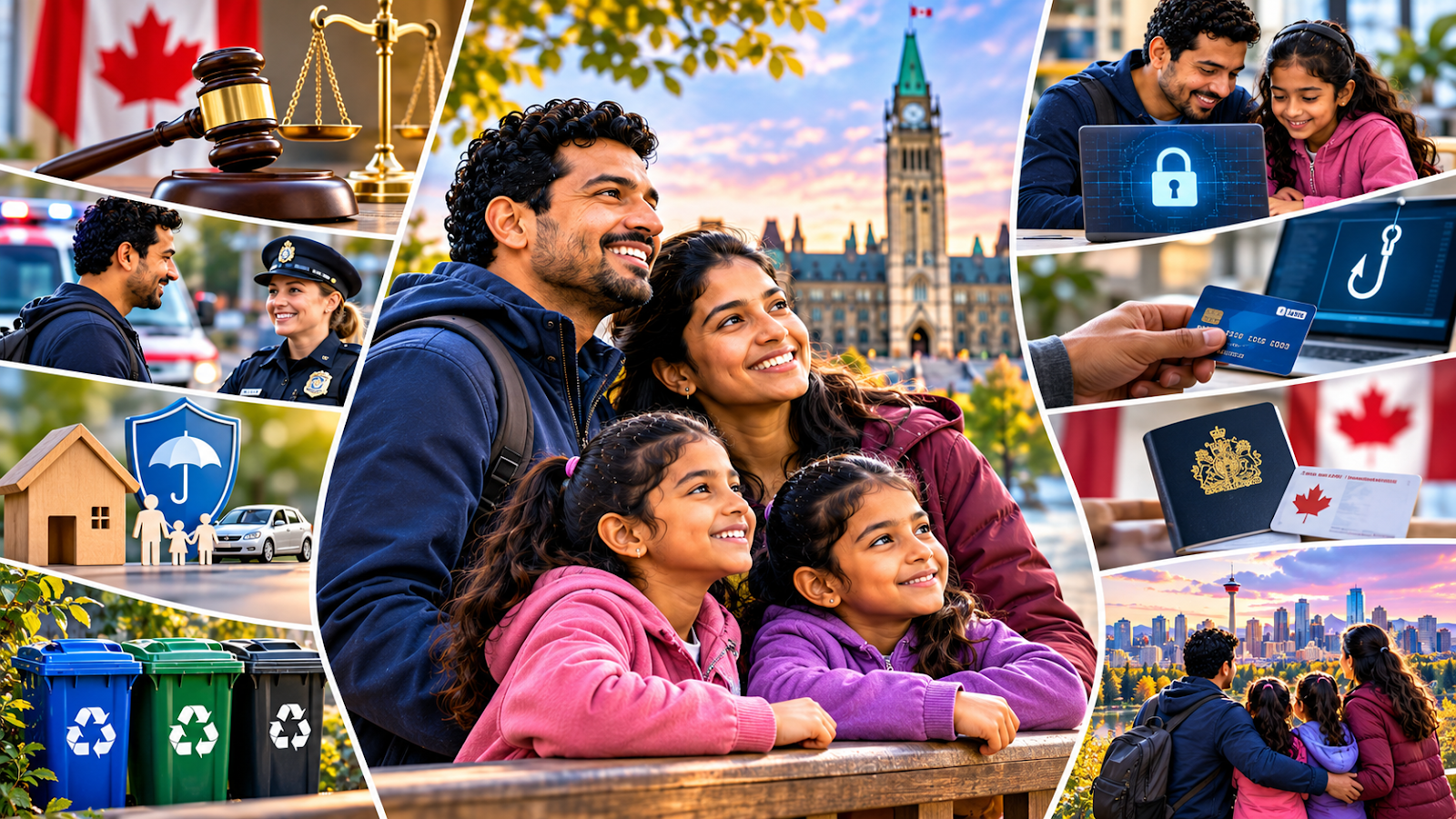
Throughout this series, we have explored many parts of starting a new life in Canada, from finding a home and getting a job to understanding healthcare, managing money, and becoming part of your community. As you become more settled, it is equally important to understand the laws and responsibilities that shape everyday life in Canada.

You do not need to become a legal expert, but knowing your basic rights and responsibilities can help you protect yourself, make informed decisions, and avoid unnecessary problems. Remember that some laws apply across Canada, while others vary between provinces, territories, and municipalities.

🇨🇦 Your Rights and Responsibilities

Canada has laws that protect fundamental rights such as equality, freedom of expression, freedom of religion, and protection from discrimination. These rights are important parts of Canadian society and apply to people living in Canada, not only citizens.

At the same time, everyone has a responsibility to follow the law, respect other people's rights, and contribute to a safe community. Cultural traditions and personal beliefs are important, but they do not justify violence, abuse, forced marriage, or discrimination. Understanding this balance helps newcomers maintain their cultural identity while adapting to Canadian society.

🚓 Dealing With Police and Emergencies

If you interact with the police, remain calm and communicate respectfully. If you are arrested or detained, you have important legal rights, including the right to know why and the right to speak with a lawyer without delay. If you do not understand English or French, ask for interpretation assistance.

For immediate emergencies involving serious injuries, fire, danger to life, or a crime in progress, call 911. For non-emergency matters, contact your local police service through its non-emergency number. Knowing when and how to seek help is an important part of staying safe.

🛡️ Understanding Insurance

Insurance helps protect you and your family from unexpected financial difficulties. Depending on your circumstances, you may need vehicle, tenant, home, travel, life, or additional health insurance.

For example, tenant insurance can help protect your belongings and provide personal liability coverage, while automobile insurance is generally mandatory for drivers. Before purchasing a policy, understand what it covers, what is excluded, and how to make a claim. Never assume that every expense or accident is automatically covered.

🛒 Knowing Your Consumer Rights

As a consumer, you have certain protections when purchasing products and services. These may include protection against misleading advertising, unfair business practices, and certain unfair contract terms. Consumer protection laws vary between provinces and territories.

Before signing an agreement, purchasing an expensive item, or accepting a service, read the conditions carefully. Keep receipts and understand refund policies, warranties, and cancellation terms. If you experience an unfair business practice, your provincial or territorial consumer protection office can provide guidance.

🔐 Digital Life and Online Safety

Online services have become part of everyday life in Canada. You may use the internet for banking, shopping, healthcare appointments, government applications, and communication. While these services make life easier, protecting your personal information is essential.

Use strong passwords, enable additional security verification where available, and avoid opening suspicious links or attachments. Never share your banking passwords or verification codes with someone who contacts you unexpectedly. When accessing government services, make sure you are using official websites.

🚨 Banking Scams and Fraud Awareness

Newcomers can sometimes become targets of financial scams because they are unfamiliar with Canadian systems. Scammers may pretend to be immigration officers, police officers, bank employees, or government representatives. They may threaten you with arrest, promise guaranteed immigration approval, or demand immediate payment.

Be cautious when someone pressures you to transfer money or share personal information. Government agencies and legitimate financial institutions have established procedures, and unexpected demands for gift cards, cryptocurrency, or immediate payments should raise concerns. If you suspect fraud, contact your bank through its official contact details and report the incident to the Canadian Anti-Fraud Centre.

♻️ Recycling and Waste Systems

Looking after the environment is part of everyday community life in Canada. Most municipalities have systems for household garbage, recycling, and sometimes organic waste. The rules and collection schedules depend on where you live.

Learn which materials belong in each bin and how to dispose of items such as batteries, electronics, and hazardous household products. Following local recycling guidelines helps keep neighbourhoods clean and reduces unnecessary waste.

🤝 Understanding Canadian Values

Canada is home to people from different cultures, languages, religions, and backgrounds. Equality, respect, fairness, individual freedom, and the rule of law are important principles in Canadian society.

You do not need to abandon your cultural identity to become part of Canada. You can maintain your language, traditions, food, and beliefs while learning to understand and respect the values and rights of others. A successful multicultural society depends on mutual respect and participation.

🛂 Staying Updated on Permanent Residency

For many newcomers, permanent residency is an important milestone. If you are already a permanent resident, understand your responsibilities, including the residency obligation and keeping your immigration documents up to date.

If you are still working towards permanent residency, remember that immigration programs, eligibility requirements, and application procedures can change. There are different pathways, including economic immigration, family sponsorship, and certain humanitarian or protected-person pathways.

Use the official Immigration, Refugees and Citizenship Canada (IRCC) website to check program requirements, application updates, processing times, and announcements. If you have submitted an application, use your official IRCC account or application status tracker to follow its progress. Be careful of individuals or websites promising guaranteed approval.

🍁 Pathways to Canadian Citizenship

For many permanent residents, Canadian citizenship is a long-term goal. Citizenship provides additional rights, including the right to vote in Canadian elections and apply for a Canadian passport.

Most adult applicants must have permanent resident status, meet the physical presence requirement, satisfy applicable tax-filing requirements, and demonstrate adequate knowledge of English or French if they are between 18 and 54. Applicants in that age group must also pass the citizenship test. Requirements can change, so always check the official IRCC website before applying.

🏡 Building a Long-Term Life in Canada

Settling in Canada is not a single event. It is a gradual process of building a career, supporting your family, managing finances, understanding your responsibilities, and becoming part of your community. Your priorities may change over time, and your journey may include new opportunities, challenges, and decisions.

Some newcomers may choose to become Canadian citizens, while others may build a fulfilling life as permanent residents. Some may move between provinces, change careers, start businesses, or continue their education. There is no single definition of success. What matters is understanding your opportunities and making decisions that support the future you want.

🌱 Reflection: Making Canada Your Home

When you first arrive in Canada, almost everything feels unfamiliar. You gradually learn how to find a home, access healthcare, use public transportation, manage money, understand workplace culture, and communicate with people from different backgrounds.

Over time, these unfamiliar experiences become part of your everyday life. You begin to understand not only how things work in Canada but also how you can contribute to the society around you.

Building a life in a new country does not mean leaving your past behind. Your culture, language, experiences, and personal values remain important parts of who you are. You can carry those roots with you while building new relationships and embracing new opportunities.

Canada may have started as a destination, but with time, effort, and meaningful connections, it can become your home. The journey from newcomer to belonging is not about becoming someone else. It is about building a new chapter of your life while remaining true to who you are.

What Do Bears Eat, and Why Does It Matter?

What Do Bears Eat, and Why Does It Matter?

Bear & Human Series | RecMike Chronicles

In our previous article, we followed bears through the changing seasons and discovered how they prepare for winter. But what makes this seasonal journey possible? Food.

Imagine walking through an Alberta forest in late summer. Berries grow on bushes, insects move beneath fallen logs, and roots are hidden in the soil. For a brown bear, this forest is more than a beautiful place to explore. It is a natural food store.

A bear's diet is surprisingly varied. It does not spend every day hunting large animals or catching fish. Much of its time is spent searching, digging, grazing, and eating whatever nutritious food the environment provides.

A Bear Is Not Just a Meat-Eater

Brown bears are omnivores, meaning they eat both plants and animals. Their diet can include grasses, roots, berries, nuts, insects, fish, small mammals, and carrion.

In the Canadian Rockies, plant foods make up a large part of a grizzly bear's diet. Meat is only one part of the picture. Bears are opportunistic feeders, which means they take advantage of whatever food is available.

This flexible diet helps them survive in different habitats, from mountain forests to coastal regions. It also means that two bears living in different environments may eat quite different foods.

A Menu That Changes With the Seasons

A bear's food choices change throughout the year.

In spring, when bears emerge from their winter dens, they search for roots, bulbs, fresh grasses, and animals that died during winter. As summer arrives, insects, vegetation, and other available foods become important.

By late summer and autumn, berries and other high-energy foods can become especially valuable. Bears need to build up fat reserves before returning to their winter dens.

This period of intensive feeding is known as hyperphagia. Bears may spend much of their waking time searching for food and eating. The energy they gain helps them survive months without feeding during winter.

When Salmon Is on the Menu

Along the Pacific coast of North America, salmon can be an important food source for brown bears. During salmon runs, bears gather near rivers and streams to catch fish.

But the relationship does not end with feeding. Bears often carry salmon away from the water, leaving remains in the surrounding forest. These remains provide nutrients to the soil and nearby plants.

Research has shown that bears help move nutrients from salmon streams into the surrounding ecosystem. In this way, feeding bears can also contribute to the health of the forest.

More Than Just Feeding

Bears also help spread plant seeds. When they eat berries, some seeds pass through their digestive systems and are deposited elsewhere in their droppings.

This helps certain plants spread to new areas. It is a reminder that bears are not simply consumers within an ecosystem. Their everyday feeding habits can influence the environment around them.

When Natural Food Becomes Scarce

Food availability can also affect how bears interact with people. When natural food is limited, bears may travel farther in search of something to eat.

Unsecured garbage, birdseed, pet food, and other human food sources can attract them into residential areas. Once bears become accustomed to finding food near people, the situation can become dangerous for both humans and bears.

Keeping food and garbage secure is therefore an important part of living responsibly in bear country.

A Food Story Worth Understanding

A bear's diet tells us much more than what it eats. It reveals how closely the animal depends on seasonal changes, healthy habitats, and the availability of natural food.

Understanding this connection helps us see bears as part of a much larger natural system.

In our next article, we will explore another interesting question: Are Bears Really Solitary Animals? Although brown bears are often described as animals that live alone, their social lives are more complicated than we might think.

2026/10/21

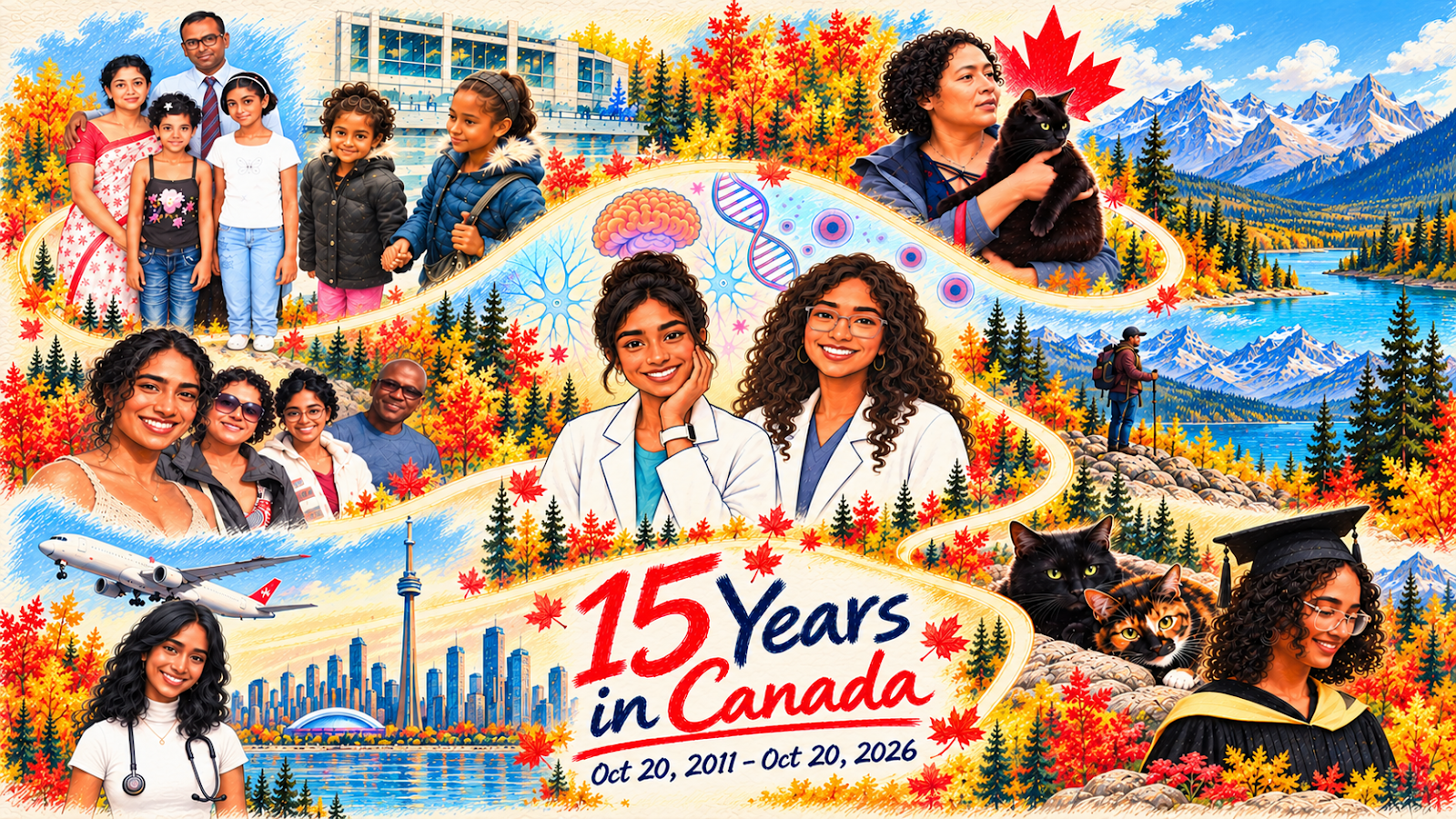
15 Years in Canada | කැනඩාවට ඇවිත් අවුරුදු 15යි

Today is a very special day for my family and me. It marks exactly 15 years since we left our homeland and arrived in Canada. Reaching this milestone gave me a moment to pause, reflect, and write down a few thoughts.

You probably know that writing has always been a favourite hobby of mine, and while I usually write longer, more detailed posts, this time I wanted to keep things simple and share our journey point by point. I wanted to outline what we lost, what we gained, the sacrifices we made, and the lessons life taught us over these 15 years. I hope sharing our experiences offers a helpful perspective or insight to anyone on a similar path.

අද මට වගේම අපේ පවුලටත් ගොඩක් සුවිශේෂී දවසක්. අපි උපන් බිමෙන් කැනඩාවට ඇවිත් අදට හරියටම අවුරුදු 15ක් පිරෙනවා. ඉතින් මේ සුවිශේෂී දවස, අවස්ථාව ගැන හිතන්නට වගේම ඒ ඔස්සේ ලියන්නටත් මට හිතුණා. ලිවීම විනෝදාංශයක් කරගත් මා, වෙනදට ටිකක් දිගට ලිව්වත්, මේ ලිපිය සරලව, කරුණූ ලෙස, අපේ මේ දීර්ඝ ගමන දිහා ආපසු හැරී බලන්නයි උත්සාහය. මේ අවුරුදු 15 ඇතුළේ අපට අහිමි වුණු දේ, ලැබුණු දේ සහ ජීවිතය කියා දුන් පාඩම් ගැන සරලව සටහන් කරන්න හිතුණා. මේ අත්දැකීම් සමාන ගමනක යෙදෙන තවත් කෙනෙකුට යම් ප්‍රයෝජනයක් වේවි කියලා මම හිතනවා.

1. What We Missed | අපට අහිමි වූ දේ

❤️Family and Loved Ones | ආදරණීයයන්ගේ ළඟම ඇසුර

We lost the physical closeness of our parents, relatives, and lifelong friends built over decades. We missed our beloved students, our old neighbourhood, and the simple, friendly people we connected with through our work in the hospital. Most of all, we missed the warm, genuine smiles of everyday people back home.

දශක ගණනාවක් තිස්සේ අපේ ජීවිතවල සිටි දෙමාපියන්, ඥාතීන් සහ හිතමිතුරන්ගේ ළඟම ඇසුර අපට අහිමි වුණා. අපේ ආදරණීය සිසුන්, පරණ ගම් වටපිටාව, වගේම රෝහල් පරිසරය තුළින් හමුවුණු අහිංසක මිනිසුන් අපට නැති වුණා. හැමදේටම වඩා, ඒ මිනිසුන්ගේ මූණුවල තිබුණු අවංක, ආදරණීය හිනාවන් අපට ගොඩක් මඟහැරුණා.

❤️ Familiar Surroundings and Culture | හුරුපුරුදු සංස්කෘතිය සහ පරිසරය

We missed the familiar food, language, humour, traditions, and rich cultural life we grew up with. Most of all, we missed that relaxed, easygoing rhythm of daily life and the deep warmth of Sri Lankan hospitality.

කුඩා කාලයේ සිටම හුරුපුරුදු වුණු ආහාර, රස, භාෂාව, විහිළු තහළු, සංස්කෘතික අංග සහ ඒ නිදහස්, සැහැල්ලු ජීවන රටාව අපට නැති වුණා. ඒ වගේම අපේ රටේ මිනිසුන් අතර තිබුණු ඒ හෘදයාංගම උණුසුම අපට මග හැරුණා.

❤️Our Established Professional Careers | ගොඩනගාගෙන තිබුණු වෘත්තීය ජීවිතය

We left behind years of dedicated study, clinical expertise, and the demanding yet rewarding rhythm of our nursing careers. Rebuilding our professional lives meant hitting reset, going back to studying, adapting to a new system, and starting all over again.

වසර ගණනාවක් තිස්සේ මහන්සි වී ඉගෙනගෙන, හෙද වෘත්තිය තුළ අප ලබාගෙන තිබුණු පළපුරුද්ද සහ ඒ අවිවේකී නමුත් සුන්දර සේවා රටාව අපට අතහරින්න සිදු වුණා. වෙනත් රටක නැවත වෘත්තීය ජීවිතය පටන්ගන්නවා කියන්නේ මුල සිටම ඉගෙනගෙන, අලුත් පළපුරුදු එකතු කරගනිමින් නැවත ආරම්භ කිරීමක් වුනා.

❤️Spontaneous Friendship and Visits | නිදහසේ කාලය ගත කිරීමේ අවස්ථාව

We lost the freedom to drop by and meet friends on a whim or spend unstructured time together. Instead, we had to learn to plan and schedule almost every visit and activity carefully.

හිතුණු ගමන් යාලුවෙක් බලන්න යන්න, නැත්නම් හවස් වරුවක නිදහසේ කතාබහ කරමින් ඉන්න තිබුණු අවස්ථාව නැති වුණා. ඒ වෙනුවට හැම දෙයක්ම කලින් සැලසුම් කරන්න අපට සිදු වුණා.

❤️The Tropical Climate | නිවර්තන කාලගුණය

We missed the year-round warmth, bright sunshine, and ocean breeze. Moving here meant trading that for four distinct seasons, a cold climate marked by changing landscape colours and freezing winters.

අවුරුද්ද පුරාම ලැබුණු හිරු එළිය, උණුසුම සහ මුහුදු සුළඟේ සුවඳ අපට අහිමි වුණා. ඒ වෙනුවට සෘතු හතරක් පුරා වෙනස් වෙන, සුන්දර නමුත් හොඳටම තද සීතල පරිසරයක්ද අපට හිමි වුණා.

❤️The Comfort of Intuitive Social Rules | හුරුපුරුදු සමාජ රටාව

We lost the comfort of navigating a society, culture, and set of unwritten daily rules that had been second nature to us since childhood. In Canada, we had to relearn everything from workplace dynamics to everyday social norms.

කුඩා කල සිටම අප හොඳින් දැන සිටි සමාජ රටාව, සංස්කෘතිය සහ නොලියවුණු නීති අතහැරලා, කැනඩාව තුළ රැකියා ස්ථානයේ හැසිරීම්වල සිට සමාජීය සිරිත් විරිත් දක්වා ගොඩක් දේ අලුතින් ඉගෙනගන්න සිදු වුණා.

2. What We Gained | අපට ලැබුණු දේ

💚Freedom and Opportunity for Our Daughters | දියණියන්ගේ අනාගතය සහ ස්වාධීනත්වය

Our primary goal was to give our children the space to enjoy their childhood, build the future they genuinely wanted, and grow into self-reliant adults. Canada gave us the exact platform to make that dream a reality.

අපේ ප්‍රධානම ඉලක්කයක් වුණේ දරුවන්ට නිදහස් ළමාවියක් ලබාදීලා, තමන් කැමති අනාගතයක් ගොඩනඟාගන්නත්, කාටවත් බරක් නොවී ස්වාධීනව ජීවත් වෙන්නත් අවශ්‍ය අවස්ථාව හදලා දෙන එක. ඒ අවස්ථාව මේ රටින් අපට උපරිමයෙන් ලැබුණා.

💚A Global, Forward-Thinking Education | පුළුල් අධ්‍යාපන අවස්ථා

We wanted to free our children from the intense academic pressure that begins as early as first grade in Sri Lanka. Instead, we sought an education open to diverse pathways and future-oriented learning. Today, both of our daughters are thriving as professionals in medicine and medical research, thanks to the opportunities and freedom the Canadian system provided.

පළමු පන්තියේ සිටම අධික තරගකාරීත්වයක් තියෙන අධ්‍යාපන ක්‍රමයෙන් මිදී, ලෝකයට විවෘත වුණු, අනාගතයට ගැලපෙන අධ්‍යාපනයක් දරුවන්ට දීම අපේ අරමුණක් වුණා. කැනඩා අධ්‍යාපන පද්ධතිය ඔවුන්ට ලබා දුන් ඒ අවස්ථා සහ නිදහස නිසාවෙන්, ඒ අරමුණ සාර්ථක වී අපේ දියණියන් දෙදෙනාම වෛද්‍ය සහ වෛද්‍ය පර්යේෂණ ක්ෂේත්‍රවල වෘත්තිකයන් ලෙස ඉදිරියට යනවා.

💚The Ability to Start Fresh | අලුතින් ආරම්භ කිරීමේ හැකියාව

We learned that starting over does not mean starting from zero. Our prior experience, knowledge, personal discipline, and willingness to learn became the foundation for rebuilding our lives.

අලුතින් පටන්ගන්නවා කියන්නේ හිස්තැනකින් පටන්ගැනීම නොවන බව අපි තේරුම් ගත්තා. අපේ වෘත්තීය දැනුම, පළපුරුද්ද, විනය සහ අලුත් දේ ඉගෙනගැනීමට තිබුණු උනන්දුව අපේ ජීවිත නැවත ගොඩනඟාගන්න විශාල හයියක් වුණා.

💚Personal Freedom for Our Family | අපට කැමති ලෙස ජීවත් වීමේ නිදහස

We wished for a life where we could guide our family on our own terms, away from unwanted external pressure, commentary, or interference. As a family, we built a peaceful, independent "family life" guided by our own values.

කාගෙවත් අනවශ්‍ය බලපෑම්, උපදෙස් හෝ අතපෙවීම් නැතිව, අපේ පවුලේ ජීවිතය අපට අවශ්‍ය විදියට නිදහසේ ගත කරන්න තිබුණු බලාපොරොත්තුව මේ රට තුළදී සාර්ථක කරගන්න අපට පුළුවන් වුණා.

💚Resilience and Personal Growth | ආත්මශක්තිය සහ පරිණතබව

We became far more adaptable, patient, and resilient. We learned how to face uncertainties without fear, accept setbacks gracefully, and adjust our sail whenever life called for a new direction.

ඕනෑම තත්ත්වයකට අනුවර්තනය වෙන්න, ඉවසන්න සහ අභියෝගවලට මුහුණ දෙන්න අපි ඉගෙනගත්තා. අවිනිශ්චිතතාවලට බිය නොවී මුහුණ දෙන්නත්, පසුබෑම් හමුවේ ගමන් මඟ වෙනස් කරමින් ඉදිරියට යන්නත් මේ ගමන අපට කියා දුන්නා.

💚A Broader Perspective on Humanity | ලෝකය සහ මිනිසුන් පිළිබඳ පුළුල් අවබෝධය

Living in a multicultural society expanded our understanding of people and global culture. It reinforced our core belief that regardless of differences in ethnicity, religion, or background, genuine kindness and mutual respect matter most.

බහුසංස්කෘතික සමාජයක ජීවත් වීමෙන් ලෝකය සහ මිනිසුන් දෙස පුළුල්ව බලන්න අපට හැකි වුණා. ජාතිය, ආගම, භාෂාව මොකක් වුණත්, ඒ හැමදේටම වඩා කරුණාව සහ අන්‍යෝන්‍ය ගෞරවය වටින බව අපේ විශ්වාසය තවත් තහවුරු වුණා.

💚A Deeper Connection to Nature | සොබාදහමේ අත්දැකීම්

While we always cherished Sri Lanka's natural beauty, living in Canada gave us the chance to experience nature on a vast, majestic, and completely different scale.

ලංකාවේ සුන්දරත්වය අගය කළ අපට, ඊටත් වඩා පුළුල් සහ වෙනස්ම ආකාරයේ ස්වාභාවික පරිසරයක අත්දැකීම් විඳගන්න කැනඩාව තුළදී අවස්ථාව ලැබුණා.

💚Giving Back to Others | අත්දැකීම් බෙදාහදා ගැනීම

Sharing our personal journey and the lessons we learned from relocating and settling in Canada allowed us to support and guide fellow friends starting their own transition.

කැනඩාවට පැමිණි ගමන සහ මෙහෙ ජීවිතය ගැන අපේ අත්දැකීම් බෙදාහදා ගනිමින්, අලුතින් පැමිණෙන තවත් යාළුවන්ට කිසියම් හෝ උපකාරයක් කරන්න ලැබීමත් ලොකු සතුටක්.

3. What We Sacrificed | අප කැප කළ දේ

🧡Professional Seniority and Status | වෘත්තීය ජ්‍යෙෂ්ඨත්වය සහ තත්ත්වය

We had to set aside the career rank, reputation, and authority we had built over the years in Sri Lanka and take on the humbling task of proving ourselves all over again.

ලංකාවේදී අප ලබාගෙන තිබුණු වෘත්තීය ජ්‍යෙෂ්ඨත්වය සහ තත්ත්වය යම් කාලයකට අතහැරලා, නැවත මුල සිටම කැපවීමෙන් වැඩ කරන්න අපට සිදු වුණා.

🧡Familiar Comfort and Security | හුරුපුරුදු ආරක්ෂිත බව

We left a comfortable, predictable environment and entered a new country where we had to make critical life decisions while navigating constant "unknowns".

හුරුපුරුදු ආරක්ෂිත වටපිටාව අතහැරලා, අනාගතයේ කුමක් වේදැයි නොදැන අලුත් දේ ඉගෙනගනිමින් සහ අභියෝගවලට මුහුණ දෙමින් ජීවත් වෙන්න සිදු වුණා.

🧡Tremendous Time and Energy | කාලය සහ ශ්‍රමය

Establishing a stable foundation in a foreign country demanded immense commitment, requiring us to invest countless hours, physical effort, and mental energy.

අලුත් රටක ස්ථාවර ජීවිතයක් ගොඩනගාගන්න විශාල කැප කිරීමක් කරන්න වුණා. අපේ කාලය, ශ්‍රමය සහ ශක්තිය ගොඩක් ඒ වෙනුවෙන් යොදවන්න සිදු වුණා.

🧡Initial Financial Stability | මූල්‍යමය ස්ථාවරත්වය

We stepped away from the financial security, accumulated savings, and properties we owned back home. Trading that certainty for an initial period of financial hardship was tough, but we worked step by step to regain independence.

ලංකාවේ ගොඩනගාගෙන තිබුණු ආර්ථික ස්ථාවරත්වය සහ දේපළ අතහැරලා, මුල් කාලයේ ආර්ථික අවිනිශ්චිතතාවලට මුහුණ දෙමින් නැවත හෙමින් හෙමින් ආර්ථික ස්ථාවරත්වය ගොඩනගාගන්න සිදු වුණා.

4. What Life Taught Us | මේ ගමනේදී ජීවිතය අපට කියා දුන් පාඩම්

💙Starting over is not starting from zero. නැවත පටන් ගැනීම බිඳ වැටීමක් නොවේ.

Your experience, knowledge, and integrity travel with you; they remain your most valuable assets anywhere in the world.

අලුතින් පටන්ගැනීම කියන්නේ හිස්තැනකින් පටන්ගැනීම නෙවෙයි. වෙනත් රටක, අළුත් ජීවිතයක් නැවත පටන්ගත්තත් අපේ අත්දැකීම් සහ දැනුම අපේ වටිනාම සම්පත් ලෙස අප ළඟම තියෙනවා.

💙Success is deeply personal. සාර්ථකත්වය අනුන්ගේ නොවේ.

True success is not measured solely by income, credentials, or job titles. Peaceful family life, good health, and peace of mind matter just as much.

සාර්ථකත්වය කියන්නේ හැමෝටම එකම දෙයක් නෙවෙයි. හොඳ ජීවිතයක් මනින්නේ ආදායම හෝ තනතුරු වලින් විතරක් නෙවෙයි; මානසික සැනසීම, සෞඛ්‍යය සහ පවුලේ සතුට ඊටත් වඩා වටිනවා.

💙Children need open pathways, not rigid blueprints. දරුවන් ඔවුන්ගේ අනාගතය ලබා ගන්නට දෙන්න.

Our responsibility as parents is to provide our daughters with choices and unwavering support, not to dictate every step of their lives.

දරුවන්ට අවශ්‍ය වන්නේ අපි තීරණය කළ අනාගතයක් නෙවෙයි, ඔවුන්ට අපෙන් අවශ්‍ය වන්නේ තමන්ගේ අනාගතය හොයාගන්න අවස්ථා සහ සහයෝගය විතරයි.

💙Hard work must be paired with adaptability. මහන්සි වීමම සාර්ථක නොවිය හැක

Effort alone doesn't guarantee everything goes according to plan. Sometimes we must accept setbacks, learn from mistakes, and pivot gracefully.

මහන්සි වුණු පමණින්ම, හැමදේම අපේ සැලසුම් ලෙස සිදු නොවන්නට පුළුවන්. සමහර වෙලාවට පසුබෑම් පිළිගෙන, වැරදිවලින් ඉගෙනගෙන, සැලසුමක් ඇතිව, වෙනත් පාරක යන්නත් සූදානම් වෙන්න ඕනේ.

💙Health is true wealth. නිරෝගිකම අමිල වටිනාකමකි.

Navigating personal health challenges taught our family to treasure every day and celebrate what we can still accomplish together.

ජීවිතයේ මුහුණ දෙන්න වුණු සෞඛ්‍ය අභියෝගවලින් අපි තේරුම් ගත්තේ නිරෝගීකම තරම් තවත් සම්පතක් නැති බවයි. එකට ඉන්න ලැබෙන හැම මොහොතක්ම අගය කරන්න අපි ඉගෙනගත්තා.

💙Time is our most non-renewable resource.

You cannot recover lost time with those you love. Cherish every ordinary moment spent together today.

කාලය නැවත ලබාගන්න බැහැ. ආදරය කරන අය එක්ක මඟහැරෙන මොහොතවල් නැවත ලැබෙන්නේ නැති නිසා, දරුවන්, පවුලේ හැම සමඟ එකට ඉන්න ලැබෙන කාලය උපරිමයෙන් අගය කරන්නට ඕනේ.

💙Home can exist in more than one place. නිවස , හදවත රැදෙන තැනයි

You can miss Sri Lanka deeply while feeling immensely grateful for Canada. Our roots and our present reality can peacefully coexist in our hearts.

"නිවස" කියන්නේ එකම එක තැනකට විතරක් නෙවෙයි. ලංකාව ගැන ආදරණීය මතකයන් තියෙද්දිම, කැනඩාව ගැන කෘතඥ වෙන්න අපට පුළුවන්. ඒ දෙකම අපේ හදවතේ එක වගේ තියෙනවා.

💙You don't need all the answers to take the first step. සියළු උත්තර ලැබෙන තුරු අභියෝග නොලබා ඉන්නට බැහැ.

Courage isn't about knowing the exact outcome; it's the willingness to move forward even when the road ahead is uncertain.

අභියෝගයකට මුහුණදෙන්නට පටන්ගන්න කලින්ම සියලුම උත්තර දැනගෙන ඉන්න අවශ්‍ය නැහැ. ධෛර්යය කියන්නේ ඉදිරියට වෙන දේ හරියටම දැනගැනීමම නෙවෙයි, අවිනිශ්චිතතාවය මැද වුණත් පළමු පියවර තැබීමයි.

5. What We Are Most Grateful For | අප වඩාත්ම කෘතඥ වන දේ

💜 Our Daughters අපේ දරුවන්

The two little girls who boarded the plane with us 15 years ago have grown into strong, independent, and capable women building their own professional futures.

අප සමඟ කැනඩාවට ආ පුංචි දියණියන් දෙදෙනා අද තමන්ගේ අනාගතය සාර්ථකව ගොඩනඟාගන්නා ස්වාධීන, ශක්තිමත් වැඩිහිටියන් බවට පත්ව සිටීම.

💜 Our Partnership අප දෙදෙනා දැරූ බර

Navigating total uncertainty, adapting through career resets, and standing by each other through every high and low as a couple.

අවිනිශ්චිතතා සහ අභියෝග හමුවේ එකිනෙකාට ශක්තියක් වෙමින් එකට මේ ගමන පැමිණීමට ලැබීම.

💜Canada's Opportunities කැනඩාව ලබා දුන් අවස්ථා

The chance to build a quiet, safe, and meaningful life aligned with our core values.

අපේ පවුලේ වටිනාකම්වලට ගැලපෙන සාමකාමී ජීවිතයක් ගොඩනඟාගන්න කැනඩාවෙන් ලැබුණු අවස්ථාව.

💜The Strength to Keep Moving Forward අභියෝග බාරගෙන ඉදිරියට යන්නට තිබුණු ධෛර්යය

Learning to live alongside life's uncertainties, learning from every hardship, and continuing forward.

අභියෝග හමුවේ නොවැටී, අත්දැකීම්වලින් ඉගෙනගනිමින් දිගටම ඉදිරියට යාමට ලැබුණු ශක්තිය.

💜Life’s Simple Blessings - ජීවිතය අපට දුන් සතුට

Family conversations around the table, quiet moments, connection to nature, and simple time spent together.

පවුලේ කතාබහ, සොබාදහම, සාමකාමී දවස් සහ එකට ගත කරන කාලය වැනි පුංචි දේවල්වලින් ලැබෙන විශාල සතුට.

Final Reflection | අවසාන ආවර්ජනය

Exactly 15 years ago today, we left Sri Lanka with our two little daughters, four CoPR papers, around $25,000 CAD, two Sri Lankan passports, and no concrete master plan for the future. Today, we look back with immense gratitude for the life we’ve built, the opportunities we were given, and the personal growth along the way.

It’s true, on this journey, we missed precious connections, familiar places, and irreplaceable moments. But in return, we gained new doors opened, the strength to face any challenge, true independence, and the pure joy of watching our daughters shape their own futures.

We didn't build a picture-perfect life in Canada, nor did we become "wealthy". What we built is something far more valuable: a life that fits our family, holds genuine meaning for us, and is simply a life we love. And that is more than enough.

අදින් හරියටම වසර 15කට පෙර අපි ශ්‍රී ලංකාවෙන් පිටත් වුණේ පුංචි දියණියන් දෙදෙනෙක්, ස්ථිර පදිංචිය තහවුරු කරන ලියකියවිලි හතරක්, කැනේඩියානු ඩොලර් 25,000ක පමණ මුදලක්, ශ්‍රී ලංකා විදේශගමන් බලපත්‍ර දෙකක් සහ අනාගතය පිළිබඳ ලොකු සැලසුම් මුකුත්ම නැතුවයි. අද අපි ආපසු හැරී බලන්නේ අප ගොඩනඟාගත් ජීවිතය, අපට ලැබුණු අවස්ථා සහ අප ලැබූ පරිණතබව පිළිබඳ විශාල සතුටකින්.

ඇත්ත, මේ ගමන ඇතුළේ අපට අපේ ළඟම බැඳීම්, හුරුපුරුදු තැන් සහ නැවත ලබාගත නොහැකි සුන්දර මොහොතවල් මඟහැරුණා. ඒ වෙනුවට අපට අලුත් අවස්ථා, අභියෝගවලට මුහුණ දීමේ ශක්තිය, ස්වාධීනත්වය සහ අපේ දියණියන් තමන්ගේ අනාගතය ලස්සනට ගොඩනඟාගන්නා ආකාරය දැකීමේ සතුට ලැබුණා.

මෙතෙක් ආ ගමනේ, අපි කැනඩාව ඇතුළේ පරිපූර්ණ ජීවිතයක් හෝ ලොකු සල්ලිකාරයන් ලෙස ජීවිතය ගොඩනඟාගත්තේ නැහැ. අපි ගොඩනඟාගත්තේ අපේ පවුලට ගැලපෙන, අපට වටිනාකමක් දැනෙන, "අපි ආස කරන අපේම නිදහස් ජීවිතයක්" . ඒ හොඳටම ඇති අපට!

නිමාවට පෙර,

ඉතින්, මේ ලැබූ අත්දැකීම් තුල අප විඳි, උගත් යමක් ඇත්නම්, නොසඟවා, නොවිකුණා ඒ අදහස්, අත්දැකීම් වගේම අභියෝග ඔස්සේ ලැබූ ජීවන අත්දැකීම් බෙදා ගන්නට හැමදාමත් මා සූදානම්, ඒ අපේ "කැනඩාවට එන්නට මඟ" ගෲප් එක ඇතුලේ, එහෙම නැත්නම් "සිත් සුව අරණ" ෆේස්බුක් ගෲප් එක ඇතුලෙ වෙන්නත් පුළුවන්.

🍁ෆේස්බුක් ගෲප්ස් ඔස්සේ නැතිව ,කෙළින්ම මගෙන් යමක් විමසන්නට ඇත්නම් මෙන්න මේ ලිංක් එක ඔස්සේ ඒ වෙනුවෙන් ඔබට අවස්ථාව තියෙනවා. Ask Mike

2026/10/19

Sri Lanka's Unsung Heroes- Part 20

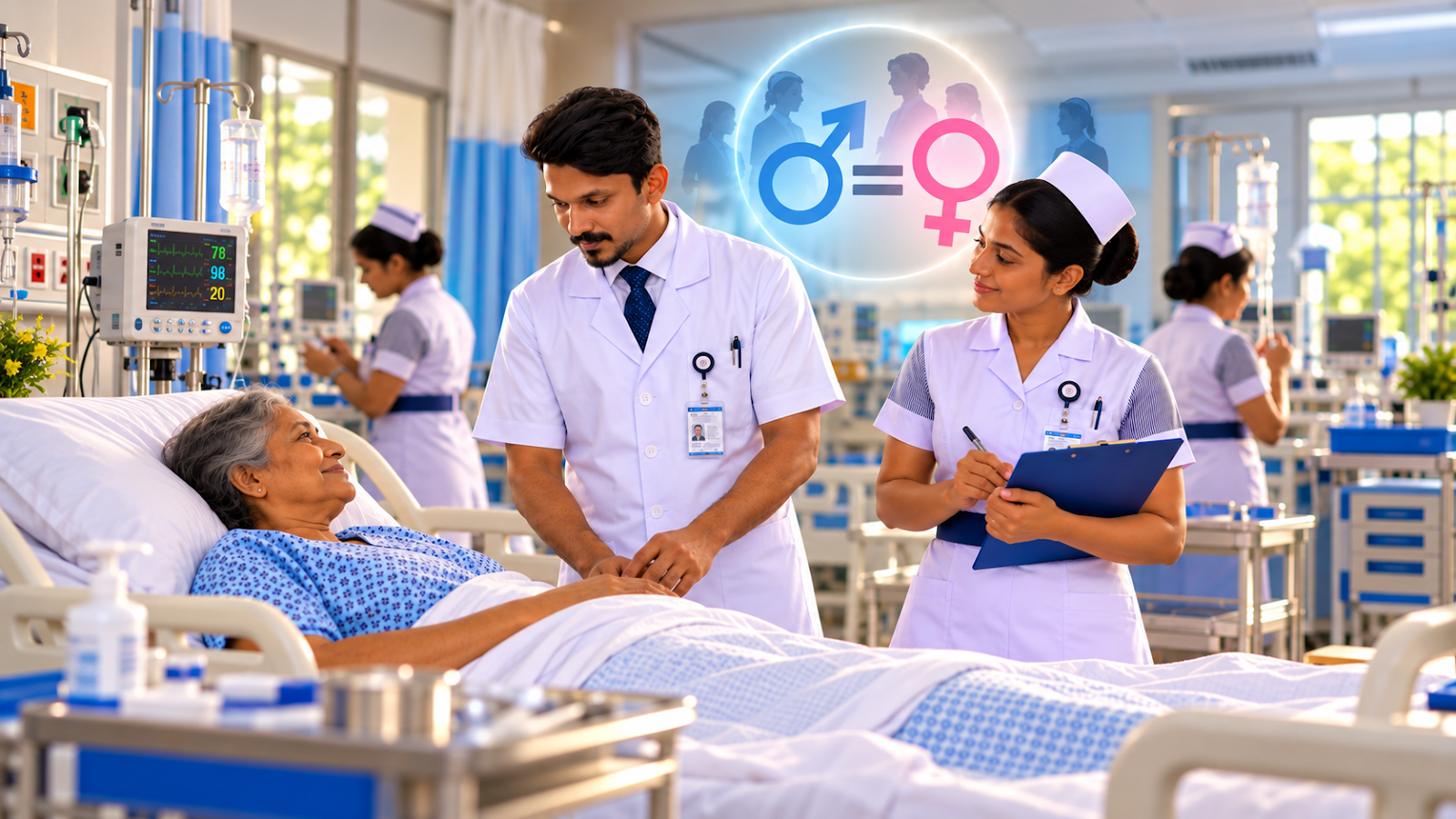
Part 20: The 5 Percent Question: Gender Equity and the Male Nursing Quota

A Question We Cannot Ignore

In the previous articles, we explored how better education, fair salaries, professional protection, and stronger regulation could help build a more sustainable future for Sri Lankan nursing. But there is another issue that deserves our attention: whether Sri Lanka is making full use of the people who are willing and qualified to become nurses.

Only about 5 percent of Registered Nurses in Sri Lanka's government service are male. At first glance, this might appear to reflect social preferences or traditional attitudes towards nursing. However, there is a more important question to consider. Is this low representation simply the result of individual choices, or does the system itself create barriers that prevent capable people from entering the profession?

The answer requires us to look beyond cultural expectations and examine the policies that shape nursing recruitment. When a country faces a serious nursing shortage, it is worth asking whether restricting the number of qualified candidates based on gender makes sense for patients, nurses, or the healthcare system as a whole.

When Five Percent Becomes a Barrier

In 2013, Gazette Notification 1837/8 formalised a policy that limited male recruitment to no more than 5 percent of total nursing recruits. This established a formal ceiling rather than leaving recruitment numbers entirely to workforce needs and individual merit.

The implications are significant. Even when hospitals are understaffed and qualified male candidates are available, a gender-based recruitment limit can prevent them from entering the profession. At a time when Sri Lanka needs to strengthen its nursing workforce, excluding potential nurses because they are male raises serious questions about fairness, workforce planning, and the effective use of available talent.

A recruitment policy should help ensure that the healthcare system has enough competent professionals to care for its population. When a fixed gender limit takes priority over merit and workforce requirements, it is reasonable to question whether the policy continues to serve its original purpose.

Is Patient Comfort a Justification?

One argument commonly associated with restrictions on male nurses is that some female patients may feel uncomfortable receiving intimate care from men. Patient comfort, privacy, and dignity are important considerations, and no healthcare professional should dismiss them. However, these concerns should be addressed through appropriate consent, respectful communication, professional boundaries, and reasonable arrangements for intimate care, rather than by assuming that a particular gender is unsuitable for nursing.

Male doctors in Sri Lanka routinely examine and treat female patients, including during intimate medical procedures. Their professional role is generally understood within a framework of clinical competence, patient consent, and professional responsibility. Male nurses should be assessed according to the same principles.

The important distinction is between respecting an individual patient's preference and assuming that all patients share the same preference. Some patients may request a healthcare professional of a particular gender for personal, cultural, or religious reasons. Such requests should be handled sensitively whenever possible. However, they do not automatically justify a national policy that restricts the employment opportunities of an entire group.

My Experience as a Male Registered Nurse

This issue is personal to me because I worked as a Registered Nurse in Sri Lanka, including in gynaecology and obstetrics operating theatres, oncology units, and general medical and surgical wards. From my own experience, I found that female patients could receive care from male nurses without difficulty when communication was respectful, professional boundaries were maintained, and patient dignity was protected.

Of course, my experience cannot represent every patient or every hospital. Individual preferences differ, and every patient deserves to feel safe and respected. However, I believe it is important to distinguish between genuine patient concerns and cultural assumptions that are treated as universal facts without sufficient evidence.

My experience also taught me that nursing is much more than a particular set of tasks traditionally associated with women. It requires clinical knowledge, careful observation, sound judgment, technical skills, emotional intelligence, and the ability to respond calmly when patients are vulnerable. None of these qualities belongs exclusively to one gender.

When the Difference Begins in Nursing School

The distinction between male and female nurses was visible even during my nursing education. Female students attended gynaecology and obstetrics lectures and clinical placements as a normal part of their training, while male students were often redirected towards other subjects or placements.

The message was difficult to miss. Male students were accepted into nursing, but their participation in certain areas of the profession could be restricted simply because of their gender. Such experiences can influence how students understand their future roles and whether they feel fully accepted as members of the profession.

Clinical education should prepare every nursing student to understand the full range of patient needs, including reproductive and sexual health. Where particular clinical experiences require additional safeguards, those safeguards should be designed around patient dignity, consent, and educational requirements. Excluding students by default risks creating gaps in their preparation and reinforcing the very stereotypes that nursing education should challenge.

Looking back, I believe this is an important part of the wider conversation about gender equity. If we want nursing to be recognised as a skilled and respected profession, we must ensure that students are trained according to appropriate educational standards rather than assumptions about which areas of nursing are suitable for men or women.

What Other Countries Can Teach Us

International comparisons provide another useful perspective. Countries such as Canada, the United Kingdom, Australia, and New Zealand have higher proportions of male nurses, with figures commonly reported in the range of approximately 9 to 13 percent, depending on the country, year, and workforce measure used.

These differences do not prove that removing gender restrictions alone will produce the same results in Sri Lanka. Culture, recruitment practices, education systems, pay, working conditions, and public attitudes all influence who enters nursing and who remains in the profession. Nevertheless, these examples demonstrate that nursing can include a substantially larger proportion of men without abandoning its core commitment to patient-centred care.

Male nurses also work across a wide range of specialties, including emergency care, intensive care, trauma, mental health, and general nursing. These are not areas that should be regarded as naturally belonging to one gender. Clinical suitability should depend on a nurse's education, competence, experience, and professional conduct.

For Sri Lanka, where workforce shortages place pressure on many hospital services, it makes little sense to discourage qualified candidates from entering nursing without a clear, evidence-based reason. The country needs a workforce that can respond to patient needs, and recruitment should make the best possible use of available talent.

Lessons from Bangladesh

Bangladesh provides another perspective worth examining. Concerns have been raised about the effects of gender-based restrictions on male participation in nursing and the wider social stigma associated with men choosing the profession. The experience highlights the importance of examining not only recruitment numbers but also the longer-term consequences of policies that may reinforce the perception that nursing is primarily women's work.

However, the effects of quotas should be assessed carefully using reliable workforce data and research rather than assuming that one policy explains every change in recruitment or participation. Social attitudes, employment opportunities, educational pathways, and working conditions can all influence career choices.

The broader lesson remains relevant to Sri Lanka: policies designed to manage the workforce should be regularly reviewed to determine whether they are achieving their intended goals or creating unnecessary barriers. A restriction that limits recruitment by gender deserves particular scrutiny when the healthcare system needs more qualified professionals.

Gender Equity Is About Fair Opportunity

The issue also raises a wider question about gender equality and non-discrimination. Fair employment practices should allow people to pursue professional careers based on their qualifications, competence, and suitability for the work. A policy that limits access to a profession because of gender can conflict with these principles, even when it was introduced for reasons that were once considered socially acceptable.

Gender equity does not mean favouring men over women or ignoring the challenges women have faced in professional life. It means creating a fair system in which neither men nor women are unnecessarily restricted by stereotypes. Nursing should remain accessible to anyone who meets the required standards and is willing to accept the responsibilities of the profession.

At the same time, removing a formal restriction will not automatically eliminate stigma. Male students may still face discouragement from family members, social pressure, or assumptions that nursing is not an appropriate career for them. Meaningful reform must therefore address both the written policy and the attitudes that influence career choices.

A Practical Way Forward

Sri Lanka should review the male nursing recruitment quota and move towards merit-based recruitment without gender restrictions. Such a change should be supported by transparent workforce planning, appropriate clinical education, and strong policies protecting patient privacy, consent, and dignity.

Nursing schools can help by presenting nursing as a skilled healthcare profession open to all qualified candidates. Career guidance, public education, mentorship, and visible examples of male nurses working successfully across different specialties can help challenge outdated assumptions. Hospitals should also maintain clear anti-discrimination policies so that nurses of every gender can learn, work, and progress professionally.

The objective is not to recruit more men simply to improve a statistic. It is to ensure that gender does not prevent capable people from contributing to patient care. Recruitment should respond to the actual needs of the healthcare system while maintaining the same professional standards for everyone.

Sri Lanka's nursing shortage is a serious challenge, and no single reform will solve it. However, removing unnecessary barriers is a practical step towards building a stronger and more inclusive workforce.

Nursing is about caring for people, applying clinical knowledge, exercising professional judgment, and accepting responsibility for patient safety. These qualities are not determined by gender. If Sri Lanka wants to strengthen its nursing profession, it must give every qualified candidate a fair opportunity to serve.

When the Brain Changes

Part 8: When the Brain Changes

What Happens to “I” in Advanced Dementia?

Imagine knowing someone for many years and slowly noticing changes in the way they think, behave, and respond to the world. Their familiar personality may seem different. They may become suspicious, lose interest in activities they once enjoyed, or struggle with everyday decisions. For families, these changes can be deeply confusing. They may wonder whether the person they knew is still there.

In our previous articles, we explored memory, identity, communication, and consciousness. Now, we bring these ideas together to understand what happens when neurological conditions begin to affect the brain more widely. How does the experience of being “me” change when the brain itself changes?

When Personality Begins to Change

Personality is not stored in one small area of the brain. It develops through the interaction of many systems involved in emotion, motivation, memory, decision-making, social behaviour, and the regulation of impulses. When dementia affects these systems, a person's behaviour and personality may change in ways that seem unfamiliar.

Someone who was once patient may become easily frustrated. A person who enjoyed social gatherings may withdraw from others. Another person may become less concerned about things that once mattered deeply to them. These changes can be difficult for families to understand, especially when they appear to reflect a complete change in character.

However, such changes can be related to the disease affecting the brain. They are not necessarily deliberate choices, and they should not automatically be interpreted as evidence that the person no longer cares about others.

Why the Same Person May Seem Different

The brain helps us interpret situations, understand other people's intentions, manage emotions, and decide how to respond. When these abilities change, the same situation can be experienced differently.

For example, a person who has difficulty interpreting their surroundings may feel confused or threatened in a place that once felt familiar. They may react with anger or fear when someone tries to help them. From the outside, the reaction may seem unreasonable, but the person may be responding to a world that no longer makes sense to them.

Understanding this possibility can change how we respond. Instead of asking only, “Why are they behaving like this?”, we can also ask, “What might they be experiencing that I cannot see?”

When the Brain Struggles to Make Sense of the World

Dementia can affect more than memory. Depending on the type and stage of the condition, it may also affect attention, language, visual processing, judgment, and the ability to recognize people or interpret familiar surroundings.

These changes can make ordinary activities surprisingly difficult. A person may struggle to find their way around their own home, misunderstand an object they have used for years, or have difficulty following a conversation. What appears simple to someone else may require more mental effort than the person can comfortably manage.

As these difficulties increase, the person may become frustrated, anxious, or withdrawn. Their reactions can sometimes communicate distress even when they cannot explain what is wrong.

What I Have Learned Through Dementia Care

In my work with people living with dementia, I have learned that behaviour deserves curiosity rather than immediate judgment. When a person becomes restless, refuses assistance, or reacts unexpectedly, there may be several possible explanations. They may be uncomfortable, frightened, tired, confused, or struggling to communicate a need.

Of course, not every behaviour has an obvious explanation, and sudden changes should not automatically be attributed to dementia. Pain, infection, medication effects, dehydration, and other medical problems can also cause changes in thinking or behaviour and may require prompt assessment.

This has reinforced an important lesson for me: behaviour is information, even when we do not immediately understand its meaning. Taking time to observe, listen, and consider the person's circumstances can help us respond with greater understanding.

Is the Person Still Themselves?

This is perhaps the most difficult question for families. When someone's memories, personality, communication, and behaviour change significantly, it can feel as though the person is becoming a stranger.

Science cannot give us a simple measurement of how much of someone's identity remains. Identity is not a single object that can be weighed or located in one brain region. It involves many interacting processes, and dementia can affect those processes in different ways and at different rates.

What we can say is that changes in memory, personality, or communication do not automatically tell us everything about a person's inner experience. A person may continue to show preferences, emotional responses, familiar habits, or moments of connection even as other abilities decline. These responses vary between individuals, and we should avoid assuming that everyone with dementia experiences the same things.

The person we know may become harder to recognize through familiar words and behaviours, but that is not a reason to withdraw respect, affection, or opportunities for meaningful interaction.

Caring for the Person, Not Just the Condition

As dementia progresses, care often needs to change alongside the person's abilities. Long explanations may become difficult to follow. Familiar routines, simple choices, a calm environment, and adequate time to respond may become increasingly helpful. Activities can be adapted to the person's remaining abilities and preferences rather than expecting them to perform as they once did.

Most importantly, the person should remain involved in decisions and daily activities as much as possible. Support should protect their dignity and independence while responding to their changing needs. Dementia may alter how someone communicates or participates in life, but care should never reduce them to a diagnosis.

The Changing Brain and the Question of “I”

Our journey began with a simple question: Who am I? We then explored how the brain contributes to our sense of self, how memories shape our personal story, and how dementia can affect the way that story is remembered and shared.

Advanced dementia makes this question even more challenging because several parts of the system may change together. Memory, language, judgment, emotional regulation, and awareness can all be affected, although not necessarily in the same way or at the same time.

Perhaps the most honest conclusion is that we cannot fully understand another person's inner world simply by observing what they can no longer do. We can study the brain, recognize the effects of neurological disease, and learn from a person's responses, but we must also remain humble about what we cannot know.

When the brain changes, our understanding of the person must change too.

Next: Part 9

When the Brain Begins to Shut Down

What Happens to Consciousness Near the End of Life?

In the next article, we will explore the brain's role near the end of life, including how changes in circulation, oxygen supply, and brain activity can affect awareness and responsiveness. We will distinguish established physiological knowledge from questions that science has not yet fully answered, continuing our journey toward understanding the biological limits of the “I” we call ourselves.

How Do Bears Survive Winter?

Article 4 of 50: How Do Bears Survive Winter?

Bear & Human Series | RecMike Chronicles

Imagine standing in an Alberta forest on a cold winter morning. Snow covers the ground, tree branches are frozen, and the temperature has dropped well below zero. You look around, but there is no sign of a bear.

Where did it go?

For many bears, winter brings a dramatic change in daily life. Food becomes harder to find, temperatures fall, and surviving the season requires careful preparation. Long before the snow arrives, a bear may already be eating more and building up the energy reserves it will need.

But here is the fascinating part: a bear does not simply escape the cold by going to sleep. Its body undergoes remarkable changes that help it survive for months with little or no food.

To understand this seasonal journey, we need to look at what happens before, during, and after winter.

Autumn: The Season of Preparation

For bears, autumn is not a time to slow down. It is a time to eat.

As the days grow shorter, many bears enter a period of intense feeding called hyperphagia. They search for berries, roots, fish, and other available foods, building up fat reserves that will fuel them through winter.

Think of it as preparing for a very long journey without knowing exactly when the journey will end. A bear cannot visit a supermarket when the snow covers the ground. It must rely on the energy stored in its own body.

The amount of food available can influence how well a bear prepares for winter. That is one reason healthy habitats matter so much. A landscape rich in natural food helps bears build the reserves they need.

Inside the Winter Den

When the time comes, a bear finds or digs a sheltered den. Depending on the environment, it might be beneath tree roots, inside a rock crevice, or dug into a hillside. In mountain regions, snow can help insulate the den against the cold.

Inside, the bear's body changes in remarkable ways. Its heart rate and breathing slow, and its metabolism decreases. It uses stored fat for energy and can go for months without eating or drinking.

But bear winter dormancy is not quite the same as the deep hibernation experienced by some small mammals. A bear's body temperature falls much less dramatically, allowing it to respond more readily if disturbed. Scientists often describe this as a form of hibernation or winter dormancy.

It is an extraordinary balance: conserving energy while remaining capable of responding to danger.

A New Life in the Middle of Winter

Perhaps one of the most remarkable parts of this story happens inside a mother's den.

Female bears can give birth during winter denning. Their cubs are born tiny and vulnerable, and they depend on their mother for warmth and milk. The den provides shelter during a time when the outside world offers little food and harsh conditions.

While the forest above may look lifeless, new life is growing beneath the snow.

It is a powerful reminder that winter is not simply a season of waiting. For some bears, it is also a season of motherhood.

When Spring Returns

Eventually, the days grow longer, temperatures rise, and food begins to appear again. Bears emerge from their dens, often noticeably leaner after relying on their stored fat.

They must begin searching for food once more, and mothers may emerge with cubs that are experiencing the outside world for the first time.

The cycle begins again: feeding, exploring, raising young, and preparing for the next winter.

More Than Just Sleeping

The next time you see a snow-covered forest, remember that a bear may be sheltered somewhere nearby, conserving energy through one of nature's remarkable adaptations.

Surviving winter takes more than a warm coat. It requires preparation, stored energy, and a body capable of changing with the seasons.

Coming next in Article 5: What Do Bears Eat, and Why Does It Matter? We will explore the surprising variety in a bear's diet and how its search for food connects it to the wider natural world.

References

  1. National Park Service. When Bears Prepare for Winter. https://www.nps.gov/articles/bears-winter.htm
  2. Parks Canada. Grizzly Bears: Habitat and Biology. https://parks.canada.ca/pn-np/mtn/ours-bears/generaux-basics/grizzli-grizzly
  3. Government of Canada. Grizzly Bear COSEWIC Assessment: Physiology. https://www.canada.ca/en/environment-climate-change/services/species-risk-public-registry/cosewic-assessments-status-reports/grizzly-bear/chapter-5.html
  4. National Park Service. Hibernation in Bears. https://home.nps.gov/katm/blogs/hibernation-in-bears.htm
  5. Grimm, O. (Ed.). (2023). Bear and Human: Facets of a Multi-Layered Relationship from Past to Recent Times, with Emphasis on Northern Europe. Brepols Publishers.