2026/06/27

වනන්තරේ සංචාරේ - දෙවන කොටස

එහෙම නම් හයික් එකේ ඉදිරියට යමු.

මුලින්ම කතා කරන්නේ, හොඳ හයික් එකක් යත්දි අප ගෙනියන්නම ඕන දේවල් කීපයක් ගැන. මම මෙතැන “හොඳ” හයික් එකක් කිව්වේ, වනාන්තරේ ටිකක් ඇතුලට, පහසුකම් අඩු , නියම ස්වභාවික පරිසරයට ඇතුලුවීම ගැන. ඒකෙන් කියන්නේ නෑ, ඊට වඩා මූලික මට්ටමේ හයික් නරකයි කියලා. මේ මට දැනෙන හැටිනේ.

මැප් එක පරිස්සමට.

මුල්ම වැදගත්ම පියවර තමයි, තමන් යන්න හදන හයික් එක ගැන මූලික පරික්ෂාවක් කරන එක. පෙර ලිපියේ කිව්ව වගේම, එය පළාත් වෙබ් අඩවිය ඔස්සේ වගේම AllTrial වගේ ඇප් එකක් ඔස්සේ වුනත් පුළුවන්. හැබැයි මෙතැනදි මේ ඇප් වල ෆීඩ්බැක් දාන්නේ එක් එක් පුද්ගලයො නිසා, එහි කියවෙන සමහර තත්ත්වයන් ඔබට ‍නොගැලපෙන්න පුළුවන් බව දැ‍නගෙන විමසීම කරන්න. උදාහරණයක්, කෙනෙක් “ඒක හරිම ලේසි හයික් එකක්, මුදුනේ විතරක් ටිකක් ස්න‍ෝ තිබුණා” කියන ෆිඩ්බැක් එකම පිළිඅරගෙන සූදානමක් නැතිව ගියොත් සමහර විට ඔබට මුළු ගමන පුරාම හිම, මඩ වගේ සුන්දර කරදර වලට මුහුණදෙන්න වෙන්න බැරිත් නෑ.

මේ පෙර විමසීමෙදි , තමන්ට ගැලපෙන හයික් එකක් තෝර‍ාගෙන ඒකේ මැප් එකත් ගන්න. පෙර කීව වගේ ඇප් එකක් පාවිච්චි කරනවා නම්, මැප් එක ෆෝන් එකට ඩවුන්ලෝඩ් කරගන්න පුළුවන්, එහෙම නැත්නම් වෙබ් සයිට් එකෙන් ප්‍රින්ට්අවුට් එකක් ගන්නත් බැරි නෑ. කොහොම වුනත්. මොන තරම් දන්න ප්‍රදේශයක් වුනත් මැප් එකක් නැතිව, නැත්නම් ඉන්න තැන හොයා ගන්න, ජීවිතය රැක ගන්න පුළුවන් තැනකට එන්නට අවශ්‍ය මග හොයා ගන්න පුළුවන් ක්‍රමයක් නැතිව යන්න එපා කියන උපදෙස දෙන්නම වෙනවා. හේතුව, සමහර හයික් සීසන් එකෙන් ඊළඟ සීසන් එකට යත්දි වෙනස් වෙලා, පාරවල් දියවෙලා ගිහින් , කඳු කඩාගෙන වැටිලා , ගිය අවුරුද්දේ ගිය පාර මේවතාවේ යත්දි හොයාගන්න බැරි ‍වෙන්නත් පුළුවන්. ඒ නිසා, මැප් එක ඩවුන්ලෝඩ් කරගන්න, හෝ ප්‍රින්ට්අවුට් එකක් අරගෙන එය ජලයෙන් ආරක්ෂා වෙන විදියට අර විනිවිද පේන ප්ලාස්ටික් කවරයක දාගන්න. ඒ වගේම , හයික් එක පටන් ගන්න තැන, තියෙන පුවරුවේ ඇති මැප් එක ගැනත් දැනගන්න, පුළුවන් නම් ඒකෙත් ෆොටෝ එකක් අරගන්න. මොකද සමහර හයික්ස් තියෙනවා, තැනින් තැන ඇති වෙනස් වර්ණ වල සළකුණූ කිරීම් ඔස්සේ යායුතු. ෆෝන් එකේ මැප් එක තියා ගන්නවා නම් මතක ඇතිව , වයිෆයි ඕෆ් කරගෙන කැළේට ඇතුළු වෙන්න. මොකද ගමන හුඟක් දුර නම් වයිෆයි ඔන් වෙලා තිබුණොත්, ඉක්මණට බැටරි බහිනවා. කො‍හොමද මගදි ෆෝන් එක‍ේ බැටරි බැහැලා, මැප් එක නැති වුනොත්? තව එකක්, මැප් එක ඩවුන්ලෝඩ් නොකර, නැත්නම් ෆෝටෝ එකක් නොගෙන ලයිව් මැප් එකෙන් යන එක අවදානම්. හේතුව හුඟක් වනාන්තර ඇතුලට යන්දි ඩේටා නැති වෙන්න ලොකු ඉඩක් තියෙනවා. (දැන් ඇපල් ෆෝන් වල තියෙන පහසුකම ඔස්සේ, මොබයිල් ඩේටා නැතත් ටෙක්ස්ට් එකක් යවාගෙන ජීවිතේ බේරගන්න උදව් ගන්න පුළුවන් වුනත් මැප් බලාගන්න වගේ වැඩ කරගන්න බැහැ)

බෙයා ස්ප්‍රේ ජීවිතය රකීවි.

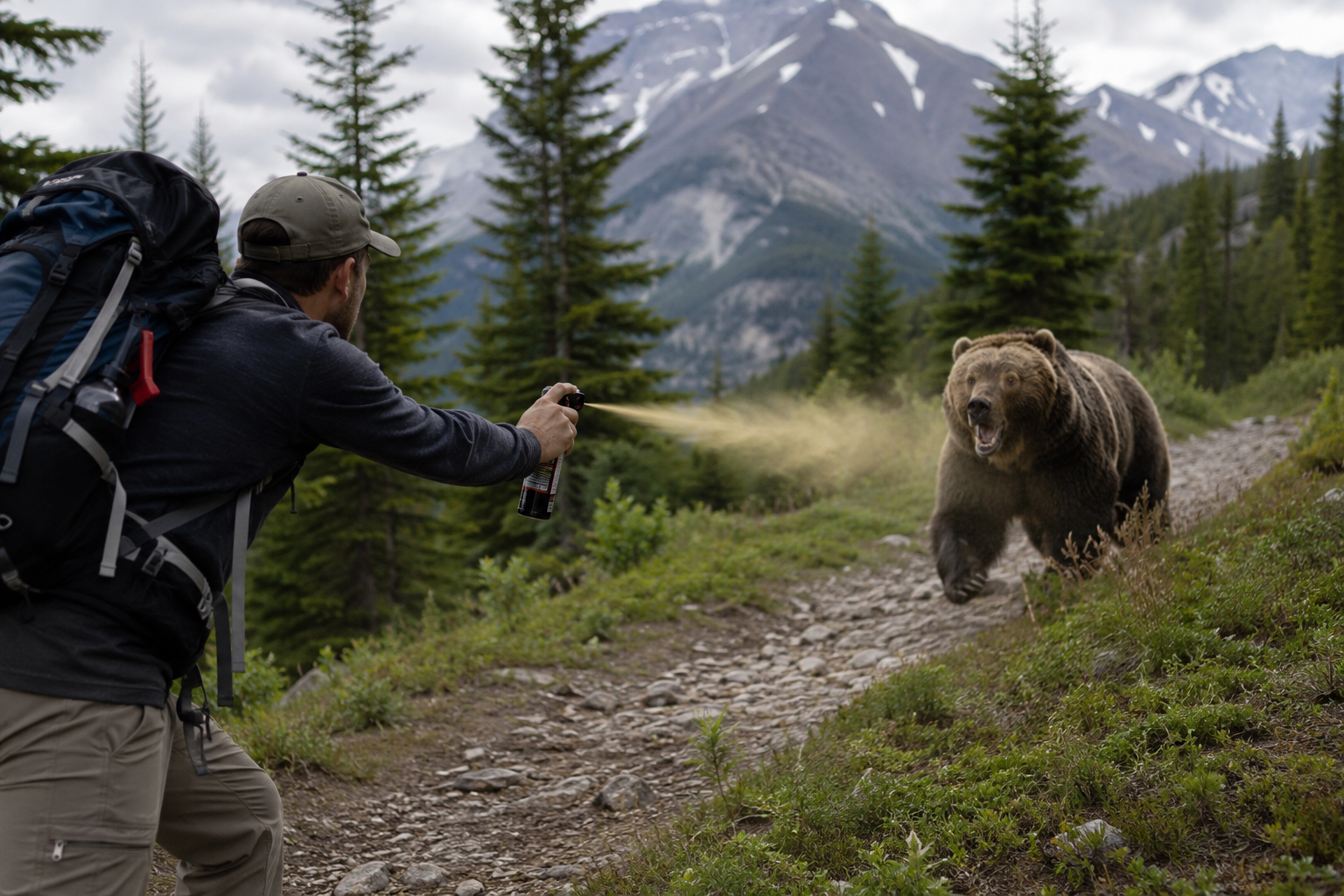
කැනඩාවේ ඕනම වනාන්තරයක් තුල හයික් එකක් යත්දි , මැප් එක ළඟට වැදගත්ම දේ කියල මට හිතෙන්නේ බෙයා ස්ප්‍රේ එක. මොකද මේක බෙයා ස්ප්‍රේ කිව්වට, වළසුන්ගෙන් විතරක් නොවෙයි, තවත් අවදානම් ඇති විය හැකි සතුන්ගෙන් ජීවිතය රැක ගන්නට ‍මේ බෙයා ස්ප්‍රේ එක යොදා ගන්න පුළුවන්. හැබැයි මේක මදුරුවන් වෙනුවෙන් ගහන්න එපා, ඒ වගේම ඇඟට ස්ප්‍රේ කරගන්නත් එපා. එහෙම වුනොත් බෙයාලා වැඩියෙන්ම කැමැත්තෙන් ඇවිත් හොට්ස්පයිසස් දාපු ලන්ච් එකක් ගන්න පුළුවන්. නමුත්, කය‍ෝට්ස්, මූස් වගේ සතුන් තමන්ට අවදානමක් ඇති කරන්න එනවා නම් මේ ස්ප්‍රේ එකම ඔවුන්ට එරෙහිව ය‍ොදාගන්නත් පුළුවන්.

හොඳම ක්‍රමේ හයික් එකේ ඉන්න හැමකෙනක් ගාවම බෙයා ස්ප්‍රේ එකක් තියෙන එක, තියෙන එක කියන්නේ බෑග් එකේ දමාගෙන ගිහින් බෑ, ක්ෂණයකින් අතට ගන්න වගේම ස්ප්‍රේ කරන්න පුළුවන් විදියට හෝල්ස්ටර් එකක දාල, බෙල්ට් එකට හරි අතට ගන්න පුළුවන් පහසු ක්‍රමයකට සූදානම්ව තියා ගන්න ඕන. අද දවසේ මිල ඩොලර් 50-80ක් අතරේ හොඳ බෙයා ස්ප්‍රේ එකක් මිලදී ගන්න පුළුවන්. ඒ ගනිත්දි ඔය ෆේස්බුක් මාකට්ප්ලේස් වගේ තැන් වලින් ගන්න එපා. හයිකිං උපකරණ ගන්න පුළුවන්, පිළිගත් තැනකින් ගන්න. එතැනදී ඔබේ තොරතුරු දීල ලියාපදිංචි වීමක් වෙන්නත් වේවි, මොකද මේකම සමහර විවිධ අපරාධ සඳහාත් යොදා ගන්නා නිසා. ගත්තටම මදි බලන්න, කල් ඉකුත් වීමේ දිනය , ස්ප්‍රේ කරන ක්වික් රිලීස් ට්‍රිගර් එක හරියට තියෙනවාද කියල. හැබැයි ඕක චෙක් කරන්න කියල නිකං ස්ප්‍රේ කරන්න එපා. සාමාන්‍ය බෙයා ස්ප්‍රේ එකක තියෙන්නේ තත්ත්පර අටක විතර ස්ප්‍රේ ප්‍රමාණයක්. ඒ කියන්නේ, ඒ තත්ත්පර අට ජීවිතේ පරිස්සම් කරගන්නට තියා ගන්න. සමහර ‍ආයතන බෙයා ස්ප්‍රේ එක පාවිච්චි කරන හැටි පොඩි පුහුණුවකුත් දෙනවා, එහෙම නැත්නම් පිළීගත් චැනලයකින් වීඩියෝ බලලා හරි හරියට බෙයා ස්ප්‍රේ එක පාවිච්චි කරන හැටි දැනගෙන මිසක කැළේට ඇතුලු වෙන්න එපා.

ඊළඟට වැදගත්ම දේවල් විදියට හයිකින් බෑග් එකේ තියෙන්නම ඕන ‍දේ අතර,
SPF 30වත් සන්ස්ක්‍රීන් එකක් වැදගත්. හේතුව මේකයි සමහර වෙලාවට හයික් එකේ මුල් කොටස, එහෙම නැත්නං පිංතූර බැලුවම කිසිම හිරු එළියක් නොවැටෙන අඳුරු බවක් පෙනුනත්, හයික් එකේ මැද ඉඳන් කාන්තාරෙක යනවා වගේ අවුවේ පිච්චෙන්න වෙන්න ලොකු අඩක් තියෙනවා. විශේෂයෙන්ම කඳු සහිත හයික් එකක නම්. ඒ නිසා, සන්ස්ක්‍රීන් එකක් හරිම වැදගත්. ඔය එක එක සුවඳ ගහන ඒවා ගෙනියන්න එපා. මොකද සුවඳ ගහන සන්ස්ක්‍රීන් ගාගෙන ගියා කියන්නේ, නිකංම නිකං සපර් එකක් නොවේ, හොඳ සුවඳට හදපු සපර් එකක් වළස් පුතාලට දුන්න වගේ වෙන්න පුළුවන්.‍

හෙඩ් ලෑම්ප් එක ජීවිතය රකින්න උදව්වෙන තවත් වැදගත්ම දෙයක්. විශේෂයෙන්ම ෆෝල් එකට කිට්ටුව හයික් යත්දි අප හිතනවාට වඩා ඉක්මණින් කළුවර වෙලා ආයෙත් එන මග හොයා ගන්න වුනත් බැරි වෙන්නට පුළුවන් අවස්ථා එනවා. සමර් එකේ වුනත් වෙන්න බැරි නෑ. ඒ නිසා හෙඩ් ලෑම්ප් එකක් හරිම වැදගත්. දැන් කෙනෙක් කියන්න පුළුවන්, මගේ ෆෝන් එකේ ෆ්ලෑෂ් එක තියෙනවානේ කියල. ඒත්, එකක් ෆෝන් එක‍ේ බැටරි ඒ වෙත්දි බැහැල වෙන්න පුළුවන්, ඊටත් වඩා ෆෝන් එකේ ෆ්ලෑෂ් එක අල්ලගෙන එනවාට වඩා, හෙඩ් ලෑම්ප් එකකින් මග හොයා ගන්න එක පහසුයි, ආරක්ෂිතයි.

කතාව දිග වැඩි වෙන නිසා, ඉතිරි ලබන සතියට.

Welcome to Canada- Part 10

🚌 Your First Ride in Canada

For many newcomers, public transportation becomes one of the first ways they begin exploring their new community. During the first few weeks, you may not own a car, know the roads, or even feel comfortable driving in a new country. That is perfectly normal. Canada's public transportation systems help millions of people travel to work, school, shopping centres, medical appointments, and community activities every day.

At first, using buses, trains, or light rail systems may seem confusing. There are different routes, schedules, fares, and payment methods to learn. You may worry about getting on the wrong bus or missing your stop. Almost every newcomer has experienced those same feelings. Like many things in Canada, it simply becomes easier with practice.

🚉 Every City Is Different

One thing to remember is that public transportation is managed by individual cities and municipalities. This means the system in one city may be different from another. Larger cities often have buses, trains, or subway systems, while smaller communities may have only local bus services or limited transportation options.

After arriving, it is worth taking a little time to learn how transportation works in your own city. Most transit systems have websites and mobile apps that show routes, schedules, and real-time arrival information, making it much easier to plan your journey.

💳 Paying for Your Trip

Most Canadian transit systems no longer require exact cash for every trip. Many cities now use reloadable transit cards, mobile payment options, or contactless bank cards. These systems make travelling easier and often provide discounted fares compared to paying cash.

If you plan to use public transportation regularly, purchasing a monthly pass or reloadable transit card can save both time and money. Staff at customer service centres can usually explain the best option for your situation.

📱 Technology Makes Travel Easier

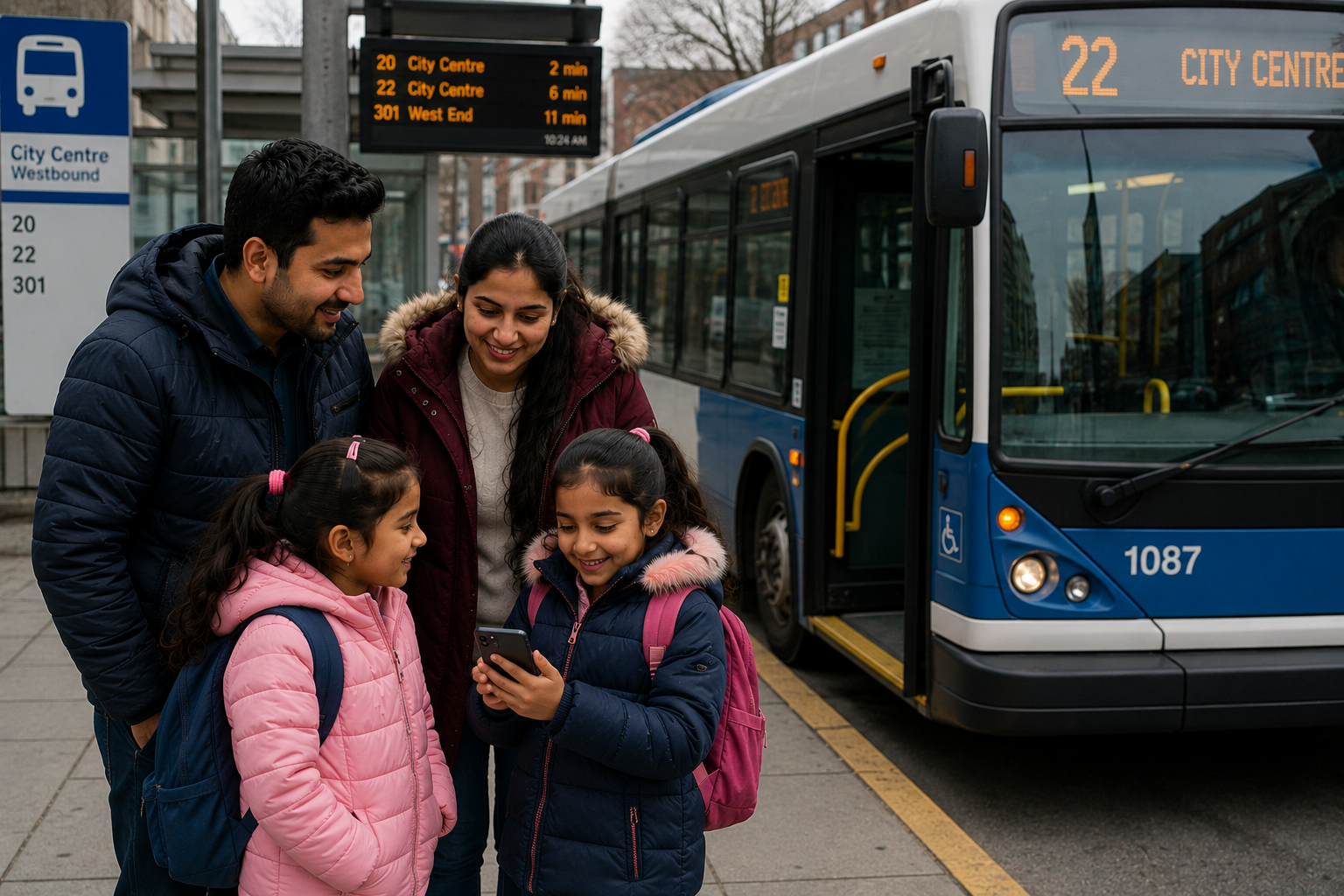
Today, smartphones have become one of the best travel companions for newcomers. Transit apps can tell you which bus to catch, where to transfer, how long your journey will take, and even whether your bus is running late.

During your first few trips, you may check your phone several times to make sure you are heading in the right direction. After a while, those same routes become familiar, and you will travel with much more confidence.

❄️ Planning for Canadian Weather

One thing many newcomers quickly learn is that Canadian weather can affect transportation, especially during winter. Snow, ice, and freezing temperatures may occasionally cause delays.

It is always a good idea to leave a little earlier for important appointments, particularly during the winter months. Wearing warm clothing while waiting at outdoor bus stops can also make your journey much more comfortable.

🤝 Transit Etiquette

Public transportation is shared by everyone, and there are a few simple habits that help make the experience pleasant for all passengers. People usually wait for others to leave the bus or train before getting on. Speaking quietly, offering seats to seniors, pregnant women, or people with disabilities, and keeping personal belongings out of the way are small acts of courtesy that are appreciated across Canada.

These unwritten rules may seem simple, but they help create a respectful environment for everyone travelling together.

🌎 More Than Just Getting Around

As you continue using public transportation, you will notice that it becomes more than just a way to travel. It helps you discover your new city. You learn where the libraries are, which parks you enjoy, where local markets are held, and how different neighbourhoods each have their own character.

Every bus ride and train journey helps you become a little more familiar with your surroundings. Slowly, unfamiliar streets begin to feel recognizable, and destinations that once required careful planning become part of your daily routine.

🌱 Reflection: Every Journey Builds Confidence

One of the greatest gifts of public transportation is not simply getting from one place to another.

It is the confidence it builds.

The first time you ride alone, you may feel uncertain. You check the route repeatedly, watch every stop, and hope you have not made a mistake.

Then one day, without even noticing, you board the bus, tap your transit card, and sit down without a second thought.

That small moment says something important.

You are no longer simply finding your way around a new country.

You are beginning to feel that you belong.

Every journey, no matter how short, becomes another step toward making Canada feel like home.

2026/06/26

Looking Back at Fifteen Years

Sometimes the best stories begin on the quietest days.

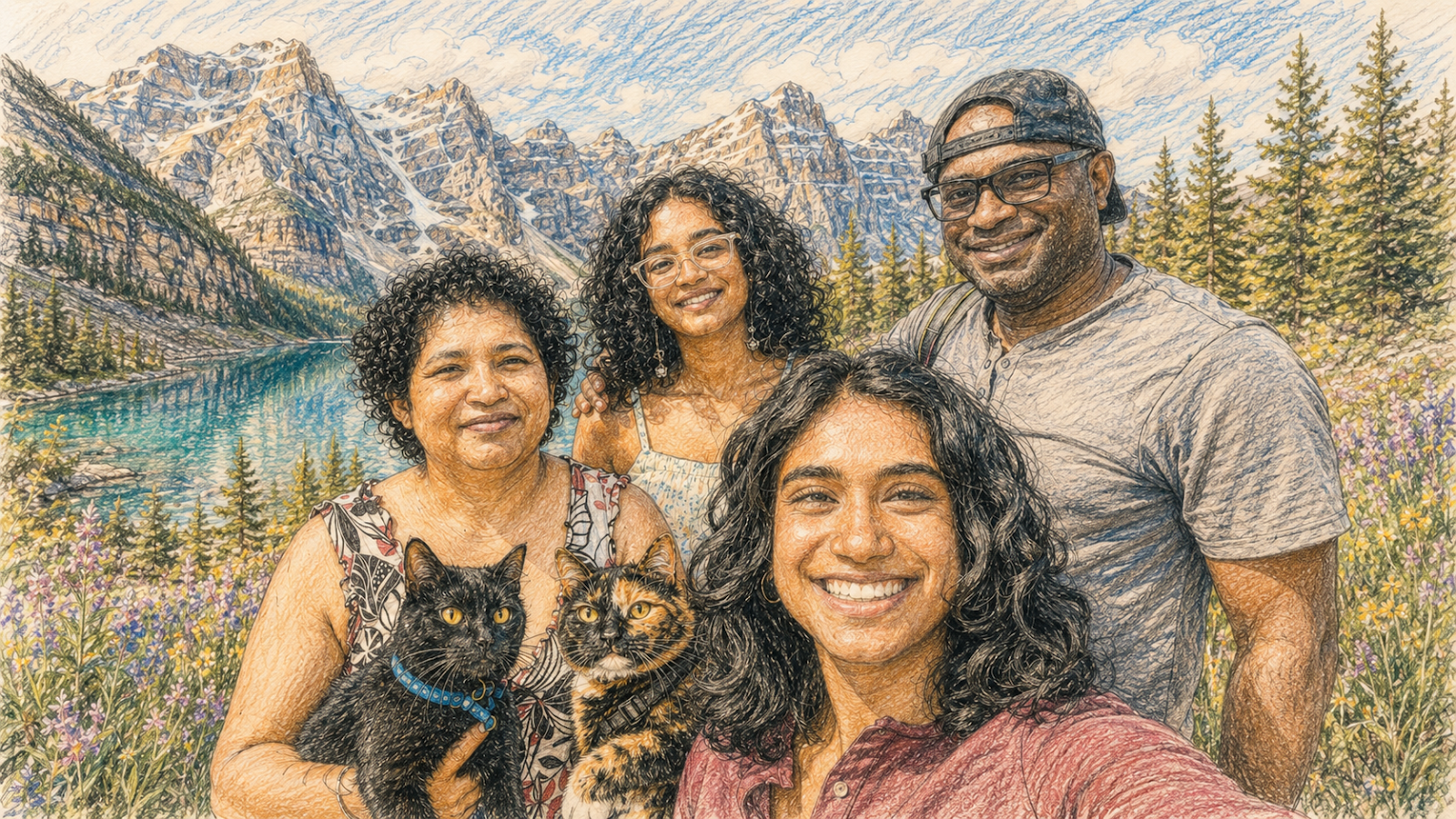
Earlier today, while the rain fell gently outside, I was doing what many of us do on a quiet weekend, scrolling through Facebook Messenger. Among the usual messages and updates, one caught my attention. It encouraged me to write about my journey in Canada.I smiled because I knew exactly what had inspired that request. The day before, I had shared another proud father moment, celebrating one of my daughters' achievements.

I rarely post photos of meals, shopping trips, or everyday routines. Instead, I find myself sharing moments that truly matter to me. The beauty of nature, meaningful experiences, and the milestones my daughters have reached. I have never shared these moments to impress anyone. I share them because I am a father, and nothing brings me greater joy than watching my children grow. Deep down, I also hope that another parent, perhaps someone who left everything behind to build a new life in Canada, might see those stories and feel a little more hopeful about their own future.

As our family approaches fifteen years in Canada, I felt it was the right time to look back. This is not a story about success alone. It is a story about uncertainty, sacrifice, resilience, and discovering that sometimes the hardest journeys lead us exactly where we were meant to be.

Our decision to leave Sri Lanka began with one simple question. What kind of future did we want for our daughters? Around 2010, we found ourselves increasingly concerned about the environment they were growing up in. Even enrolling them in school felt like a battle. Academic competition started at an early age, tuition classes became part of childhood, and everyone seemed to have opinions about how our children should live and what paths they should follow. We wanted something different. We wanted our daughters to enjoy being children. We wanted them to have the freedom to discover who they wanted to become.

The idea of moving to Canada came from my wife. At first, I was hesitant. We had lived and worked overseas before, but I always found my way back home. Part of me believed I would spend the rest of my life in Sri Lanka. Still, I trusted her judgment, and together we decided to take a leap of faith.

At the time, we were both government registered nurses. Moving halfway across the world seemed like an impossible dream, especially considering the financial challenges involved. Yet somehow, step by step, everything came together. Some things happened exactly as we planned, while others unfolded in ways we never expected. Looking back now, every obstacle somehow became part of the journey that brought us here.

The day we landed in Canada remains one of the most emotional moments of my life. I remember feeling both excitement and sadness at the same time. We had left behind family, friends, colleagues, and the life we had spent years building. That loss was real. But beneath the sadness was something I had never felt before. It was freedom. For the first time, it felt as though our future belonged entirely to us.

Like most newcomers, our first year was challenging. Winter tested us. Starting over tested us even more. After working as a nurse in Sri Lanka, beginning again with jobs at McDonald's and later in a factory was not easy. My wife began volunteering in healthcare while rebuilding her own career. There were moments when we questioned ourselves, but we never questioned why we had come.

While we were learning how to build a new life, our daughters were already embracing it. Children have an incredible ability to adapt. They learned English quickly, made friends, and settled into school with remarkable confidence. Both progressed so well academically that they completed two grade levels within a single year. Watching them flourish reassured us that we had made the right decision. Without even realizing it, the dream of eventually returning to Sri Lanka slowly disappeared. Canada had quietly become home.

Over the years, our journey took us through different communities and three provinces. We chose peaceful towns as often as larger cities because every decision was guided by the same priorities: our daughters' education, their happiness, and the kind of family life we wanted to build. We studied again, rebuilt our careers from the ground up, travelled long distances for work, and learned many valuable lessons along the way. Some investments failed. Some career choices looked good on paper but never truly fulfilled us. Those experiences taught us that meaningful work and peace of mind are often worth far more than a higher salary.

Even while rebuilding our own lives, we found ourselves helping others. We shared our experiences with friends and relatives who were considering the same journey. Around 2012, I started writing in Sinhala about life in Canada. Those early blog posts eventually grew into online communities where thousands of people now share information, encouragement, and practical advice.

Just as life began to feel settled, another unexpected chapter arrived. My wife developed ongoing health problems that eventually led to a diagnosis of fibromyalgia. It changed our lives overnight. She had to step away from work, and our family had to adjust emotionally, physically, and financially. Our daughters watched their strongest supporter face daily pain with remarkable courage. During that time, we quietly stepped back from many social activities so we could focus on what mattered most, caring for each other. Since 2022, that has been our family's greatest challenge, but we have continued to face it together, one day at a time.

Through every difficulty, our daughters continued moving forward. They enjoyed the childhood we had hoped to give them. They chose their own friends, explored their own interests, and built lives that reflected their own dreams rather than anyone else's expectations. Today, seeing the confident young women they have become reminds us why every sacrifice was worthwhile.

As we approach our fifteenth anniversary in Canada, we find ourselves reflecting with gratitude. My wife has recently returned to the healthcare profession she loves after four years away. Our older daughter is completing her final year of medical school and hopes to specialize in neurology. Our younger daughter graduated with distinction in Kinesiology, continued into medical research because of her passion for science, and is completing her master's degree while deciding where her future will take her next.

As for us, we continue to work in healthcare, doing work that gives us purpose and satisfaction. Retirement will come one day, but there is no rush. Everything we hoped to achieve when we first boarded that plane fifteen years ago has already been fulfilled. Everything that comes from this point forward feels like a gift.

People sometimes ask why I continue writing and sharing our experiences. The answer is simple. It has never been about followers, recognition, or popularity. I write because stories have the power to encourage people. If something I have learned helps another family make a difficult decision with greater confidence, or helps someone feel a little less alone during a challenging season, then every word has been worthwhile.

Looking back, I have learned that life's greatest challenges often become its greatest teachers. The difficult years become the foundation of the strongest families. Every setback teaches resilience. Every sacrifice shapes the future.

Fifteen years ago, we came to Canada with one dream, to give our daughters the freedom to build their own lives. Today, as I watch them doing exactly that, I know we made the right decision.

I am Mahesh, and this is our story.

2026/06/25

ජීවන කුසලතා

මගේ මතකය නිවැරදි නම්, මං කතළුව ඉස්කෝලේ හතේ පන්තියේ විතර ඉන්න කාළේ, ටිකක් වෙනස් විෂයයක් පරීක්ෂණ මට්ටමින් හදුන්වා දී තිබුණා. විෂයෙ නම “ජීවන කුසලතා”.

බයිසිකල් වලට පැච්දාන හැටි, සැන්විච් එකක් හදන හැටි, මැටි බඩු හදන්න වගේම පොකුණූ හදන්න වගේ විවිධාකාර ක්‍රියාකාරම් මේ විෂය ඔස්සේ අපට ඉගෙන ගන්නට ලැබුණා. අපට හිටියේ, දයාරත්න වල්ගම කියන ගුරුතුමා, ඔහු නාට්‍ය කළාව ගැනත් ප්‍රවීණයෙක්.

මේ විෂයත් එක්කම, මට මේ “ජීවන කුසලතා” කියන වචන දෙක හුඟක් ලංවුනා වගේ දැනෙනවා.ඒ නිසාම , මගේ උගැන්වූම් කතාබහ තුලදී හුඟක් වෙලාවට මේ වචන යොදා ගත්තා.

ඒ ඔස්සේම යමින්, අද දවසේ දරුවන්ට (වගේම සමහර වැඩිහිටියන්ටත්) වැදගත් විය හැකි ජීවන කුසලතා කීපයක් ගැන කතා කරන ලිපි පෙළක් පටන් ගන්නට හිතුණේ, රැකියාවෙන් පස්සේ ගෙදර ඇවිත් ගෙවන විවේක කාළයෙන් කො‍ටසක් මගේ විනෝදාංශය වන ලියවිල්ල වෙනුවෙන් යොදවන්නට. ඒ ලියවෙන අකුරු වලින් කවුරුන් හෝ ප්‍රයෝජනයක් ගනීවි කියන අදහසත් මගේ හිතේ තියාගෙන , අද මාතෘකාවට එන්නයි හදන්නේ.

අද “ජීවන කුසලතාවය” - Fact-Checking (මෙව්වට සුද්ධ සිංහල වචන හොයනවාට ව‍ඩා මෙහෙම ලේසියි කියල හිතුණා)

එහෙම නම් කතාව පටන් ගනිමු.

අද අපි ජීවත්වන්නේ, මානව ඉතිහාසයේ “තොරතුරු” වලින් පිරී ඉතිරී ගිය කාළ පරිච්ඡේයක. ඒ වගේම, මේ අපි ජීවත්වන්නේ, රැවටීම් වලින්, වංචා වලින් පොහොසත්ම කාළයක. ඒ පරිසරය තුල මේ වෙලාවෙත් තවත් ලක්ෂ ගණනක් මිනිසුන් කිසිදු සොයා බැලීමකින් තොරව මේ වංචාවලට හසු වෙනවා ඇති. ඒක විව්ස් ලබා ගන්නට අනුන්ගෙන් හොරා ගෙන පළ කරන ෆේස්බුක් පෝස්ට් එකක සිට, ඩොලර් මිලියන ගණනක රජ වංචාවක් දක්වා වෙන්නට පුළුවන්. මේ නිසාමයි, තොරතුරු වලින්, වංචා, රැවටීම් වලින් පිරී ඉතිරී ගිය අද දවසේ ජීවත් වෙත්දි මේ Fact-Checking කියන හැකියාව, පුරුද්ද, නැත්නම් කුසලතාවය “ජීවන කුසලතාවයක්” ලෙස මා දකින්නේ.

මගේ මතකය මේ ඉන්ටනෙට් අවධියෙන් එහාට යනවා. ඒ දවස් වල බොරු ප්‍රචාරයක් ඇති කරන්න, ගෙනියන්න, පවත්වාගෙන යන්න සෑහෙන මහන්සියක් ගන්න වෙනවා. කෑලෑ පත්තර ගහන්න, එහෙම නැත්නම් පත්තරේකට ඒ බොරුව ඇත්ත වගේ ලියන්න, කටකතා ඔස්සේ ගෙනියන්න වුනත් මහන්සියක් වගේම, කාළයක් යනවා ඒ ඇත්ත වගේ බොරු පැතිරෙන්න. ඒත් අද, තත්පර කිහිපයකදී ඕනම බොරුවක්, ඇත්ත වගේම පේන්න, දැනෙන්න හදාගන්න වගේම , තවත් තත්පර කිහිපයකදි ඒ ඇත්ත වගේ බොරුව ලක්ෂ ගණනක් අන්තර්ජාල භාවිත කරන්නන්ට, සමාජ මාධ්‍ය භාවිත කරන්නන්ට එහෙම නැත්නම් මාධ්‍යය සවන් දෙන්නන් බෙදා දෙන්නට පුළුවන්.

මේ ඔස්සේ මා, අද දවසේ ඇති කෘතිම බුද්ධි තාක්ෂණය, අන්තර්ජාල වේගය, සමාජ මාධ්‍යය වගේ “දියුණූවීම්” වලට හෝ ඒවා භාවිත කිරීම ගැන දොස් නගන්නේ නැහැ. ඒ සියල්ල, අද දවසේ අවශ්‍යතාවයන්. නමුත්, වැදගත් වන්නේ, ඒ ලැබෙන තොරතුරු, පණිවිඩ, තොරතුරු නිවැරදි ඒවාදැයි තහවුරු කරගැනීමක් සමඟ, විමසා බැලීමකට පසුව බාර ගැනීමයි, බෙදාහදා ගැනීමයි.

සමහර විට, මේ කියවන ඔබේ සමාජ මාධ්‍යය තුල බෙදා ගත් සමහර පෝස්ට් ගැන තව ටිකක් විමසා බැලුවොත් ඒවා වැරදි හෝ ව්‍යාජ තොරුතුරු බව ඔබටම තහවුරු කරගන්නට පුළුවන් වේවි. ඒසේ වුවා නම් එයට‍ හේතුව ඔබේ Fact-Checking “ජීවන කුසලතාවයේ” හිඟකමක් බව තවත් සුළු මොහොතකින් ඔබට වැටහේවි.

දැන් මේ Fact-Checking කියන්නේ දකින හැම‍දේම, අහන හැමදේම සැක කරන්න කියන එකම නොවෙයි.ඊට වඩා පහසු දෙයක්, මොකක්ද ? යම් කිසි දෙයක්, ලිපියක්, මාධ්‍යය ඔස්සේ ලැබෙන දෙයක්, සමාජ මාධ්‍යය ඔස්සේ දකින , අහන දෙයක්, වෙළඳ දැන්වීමක්, ආදරෙයි කියාගෙන එන කෙනෙක්ගේ ආදරණීය කතාවක් එකපාරම බාර නොගෙන, එක පාරටම පිළිනොගෙන, දැක්ක ගමන් අනෙක් අය එක්ක බෙදා නොගෙන, මොහොතක් නැවතී පොඩි නැවත හිතා බලන්නට පුරුදු වෙන එක. මොහොතක් නැවතී, මේ ඇහෙන, මේ දකින, මේ කියන කතාව, දර්ශණය ඇත්තටම විය හැකිදැයි, ඇත්තටම වුනාදැයි ටිකක් හොයා බලන එක.

විශේෂයෙන්ම ප්‍රවෘත්තියක්, අළුත් දැනුමට යමක් වගේ දෙයක් ලැබුණූ ගමන් , දැක්ක ගමන් බෙදා ගන්නේ , බාර ගන්නේ සහ පිළිගන්නේ නැතිව ,ඒ කතාබහ, මාතෘකාව ගැන ඇති වෙනත් පිළිගැනීමක් ඇති සංවිධානයක, ආයතනයක හෝ අධ්‍යාපනය, වෘත්තීය සුදුසුකම් ඇති අයෙක් ඒ ගැන දක්වා ඇති අදහස් සමඟ ගලපා බලා බාර ගන්නට කටයුතු කරන එකත් මීට අයත් .

මෙහෙම දිගට ලියාගෙන යනවාට වඩා මේ වැඩේ මතක තියා ගන්න පුළුවන් කෙටි ක්‍රමයක් කියන්නම්. ඒක කෙටියෙන් SIFT කියන කෙටි හැඳින්වීම ඔස්සේ එන,Stop. Investigate. Find other sources. Trace the origin.

මෙතැන Stop කියන්නේ,

යම් අදහසක්, ලිපියක්, ෆේස්බුක් පෝස්ට් එකක් දැක්ක ගමන් සම්පුර්ණයෙන්ම ගිලිලා කියවන්නේ, පිළිගන්නේ, බෙදා ගන්නේ නැතිව මොහොතක් නැවතිලා ටිකක් හිතල බලන්න මෙන්න මේ කරුණූ ගැන,

✅ මේ පිළිගත හැකි වෙබ් අඩවියක්, ෆේස්බුක් පිටුවක් එහෙම නැත්නම් මාධ්‍යයක්ද?

✅ මට දැනෙන හැඟීම මොන වගේද මේ වෙලාවේ? (මේක කියවන්නම, බෙදාගන්නම හෝ පිළිගන්නම හිත කියනවාද?)

‍✅ක්ෂණිකව මෙය පිළිගන්නවාද නැත්නම් මේ ගැන ටිකක් හොයනවාද?

Investigate පියවරට ආවම,

රහස් පරික්ෂකයෙක් වගේ හොයන්න ඕන මේ කරුණූ ගැනවත්,

✅ මේ ලිපිය, වීඩියෝව හෝ ඉදිරිපත් කිරිම කරන්නාගේ සුදුසුකම් සහ එය මේ ඉදිරිපත් කිරීමට ඇති ගැලපීමක් ඇත්ද? (මොකද සුදුසුකම් කියන වචනේ විතරක් මදි, මතකනේ අර වෛද්‍ය විශේෂඥයෝ , පොහොර ගැන කළ කතා)

✅ මේ පුද්ගලයා, ආයතනය යම් පක්ෂයකට, මතයකට පක්ෂපාතී බවක් දක්වනවාද? (මොකක් හරි වෙනත් අරමුණක් ඇත්ද?)

✅ මේ ලේඛකයා හෝ ආයතනය ගැන වෙනත් පිළිගත් ආයතන හෝ පුද්ගලයන් දක්වන්නේ මොනවගේ අදහසක්ද?

Find වලට ගියාම,

අපට හොයන්න වෙනවා. මොනවද හොයන්නේ, මේ කියවන්නට හදන අදහස, ලිපිය, ඉදිරිපත් කිරීම ගැන

✅ වෙනත් පිළිගත හැකි ආයතන, පුද්ගලයන් දක්වා ඇති අදහස්, ‍තොරතුරු මොනවාද?

✅ professional fact-checker සොයා බැලීමක් කර තිබෙනවාද ?

✅ මට ඇති වන්නේ මේ ලිපිය හෝ ඉදි‍රිපත් කිරීම මතම වූ පිළිගැනීමක්ද නැත්නම් පුළුල් විමසීමක් ඇතිව ගන්නා වටහාගැනීමක්ද?

Trace කියන අවසාන පියවරට ගියාම,

අපට ටිකක් හොයන්න වෙනවා , මේ වෙලාවේ මම කියවන හෝ දකින, අහන අදහස ගැන මුල් ලිපි, පිළිගත හැකි සාක්ෂි තිබේදැයි.

මෙන්න මේ ටිකවත් කරගන්න පුළුවන් නම්,

අඩුම තරමේ දැක්ක ගමන් පිළිගන්නේ නැතිව ,ටිකක් විමසා බලා, තොරතුරු ඇතුලු කරගන්න පුළුවන් නම් ඒක තමන්ට වගේම තවත් සෑහෙන පිරිසකට උදව්වක් වේවි.

මේ සෝෂල් මීඩියා වලදි පරිස්සම් විය යුතු කරුණූ කිහිපයක් ගැන පෙර ලියූ ලිපියක් මේ. මං හිතන්නේ එදාට වඩා අද මේ කරුණූ වැදගත් වේවි, මොකද අද වෙත්දි ෆේස්බුක් එකෙන් මුදල් ඉපැයීමේ උත්සාහය නිසා, වැරදි තොරතුරු, අනුන්ගේ ‍ලිපි, වංචනික‍ ලෙස වෙනස් කළ අදහස්, හිතට ඇලෙන බොරු සෑහෙන්න පැතිරෙන බව පේනවා. ඒ නිසා විමසිලිමත් වීම, කාටත් සුබයි.
මෙන්න ඒ ලිපියට ලිංක් එක ඔබ ,වගකීම් සහගත ඩිජිටල් පුරවැසියෙක්ද?

2026/06/24

Alberta's Healthcare Crossroads

It started during a home visit with a family I had been supporting through our homecare team. We had finished talking about my client's needs, the next appointment, and some general health advice. As we sat around the dining table with cups of tea, the conversation shifted in a direction I had not expected.

One family member looked at me and asked, "Mike, are we becoming like the United States? Are we going to end up paying for everything out of our own pockets?" Before I could answer, another family member added, "Someone told me that if you have money, you will be able to get surgery faster while everyone else waits. Is that true?"

For a moment, nobody spoke.

These were not political questions. They were questions from ordinary people worried about their families, their future, and a healthcare system they had trusted since the day they arrived. As part of a community health team in Calgary, I work with people from every walk of life. Newcomers finding their footing. Asylum seekers navigating an unfamiliar system. Families who have been here for decades. People with comfortable incomes and people who are counting every dollar. The questions I hear from all of them are remarkably similar: Will I have to pay for surgery? Will people with money receive treatment first? Are we becoming more like the United States?

I cannot predict the future. What I can do is share what I have seen across three very different healthcare systems. I spent fourteen years working as a nurse in both Sri Lanka's public hospitals and private healthcare settings. Later, I worked closely with Qatar's health system before moving to Canada, where I now support clients through Alberta's community healthcare system.

Sri Lanka: When Two Systems Share the Same Workforce

Sri Lanka's public healthcare system is genuinely impressive for a lower-middle-income country. The public sector provides nearly 95% of all inpatient care, and every citizen can access it free of charge. That commitment has produced health outcomes that consistently outperform regional neighbours, including a life expectancy and maternal mortality rate that compare well with countries spending far more on healthcare.

What many people do not realize is that Sri Lanka has operated a dual healthcare system for decades. After 1977, the government formally allowed health professionals to work in both public hospitals and private clinics outside their government hours. I worked inside that arrangement and saw its benefits and its tensions up close.

Private hospitals offered shorter wait times, more comfortable facilities, and more one-on-one time with healthcare professionals. Research has confirmed that clinical outcomes in Sri Lanka's public and private sectors are broadly similar, but the private experience felt markedly different, and that difference drove demand even among people who could barely afford it.

The deeper issue was workforce. The health professionals working in private hospitals were the same professionals the public system depended on. Their knowledge did not change between settings. Their available time did. When private practice expanded, the public system absorbed that pull quietly, not as a sudden crisis, but as a gradual redistribution of attention toward those paying directly for care.

For serious conditions, including major surgery, cancer treatment, and intensive care, the public system remained where most patients ultimately returned. Private care complemented the public system for routine and elective needs. But regulation never kept pace with the sector's growth. A 2024 National Audit Office review in Sri Lanka identified significant structural weaknesses in private healthcare oversight and called for urgent legislative reform, decades after the dual model had become established practice.

Qatar: When the Dividing Line Is Not Income

In Qatar, I encountered a different version of the same problem. Two systems ran in parallel, but the dividing line was not income. It was citizenship and employment status.

Qatari nationals accessed a well-resourced government healthcare system, with modern facilities and clinical expertise imported from around the world. Expatriate workers, who make up the vast majority of Qatar's population, accessed healthcare through their employers. A senior professional on a corporate benefits package received excellent private hospital care with minimal out-of-pocket costs. A construction or domestic worker on a basic employer-provided plan waited in a different queue entirely, at a facility with fewer resources.

The clinical expertise in Qatar was often very good. The equity was not. What Qatar reinforced for me is something I carry into every conversation about health reform: a healthcare system reflects the society it sits inside. When deep structural inequalities exist in a society, they will appear in the hospital, regardless of how modern the building is.

The Global Picture: Dual Systems Are Common

Alberta is not inventing something unusual. Dual health systems are the norm in many high-performing countries. What differs is the regulatory framework and the level of public investment that sits underneath them.

In the United Kingdom, the publicly funded National Health Service covers the entire population, while a private sector offers faster access to elective procedures and specialist consultations for those who can pay. Around 10.5% of the UK population holds private health insurance. In Australia, the government-funded Medicare program covers essential hospital and primary care, while approximately 46% of Australians also hold private health insurance for shorter elective wait times and private hospital access. In Germany, health coverage is mandatory for all, but the system runs on two tracks. Most residents hold statutory public insurance, while higher earners can opt into fully private insurance, which typically offers faster specialist access. In the Netherlands, all residents must purchase regulated basic health insurance from private insurers, with the government controlling minimum coverage and premium structures to maintain equity.

These countries are not without their own debates about fairness and access. But they demonstrate that public and private healthcare can coexist, when the regulatory framework is strong and investment in the public system remains genuine and sustained.

Alberta's Bill 11: What It Actually Does

Alberta's Health Statutes Amendment Act, known as Bill 11, passed in December 2025 and made Alberta the first province in Canada to legislate a formal dual-practice model for healthcare. Under the legislation, health professionals can work simultaneously in the publicly funded system and a private-pay system. A new category called "flexibly participating physicians" allows surgeons and specialists to bill Alberta's public insurance plan while also charging patients privately for non-insured services.

The procedures initially flagged for private delivery include hip and knee replacements, cataract surgery, and hernia repair. Family medicine and emergency care remain outside the model for now, and the government has stated that no Albertan will be required to pay out of pocket for medically necessary treatment. Regulations governing which specialties can participate and what safeguards apply are still being developed, with implementation planned through 2026.

The wait time problem driving this reform is real. According to the Fraser Institute, Canadians waiting for medically necessary treatment lost an estimated $5.2 billion in productivity in 2024 alone. Alberta's surgical wait times have been a persistent concern, and the government argues that a dual model will attract and retain health professionals while creating additional surgical capacity.

Critics, including the Canadian Centre for Policy Alternatives, argue that empirical evidence from comparable countries shows that private-pay tiers draw resources away from the public sector, increasing public wait times rather than reducing them. The CCPA has also raised concerns that Bill 11 creates Canada's first private insurance market for medically necessary care, with unknown long-term consequences for the Canada Health Act and federal health transfer funding.

What I Tell People When They Ask Me

I do not oppose private healthcare on principle. My family and I have used it. In Sri Lanka and Qatar, it was sometimes the only realistic way to get timely care. I understand why people choose it.

What I tell community members is that the outcome of Alberta's reform depends heavily on two things that are not yet settled: the strength of the regulatory framework and the continued level of public investment. Countries that have made dual systems work did not do so by opening the door and hoping for the best. They built robust oversight structures and maintained genuine public funding alongside private growth. They treated the private sector as a supplement to the public system, not a replacement for it.

A Final Thought

The questions people ask me around dining tables and in community halls are not naive. They are exactly the right questions. And they deserve honest answers, even when the honest answer is that we do not yet know.

2026/06/20

20+නම් ඩිමෙන්ෂියාව දුර‍ නොවේ

“ඩිමෙන්ෂියාව”...මේ වචනේ කිව්ව ගමන්ම හිතට එන්නේ, වයසට ගිය කෙනෙක්, කල්පනාව අඩු වුනු පුද්ග‍ලයෙක්, සමහර විට බටහිර චිත්‍රපටයක සිදුවුනු කතාබහක් වෙන්න පුළුවන්. තවත් විදියකින් කිව්වොත්, මේ “ඩිමෙන්ෂියාව” ඒ තරම් අපට ළඟ නැති දෙයක් වගේ දැනෙන්න තියෙන ඉඩ වැඩියි, විශේෂයෙන්ම ලංකාවේ සිට මෙය කියවන ඔබට. හැබැයි ඉතින් එහෙම හිතෙන එක ගැන වරදක් කියන්නත් බෑ, මොකද, මේ නමේම නිකං ඉංගිරිස් ගතියක් නොවැ තියෙන්නේ. අනෙක අපේ රටේ මේ තත්ත්වය ගැන සමාජය තුල ඇති දැනුවත්බව අඩුයි, ඔන්න මම කිව්වේ නෑ ඒක ඔබේ වරදක් කියලා.

එහෙමත් නැත්නම් ඔය ඉඳල හිටල ඩිමෙන්ෂියාව ගැන කතාවන රූපවාහිනී සාකච්ඡාවක් ඇහෙත්දි ඔබට හිතෙන්න පුළුවන්, “ඕක ලෙඩක් යෑ, වයසට ගියාම හැටිනේ” කියලත්. අනෙක, ඒ කියන ලක්ෂණ ඇති ඔබේ සීයා, අත්තම්මා, සමහර විට අම්ම තාත්ත නැත්නම් අසල්වැසියා ගැන මතක් වෙත්දි “අනේ ඕක ඔය තරම් ලෙඩක් යැ” කියල ආයෙත් හිතෙන්නටත් බැරි නෑ.

නමුත්…

ඩිමෙන්ෂියාව කියන්නේ සාමාන්‍ය වියපත් වීමේදී අනිවාර්යයෙන්ම ඇතිවන ගැටළුක් නොවේ වගේම, වියපත් වූ අයට පමණක්ම ඇතිවන තත්ත්වයකුත් නොවේ. ඒ වගේම අමතකවීම්, තීරණ ගැනීමේ හැකියාවන් අඩුවීම්, පෞරුෂයමය වෙනස්වීම් වගේ ලක්ෂණ ඔස්සේ ඒ පුද්ගලයා විවිධ පීඩාවන්ට පත්වනවා වගේම, මේ අනපේක්ෂිත වෙනස්වීම් නිසා, මේ පුද්ගලයා රැකබලාගන්නා අය, පවුලේ අනෙක් අයත් පීඩාවලට, අපහසුතා වලට මුහුණදෙන්නට වන “සංකීර්ණ සෞඛ්‍යය ගැටළු තත්ත්වයක්”.

මෙතැනදී “රෝගයක්” කියල නොකිය "සෞඛ්‍යය ගැටළු තත්ත්වයක්" කියල කියන්නට හේතුවක් තියෙනවා. ‍මොකද, ඩිමෙන්ෂීයාව කියන්නේ තනි රෝගයකට වඩා, ලක්ෂණ ගණනාවක පරාසයක් තුල පැතිර ඇති තත්ත්වයක්, සින්ඩ්‍රෝමයක්.

අනෙක් වැදගත්ම දේ, මේක පිටරට ලෙඩක් වගේ දැනුනාට, ලංකාව තුල මේ වෙත්දී ඩිමෙන්ෂීයාව සමඟ ජීවත්වන සෑහෙන ප්‍රමාණයක් ඉන්නවා. සමහර විට එම පුද්ගලයා වගේම, පවුලේ අයත් නොදන්නවා ඇති ඔහුට හෝ ඇයට ඩිමෙන්ෂියාව ඇතිබව. කතා කරන අතරේ වචන හිර වෙලා ටිකක් අපහසුතාවයට පත්වෙන තාත්තාගේ සිට, හැමදාමත් තේ හදපු හැන්ද කිසිම හේතුවක් නැතිව කබඩ් එකට දාල වහන අම්ම වගේම, උදේට හොඳ කෑම වේලක් රසට කාපු , ඊට පස්සේ පාර දිගේ ඇවිදින ගමන් දකින දකින කෙනාට “මගේ ළමයි කන්න දෙන්නේ නෑනේ” කියන සීයාත් ඩිමෙන්ෂියාවෙන් හෝ ඩිමෙන්ෂීයාව වෙත යන ගමනේ ඉන්නවා වෙන්නට බැරි නෑ.

ලංකාව තුල මෙම සෞඛ්‍යය ගැටළුව ගැන ඇති අඩු දැනුවත්බව, දැනුවත්වීමට ඇති අඩු උනන්දුව වගේම, සෞඛ්‍යය සේවාව තුලත්, ඩිමෙන්ෂියාව හදුනාගැනීමට, ඊට අදාල පරික්ෂණ, විමර්ශණ කිරීමට ඇති තාක්ෂණකි වගේම පුහුණූ මානව සම්පත්වල හිඟයත් මේ අවදානම ගැන අපට නොදැනෙන්නට හේතුවක් වෙනවා. (අද වෙත්දි ඩිමෙන්ෂීයාව පිළිබඳ විශේඥතා සහිත සෞඛ්‍යය වෘත්තිකයන් කිහිපදෙනෙක් ලංකා‍වේ ඉන්නවා වගේම එයින් සමහර වෘත්තිකයන් අපේ සමාජය දැනුවත් කරන්නට යම් උත්සාහයක් දරන බවත් පේනවා, එය සතුටක්)

කොහ‍ොම වුනත්, ආසියාවේ තිබෙන වේගවත්ම වයසට යන රටක් විදියට , (ඕං කළබල වෙන්න එපා ‍මේ කිව්වේ රට වයසට යනවා කියන එකම නොවෙයි, රටේ වියපත් ජනගහණය සීග්‍රව වැඩිවන බව. මොකද, නොමිලේ ලැබෙන සෞඛ්‍යය පහසුකම් , ප්‍රතිකාරමය සේවා වල දියුණූව වගේ සාධක නිසා, වැඩි කාළයක් ජීවත්වෙන්නට පුළුවන් වෙනවා, එතකොට වියපත් ජනගහණය වැඩි වෙනවා , මේ කිව්වේ අන්න ඒ කාරණේ. ) මේ වෙලාවේ රට තුල ඇති ඩිමෙන්ෂියා අවදානමේ පුළුල් චිත්‍රය හරියටම නොහදුනාගත්තත්, බොහොම ඉක්මණින්, ලංකාව තුල “ඩිමෙන්ෂියා පුපුරායාමක්” වීමේ අවදානමක් නැතිවා නොවේ. ( නෑ නෑ ඩිමෙන්ෂියාව පුපුරනවා නොවෙයි, මේ තත්ත්වය හදුනාගැනීමේ ප්‍රමාණය ඉහළ යාමක් කියන එකයි කිව්වේ)

මෙහෙම “බය කරන්න” හේතු කීපයක් තියෙනවා. දැනටමත්, මේවෙත්දි කළ බොහොම සීමිත පර්යේෂණ ප්‍රමාණය ඔස්සේ කළ හදුනාගැනීම් තුලත් , ලංකාවේ ඩිමෙන්ෂියාව සමඟ ජීවත්වන්නන්ගේ සංඛ්‍යාව ප්‍රතිශතයක් විදියට ගත්තාම, දකුණූ ආසියාවේ වැඩිම අගයක ඉන්නවා. ලංකාවේ දළ වශයෙන් 4–11.8%ක් ඩිමෙන්ෂියාව හෝ ඒ අශ්‍රිත තත්ත්ව සමඟ ජීවත්වන බව.

නමුත්, ‍මේ පර්යේෂණ සමස්ථ ලංකාව පුරාම , විශේෂයෙන්ම ප්‍රධාන නගර වලින් එපිට, කුඩා නගර, ගම් , දුෂ්කර ප්‍රදේශ වගේ පුළුල් පරාසයක් පුරා විහිදුනු විමර්ශණයන් නොවන නිසා , සහ ලංකාවේ දැනට පවතින ඩිමෙන්ෂියාව හදුනාගැනීම සඳහා යොමුවීම අඩුවීම මෙන්ම හදුනාගැනීමේ පහසුකම් අඩුවීම වගේ සාධක නිසා, රෝග විනිශ්චයක් නොලබා “වියපත්වීමේ ගැටළු” ලෙස පිළිගනිමින් සමාජය තුල රැදෙන පිරිසක් ඉන්නා බැවින් සමහර විට අවදානම මීටත් වැඩි වෙන්න බැරි නෑ.

මේ අතරේම අපේ වියපත් ජනගහණය සාර්ථක ලෙස ඉහළ යනවා. 2012දි 12%ක් වුනු වයස 60+ සංඛ්‍යාව, 2024 වෙත්දි 18%ක් දක්වා ඉහළ යනවා. මේ විදියට ගියාම, 2040 වෙත්දි (තව මහ ලොකු කාළයක් නෑ) ශ්‍රී ලංකා‍වේ ජනගහණයෙන් 24-25%ක්ම 60+ වැඩිහිටියන් වෙන්නට පුළුවන්. මේක “වරදක්” නොවේ, නමුත් රටක වැඩිහිටි ජනගහණය වැඩිවීමත් සමඟ, සෞඛ්‍යය පැත්තේ අවශ්‍යතා ඉහළ යනවා, අද කතාවට අදාලව ඩිමෙන්ෂීයාව සහ ඒ ආශ්‍රිත ලක්ෂණ මතුවී, “ඩිමෙන්ෂීයා රෝගීන්” ලෙස හදුනාගන්නා ප්‍රමාණය ඉහළ යන්නට වැඩි ඉඩක් තිබෙනවා.

දැන් තේරෙනවා ඇති මේ “බය කිරීමකට” වඩා, අවදාමට පෙර සූදානම් වීම සඳහා කරන පෙළඹවීමක් බව. මොකද, ප්‍රධාන හේතු තුනක් ඔස්සේ, අප අනාගත “ඩිමෙන්ෂියා අවදානමක්” වෙත යමින් ඉන්නවා. ඒ, ජීවත්වන කාළය වැඩිවීම , බිහිකරන දරුවන් ප්‍රමාණය ක්‍රමයෙන් අඩුවීම , වගේම දියවැඩියාව, අධිරුධීර පීඩනය වැනි බෝනොවන කාළීන රෝග තත්ත්වයන්ගේ ඉහළ යාම කියන අවදානම් තුන. දැන් මේ සියල්ල එකතු වුනාම හිතා ගන්නට පුළුවන්ද අප ඉදි‍රියේ ඇති අවදානම ? (සමහර විට තවමත් නොදැක්ක)

දැන් අද කතාවේ ප්‍රධානම තැනට. මෙතෙක් කියවගෙන යත්දිත් “ඩිමෙන්ෂියාව” කියන තත්ත්වය සමඟ ගැලපිලා මතක් වෙන්න ඇත්තේ අවුරුදු හැටක, හැත්තෑවක් කෙනෙක් නේ. නමුත් ඔබ දන්නවාද ඩිමෙන්ෂියාව කියන තත්ත්වය ඕනෑම වයසකදි මතු වෙන්න පුළුවන්, කුඩා දරුවන්ට වුවත්. ඇත්ත, වියපත් වීමත් එක්ක ඒ හදුනාගැනීමේ අවස්ථාවන් වැඩි වෙනවා , නමුත් මේක “වයසක අයගේ ලෙඩක්”ම නෙ‍ාවෙයි.

ඩිමෙන්ෂියාව සහ ඒ ආශ්‍රිත රෝග තත්ත්ව සමඟ ජීවත්වන අය වෙනුවෙන් චිකිත්සීය ප්‍රතිකාර ලබා දෙන්නෙක් ලෙස වසර දාහතරක විතර මගේ වෘත්තීය අත්දැකීම් තුල අවුරුදු එකසිය තුනක් වෙලා ඩිමෙන්ෂීයාව හදුනාගත් කටපුරෝලා හිනාවක් තිබුණූ ඇලිස් නෝනාගේ සිට, අවුරුදු තිස් හතේදී ඩිමෙන්ෂියාව තත්ත්වය සමඟ ජීවත්වන්නෙක් ලෙස රෝග විනිශ්චය ලැබූ මැක්ද මගේ මතකයට එනවා (සේවාලාභීන්ගේ පෞද්ගලිකත්වය රැකීමේ වගකීම මත, මේ නම් ව්‍යාජ ලෙස යෙදුවේ) . මේ කාළය තුල වයස තිහ, හතලිහ වයස් සීමාවට සිට, පනහ , හැට වෙත්දි සීග්‍රව ඉහළ යන ප්‍රස්ථාරයක් අපට ලැබෙනවා.

විශේෂයෙන්ම වැස්ක්‍යුලර් ඩිමෙන්ෂියාව , වයස 30 , 35 වගේ කාළයේ සිටත්, Early Onset Dementia (EOD) වයස අවුරුදු හතලිහේ සිටත්, Frontotemporal Dementia (FTD) තත්ත්වය වයස හතලිස් පහ , පනහ වගේ සීමාවක සිටත් රෝග ලක්ෂණ මෙන්ම, රෝග විනිශ්චයන් සහිතව අපේ සායන වලට , කණ්ඩායම් චිකිත්සාවන් වලට එනවා. ඒ නිසා, ඩිමෙන්ෂියාව මතු වෙන්නේ “හුඟක් වයසට ගියාම” කියන අදහස අතෑරගන්නම වෙනවා.
දැන්, හොඳම කතාවට එන්නේ මෙතැනට.

මේ වයස හතලිහේදී නැත්නම් හැටේදි “ඩිමෙන්ෂීයාව” බවට රෝග විනිශ්චය ලැබෙන පුද්ගලයාගේ , “ඩිමෙන්ෂියා උපත” සිදුවන්නේ , එයින් අවුරුදු විස්සකට විතර එහා වෙන්න පුළුවන්., සමහර විට 25ක් වෙන්නත් පුළුවන්. දළ වශයෙන් කිව්වොත්, අද අවුරුදු පනහෙදි, තමන්ට ඩිමෙන්ෂීයාව ඇති බවට රෝග විනිශ්චය ලැබෙන පුද්ගලයාගේ මොළය තුල , ඩිමෙන්ෂියා‍වේ වෙනස්වීම් ආරම්භ වෙන්නේ ඔහු හෝ ඇය අවුරුදු විසි පහ , තිහ වගේ කාළයේ දී. මේ ලිපිය කියවන ඔබ , ඔබ ගැනම හිතල බලන්න. ‍මේ “ඩිමෙන්ෂියාව ගැන හිතන්න ඕන වයසක්ද?” එළියෙන් බැලුවම හිතෙන්නේ “අපෝ නෑ, අපි තාම තරුණයි” කියල. හැබැයි, මොළේ ඇතුලට ගිහින් බැලුවොත්, සමහර විට දැනටමත් ඩිමෙන්ෂීයාව වෙනුවෙන් ආරම්භක වෙනස්වීම් වීම පටන් අරන් තියෙන්නට පුළුවන්.

අන්න ඒනිසා තමයි මේ ලිපිය , 20+ වලට ප්‍රධානව ඉලක්ක කළේ. මොකද, අනාගතයේ තමන්ට ඩිමෙන්ෂියාව ඇතිවීම වලක්වා ගන්නට හෝ ප්‍රමාද කරන්නට කළ යුතු දේ පටන් ගන්නට, හිතන්නට , ඒ අවදානම ගැන දැනෙන්න දැනගන්නට හොඳම වයස මේ.

ඒ නිසා මුලින්ම, මේ ලිපිය ඔස්සේ ,

ඩිමෙන්ෂියාව කියන්නේ, “වයසක අයගේම ලෙඩක් නොවන බව” සහ “වයස අවුරුදු විස්සේ සිට වුවත් ,ඩිමෙන්ෂියාවේ වෙනස්වීම් මොළය තුල සිදුවීම පටන් ගන්නට පුළුවන් බව”
වටහා ගත්තා නම්, දැනුවත් වුනා නම් එයම ප්‍රමාණවත්.

දැන්, මේ ඩිමෙන්ෂියාව ගැන කතා කරත්දි, වැදගත්ම මාතෘකාවක් තමයි අවදානම් සාධක.

මේ කියන සාධක “අවදානම්” බව දැනීමම, අවදානම සීමා කරගැනීමට උදව්වන නිසා. ඩිමෙන්ෂියාව සඳහා වූ අවදානම් සාධක ප්‍රධාන කාණ්ඩ දෙකකට කැඩෙනවා. ඒ, වෙනස් කළ නොහැකි අවදානම් සාධක සහ වෙනස් කරගත හැකි ලෙස
උදාහරණයක් විදියට , වයස, ස්ත්‍රී පුරුෂභාවයේ වෙනස, ජානමය සම්බන්ධතා වගේම, ජනවාර්ගික වෙනස්කම් වගේ සාධක අපට වෙනස් කරගන්නට නොහැකි , අවදානම් සාධක. දැන් මේ කියන්නේ ,අද දවසට ගැලපෙන වෛද්‍ය තාක්ෂණය අනුව. එහෙම කියන්න හේතුව, අද වෙත්දී සිදුවන ජාන පර්යේෂණ ක්ෂේත්‍රය තුල අද දවසේදී අපට හිතා ගන්නට බැරි තරම් සොයා ගැනීම් සිදුවෙමින් පවතිනවා.

අනෙක් කාණ්ඩය තමයි, වෙනස්කරගත හැකි අවදානම් සාධක (modifiable risk factors) . දැන්, මේ ලිපිය තුල මේ වෙනස් කරගත හැකි අවදානම් සාධක ගැන ගැඹුරු විස්තරයක් ලියන්නට යන්නේ නැහැ. ඒ වෙනුවට, ඒ කරුණු එක්තරා විදියට Dementia Risk Self-Assessment එකක් විදියට ඔබට දෙන්නයි සූදානම. ඒ, ස්වයං තක්සේරුවක් මගින් , ඔබට ඇති අවදානම් ගැන යම් හදුනාගැනීමක් කරගන්නට ,නමුත් වැදගත් යමක් කිව යුතුමයි. මේ ස්වයං-තක්සේරුව යනු , රෝග විනිශ්චයක් නොවන බව. ඒ වගේම, තක්සේරුව ඔස්සේ ඔබට ලැබෙන අගය අනුව , අනිවාර්යයෙන්ම ඔබ ඩිමෙන්ෂීයාව ඇතිවේ හෝ නොවේ කියන තීරණ වලට එන්න එපා. කළ යුත්තේ, ඇති අවදානම හදුනාගෙන, වෙනස් කළ හැකි සාධක වඩාත් සෞඛ්‍යානුකූල ලෙස වෙනස් කරගනිමින් මෙම “අවදානම අඩු කරගැනීමයි”.

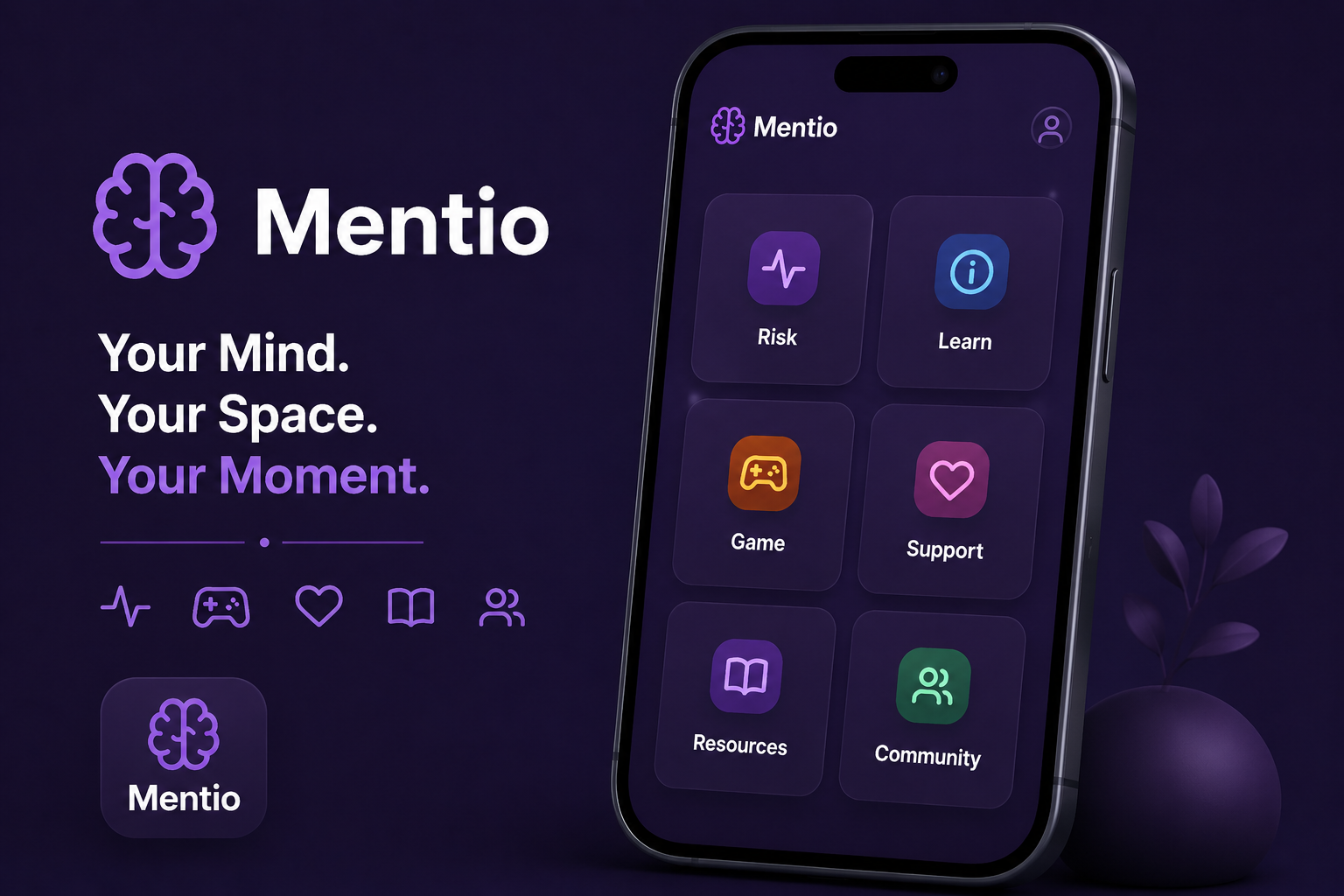
මේ ඩිමෙන්ෂියා අවදානම් ස්වයං තක්සේරුව ඔබට ලබා ගන්නට පුළුවන් අපේ Mentio ඇප් එක ඔස්සේ. බය වෙන්න එපා කිසිම වියදමක් යන්නේ නෑ, යන්න Mentio වෙත. එහි Risk කියන බට්න් එක ඔස්සේ, මේ ස්වයං තක්සේරුවට යන්නට පුළුවන්. එය අවසානයේ , ඩිමෙන්ෂියාව සඳහා ඔබට ඇති අවදානම ගැන අදහසක් ලබා ගන්නට පුළුවන්.එය සම්පුර්ණ වාර්තාවක් විදියට වගේම, ඔබට අවදානම් ඇත්නම්, ඒවා මගහරවා ගැනීමට කළ යුතුදේ ගැනත් දැන ගන්නට ඔබට පුළුවන්.

ඩිමෙන්ෂියාව ගැන තව දුරටත් කතාබහ කරන්නට එන්න අපේ ෆේස්බුක් ගෲප් එකට ඩිමෙන්ෂියා සුව අසපුව

ඇප් එකට මේ ලිංක් එකෙන් යන්නත් පුළුවන් https://mentio.recmike.ca

AISH to ADAP: Voices from the Community

A Personal Perspective Before We Begin

Before I begin, I want to make something very clear. This article is not written in support of, or opposition to, any political party. It is not intended to be a political statement.

Rather, it is based on my professional experience working with individuals living with disabilities, discussions I have had with clients and families over many years, and observations from the community.

As a healthcare professional, I have met many people living with disabilities who genuinely want to contribute to society. They want to work when they are able, volunteer, support their communities, and live meaningful and productive lives. Most are not looking for handouts. They are looking for opportunities, dignity, purpose, and a chance to participate in society despite the challenges they face.

Unfortunately, disability is not always predictable.

Some individuals are unable to work because of severe physical, cognitive, or mental health conditions. Others may have some capacity to work, but their health fluctuates from day to day. Chronic pain, fatigue, mobility limitations, transportation barriers, medical appointments, mental health challenges, and employer concerns often make sustained employment extremely difficult.

Many of the concerns discussed in this article come directly from conversations with clients who are worried about what the transition from AISH to ADAP may mean for their future. They are concerned about maintaining housing, affording medications, managing daily expenses, preserving independence, and continuing to live with dignity.

While policy discussions often focus on budgets, regulations, and employment statistics, the people affected by these decisions are real individuals trying to navigate life with significant challenges.

It is from that perspective that I share the thoughts and observations in this article.

A Major Change for Albertans with Disabilities

Starting July 1, 2026, most Albertans who currently receive AISH (Assured Income for the Severely Handicapped) will begin transitioning to a new program called ADAP, the Alberta Disability Assistance Program.

The Alberta government presents ADAP as a modernized approach that will encourage and support employment among people with disabilities while still providing financial assistance. On paper, the concept appears reasonable. Many people with disabilities want to work and contribute to society when they are able.

However, for many of the clients and families I have worked with, this change has generated significant anxiety. The concerns are not about avoiding work. In fact, many of the people expressing concern are individuals who desperately wish they could work more consistently.

Their worry is whether the realities of living with a disability have been fully considered.

Understanding the Difference Between AISH and ADAP

AISH was originally designed for people who are permanently and severely unable to work because of their disability.

ADAP takes a different approach. It is designed for people whose disabilities significantly affect their ability to work but who may still have some employment capacity.

Under the new structure, Albertans with the most severe and permanent conditions, including certain profound developmental disabilities and palliative diagnoses, will remain on AISH. Many others will be transferred to ADAP.

The financial difference between the two programs has become one of the most discussed concerns.

The maximum ADAP benefit is $1,740 per month, compared to up to $1,940 under AISH. That represents a difference of approximately $200 per month.

For some people, $200 may not seem significant. For many individuals living on disability income, however, it can represent groceries for several weeks, transportation costs, utility payments, prescription expenses, or part of a monthly rent payment.

The province has introduced a temporary transition benefit that maintains existing benefit levels until December 31, 2027. After that date, many recipients worry about how they will absorb the difference.

The Positive Side of ADAP

To have a fair discussion, it is important to recognize that ADAP does offer some potential advantages.

One of the biggest criticisms of AISH over the years was that employment income could reduce benefits relatively quickly. Many people felt discouraged from attempting employment because they feared losing financial support.

ADAP increases the amount people can earn before reductions begin. Single recipients can earn up to $700 per month without affecting their core benefit. The program also allows significantly higher earnings before benefits are fully phased out.

For individuals with stable health conditions, supportive employers, and the ability to work consistently, these changes could create new opportunities.

Health benefits such as prescription coverage and dental care also remain available regardless of employment income.

From a policy perspective, encouraging employment participation and independence is a reasonable objective.

The Reality Many Clients Describe

Where concerns begin to emerge is in the difference between policy design and real-life experience.

Over the years, I have worked alongside individuals whose disabilities do not fit neatly into categories. They may appear capable one day and be unable to function the next.

A person living with chronic pain may have several productive weeks followed by a severe flare-up. Someone with multiple sclerosis, epilepsy, depression, fibromyalgia, or another chronic condition may experience unpredictable setbacks that interrupt employment with little warning.

The challenge is that employers generally need consistency.

When two applicants apply for the same position, employers naturally prefer the candidate who can reliably attend work every scheduled shift. Individuals with disabilities often face barriers that have nothing to do with motivation, intelligence, or work ethic. Their health simply makes predictability difficult.

This is where many clients feel ADAP may underestimate the realities of living with chronic illness.

The Employment Gap Nobody Talks About

One recurring theme I hear from clients is simple.

"I want to work."

Not "I don't want to work."

Not "I want to stay on assistance forever."

Rather, many tell me they want meaningful employment, social interaction, independence, and the opportunity to contribute.

The problem is that wanting to work and being able to maintain employment consistently are not always the same thing.

I have seen clients start part-time jobs with excitement and hope, only to lose those jobs because their health deteriorated, their symptoms worsened, or frequent medical appointments made regular attendance difficult.

Many disabilities fluctuate. The labour market often does not.

That mismatch creates fear that some individuals may lose financial stability while still being unable to achieve sustainable employment.

Why $200 Matters More Than People Think

In public policy discussions, numbers can sometimes lose their human meaning.

For many Albertans living on disability income, $200 is not discretionary spending.

It is rent.

It is groceries.

It is medication.

It is a utility bill.

It is transportation to medical appointments.

I have spoken with clients who already budget every dollar carefully. Their concern is not about luxury. It is about survival.

Financial stress often leads to worsening physical and mental health. Worsening health can reduce a person's ability to work. Reduced employment opportunities then create additional financial stress.

It becomes a cycle that is difficult to escape.

Additional Concerns Raised by Families

Several other concerns have been raised by disability advocates, healthcare professionals, and families.

Some individuals worry about the burden of future reassessments and the need to repeatedly prove the severity of their disability.

Others are concerned about changes to appeal processes and whether recipients will have sufficient opportunities to challenge decisions they believe are incorrect.

Couples living with disabilities have also expressed concern about household benefit calculations and how those changes may affect their financial security.

Housing affordability remains another major concern, particularly for those living in subsidized or community housing.

Individually, each issue may appear manageable. Together, they create significant uncertainty for many people already living with complex challenges.

What Individuals and Families Can Do

For those currently receiving AISH, staying informed is essential.

Confirm your transition status directly with Alberta Supports.

Review all correspondence carefully.

Seek clarification if information is unclear.

Consult disability advocates, healthcare professionals, or support organizations if you believe your circumstances require additional consideration.

Most importantly, ask questions early rather than waiting until changes take effect.

Understanding your options can help reduce stress and improve planning.

The Human Side of Policy

Public policy often focuses on systems, budgets, and statistics.

Yet behind every policy are real people.

People managing chronic illnesses.

People trying to maintain housing.

People balancing medical appointments, medications, caregiving responsibilities, and financial uncertainty.

People who want to contribute to society but face barriers that many of us never experience.

These are not simply program recipients. They are our neighbours, friends, family members, and community members.

Their experiences matter.

A Closing Thought

I understand the intention behind ADAP. Supporting people with disabilities who are able and willing to work is a worthwhile goal. Most of the individuals I have worked with want the opportunity to contribute, earn an income, and participate in their communities when their health allows.

The challenge is that disability rarely fits neatly into policy categories. Many people live somewhere between being fully employable and completely unable to work. Their conditions fluctuate. Some days are productive and independent, while others are dominated by pain, fatigue, medical appointments, or mental health struggles.

The concerns raised in this article are not rooted in politics. They come from conversations with people who are trying their best to navigate life with significant challenges. They come from individuals worried about paying rent, affording medications, maintaining housing, preserving independence, and living with dignity.

Whether ADAP ultimately succeeds or falls short will depend on how well it reflects the realities faced by the people it is intended to serve.

At the heart of this discussion are not policies, programs, governments, or political parties.

At the heart of this discussion are people.

People who want to work when they can.

People who want to contribute when they are able.

People who want the same things most of us want: purpose, independence, security, and dignity.

Their voices deserve to be heard, and their experiences deserve to be part of the conversation.

20+නම් ඩිමෙන්ෂියාව දුර‍ නොවේ

“ඩිමෙන්ෂියාව”...මේ වචනේ කිව්ව ගමන්ම හිතට එන්නේ, වයසට ගිය කෙනෙක්, කල්පනාව අඩු වුනු පුද්ග‍ලයෙක්, සමහර විට බටහිර චිත්‍රපටයක සිදුවුනු කතාබහක් වෙන්න පුළුවන්. තවත් විදියකින් කිව්වොත්, මේ “ඩිමෙන්ෂියාව” ඒ තරම් අපට ළඟ නැති දෙයක් වගේ දැනෙන්න තියෙන ඉඩ වැඩියි, විශේෂයෙන්ම ලංකාවේ සිට මෙය කියවන ඔබට. හැබැයි ඉතින් එහෙම හිතෙන එක ගැන වරදක් කියන්නත් බෑ, මොකද, මේ නමේම නිකං ඉංගිරිස් ගතියක් නොවැ තියෙන්නේ. අනෙක අපේ රටේ මේ තත්ත්වය ගැන සමාජය තුල ඇති දැනුවත්බව අඩුයි, ඔන්න මම කිව්වේ නෑ ඒක ඔබේ වරදක් කියලා.

එහෙමත් නැත්නම් ඔය ඉඳල හිටල ඩිමෙන්ෂියාව ගැන කතාවන රූපවාහිනී සාකච්ඡාවක් ඇහෙත්දි ඔබට හිතෙන්න පුළුවන්, “ඕක ලෙඩක් යෑ, වයසට ගියාම හැටිනේ” කියලත්. අනෙක, ඒ කියන ලක්ෂණ ඇති ඔබේ සීයා, අත්තම්මා, සමහර විට අම්ම තාත්ත නැත්නම් අසල්වැසියා ගැන මතක් වෙත්දි “අනේ ඕක ඔය තරම් ලෙඩක් යැ” කියල ආයෙත් හිතෙන්නටත් බැරි නෑ.

නමුත්…

ඩිමෙන්ෂියාව කියන්නේ සාමාන්‍ය වියපත් වීමේදී අනිවාර්යයෙන්ම ඇතිවන ගැටළුක් නොවේ වගේම, වියපත් වූ අයට පමණක්ම ඇතිවන තත්ත්වයකුත් නොවේ. ඒ වගේම අමතකවීම්, තීරණ ගැනීමේ හැකියාවන් අඩුවීම්, පෞරුෂයමය වෙනස්වීම් වගේ ලක්ෂණ ඔස්සේ ඒ පුද්ගලයා විවිධ පීඩාවන්ට පත්වනවා වගේම, මේ අනපේක්ෂිත වෙනස්වීම් නිසා, මේ පුද්ගලයා රැකබලාගන්නා අය, පවුලේ අනෙක් අයත් පීඩාවලට, අපහසුතා වලට මුහුණදෙන්නට වන “සංකීර්ණ සෞඛ්‍යය ගැටළු තත්ත්වයක්”.

මෙතැනදී “රෝගයක්” කියල නොකිය "සෞඛ්‍යය ගැටළු තත්ත්වයක්" කියල කියන්නට හේතුවක් තියෙනවා. ‍මොකද, ඩිමෙන්ෂීයාව කියන්නේ තනි රෝගයකට වඩා, ලක්ෂණ ගණනාවක පරාසයක් තුල පැතිර ඇති තත්ත්වයක්, සින්ඩ්‍රෝමයක්.

අනෙක් වැදගත්ම දේ, මේක පිටරට ලෙඩක් වගේ දැනුනාට, ලංකාව තුල මේ වෙත්දී ඩිමෙන්ෂීයාව සමඟ ජීවත්වන සෑහෙන ප්‍රමාණයක් ඉන්නවා. සමහර විට එම පුද්ගලයා වගේම, පවුලේ අයත් නොදන්නවා ඇති ඔහුට හෝ ඇයට ඩිමෙන්ෂියාව ඇතිබව. කතා කරන අතරේ වචන හිර වෙලා ටිකක් අපහසුතාවයට පත්වෙන තාත්තාගේ සිට, හැමදාමත් තේ හදපු හැන්ද කිසිම හේතුවක් නැතිව කබඩ් එකට දාල වහන අම්ම වගේම, උදේට හොඳ කෑම වේලක් රසට කාපු , ඊට පස්සේ පාර දිගේ ඇවිදින ගමන් දකින දකින කෙනාට “මගේ ළමයි කන්න දෙන්නේ නෑනේ” කියන සීයාත් ඩිමෙන්ෂියාවෙන් හෝ ඩිමෙන්ෂීයාව වෙත යන ගමනේ ඉන්නවා වෙන්නට බැරි නෑ.

ලංකාව තුල මෙම සෞඛ්‍යය ගැටළුව ගැන ඇති අඩු දැනුවත්බව, දැනුවත්වීමට ඇති අඩු උනන්දුව වගේම, සෞඛ්‍යය සේවාව තුලත්, ඩිමෙන්ෂියාව හදුනාගැනීමට, ඊට අදාල පරික්ෂණ, විමර්ශණ කිරීමට ඇති තාක්ෂණකි වගේම පුහුණූ මානව සම්පත්වල හිඟයත් මේ අවදානම ගැන අපට නොදැනෙන්නට හේතුවක් වෙනවා. (අද වෙත්දි ඩිමෙන්ෂීයාව පිළිබඳ විශේඥතා සහිත සෞඛ්‍යය වෘත්තිකයන් කිහිපදෙනෙක් ලංකා‍වේ ඉන්නවා වගේම එයින් සමහර වෘත්තිකයන් අපේ සමාජය දැනුවත් කරන්නට යම් උත්සාහයක් දරන බවත් පේනවා, එය සතුටක්)

කොහ‍ොම වුනත්, ආසියාවේ තිබෙන වේගවත්ම වයසට යන රටක් විදියට , (ඕං කළබල වෙන්න එපා ‍මේ කිව්වේ රට වයසට යනවා කියන එකම නොවෙයි, රටේ වියපත් ජනගහණය සීග්‍රව වැඩිවන බව. මොකද, නොමිලේ ලැබෙන සෞඛ්‍යය පහසුකම් , ප්‍රතිකාරමය සේවා වල දියුණූව වගේ සාධක නිසා, වැඩි කාළයක් ජීවත්වෙන්නට පුළුවන් වෙනවා, එතකොට වියපත් ජනගහණය වැඩි වෙනවා , මේ කිව්වේ අන්න ඒ කාරණේ. ) මේ වෙලාවේ රට තුල ඇති ඩිමෙන්ෂියා අවදානමේ පුළුල් චිත්‍රය හරියටම නොහදුනාගත්තත්, බොහොම ඉක්මණින්, ලංකාව තුල “ඩිමෙන්ෂියා පුපුරායාමක්” වීමේ අවදානමක් නැතිවා නොවේ. ( නෑ නෑ ඩිමෙන්ෂියාව පුපුරනවා නොවෙයි, මේ තත්ත්වය හදුනාගැනීමේ ප්‍රමාණය ඉහළ යාමක් කියන එකයි කිව්වේ)

මෙහෙම “බය කරන්න” හේතු කීපයක් තියෙනවා. දැනටමත්, මේවෙත්දි කළ බොහොම සීමිත පර්යේෂණ ප්‍රමාණය ඔස්සේ කළ හදුනාගැනීම් තුලත් , ලංකාවේ ඩිමෙන්ෂියාව සමඟ ජීවත්වන්නන්ගේ සංඛ්‍යාව ප්‍රතිශතයක් විදියට ගත්තාම, දකුණූ ආසියාවේ වැඩිම අගයක ඉන්නවා. ලංකාවේ දළ වශයෙන් 4–11.8%ක් ඩිමෙන්ෂියාව හෝ ඒ අශ්‍රිත තත්ත්ව සමඟ ජීවත්වන බව.

නමුත්, ‍මේ පර්යේෂණ සමස්ථ ලංකාව පුරාම , විශේෂයෙන්ම ප්‍රධාන නගර වලින් එපිට, කුඩා නගර, ගම් , දුෂ්කර ප්‍රදේශ වගේ පුළුල් පරාසයක් පුරා විහිදුනු විමර්ශණයන් නොවන නිසා , සහ ලංකාවේ දැනට පවතින ඩිමෙන්ෂියාව හදුනාගැනීම සඳහා යොමුවීම අඩුවීම මෙන්ම හදුනාගැනීමේ පහසුකම් අඩුවීම වගේ සාධක නිසා, රෝග විනිශ්චයක් නොලබා “වියපත්වීමේ ගැටළු” ලෙස පිළිගනිමින් සමාජය තුල රැදෙන පිරිසක් ඉන්නා බැවින් සමහර විට අවදානම මීටත් වැඩි වෙන්න බැරි නෑ.

මේ අතරේම අපේ වියපත් ජනගහණය සාර්ථක ලෙස ඉහළ යනවා. 2012දි 12%ක් වුනු වයස 60+ සංඛ්‍යාව, 2024 වෙත්දි 18%ක් දක්වා ඉහළ යනවා. මේ විදියට ගියාම, 2040 වෙත්දි (තව මහ ලොකු කාළයක් නෑ) ශ්‍රී ලංකා‍වේ ජනගහණයෙන් 24-25%ක්ම 60+ වැඩිහිටියන් වෙන්නට පුළුවන්. මේක “වරදක්” නොවේ, නමුත් රටක වැඩිහිටි ජනගහණය වැඩිවීමත් සමඟ, සෞඛ්‍යය පැත්තේ අවශ්‍යතා ඉහළ යනවා, අද කතාවට අදාලව ඩිමෙන්ෂීයාව සහ ඒ ආශ්‍රිත ලක්ෂණ මතුවී, “ඩිමෙන්ෂීයා රෝගීන්” ලෙස හදුනාගන්නා ප්‍රමාණය ඉහළ යන්නට වැඩි ඉඩක් තිබෙනවා.

දැන් තේරෙනවා ඇති මේ “බය කිරීමකට” වඩා, අවදාමට පෙර සූදානම් වීම සඳහා කරන පෙළඹවීමක් බව. මොකද, ප්‍රධාන හේතු තුනක් ඔස්සේ, අප අනාගත “ඩිමෙන්ෂියා අවදානමක්” වෙත යමින් ඉන්නවා. ඒ, ජීවත්වන කාළය වැඩිවීම , බිහිකරන දරුවන් ප්‍රමාණය ක්‍රමයෙන් අඩුවීම , වගේම දියවැඩියාව, අධිරුධීර පීඩනය වැනි බෝනොවන කාළීන රෝග තත්ත්වයන්ගේ ඉහළ යාම කියන අවදානම් තුන. දැන් මේ සියල්ල එකතු වුනාම හිතා ගන්නට පුළුවන්ද අප ඉදි‍රියේ ඇති අවදානම ? (සමහර විට තවමත් නොදැක්ක)

දැන් අද කතාවේ ප්‍රධානම තැනට. මෙතෙක් කියවගෙන යත්දිත් “ඩිමෙන්ෂියාව” කියන තත්ත්වය සමඟ ගැලපිලා මතක් වෙන්න ඇත්තේ අවුරුදු හැටක, හැත්තෑවක් කෙනෙක් නේ. නමුත් ඔබ දන්නවාද ඩිමෙන්ෂියාව කියන තත්ත්වය ඕනෑම වයසකදි මතු වෙන්න පුළුවන්, කුඩා දරුවන්ට වුවත්. ඇත්ත, වියපත් වීමත් එක්ක ඒ හදුනාගැනීමේ අවස්ථාවන් වැඩි වෙනවා , නමුත් මේක “වයසක අයගේ ලෙඩක්”ම නෙ‍ාවෙයි.

ඩිමෙන්ෂියාව සහ ඒ ආශ්‍රිත රෝග තත්ත්ව සමඟ ජීවත්වන අය වෙනුවෙන් චිකිත්සීය ප්‍රතිකාර ලබා දෙන්නෙක් ලෙස වසර දාහතරක විතර මගේ වෘත්තීය අත්දැකීම් තුල අවුරුදු එකසිය තුනක් වෙලා ඩිමෙන්ෂීයාව හදුනාගත් කටපුරෝලා හිනාවක් තිබුණූ ඇලිස් නෝනාගේ සිට, අවුරුදු තිස් හතේදී ඩිමෙන්ෂියාව තත්ත්වය සමඟ ජීවත්වන්නෙක් ලෙස රෝග විනිශ්චය ලැබූ මැක්ද මගේ මතකයට එනවා (සේවාලාභීන්ගේ පෞද්ගලිකත්වය රැකීමේ වගකීම මත, මේ නම් ව්‍යාජ ලෙස යෙදුවේ) . මේ කාළය තුල වයස තිහ, හතලිහ වයස් සීමාවට සිට, පනහ , හැට වෙත්දි සීග්‍රව ඉහළ යන ප්‍රස්ථාරයක් අපට ලැබෙනවා.

විශේෂයෙන්ම වැස්ක්‍යුලර් ඩිමෙන්ෂියාව , වයස 30 , 35 වගේ කාළයේ සිටත්, Early Onset Dementia (EOD) වයස අවුරුදු හතලිහේ සිටත්, Frontotemporal Dementia (FTD) තත්ත්වය වයස හතලිස් පහ , පනහ වගේ සීමාවක සිටත් රෝග ලක්ෂණ මෙන්ම, රෝග විනිශ්චයන් සහිතව අපේ සායන වලට , කණ්ඩායම් චිකිත්සාවන් වලට එනවා. ඒ නිසා, ඩිමෙන්ෂියාව මතු වෙන්නේ “හුඟක් වයසට ගියාම” කියන අදහස අතෑරගන්නම වෙනවා.
දැන්, හොඳම කතාවට එන්නේ මෙතැනට.

මේ වයස හතලිහේදී නැත්නම් හැටේදි “ඩිමෙන්ෂීයාව” බවට රෝග විනිශ්චය ලැබෙන පුද්ගලයාගේ , “ඩිමෙන්ෂියා උපත” සිදුවන්නේ , එයින් අවුරුදු විස්සකට විතර එහා වෙන්න පුළුවන්., සමහර විට 25ක් වෙන්නත් පුළුවන්. දළ වශයෙන් කිව්වොත්, අද අවුරුදු පනහෙදි, තමන්ට ඩිමෙන්ෂීයාව ඇති බවට රෝග විනිශ්චය ලැබෙන පුද්ගලයාගේ මොළය තුල , ඩිමෙන්ෂියා‍වේ වෙනස්වීම් ආරම්භ වෙන්නේ ඔහු හෝ ඇය අවුරුදු විසි පහ , තිහ වගේ කාළයේ දී. මේ ලිපිය කියවන ඔබ , ඔබ ගැනම හිතල බලන්න. ‍මේ “ඩිමෙන්ෂියාව ගැන හිතන්න ඕන වයසක්ද?” එළියෙන් බැලුවම හිතෙන්නේ “අපෝ නෑ, අපි තාම තරුණයි” කියල. හැබැයි, මොළේ ඇතුලට ගිහින් බැලුවොත්, සමහර විට දැනටමත් ඩිමෙන්ෂීයාව වෙනුවෙන් ආරම්භක වෙනස්වීම් වීම පටන් අරන් තියෙන්නට පුළුවන්.

අන්න ඒනිසා තමයි මේ ලිපිය , 20+ වලට ප්‍රධානව ඉලක්ක කළේ. මොකද, අනාගතයේ තමන්ට ඩිමෙන්ෂියාව ඇතිවීම වලක්වා ගන්නට හෝ ප්‍රමාද කරන්නට කළ යුතු දේ පටන් ගන්නට, හිතන්නට , ඒ අවදානම ගැන දැනෙන්න දැනගන්නට හොඳම වයස මේ.

ඒ නිසා මුලින්ම, මේ ලිපිය ඔස්සේ ,

ඩිමෙන්ෂියාව කියන්නේ, “වයසක අයගේම ලෙඩක් නොවන බව” සහ “වයස අවුරුදු විස්සේ සිට වුවත් ,ඩිමෙන්ෂියාවේ වෙනස්වීම් මොළය තුල සිදුවීම පටන් ගන්නට පුළුවන් බව”
වටහා ගත්තා නම්, දැනුවත් වුනා නම් එයම ප්‍රමාණවත්.

දැන්, මේ ඩිමෙන්ෂියාව ගැන කතා කරත්දි, වැදගත්ම මාතෘකාවක් තමයි අවදානම් සාධක.

මේ කියන සාධක “අවදානම්” බව දැනීමම, අවදානම සීමා කරගැනීමට උදව්වන නිසා. ඩිමෙන්ෂියාව සඳහා වූ අවදානම් සාධක ප්‍රධාන කාණ්ඩ දෙකකට කැඩෙනවා. ඒ, වෙනස් කළ නොහැකි අවදානම් සාධක සහ වෙනස් කරගත හැකි ලෙස
උදාහරණයක් විදියට , වයස, ස්ත්‍රී පුරුෂභාවයේ වෙනස, ජානමය සම්බන්ධතා වගේම, ජනවාර්ගික වෙනස්කම් වගේ සාධක අපට වෙනස් කරගන්නට නොහැකි , අවදානම් සාධක. දැන් මේ කියන්නේ ,අද දවසට ගැලපෙන වෛද්‍ය තාක්ෂණය අනුව. එහෙම කියන්න හේතුව, අද වෙත්දී සිදුවන ජාන පර්යේෂණ ක්ෂේත්‍රය තුල අද දවසේදී අපට හිතා ගන්නට බැරි තරම් සොයා ගැනීම් සිදුවෙමින් පවතිනවා.

අනෙක් කාණ්ඩය තමයි, වෙනස්කරගත හැකි අවදානම් සාධක (modifiable risk factors) . දැන්, මේ ලිපිය තුල මේ වෙනස් කරගත හැකි අවදානම් සාධක ගැන ගැඹුරු විස්තරයක් ලියන්නට යන්නේ නැහැ. ඒ වෙනුවට, ඒ කරුණු එක්තරා විදියට Dementia Risk Self-Assessment එකක් විදියට ඔබට දෙන්නයි සූදානම. ඒ, ස්වයං තක්සේරුවක් මගින් , ඔබට ඇති අවදානම් ගැන යම් හදුනාගැනීමක් කරගන්නට ,නමුත් වැදගත් යමක් කිව යුතුමයි. මේ ස්වයං-තක්සේරුව යනු , රෝග විනිශ්චයක් නොවන බව. ඒ වගේම, තක්සේරුව ඔස්සේ ඔබට ලැබෙන අගය අනුව , අනිවාර්යයෙන්ම ඔබ ඩිමෙන්ෂීයාව ඇතිවේ හෝ නොවේ කියන තීරණ වලට එන්න එපා. කළ යුත්තේ, ඇති අවදානම හදුනාගෙන, වෙනස් කළ හැකි සාධක වඩාත් සෞඛ්‍යානුකූල ලෙස වෙනස් කරගනිමින් මෙම “අවදානම අඩු කරගැනීමයි”.

මේ ඩිමෙන්ෂියා අවදානම් ස්වයං තක්සේරුව ඔබට ලබා ගන්නට පුළුවන් අපේ Mentio ඇප් එක ඔස්සේ. බය වෙන්න එපා කිසිම වියදමක් යන්නේ නෑ, යන්න Mentio වෙත. එහි Risk කියන බට්න් එක ඔස්සේ, මේ ස්වයං තක්සේරුවට යන්නට පුළුවන්. එය අවසානයේ , ඩිමෙන්ෂියාව සඳහා ඔබට ඇති අවදානම ගැන අදහසක් ලබා ගන්නට පුළුවන්.එය සම්පුර්ණ වාර්තාවක් විදියට වගේම, ඔබට අවදානම් ඇත්නම්, ඒවා මගහරවා ගැනීමට කළ යුතුදේ ගැනත් දැන ගන්නට ඔබට පුළුවන්.

ඩිමෙන්ෂියාව ගැන තව දුරටත් කතාබහ කරන්නට එන්න අපේ ෆේස්බුක් ගෲප් එකට ඩිමෙන්ෂියා සුව අසපුව

ඇප් එකට මේ ලිංක් එකෙන් යන්නත් පුළුවන් https://mentio.recmike.ca

2026/06/19

වනන්තරේ සංචාරේ - පළමු කොටස

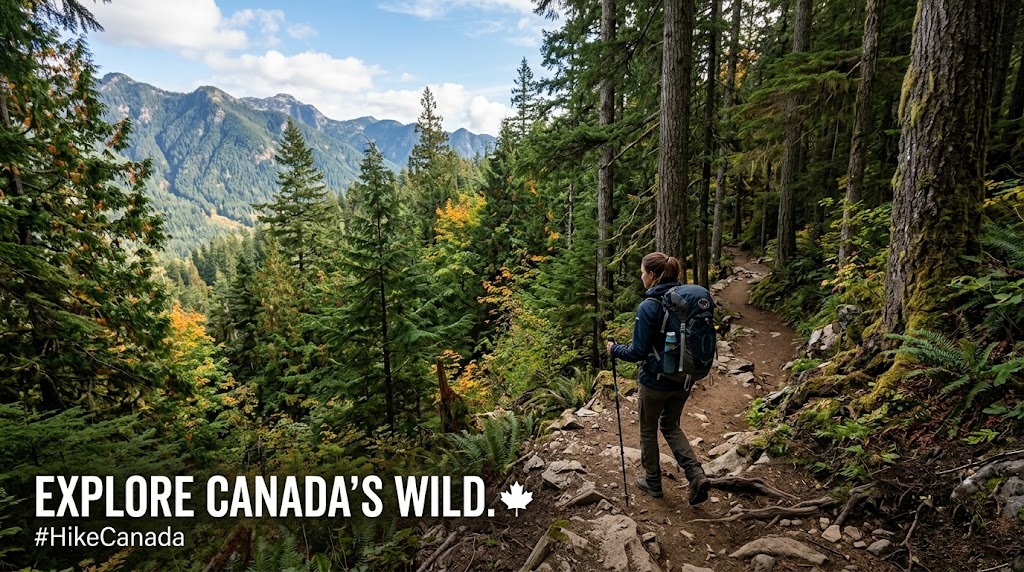
කැනඩාව කියන්නේ, සොබා සෞන්දර්යය අතින් ඉහළ තැනක තියෙන රටක්. වනාන්තර, සතාසීපාවා, ගංඟා, දිය ඇළි , නිදහස් තැනිතලා ඕන තරම්. ලෝකයේ භූමි විශාලත්වය අනුව දෙවන ර‍ට නිසා වගේම, ජනඝණත්වය අතින් අඩු බව නිසාත්, ස්වභාවික පරිසරය ආරක්ෂා කරගන්නට සහ එය, පුරවැසියන්ගේ මානසික සෞඛ්‍යයයේ යහපතට යොදා ගන්නට ඇති රාජ්‍ය ප්‍රතිපත්ති නිසාත් මේ සුන්දර වාසිය අත්විඳින්නට කැනඩාව තුල ජීවත්වන ඕනම අයෙක්ට අවස්ථාව තිබෙනවා. මේ සොබා සුන්දරත්වය විඳින්නට තිබෙන ක්‍රම ගණනාවක් අතරේ අද මගේ මේ ලිපිය තුල කතා කරන්නට උත්සාහ කරන්නේ, කැනඩාවේ වනාන්තර ආශ්‍රිත ප්‍රදේශයක, එහෙම නැත්නම් වනාන්නතරයක් තුල සොබා සංචාරයක් කරන්නේ, එහෙම නැත්නම් ෆොරස්ට් හයික් එකක් යන්නේ කොහොමදැයි. මේ මාතෘකාව ගැන කතා කරන්නේ, මේ විෂය ගැන ලැබූ පුහුණු , දැනුවත් වීම් වගේම වසර ගණනාවක් තිස්සේ කැනඩාවේ බොහෝ සුන්දර වනාන්තර පරිසරය වල හයික් ගිය, යන ඒ ඔස්සේ විවිධ අවදානම්, අත්දැකීම් විඳි අයෙක් විදියට. මේ අදහස් ටික එකතු කරන්නේ, කැනඩාවට ළඟදි ආ අපේ මිතුරන් වෙනුවෙන් වගේම, මේ වගේ ෆොරස්ට් හයික් ගිහින් අත්දැකීම් ඇති අයටත් කියවන්නට අවස්ථාවක් ලබා දෙමින්. ම‍ගේ අරමුණ වෙන්නේ, දැනුම සහ අත්දැකීම් බෙදා දීමක් වගේම, හයිකිං ගැන ඇති සමහර වැරදි අදහස් , විශේෂයෙන්ම ලංකාවේ හයිකිං ලෙස කරන ක්‍රියාකාරකම් තුල මා දකින අවදානම් සහ පාරිසරික හානි ගැනත් මතක් කරන්නත් එක්ක. ඒ ඔස්සේ , වඩාත් පරිසරකාමී අයෙක් ලෙස මේ සුන්දර පරිසරයේ සුව විඳ, කායික මානසික සතුටක් ලබා ගන්නට උදව්වක් වන්නට.

වනන්තරේ වෙනස්කම්

කැනඩාව තුල ෆොරස්ට් හයික් එකක් කරන හිතන අයෙක් මුලින්ම දැනුවත් වෙන්නට අවශ්‍ය වැදගත් කාරණයක් තමයි, කැනඩාවේ විවිධ ප්‍රදේශ අනුව, ඒ වනාන්තර වල හැඩය, තත්ත්වයත් වෙනස්වන බව. එය පළාතෙන් පළාතට වගේම, සමහර විට එකම පළාත තුල ප්‍රදේශ දෙකකත්, තවත් සමහර විට එකම වනාන්තරයක් තුල කොටස් දෙකකත් මේ වෙනස්කම් තිබෙන්නට පුළුවන්. මේ “වෙනස්කම්” කියල කිව්වේ, වනාන්තරේ ඇති ගස් වර්ග, ඒ ඔස්සේ වනාන්තරය තුල ඇති අඳුර, තෙතමනය, කඳු බෑවුම් ස්වභාවයන්, පස,සීතල, හිම හෝ ගලායන ජලය සහිතබව, වියලි තැනිතලා , ඒ වගේම වනාන්තරය තුල ඇති වන ජීවීන් වර්ග වගේ කරුණු ඇතුලත්. ‍මේ දැනුවත්වීම වැදගත් වන්නේ, අදාල වනාන්තරය තුල හයික් එක යන්නට සූදානම් වන්නා , මේ වෙනස්වීම් වලට සූදානම්ව යාම තුල විය හැකි අපහසුතා සීමා කරන නිසා. ඒ නිසා ෆොරස්ට් හයික් එකක් යන්න සැලසුම් කරන ඕනම කෙනෙක් මුලින්ම කළ යුතුම දෙයක් වන්නේ, තමන් යන්නට සූදානම් වන වනාන්තරය “හදුනාගන්න” එක. ඒ සඳහා පළාත් රජ‍ේය වෙබ් අඩවි වගේම හයිකිං වෙනුවෙන් ඇති ඇප්ස් එහෙමත් උදව් කරගන්නට පුළුවන්.
ඒ නිසා “දැන වන වැදීම” අවදානම් අඩු කරාවි වගේම, සොබා ‍සුන්දරත්වය විඳ සුවයක් ලබන්නටත් උදව්වක් වේවි.

ගමන සැලසුම.

දැන්, ඊළඟ පියවර වෙන්නේ, තෝරා ගත් වනාන්තරය තුල ඇති trails එහෙම නැත්නම් පටු ගමන් මාර්ග අතරින්, තමන්ගේ මට්ටමට ගැලපෙන trail එකක් තෝරා ගැනීම. මේ තෝරා ගැනීමටත්, පෙර කී විදියටම පළාත් රජ‍යේ, වනාන්තර සහ පාර්ක් ගැන ඇති වෙබ් අඩවියෙන් ‍තොරතුරු ගන්නට පුළුවන්. එහෙම නැත්නම් ඇප් එකක් උදව් කරගන්නටත් පුළුවන්. හැබැයි, සමහර වෙලාවට මේ හයිකිං ඇප් වල තියෙන තොරතුරු නොගැලපෙන අවස්ථාත් තියෙනවා. උදාහරණයක් easy විදියට රේටිං වෙලා තියෙන හයික් එකක්, මේ විනෝදාංශයට අළුත්ම කෙනෙක්ට ඊසි නොවන්න පුළුවන්. මුලින්ම ෆොරස්ට් හයික් එකක් යන කෙනෙක්ට හොඳම තෝරා ගැනීමක් විදියට easy , elevation එක අඩු, 10 Km හෝ අඩු, circuit trail එකක් වගේ හයික් එකක් වඩා හොඳයි කියල මට හිතෙනවා.

මග විමසීම.

දැන් හයික් trail එක තෝරගත්තට පස්සේ කළ යුතුම වැදගත්ම පියවර තරම්, ඒ තෝරාගත් මාර්ගයේ මේ දිනවල තත්ත්වය ගැන සොයා බැලීම, දිය සීරා සහිත මඩ , එරෙන සුළු තත්ත්වයක් තිබෙනවාද, එහෙම නැත්නම් තද අව්වේ බලපෑමට ලක්වන මාර්ගයක්ද, වන සතුන්ගේ ගැවසීම් වැඩි, වන සතුන් පිළිබඳ අවදානම් ඇති මාර්ගයක්ද වගේ තොරතුරත් පෙරකී ක්‍රම ඔස්සේ දැන ගැනීම , පෙර සූදානම් වීමක්. මතක තියා ගන්න, කැනඩාවේ කාළගුණේ හරිම වෙනස්වන සුළුයි, මේ තද අව්ව තිබුණ හයික් එක තව ටිකක් වෙලා යත්දි හිමෙන් වැහිල තියෙන්නත් බැරි නෑ.ඒ නිසා මග ගැන දැන ගැනීම වැදගත්.

හිතවතෙක්ට කියන්න

ඊළඟ වැදගත් කරුණ තමයි , වනාන්තරයක් තුල හයික් එකක් යනවා නම්, ඒ ගැන තමන්ගේ හිතවතෙක්ට කියල තියන්න. විශේෂයෙන්ම බැක්කන්ට්‍රි හයික් එකක්, එහෙම නැත්නම් වනාන්තරේ හුඟක් ඇතුලට යන, සමහර විට දින කිහිපයක් ගත වන හයික් එකක් නම් මේ “දැනුවත් කිරීම” හරිම වැදගත්. ඒ දැනුවත් කිරීම වගේම, ඒ වගේ ටිකක් ගැඹූරට යන හයික් වල පටන් ගැන්මේ තියෙන පෙට්ටියේ තියෙන පොතේ ඔබේ නම, ගමනාන්තය වගේම නැවත එන්නට සැලසුම් කළ කාළය ගැන සටහනක් තබා යන්න විශේෂයෙන්ම, බැක්කන්ට්‍රි හයික්/කෑම්පිං යනවා නම් මේ දැනුවත් කිරීම හරිම වැදගත්.

ඇඳුම් පැළදුම්.

මේ ගමන තුල සතුට විඳින්නට වගේම ආරක්ෂාව වෙනුවෙනුත් ගන්නට ඕන ඊළඟ පියවර තමයි ගැලපෙන ඇඳුම් තෝරා ගැනීම. මෙතැනදී ඇඳුම් ලේයර්ස් ගැන දැනුම වැදගත්. මුලින්ම ඇතුලට පහසු , තෙතමනය උරා ගන්නා නමුත් “කපු රෙදි නොවන” ඇඳුමක් තෝරාගන්න. අර ලංකාවේ විදියට 100% කපු රෙදි වලින් ඇන්දාම සුවයි කියල හිතාගෙන කපු ඇඳුම් ඇඳගෙන යන්න එපා. මොකද, කපු රෙදි, දහදිය හෝ වැස්ස නිසා පෙඟුණාම සමට ඇති කරන්‍නේ සීතලක්, විශේෂයෙන්ම කැනඩාවේ වනාන්තර තුල පැවතිය හැකි අඩු උණූසුම තුල, මේ තත්ත්වය අවදානමකට හේතුවක් වෙන්න පුළුවන්. ඒ නිසාමයි, හයිකර්ස්ලා තුල "cotton kills" කියන අදහස පවතින්නේ.

ඊළඟට පහසු, තද නැති සැහැල්ලු ස්වෙටර් එකක් වගේ ඇඳුමක් සහ එයින් පිටතට, සැහැල්ලු waterproof ජැකට් එකක් තිබීම පරිස්සම්. දැන් මේ ලේයර් තුනම හැම තිස්සේම ඇඳගෙන ඉන්න ඕන නෑ, හිතමු තද උණූසුමක් තියෙන තැනකදි ජැකට් එක ගලවල ඉණ වටේ ගැටගහ ගන්න පුළුවන්, නැත්නම් පිටේ දාගෙන යන බෑග් එකට දාගන්න.

ඊළඟට සපත්තු, මේක හරිම වැදගත්. මොකද, මේ trails හැම එකක්ම හරියම සමතලා කරලා, සුව පහසු විදියට හදල නෑ, ගල්මුල් අස්සෙන්, වලවල් , මග වගුරු අස්සෙන් යන්න වෙන්නත් පුළුවන්. කඳු බෑව්ම් නඟින්නටත් වෙන්න පුළුවන්. ඒ ගමනකදි කකුල තුවාල වුනොත්, ඊටත් වඩා කකුලේ මැණික් කටු සන්ධිය ආශ්‍රිතව උලුක්කුවක් වුනොත් (Ankle sprains ) සමහර විට එය ජීවිත අවදානමක් ඇති කරන තත්ත්වයක් වෙන්න වුනත් පුළුවන්. ඒ නිසා හයිකිං යන්න ආසාවක් තියෙනවා නම් , හොඳ හයිකිං බූට් සෙට් එකකට මුදල් යෙදවීම වාසියක්. එතැනදී, හොද ankle support එකක් තියෙන හොඳ ග්‍රිප් එකක් තියෙන බූට් සෙට් එකක් ගන්න. ඒකට දාන්න හොඳ hiking socks දෙකක්, කඩේට යන්න දාත්දි පළඳින තුනී මේස් දාන්න එපා.

මේ ඇඳුම් පැළඳුම් එක්කම හොඳ හයිකිං පෝල් දෙකක් තියෙන එකත් වටිනවා. අනිවාර්යය නැතත්, මේ මගින් ටිකක් ගිරි දුර්ඝ සහිත හයික් එකකදි ගමනේ පහසුවට ලොකු උදව්වක්. ආ, ඒ වගේම හොඳ හිස් වැසුමක් තිබීමත් උදව්වක් , අවුවෙන් පරිස්සම් වෙන්න වගේම, මට නම් මදුරුවන්ගෙන් ඔළුව බේර ගන්නට.

අදට මේ ඇති, ඊළඟ සතියේ ලිපියෙන් කතා කරන්නම් තවත් වැදගත්ම කරුණූ කිහිපයක් ගැන

2026/06/12

Sri Lanka's Unsung Heroes- Part 6

Education, Emotion, and the Weight of Invisible Labour

There is a moment that happens many times a day in hospital wards, and most visitors never see it. A doctor finishes a consultation with a patient. The door closes. And the patient, or the family member sitting by the bed, turns to the nurse. What does this diagnosis mean for my life? Will the treatment hurt? What happens if it does not work? What do we do when we go home? These are the questions people do not ask while the doctor is still there. These are the questions they ask the nurse.

The Education Work

We answer these questions. We explain diagnoses in plain language. We translate what the doctor said into terms that actually make sense. We help frightened people understand what is happening to their bodies and what will be done about it. We teach patients how to take their medications at home. We show families how to care for wounds after discharge. We help them recognize warning signs that mean they need to come back to the hospital. We answer the same questions multiple times, patiently, because people who are scared or sick do not always remember the first explanation. For many patients, this conversation with the nurse is the most important part of their entire hospital stay. It is where fear gets replaced with understanding. Where confusion becomes clarity. Where someone moves from feeling helpless to feeling like they can actually manage their own care. This is not a side task. This is care.

The Emotional Weight

Emotional support is equally demanding. When someone gets a serious diagnosis, the nurse is often the first person to see how that lands. We see the fear. We see the tears. Sometimes we are the ones holding someone's hand when they cry. When a family is waiting outside an operating theatre, the nurse is there. When someone is in pain at two in the morning with no one but the nurse for company, that human presence matters. A skilled, compassionate nurse can reduce anxiety. We can improve how well someone cooperates with their treatment. We can meaningfully affect recovery. This kind of care cannot be automated. It cannot be given by someone who is not actually there. It requires presence. It requires attention. It requires the ability to recognize that someone needs more than medication right now. They need to be heard.

The Structural Problem

And here is where I need to be honest. Delivering education and emotional support consistently is genuinely difficult. Not because nurses do not want to do it. Because the system does not make space for it. Time is the immediate problem. After completing urgent clinical tasks, giving medications, monitoring patients, responding to emergencies, and managing the ward, there is typically very little calm time left for extended conversations. This is not because individual nurses are failing. This is because there are not enough nurses to allow this work to be done properly. It is a structural failure.

Keeping Knowledge Current

There is another challenge that deserves acknowledgment. Most nurses develop strong practical skills through years of hands-on work. But knowledge changes. Healthcare changes. New treatments come along. New understanding emerges about how to manage conditions. Without structured, mandatory education to keep knowledge current, a nurse who qualified fifteen years ago and has had no formal updates since then is still practicing with information that may have been superseded. In Western countries, regular professional development is required to maintain nursing registration. This requirement exists because healthcare changes constantly, and we need to change with it. Supporting ongoing learning is not something extra for nurses. It is fundamental. It is how we stay safe practitioners.

The System Coordinator

Beyond the bedside, nurses also coordinate the entire hospital system for individual patients. We are the people who ensure that someone moves smoothly from admission through investigation, treatment, and discharge. We make sure accurate information follows them at every stage. We connect them with the departments and specialists they need. This requires clinical knowledge. Communication skills. Patience. The ability to think across systems while simultaneously managing multiple urgent tasks. This is professional work of a high order. Yet it is rarely recognized as such. Nurses are often seen as support staff, as helpers, as someone following instructions. The reality is that we are making complex decisions, coordinating multiple systems, and managing the flow of a patient's entire hospital experience. The failure to recognize this work for what it is has real consequences. Not just for nurses, but for every patient in Sri Lanka's public hospitals. When nurses are unsupported and undervalued, this work suffers. And when this work suffers, everything suffers.

Kananaskis Hidden Gems

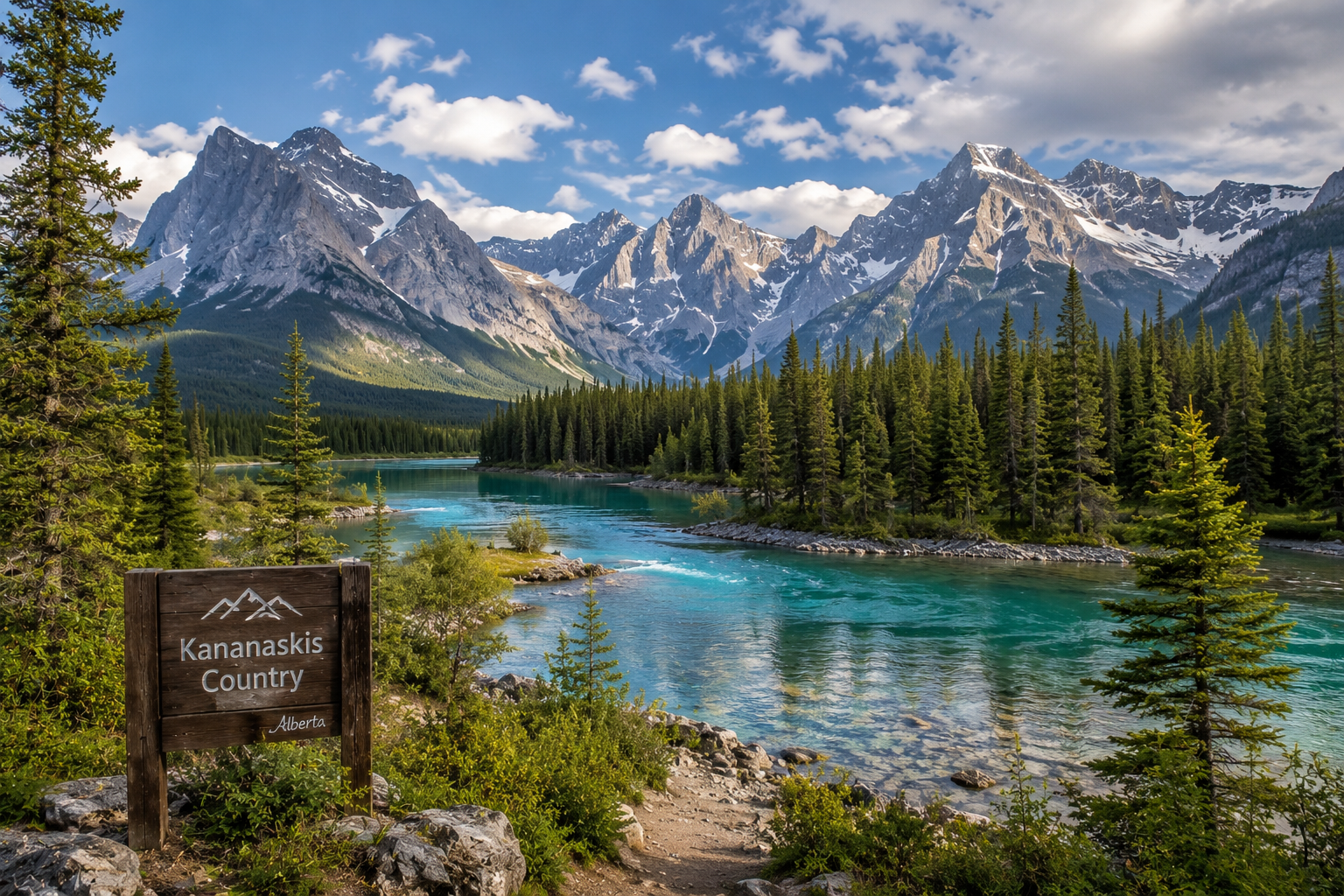
I live in Calgary. And when people ask me where I go to clear my head, breathe mountain air, and feel genuinely small in the best possible way, I always say the same thing: Kananaskis.

Not Banff. Not Lake Louise. Kananaskis.

Banff is magnificent, and I won't argue otherwise. But it can also feel like hiking in an airport terminal during peak season. Kananaskis is different. It is wilder, quieter, and somehow more honest. The trails still reward you with jaw-dropping views of the Rockies, turquoise lakes, and golden larch forests in September, but without the tour bus congestion or the Instagram line-ups.

I want to share the trails that have stopped me in my tracks over the years. Some are well-known to locals but still fly under the radar for visitors. A few are genuinely off the beaten path. All of them are worth every step.

First, the Practical Stuff

You need a Kananaskis Conservation Pass to park at all trailheads in the region. Do not skip this. Parking lots are regularly checked, and the fees support trail maintenance across the whole area. Pick it up online before you go.

Always carry bear spray, make noise on the trail, and travel with a buddy when you can. Bighorn sheep, moose, and grizzly bears are regular residents out here. That is part of the magic, but it also requires you to be prepared.

Cell coverage is minimal in most of K-Country. Download your trail maps offline through AllTrails or Gaia GPS before you leave home.

1. Ptarmigan Cirque — The Alpine Fast-Track

Distance: 6 km return
Elevation gain: ~200 m
Difficulty: Easy to moderate
Trailhead: Highwood Pass parking lot, Highway 40

If you want to reach the alpine quickly without a full-day grind, this is your trail. The trailhead sits at Highwood Pass, which is the highest point in Canada accessible by paved road, so you are already starting at elevation. The trail climbs through subalpine forest and opens into a stunning cirque ringed by jagged peaks.

In early summer, wildflowers carpet the cirque floor. In September, the larches turn gold and the whole basin glows. It is genuinely one of the most rewarding short hikes in Alberta.

A few things to know: it gets cold and windy once you clear the treeline, so pack an extra layer even on warm days. Snow can linger here well into late June. And yes, grizzly bears have been spotted on this trail seasonally, so your bear spray should be clipped and accessible, not buried at the bottom of your pack.

2. Arethusa Cirque — The One That Sneaks Up on You

Distance: ~5 km return
Elevation gain: ~300 m
Difficulty: Moderate
Trailhead: Near Highwood Pass, Highway 40

Most people who drive up to Highwood Pass head straight for Ptarmigan Cirque. Not many notice the sign for Arethusa Cirque just across the road. That is their loss, and quietly your gain.

Arethusa Cirque rewards hikers with a remarkable amount of Rocky Mountain scenery for a short outing. The trail is not as widely recognized as its neighbors, which means the parking area is small and fills up fast, but the cirque itself stays relatively peaceful throughout the day.

Come in late September and you will walk through expansive patches of golden larch trees that frame the base of the mountain cirque in a way that genuinely looks painted. Arrive early. This one is worth it.

3. Rawson Lake and Sarrail Ridge — Two Hikes for the Price of One

Distance: 7 km return to Rawson Lake; 11 km to Sarrail Ridge and back
Elevation gain: ~320 m to Rawson Lake; ~900 m including Sarrail Ridge
Difficulty: Moderate (lake only) to challenging (full ridge)
Trailhead: Upper Kananaskis Lake Day Use Area

This is one of my personal favourites, and for good reason.

The hike to Rawson Lake alone is a beautiful, manageable outing. You follow forested switchbacks and pass a waterfall before ascending to the lake, which sits tucked beneath towering cliffs. The reflection of Mount Sarrail on the water on a calm morning is something I have stopped to photograph probably a dozen times. Many hikers turn around here and go home happy, and that is a perfectly reasonable choice.

But if your legs are willing and the conditions are dry, continuing to Sarrail Ridge is worth every ounce of effort it demands. The final push is steep, relentless, and involves some loose scree that will test your footing. Trekking poles are not optional here; they are genuinely useful. From the ridge, the view over Upper Kananaskis Lake against the surrounding peaks is one of the finest panoramas in the entire region.

Do not attempt the ridge in wet or icy conditions. The informal route is steep enough that a slip carries real consequences. Go on a dry, clear day and give yourself plenty of time.

4. Lillian Lake and Galatea Lakes — The Hike of Many Bridges

Distance: 6.3 km one way to Lillian Lake; additional 2.4 km to Upper Galatea Lake
Elevation gain: ~600 m to Lillian Lake
Difficulty: Moderate
Trailhead: Galatea Day Use Area, Highway 40

There is something deeply satisfying about this trail. You cross the Kananaskis River on a suspension bridge at the start, and then the path follows Galatea Creek up the valley, crossing it again and again on a series of well-built wooden bridges. By the end, I stopped counting after ten.

The creek is beautiful throughout, with clear water rushing over polished rock and spruce trees leaning in from both sides. Around the 3-kilometer mark the trees open up briefly and you get a sweeping look back down the valley, with Mount Kidd standing to the north and Fortress Ridge to the south. Then the forest closes in again and the trail keeps climbing.

Lillian Lake is a gem on its own. It sits at the base of Mount Galatea, peaceful and surrounded by steep walls. There are benches along the shore, a backcountry campground with 17 sites if you want to extend the trip overnight, and enough quiet to make you forget you drove here from a city.

If you have the energy, continue past Lillian Lake another kilometer or so to reach Lower and Upper Galatea Lakes. The path gets narrower and involves some steep sections, but the payoff is three enchanting lakes nested beneath rugged peaks, each one a little more dramatic than the last.

One practical note: this parking lot has had issues with vehicle break-ins. Leave nothing visible in your car before you head out.

5. Pocaterra Ridge — The Ultimate Larch Walk

Distance: 8.4 km out and back
Elevation gain: ~659 m
Difficulty: Challenging
Trailhead: Highwood Pass area, Highway 40

If I had to pick one trail for a clear day in late September, it would be Pocaterra Ridge. The larch display here is among the best anywhere in Alberta. The trees line the trail and fill the slopes below the ridge with gold that catches the afternoon light in a way that genuinely looks surreal.

Even outside larch season, the ridge delivers 360-degree views of rocky mountain peaks and forested valleys that stretch as far as you can see in every direction. This is a challenging hike and involves sustained climbing, but the views from the top justify every step of it.

Start early. This trail sees meaningful traffic on autumn weekends, and the narrow ridge path is more pleasant when you are not queuing.

6. Burstall Pass — The One Worth the Approach

Distance: 14 km return
Elevation gain: ~490 m
Difficulty: Moderate to challenging
Trailhead: Burstall Day Use Area, Smith-Dorrien Trail

Burstall Pass is one of those hikes where the approach through the valley feels almost too easy, and then the views at the pass hit you all at once.

The trail starts flat, crossing open floodplains and winding through forest before the climb to the pass begins. In autumn, you can look back down into a valley cradled between rocky peaks and bluffs, where the larch trees glow yellow below you in a scene that looks like it belongs in a nature documentary. Experienced hikers with energy to spare can scramble up Snow Peak for one of the best panoramic views in the entire Rockies.

This is one of the more accessible big-scenery hikes in K-Country. It is appropriate for intermediate hikers and a genuinely satisfying full-day outing.

7. The Hidden Suspension Bridge Near Smith-Dorrien — The Five-Minute Reward

Distance: 1.5 km return
Elevation gain: Minimal
Difficulty: Easy
Trailhead: Along Smith-Dorrien Trail (use AllTrails to find the exact pullout)

This one is short enough to feel almost like cheating, but I include it because it genuinely qualifies as a hidden gem. A short, gentle walk through the trees leads to a suspension bridge tucked into the forest with mountain views and almost no one around.

It is the kind of spot you stumble onto and feel strangely lucky to have found. If you are driving through the area and want to stretch your legs without committing to a full hike, this is an honest thirty-minute detour that punches well above its weight.

Finding the trailhead can be a bit tricky. Pull up the AllTrails map before you leave home and note the rough coordinates.

A Few Tips Before You Go

Go early. Almost every trail on this list has a small parking lot relative to its popularity. On summer and fall weekends, lots fill by mid-morning. Early arrivals get the best light anyway.

Bring layers. Temperature drops fast once you gain elevation or when clouds roll in. A light windproof jacket is always worth the weight.

September is magic. If you only go to Kananaskis once a year, time it for late September if you can. The larch season is brief and genuinely one of the most beautiful natural events Alberta has to offer.

Tell someone where you are going. Cell coverage is minimal out here. It takes thirty seconds to send a text to a family member before you leave the parking lot. Do it every time.

Carry bear spra, and know how to use it. Every person in your group needs their own canister, clipped and accessible, not buried in a pack. Check the expiry date before you leave home, because an expired can is not reliable when you need it most. K-Country is bear country in the truest sense. Grizzlies and black bears live here year-round. When we hike these trails, we are walking through t

I have been hiking trails in Kananaskis for years now and I am still finding corners of it that feel brand new. That is the honest magic of this place. It rewards patience and rewards people who are willing to go just a little further than the next person.

If you have a favourite trail out here that I missed, I would genuinely love to hear about it.The best directions in K-Country still travel by word of mouth, born from unplanned wandering with respect and a deep awareness of the soul of the forest.

Welcome to Canada- Part 9

Getting Your First ID Card

When people arrive in Canada, they often focus on the big things first. Finding a place to live, opening a bank account, getting a phone plan, applying for healthcare, and looking for work usually take priority. Somewhere among all those tasks is something that may seem small but becomes surprisingly important: getting your first Canadian photo ID card.

In Canada, identification is part of everyday life. You may be asked to show identification when opening accounts, accessing services, picking up packages, completing official paperwork, or proving who you are. While many people think of a driver's licence as the main form of identification, not everyone drives, especially during their first months in a new country. For this reason, most provinces offer a government-issued photo ID card for people who do not have a driver's licence.

For many newcomers, this becomes their first Canadian identification document. It provides a simple and widely accepted way to verify identity without carrying a passport everywhere. After all, your passport is one of your most important documents, and most people prefer to keep it safely at home whenever possible.

Applying for an ID card is usually a straightforward process. You will generally need documents that prove your identity, legal status in Canada, and sometimes your address. At first, it may feel like just another form to complete and another office to visit. However, once you understand the requirements, the process is often easier than many newcomers expect. After your application is submitted and your photograph is taken, your card may be issued immediately or mailed to you, depending on the province where you live.

There is something interesting about that first Canadian photo. Most people do not think much about it at the time. You sit in front of a camera, try not to blink, and a few seconds later the photo is done. Yet years later, many immigrants look back at that first ID card and remember exactly where they were in life. They remember the uncertainty, the excitement, the plans they were making, and the hopes they carried when they first arrived.

Once you receive your ID card, it quickly becomes one of the most useful items you own. It helps simplify many everyday interactions because it is recognized by businesses, government offices, and service providers across the province. Instead of carrying several documents, you have one simple card that confirms who you are.

Like any important document, it should be kept safe. Losing an ID card is not a major disaster, but replacing it can be inconvenient. Most newcomers soon develop the habit of keeping it secure and carrying it whenever needed.

As you settle into life in Canada, there are certain moments that quietly mark your progress. Receiving your Social Insurance Number, opening your first bank account, registering for healthcare, and obtaining your first Canadian photo ID are some of those moments. They may seem routine at the time, but together they represent something much larger. They show that you are building a life, creating stability, and becoming part of the systems that support everyday living in your new country.

🌱 Reflection: A Small Sign of Belonging

At first glance, an ID card is simply a piece of plastic with your name and photograph on it.

But for many newcomers, it represents much more than identification.

It represents independence. It represents confidence. It represents the feeling that life is slowly becoming more organized and familiar.

One day, you will reach for that card without giving it a second thought. It will simply be part of your daily routine.

But when you first receive it, it marks another important step forward.

A small card, perhaps, but another meaningful milestone on your journey to making Canada feel like home.

Forest Bathing in Calgary

In today's fast-paced world, many people find themselves constantly connected, constantly busy, and constantly distracted. Between work, family responsibilities, social media, and endless notifications, finding a moment of genuine peace can feel increasingly difficult. When stress begins to build, many of us dream of escaping to the mountains, taking a vacation, or finding a quiet place far from the city. What many Calgarians may not realize is that one of the city's most powerful opportunities for rest, reflection, and renewal is hidden right within Calgary itself.

Nestled along the banks of the Bow River, the Inglewood Bird Sanctuary is home to Calgary's first official Forest Bathing Trail. Certified by the Association of Nature and Forest Therapy (ANFT), this unique trail offers visitors an opportunity to slow down, reconnect with nature, and experience the scientifically supported benefits of Forest Therapy without ever leaving the city.

What Is Forest Bathing?

Despite the name, forest bathing has nothing to do with water. The practice originated in Japan during the 1980s and is known as Shinrin-yoku, which translates to "bathing in the forest atmosphere."

Forest bathing was developed as a response to increasing levels of stress, anxiety, and burnout among urban populations. Unlike hiking, jogging, birdwatching, or nature photography, forest bathing is not focused on exercise, speed, distance, or reaching a destination. Instead, it invites people to slow down and become fully present by engaging all of their senses.

The practice encourages participants to notice what they see, hear, smell, touch, and even taste while spending intentional time in a natural environment. The goal is remarkably simple: to be present and allow nature to do what it has done for thousands of years, support human well-being.

The Science Behind Forest Therapy

While the concept may sound simple, the science behind Forest Therapy continues to grow.

Trees and plants release natural compounds known as phytoncides. These organic compounds help protect plants from insects, bacteria, and disease. Research has shown that when humans spend time in forest environments and breathe in these compounds, a variety of positive physiological responses can occur.

Studies suggest that spending time in nature can reduce cortisol levels, the body's primary stress hormone. Forest environments may also help lower blood pressure, support immune function, improve mood, and promote relaxation. Many participants report feeling calmer, more focused, mentally refreshed, and emotionally balanced after spending time in a natural setting.

Beyond the physical benefits, Forest Therapy encourages a shift away from constant thinking and problem-solving. By engaging the senses, participants often experience improved concentration, increased creativity, and a greater sense of connection to themselves and the world around them.

Why the Inglewood Bird Sanctuary Is the Perfect Setting

The Inglewood Bird Sanctuary is one of Calgary's most treasured natural spaces. Covering approximately 36 hectares of protected habitat, the sanctuary features mature forests, wetlands, lagoons, and riverside pathways that provide a peaceful escape from the surrounding city.

More than 347 species of plants have been identified within the sanctuary, while hundreds of bird species visit or reside there throughout the year. The combination of towering trees, flowing water, diverse wildlife, and natural quiet creates an ideal environment for Forest Therapy.

The Forest Bathing Trail itself is a one-kilometre loop that guides visitors through some of the sanctuary's most beautiful areas. While the distance can be walked in a matter of minutes, visitors are encouraged to take their time and spend between 90 minutes and two hours fully immersing themselves in the experience.

Beginning Your Forest Bathing Experience

The journey begins at the trailhead, where visitors are introduced to the Forest Bathing Trail and its unique features.

One thoughtful addition provided by the City of Calgary is a collection of complimentary seating mats and tarps available for visitors to borrow. These allow participants to comfortably sit, rest, or even lie down during their experience, creating opportunities for deeper connection with the surrounding environment.

Along the trail, five guided sensory stations invite visitors to slow down and explore nature in a more intentional way. Each station offers prompts and invitations designed to help participants engage their senses and deepen their awareness of the natural world.

Whether you choose to follow the guided activities or simply explore at your own pace, the trail encourages a slower, more mindful approach to being outdoors.

Experiencing Nature Through Your Senses

Forest Therapy is rooted in sensory awareness. Rather than focusing on where you are going, the practice encourages you to focus on what you are experiencing in the present moment.

Seeing the Forest Differently

Pause beside the lagoon, stand quietly beneath the trees, or gaze across the Bow River. Notice the countless shades of green, the movement of leaves in the breeze, and the reflections dancing across the water. Instead of searching for something specific, allow your attention to settle naturally on whatever captures your curiosity.

Listening to Nature's Symphony

The sanctuary's soundscape is one of its greatest gifts. Listen to the songs of birds, the rustling of leaves, the flow of water, and the gentle movement of wind through the trees. Try listening for the most distant sound you can hear and then gradually bring your awareness back to the sounds closest to you, including your own breathing.

Reconnecting Through Touch

Touch the textured bark of a tree, feel the warmth of sunlight on your skin, or notice the cool air drifting from the river. Sitting quietly against a tree or resting on a seating mat can create a powerful sense of grounding and connection.

Breathing in Nature

The forest offers a constantly changing collection of natural scents. Depending on the season, you may notice the fragrance of leaves, soil, wildflowers, fresh rain, or river air. Taking slow, deep breaths allows you to experience these subtle but powerful elements of the natural environment.

A Moment of Reflection

Many Forest Therapy sessions conclude with a period of quiet reflection. Some visitors bring a thermos of herbal tea and spend a few moments sitting peacefully before returning to daily life. This simple practice can help carry the calm and awareness of the forest into the rest of the day.

Respecting the Sanctuary

The Inglewood Bird Sanctuary is more than a park. It is a protected wildlife habitat that provides critical nesting and feeding areas for many species.

Visitors are encouraged to remain on designated pathways, respect wildlife, and help preserve the peaceful atmosphere that makes the sanctuary so special. Bicycles, jogging, and pets are not permitted within the sanctuary, helping ensure that both wildlife and visitors can enjoy a calm and uninterrupted experience.

A New Experience Every Season

One of the most remarkable aspects of the Forest Bathing Trail is that it changes throughout the year.

Spring brings migrating birds and fresh growth. Summer fills the sanctuary with vibrant greenery and active wildlife. Autumn transforms the landscape with spectacular colours, while winter creates a quiet and reflective atmosphere unlike any other season.

No two visits are exactly the same, and each season offers its own opportunities for connection and discovery.

A Free Opportunity to Slow Down

The next time life feels overwhelming, you may not need to drive hours into the mountains to find peace. One of Calgary's most meaningful opportunities for relaxation and renewal may be much closer than you think.

Located at 2425 9 Avenue SE, the Inglewood Bird Sanctuary offers visitors a chance to slow down, breathe deeply, and reconnect with nature. Admission is free, no special equipment is required, and there is no previous experience needed.

Sometimes the most important journey is not measured by distance. Sometimes it begins with a single slow step and a willingness to pay attention.

Interested in Forest Therapy? I'd Love to Hear From You

As a Recreational Forest Therapy Practitioner, I am passionate about helping people discover the many benefits of spending time in nature. Forest Therapy is not about fitness, hiking, or reaching a destination. It is about slowing down, becoming present, and building a deeper connection with the natural world around us.

If this article has sparked your curiosity, I would be happy to answer your questions. Whether you want to learn more about forest bathing, understand the science behind the practice, learn what to expect during a guided session, or explore how nature can support your well-being, please feel free to reach out.

Nature has an incredible ability to help us slow down, recharge, and reconnect with what truly matters. Sometimes the first step is simply asking a question and beginning the conversation.

I would love to hear from you and help you begin your own journey into the restorative world of Forest Therapy.