
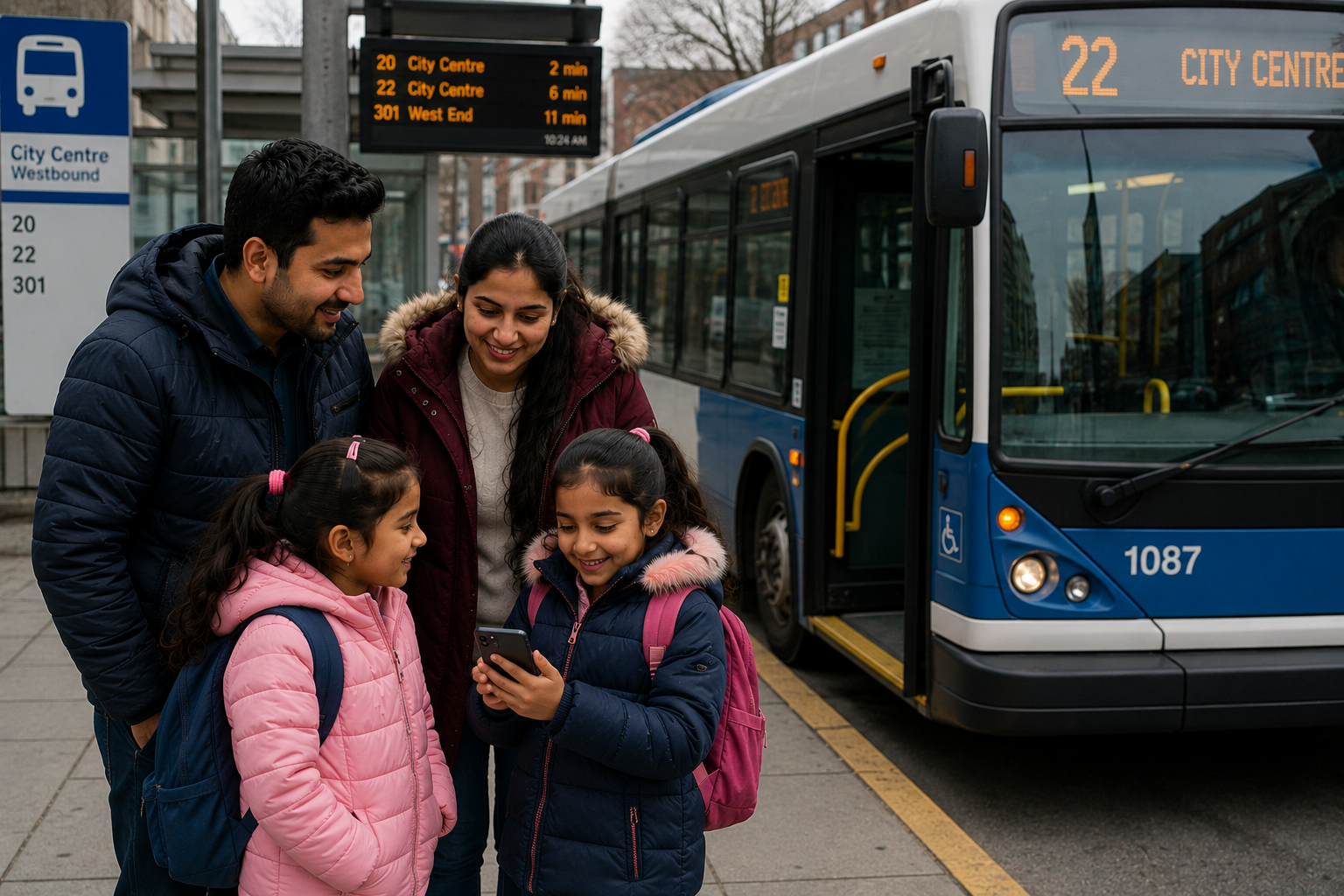
🚌 Your First Ride in Canada
For many newcomers, public transportation becomes one of the first ways they begin exploring their new community. During the first few weeks, you may not own a car, know the roads, or even feel comfortable driving in a new country. That is perfectly normal. Canada's public transportation systems help millions of people travel to work, school, shopping centres, medical appointments, and community activities every day.
At first, using buses, trains, or light rail systems may seem confusing. There are different routes, schedules, fares, and payment methods to learn. You may worry about getting on the wrong bus or missing your stop. Almost every newcomer has experienced those same feelings. Like many things in Canada, it simply becomes easier with practice.
🚉 Every City Is Different
One thing to remember is that public transportation is managed by individual cities and municipalities. This means the system in one city may be different from another. Larger cities often have buses, trains, or subway systems, while smaller communities may have only local bus services or limited transportation options.
After arriving, it is worth taking a little time to learn how transportation works in your own city. Most transit systems have websites and mobile apps that show routes, schedules, and real-time arrival information, making it much easier to plan your journey.
💳 Paying for Your Trip
Most Canadian transit systems no longer require exact cash for every trip. Many cities now use reloadable transit cards, mobile payment options, or contactless bank cards. These systems make travelling easier and often provide discounted fares compared to paying cash.
If you plan to use public transportation regularly, purchasing a monthly pass or reloadable transit card can save both time and money. Staff at customer service centres can usually explain the best option for your situation.
📱 Technology Makes Travel Easier
Today, smartphones have become one of the best travel companions for newcomers. Transit apps can tell you which bus to catch, where to transfer, how long your journey will take, and even whether your bus is running late.
During your first few trips, you may check your phone several times to make sure you are heading in the right direction. After a while, those same routes become familiar, and you will travel with much more confidence.
❄️ Planning for Canadian Weather
One thing many newcomers quickly learn is that Canadian weather can affect transportation, especially during winter. Snow, ice, and freezing temperatures may occasionally cause delays.
It is always a good idea to leave a little earlier for important appointments, particularly during the winter months. Wearing warm clothing while waiting at outdoor bus stops can also make your journey much more comfortable.
🤝 Transit Etiquette
Public transportation is shared by everyone, and there are a few simple habits that help make the experience pleasant for all passengers. People usually wait for others to leave the bus or train before getting on. Speaking quietly, offering seats to seniors, pregnant women, or people with disabilities, and keeping personal belongings out of the way are small acts of courtesy that are appreciated across Canada.
These unwritten rules may seem simple, but they help create a respectful environment for everyone travelling together.
🌎 More Than Just Getting Around
As you continue using public transportation, you will notice that it becomes more than just a way to travel. It helps you discover your new city. You learn where the libraries are, which parks you enjoy, where local markets are held, and how different neighbourhoods each have their own character.
Every bus ride and train journey helps you become a little more familiar with your surroundings. Slowly, unfamiliar streets begin to feel recognizable, and destinations that once required careful planning become part of your daily routine.
🌱 Reflection: Every Journey Builds Confidence
One of the greatest gifts of public transportation is not simply getting from one place to another.
It is the confidence it builds.
The first time you ride alone, you may feel uncertain. You check the route repeatedly, watch every stop, and hope you have not made a mistake.
Then one day, without even noticing, you board the bus, tap your transit card, and sit down without a second thought.
That small moment says something important.
You are no longer simply finding your way around a new country.
You are beginning to feel that you belong.
Every journey, no matter how short, becomes another step toward making Canada feel like home.