
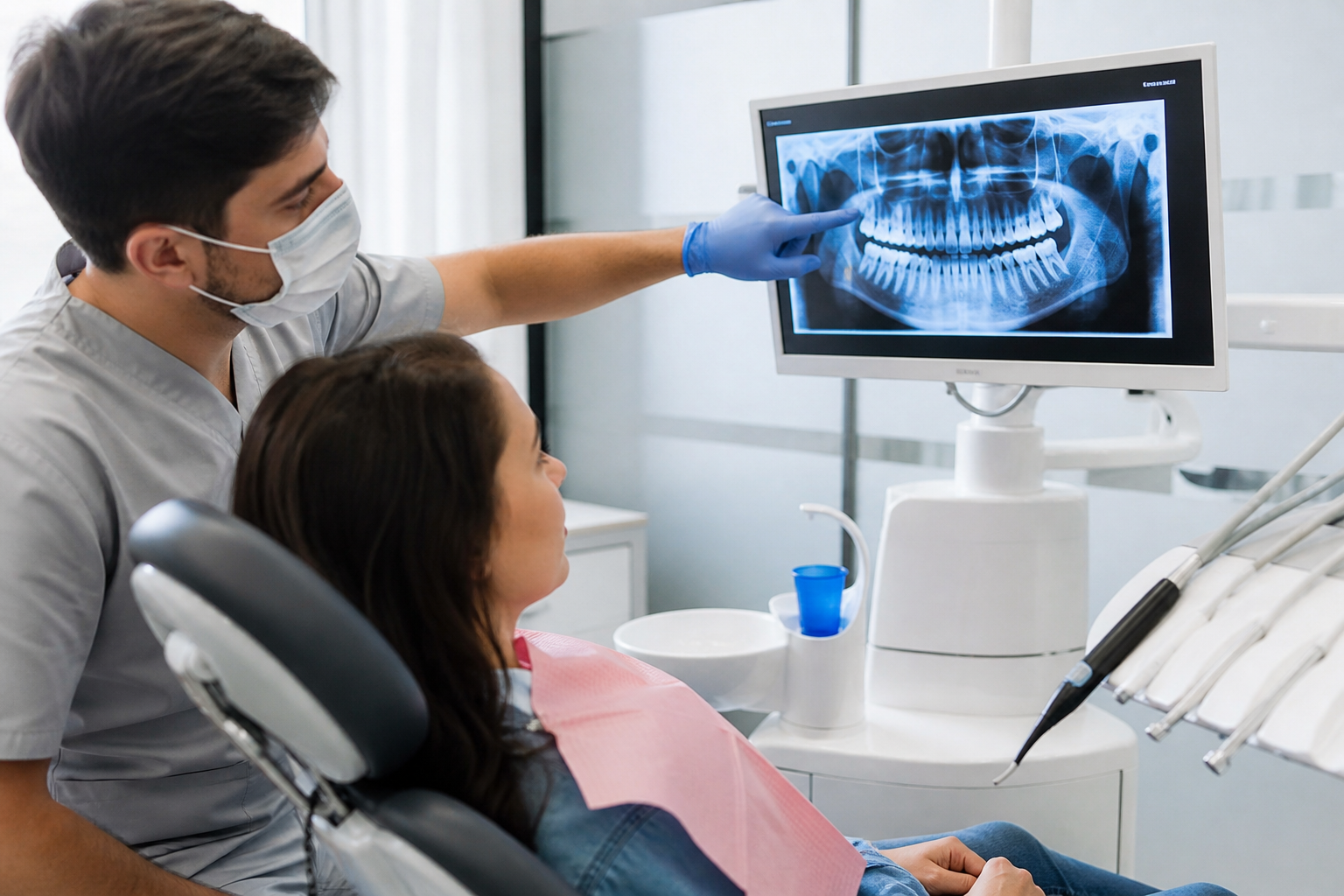
My daughter recently had her wisdom teeth removed during a study break. The procedure was not an emergency, and she was not experiencing any pain. Her dentist simply recommended removing the teeth before they created future problems, a decision that seemed both sensible and preventative. The procedure went smoothly, the clinic was well organized, and the surgeon provided excellent care throughout. Everything about the experience was reassuring until we received the bill: approximately $4,500 CAD.
While the cost was not entirely surprising, seeing such a large amount attached to a routine preventative procedure prompted me to reflect on a question many immigrants ask after settling in Canada. Why is dental care so expensive here compared to countries such as Sri Lanka? In recent months, social media discussions among Sri Lankans living abroad have been filled with stories of costly dental treatments, delayed appointments, and even plans to travel home for dental work. At the same time, similar treatment in Sri Lanka's government healthcare system would likely have cost the patient nothing directly.
The answer lies largely in how each country chose to organize and fund dental care. In Canada, dental services have traditionally existed outside the publicly funded healthcare system. Most people depend on private insurance through their employers or pay directly from their own income. Even those with insurance often face deductibles, co-payments, and annual coverage limits. Although the federal government has begun expanding access through the Canadian Dental Care Plan, many Canadians still face significant out-of-pocket expenses.
Sri Lanka took a different approach. Dental services are integrated into the country's public healthcare system, allowing patients to receive treatment through government clinics without direct charges at the point of care. The costs are not eliminated, but instead distributed through public funding and taxation. School-based dental programs also help identify problems early, reducing the need for more expensive interventions later.
Another major factor is the cost of professional education. In Canada, many dentists graduate with educational debt that can exceed $200,000. Dental hygienists and assistants also invest heavily in their training. These costs inevitably become part of the overall economics of operating a dental practice. In Sri Lanka, where dental education at government universities is heavily subsidized, graduates typically begin their careers with far less financial burden.
Operating a dental clinic in Canada also involves substantial expenses beyond patient care. Rent, staff salaries, equipment, infection-control requirements, insurance, regulatory compliance, and environmental disposal standards all contribute to the final cost of treatment. These expenses are ultimately reflected in the fees patients pay. In Sri Lanka's public system, many of these costs are absorbed and managed centrally by government institutions.
Patient expectations further influence costs. Canadians expect modern facilities, advanced diagnostic technology, high-quality materials, and a high level of comfort and convenience. These investments improve care and outcomes but increase operating expenses. Sri Lanka's public system focuses primarily on accessibility, prevention, and essential treatment, while more advanced options remain available through private care.
The debate surrounding dental care in Canada continues to evolve. Expanding public coverage would reduce direct costs for families, but the financial burden would still exist through increased public spending and taxation. Sri Lanka and Canada have simply chosen different ways to distribute that cost among society.
Today, my daughter is recovering well, and for that I am grateful. Yet the $4,500 bill remains a reminder that healthcare costs are about much more than a single procedure. They reflect decades of policy decisions, educational systems, workforce planning, public expectations, and societal choices about who should ultimately pay for care. Canada and Sri Lanka have arrived at different answers to that question, each with its own strengths and challenges. Sometimes it takes a single invoice to remind us just how important those choices really are.