
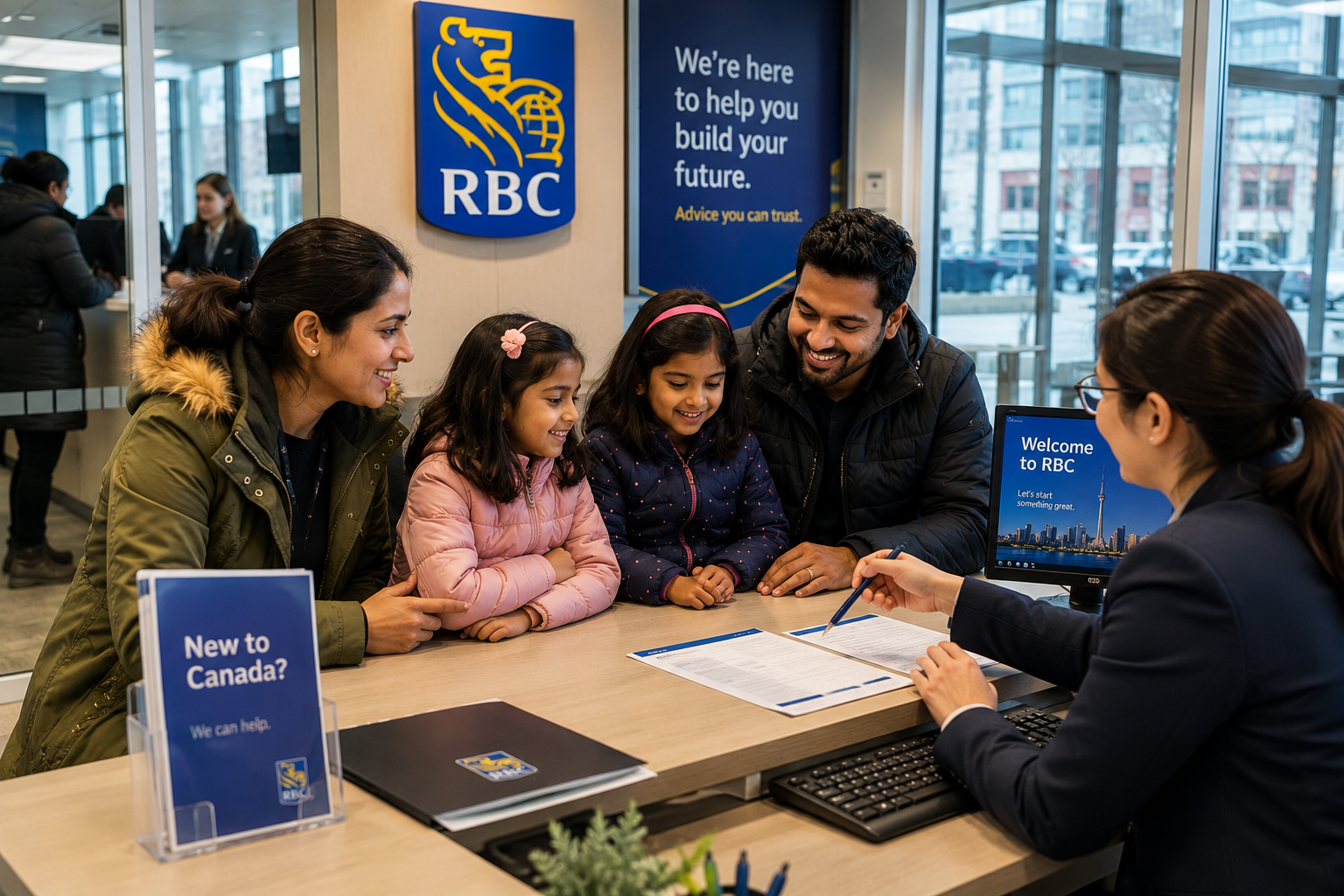
🏦 Why It Matters
After arriving in Canada, opening a bank account is usually one of the first important things many newcomers do. During the first few days, you may still use cash, international cards, or money you brought from home. But very quickly, daily life starts moving through the banking system. Employers usually pay salaries directly into bank accounts, bills are often paid online, and many services expect electronic payments. Opening a local bank account is not only about managing money. It is one of the first steps toward building your new life in Canada.
📄 Opening an Account
Many newcomers worry that they cannot open a bank account because they do not yet have a job, Canadian credit history, or permanent housing. The good news is that many Canadian banks have newcomer programs designed exactly for people who are just arriving.
Usually, you need your passport and immigration documents to get started. Some banks may also ask for a local address if available. The process is often easier than many people expect, and some newcomers open their first account within days of arriving.
💳 Understanding Account Types
One thing that may feel confusing at first is seeing different types of accounts. The most common are chequing accounts and savings accounts.
A chequing account is usually your everyday account. This is where salary deposits go, bills are paid from, and daily spending happens. A savings account is more for keeping money aside and building savings over time.
Most newcomers begin with a chequing account because it supports daily life right away.
💰 Understanding Fees
Canada can feel different from some countries because bank accounts sometimes include monthly fees. Depending on the account, there may be charges for monthly maintenance, extra transactions, or using certain ATMs.
Many banks offer newcomer packages with lower fees or temporary benefits, so it is worth asking questions before opening an account. You do not need to choose the first option you see. Take some time, compare, and ask staff to explain the details clearly.
📱 Digital Banking Life
Canada uses online and mobile banking heavily. Many people rarely visit bank branches after opening their account.
Most daily tasks happen through banking apps, including checking balances, paying bills, sending money, and receiving salary payments. Many newcomers are surprised how little cash people use. Debit cards, credit cards, and digital payments are common in everyday life.
Downloading your banking app often becomes one of the first routines after opening an account.
💳 Building Credit Slowly
Some banks may also offer a credit card when opening your account. This can feel confusing because in some countries credit cards are mainly seen as borrowing money.
In Canada, credit history is important. It can affect future applications for rentals, loans, and other services. Using a credit card carefully and paying it on time helps build that history.
There is no need to rush or feel pressure. Like everything else in a new country, learning slowly is completely okay.
🌎 Supporting Family Back Home
Many newcomers continue helping family members in their home countries. Because of this, sending money internationally becomes part of life for some families.
Banks offer international transfers, but many people also compare other transfer services depending on fees and exchange rates. Even small differences can matter over time, so it is helpful to compare options before sending money.
🌱 Reflection: More Than a Bank Card
Opening a bank account may look like a small task.
You enter a branch, show documents, sign papers, and receive a card.
But for many newcomers, it quietly means something bigger.
It is one of the first moments when life begins to feel real. You are no longer only arriving. You are starting to build routines, responsibilities, and a future.
Looking back later, many people realize these small steps were actually the beginning of everything.