
Migration is not something new. It did not begin with us. If we go far back in time, even to the Ediacaran Period, living beings were already moving. Early animals moved to find food, to reach warmer places, or to survive changing environments. Movement was part of life.
Over time, humans continued that same pattern. We moved across lands, crossed oceans, and searched for places where life could be safer or better. The reasons have changed, but the need has stayed the same.
Today, in the modern world, people migrate for many different reasons. Some leave their countries to escape war, discrimination, or natural disasters. Others move to find better opportunities, education, financial stability, or simply a chance to live with more freedom and dignity. Every person who migrates carries a story. Some stories are heavy. Some are hopeful. Most are a mix of both.
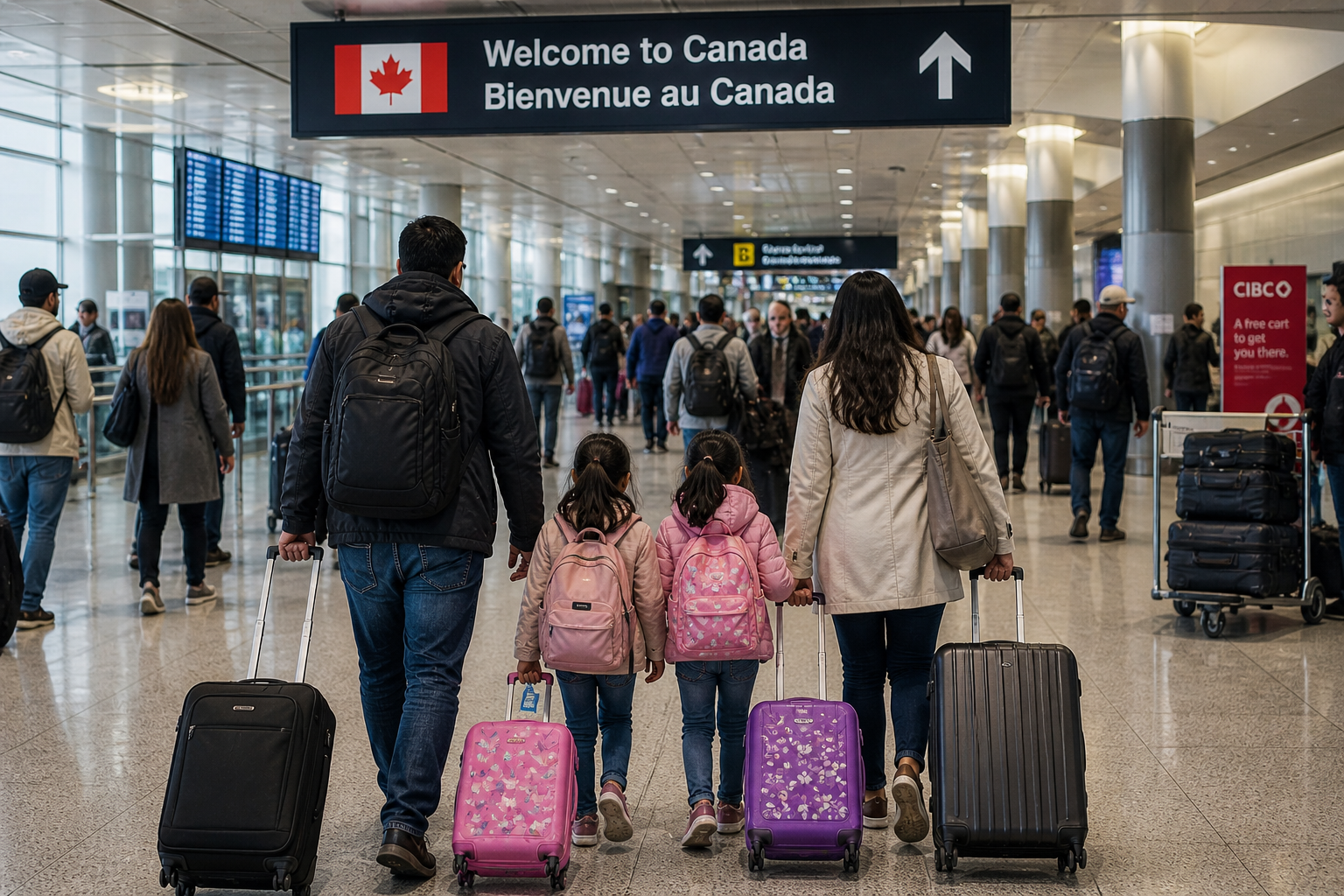
When we talk about immigration today, Canada holds an important place. People come here from all over the world. Some come for a short visit. Many come to stay and build a life. Canada has become known as a country that welcomes newcomers and values diversity.
At the same time, immigration is also a topic of discussion. Not only in Canada, but in many developed countries. There are different opinions. Some are emotional. Some are based on facts. Some are balanced. My understanding, after living here for many years, is simple. Immigration is not a bad thing. It is a natural part of human life. But like anything important, it needs thoughtful policies, balance, and planning.
When large numbers of people come into one place within a short time, especially from a single region or culture, it can sometimes feel unfamiliar or uncomfortable for people who already live there. This feeling is real, and it should not be ignored. At the same time, it should not turn into fear or division. Balance matters on both sides.
Canada is a country that respects multiculturalism. This is one of its strengths. But multiculturalism does not mean living separately. It means living together with respect.
Newcomers do not need to erase their culture. Your language, food, traditions, and values are part of who you are. They are important. But at the same time, adapting to Canadian values and ways of living is also important. It is not about losing your identity. It is about slowly blending, understanding, and connecting.
In my own journey, I have lived in Canada for more than 15 years. I have lived in different provinces, from very small hamlets to larger cities. One thing we always tried to do was to connect with people from different cultural backgrounds, not only our own.That made a big difference.
It helped us understand how to make a new country feel like “my country,” instead of always feeling like an outsider. We shared our culture, our food, our stories, and at the same time, we learned from others and adapted to Canadian values. That balance created a sense of belonging.
At the same time, I have also seen something else.
In some areas, people from the same country or background tend to stay only within their own circles. They live in the same neighborhoods, connect mainly with relatives or familiar communities, and have limited interaction with others. While this can feel safe at the beginning, over time it can create a kind of separation. It can make people feel isolated from the wider community.
Sometimes, differences in habits or behaviors can also create misunderstandings, especially when others are not familiar with those cultural practices. This does not mean everyone must learn every culture in detail. That is not realistic. But it does show the importance of awareness, respect, and gradual adaptation.
Keeping your culture while also being open to others is the healthier path.
This article series comes from that place of experience. I am not writing this as a perfect guide or a policy expert. I am sharing what I have seen, what I have learned, and what I understand from living this journey. My hope is simple. If you are new to Canada, maybe something here will make your path a little easier, a little clearer, or a little less lonely.
From the next article onward, we will walk step by step. Starting from your first day in Canada, and slowly moving toward building a long-term life here.
We will talk about real things. Daily life, small challenges, important decisions, and quiet adjustments that often go unspoken.
If you are starting fresh, you are not alone.
Stay with this series. A new article will be shared every weekend.