
Before discussing solutions, we must first understand the scale of the challenge facing Sri Lanka's nursing profession. The numbers tell an important story, but they only reveal part of the reality.
According to the Ministry of Health's 2023 Annual Health Bulletin, approximately 53,000 Registered Nurses serve a population of more than 22 million people across Sri Lanka. On paper, that translates to roughly two nurses for every 1,000 citizens. Statistics, however, rarely capture the human consequences behind them. Every number represents a nurse balancing competing demands, responding to urgent patient needs, and trying to provide safe care despite significant workload pressures.
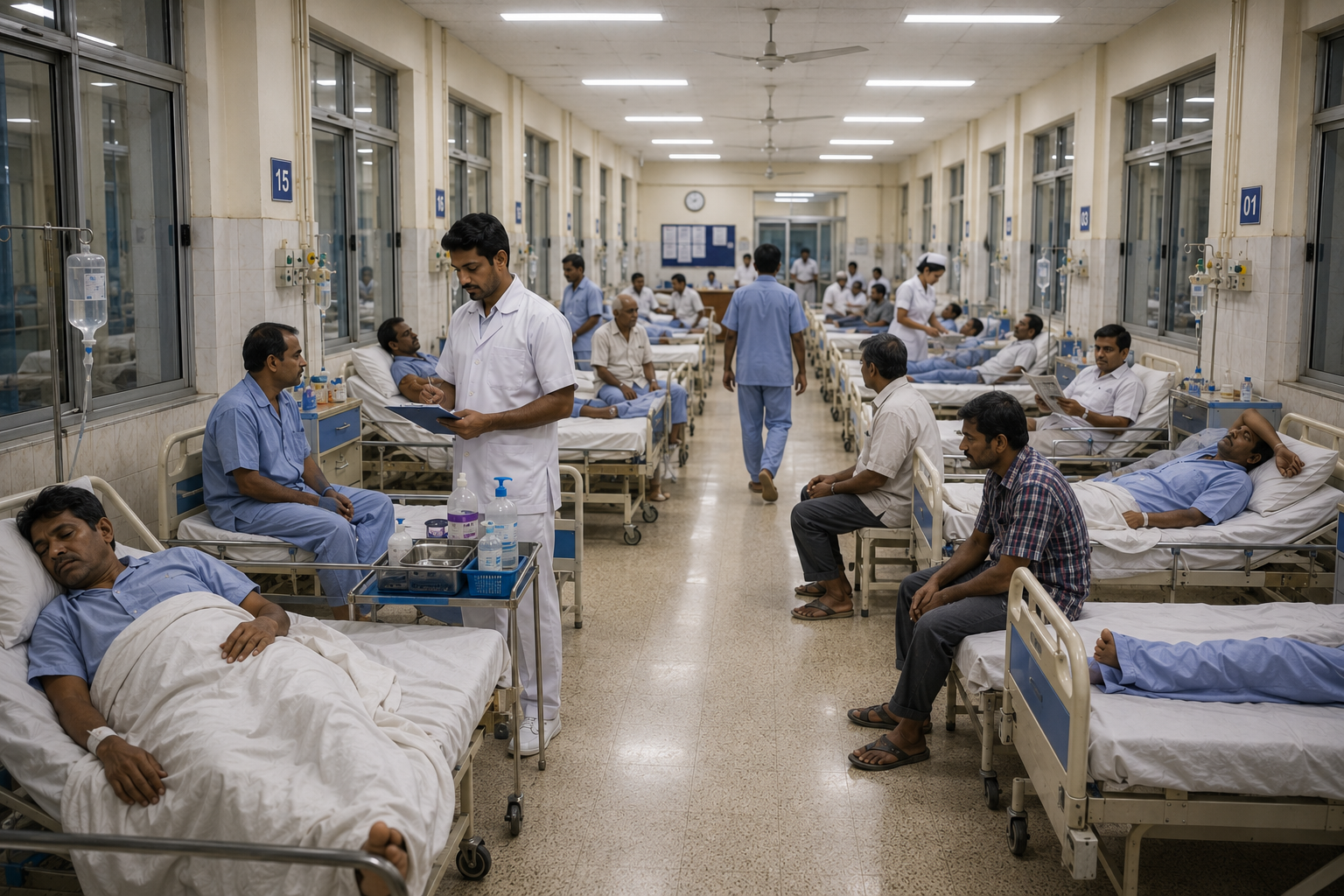
Inside many government hospitals, staffing shortages become visible in ways that are difficult for the public to imagine. A single nurse may be responsible for ten, fifteen, or even more patients during a shift. In some overcrowded wards, the ratio can be considerably higher. During my own years in government service, I witnessed situations that would be difficult to believe for those who have never worked in a busy public hospital. In 2001, while working in a cancer unit at a major teaching hospital, five or six nurses were routinely responsible for caring for ninety to one hundred patients during a shift. This was not an emergency situation. It was part of everyday hospital life.
Cancer nursing itself is among the most demanding areas of healthcare. Nurses administer complex medications, including cytotoxic treatments that require careful preparation and close monitoring. They provide emotional support to patients facing life-changing diagnoses, assist physicians during procedures, educate families, maintain detailed clinical records, coordinate care plans, and manage medication supplies. Each responsibility requires time, concentration, and professional judgment. Expecting a handful of nurses to safely deliver this level of care to nearly one hundred patients places extraordinary demands on both the individuals and the system in which they work.
One particular night remains vivid in my memory even after all these years. Due to an unusual staffing situation, only my wife and I were available to care for approximately ninety patients throughout an entire night shift. The physical exhaustion was immense, but the emotional responsibility weighed even more heavily. Every patient required attention, reassurance, medication, monitoring, or assistance. Walking away was never an option because patients cannot simply be left alone when they need care.
Stories like this are not shared to seek sympathy or recognition. They illustrate a broader reality experienced by many nurses across the country. Behind every hospital ward are healthcare professionals doing their best to meet expectations that often exceed available resources. While individual dedication frequently fills the gaps, dedication alone cannot solve structural workforce challenges.
Many members of the public never see this side of nursing. Their interactions with nurses may last only a few minutes during a hospital visit. Others form impressions through television dramas or social media discussions that rarely capture the complexity of daily nursing practice. As a result, the true extent of the workload often remains invisible. Yet public understanding matters. When people recognize the realities nurses face, meaningful conversations about staffing, workplace conditions, and healthcare policy become possible.
The future of Sri Lanka's healthcare system depends not only on hospitals and equipment, but also on the people who provide care every day. Understanding their reality is the first step toward meaningful change. In the next article, we will look more closely at the many responsibilities nurses carry, both inside and outside the patient room, that often go unnoticed by the public.