
Showing posts with label Brain Health & Memory. Show all posts

2026/08/29

What Is a Memory?

How Does the Brain Turn an Experience Into a Memory?

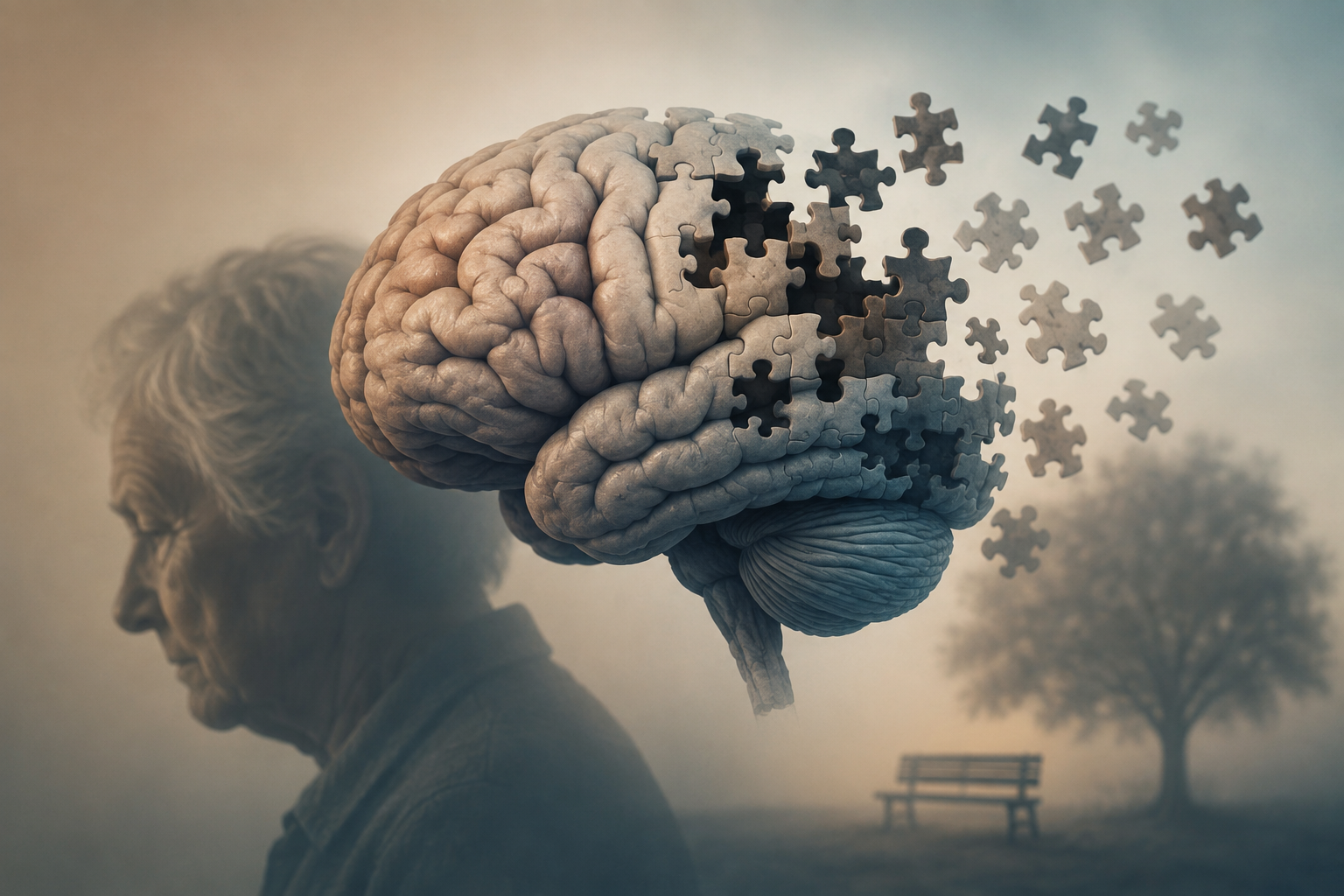
In my work with people living with dementia, I have sometimes seen something that stays with me long after a session ends. A person may struggle to remember a conversation from a few minutes earlier, yet suddenly recognize a familiar song and begin humming along. For a moment, something seems to reconnect. It reminds me that memory is far more complex than simply remembering or forgetting.

So, what actually is a memory?

We often imagine memory as a recording stored somewhere inside the brain. But biologically, it is much more interesting than that. A memory begins with an experience and the changes that experience produces within the nervous system. Most moments leave little lasting trace. Some, however, produce changes that can remain for years or even decades.

How Does an Experience Become a Memory?

The first stage is called encoding. This is the process through which the brain processes information from an experience so that it can potentially be remembered later.

Attention matters. If someone introduces themselves while your mind is somewhere else, you may forget their name almost immediately. If you are interested in the person and pay attention, the information has a much better chance of being retained. Emotion, importance, and novelty can also influence how strongly an experience is encoded.

The Hippocampus Helps Connect the Pieces

One of the brain structures most important for forming new episodic memories is the hippocampus, located deep within the temporal lobe.

It is better to think of the hippocampus as an organizer rather than a storage box. An experience contains many pieces: where you were, what you saw, what you heard, what happened, and how you felt. The hippocampus helps bind these different elements together so that they can later be retrieved as an event.

That is how separate pieces of information can eventually become something you recognize as a memory of an experience.

A Memory Can Change the Brain

At a much smaller level, memory involves changes in communication between neurons. These cells communicate through connections called synapses, and experience can alter the strength and efficiency of those connections.

Scientists call this ability synaptic plasticity.

In simple terms, learning something can physically and functionally change the way groups of neurons communicate. Your experiences do not simply pass through your brain and disappear. Some leave lasting biological changes behind.

Something that happened to you can change the brain that remembers it.

Why Do Some Memories Last?

Not every experience becomes a long-term memory. Some information disappears within seconds or minutes, while other memories become more stable through a process called consolidation.

Sleep appears to play an important role in this process. While we sleep, the brain remains biologically active and continues processing information from our waking experiences. Some recently formed memories can be reactivated and reorganized, helping strengthen their representation over time.

So, while we may feel that nothing is happening, the sleeping brain can still be quietly working with what we experienced during the day.

Memory Is Not One Single System

There is also no single type of memory. Episodic memory helps us remember events and experiences. Semantic memory supports facts and general knowledge. Procedural memory helps us learn skills and actions.

These forms of memory depend on partly different brain systems. This distinction will become especially important later in our series, when we explore dementia and why some abilities can remain even when other types of memory become seriously affected.

A Moment Can Outlive the Moment

An experience may last only a few seconds, but the biological changes associated with it can sometimes remain for decades.

A moment happens. The brain processes it. Neural connections change. Some information fades, while some becomes part of the network we can later retrieve.

But there is still something deeper to understand.

Why does one memory feel like simple information, while another feels like a piece of my life?

Why can a familiar song, smell, photograph, or voice suddenly bring an old moment back with such emotional force?

That is where we begin to discover the fascinating connection between memory and “me.”

Next: Part 4B

When a Memory Becomes “Mine”

Why Some Memories Become Part of Who We Are

In the next article, we will explore why certain memories feel deeply personal, why remembering can create the feeling “I was there,” and how the brain connects an experience with our sense of self.
2023/08/12

ඇත්ත වගේ බොරු මතකය: False Memory සහ Confabulation

මතකය අපට පුදුමාකාර දේ කරයි. ඇතැම් විට සිදු නොවූ දෙයක්, "සිදුවූවාක් මෙන්" අපගේ මනසට දැනෙන්නට පුළුවන. ඩිමෙන්ෂියාව හා ඇල්සයිමර් සමඟ ජීවත්වන්නන් තුළ බහුලව දකින, එහෙත් පවුලේ අයට දැඩි ව්‍යාකූලත්වයක් ඇතිකරන False Memory සහ Confabulation පිළිබඳව විමසා බලමු.


පුද්ගලික අත්දැකීමක් සහ මිතුරියගේ පණිවිඩය

2004 සුනාමි ව්‍යසනයෙන් පසු ශ්‍රී ලංකාවේ ආදරණීය මිනිසුන්ට උපකාර කිරීමට බ්‍රිතාන්‍යයේ සිට පැමිණි මගේ හිතවත් සෞඛ්‍ය වෘත්තික මිතුරියක් මෑතකදී මට එවූ පණිවිඩයක්:

"Hi Mahesh... I wanted to share some difficult news - I've been diagnosed with Alzheimer's disease... but what I have had is thinking that I’ve done something but actually I haven’t."

තමන් නොකළ දෙයක් කළ බව තදින්ම දැනීම සහ විශ්වාස කිරීම, ඩිමෙන්ෂියාවේදී මතකය තුළ සිදුවන ඉතා සංවේදී වෙනස්කමකි.

  • උදාහරණ:
  • මියගිය තම පියා සමඟ ඊයේ කතාබහ කළ බව දැඩිව විශ්වාස කිරීම.
  • රෝහලේ දින ගණනාවක් ගතකළ අයෙකු ඊයේ විනෝද චාරිකාවක් ගිය බව ස්ථිරවම පැවසීම.

False Memory සහ Confabulation අතර වෙනස කුමක්ද?

| ලක්ෂණය | False Memory (ව්‍යාජ මතකය) | Confabulation (මොළයේ හානියෙන් නිර්මාණය වන මතකය) |
| :--- | :--- | :--- |
| සිදුවන පුද්ගලයන් | සම්පූර්ණයෙන්ම නිරෝගී ඕනෑම කෙනෙකුට ඇතිවිය හැක. | බොහෝවිට මොළයේ ස්නායුක හෝ රසායනික හානියක් නිසා ඇතිවේ. |
| පිළිගැනීම / සැකය | මතකය නිවැරදිදැයි නැවත සිතීමට හෝ සැක කිරීමට ඉඩ ඇත. | කිසිදු සැකයකින් තොරව එය 100% ක්ම සත්‍ය බව තරයේ විශ්වාස කරයි. |
| මතකයේ ස්වභාවය | දොර ලොක් කළාද, බඩු දැම්මාද වැනි සුළු දෛනික මතකයන්. | සිදුනොවූ සංකීර්ණ සිදුවීම් පවා සත්‍යයක් ලෙස විස්තරාත්මකව ඉදිරිපත් කරයි. |


Confabulation ඇතිවන්නේ ඇයි?

මොළයේ මතක සටහන් ගබඩා වන සහ සිහිපත් වන පටක වලට සිදුවන හානිය නිසා මතකයේ හිඩැස් (Gaps in memory) ඇතිවේ. මොළය එම හිඩැස් ස්වයංක්‍රීයව පිරවීමට (Fill in the gaps) උත්සාහ කිරීමේදී මෙම "නිර්මාණය වූ මතකයන්" උපදී:

  • Spontaneous Confabulation: කිසිදු විමසීමකින් තොරව ඉබේම මතුවන බොරු මතකයන්.
  • Provoked Confabulation: සායනික පරීක්ෂාවලදී හෝ ජීවිත කතාව ගැන විමසීමේදී අමතක වූ කොටස් පිරවීමට මොළය මගින් ක්ෂණිකව එකතු කරන නිර්මාණාත්මක මතකයන්.

ප්‍රධාන සායනික හේතු:

  1. ඩිමෙන්ෂියාව සහ ඇල්සයිමර් (Dementia & Alzheimer's)
  2. කෝර්සකොෆ් සින්ඩ්‍රෝමය (Korsakoff Syndrome)
  3. මොළයේ අනතුරු (Traumatic Brain Injury - TBI)
  4. ආඝාතය සහ රුධිර නාලිකා පුපුරා යාම් (Stroke / Aneurysm)
  5. මොළයේ උග්‍ර ආසාදන (Encephalitis / Meningitis)

Confabulation තත්ත්වයට සාත්තු සත්කාරයේදී මුහුණදෙන්නේ කෙසේද?

පවුලේ අයෙකු හෝ වැඩිහිටියෙකු මෙලෙස පවසන විට, "ඔයා බොරු කියන්නේ, එහෙම දෙයක් වුණේ නෑ" කියා තර්ක කිරීමෙන් වළකින්න. එයින් සිදුවන්නේ රෝගියා දැඩි අපහසුතාවයට හා කෝපයට පත්වීම පමණි.

අනුගමනය කළ හැකි ප්‍රායෝගික පියවර 4ක්:

  1. දෛනික චර්යාව සැලසුම් සහගතව පවත්වා ගැනීම:
නෑම, කෑම, ඖෂධ ගැනීම සහ ගමන් බිමන් ස්ථාවර කාලසටහනකට අනුව පවත්වා ගැනීම.
  1. දෘශ්‍ය ආධාරක (Visual Aids) භාවිතය:
දිනය පැහැදිලිව පෙනෙන විශාල කැලැන්ඩර, ඔරලෝසු, සහ විස්තර සහිත පවුලේ ඡායාරූප ඇල්බම භාවිත කිරීම.
  1. මෘදු ලෙස යෝජනා කිරීම (Gentle Redirection):
තර්ක නොකර, මෘදු ලෙස අවධානය වෙනතකට යොමු කිරීම (Distraction) හෝ තේ කෝප්පයකට, ප්‍රියතම ක්‍රියාකාරකමකට ආරාධනා කිරීම.
  1. දෛනික ජර්නලයක් (Memory Journal) තබා ගැනීම:
දවසේ කළ කියූ දෑ, ආහාර ගත් වේලාවන් සහ වැදගත් සිදුවීම් පිළිබඳ කෙටි දිනපොතක් සටහන් කර තැබීම.

චිකිත්සීය ප්‍රතිකාර හා පුනරුත්ථාපනය

හානිය තාවකාලික නම් හේතුව සුවවීමත් සමඟ මතකය යථා තත්ත්වයට පත්විය හැක. ඩිමෙන්ෂියා වැනි තත්ත්වයකදී සම්පූර්ණයෙන්ම සුව කළ නොහැකි වුවද, පහත ක්‍රම මගින් ජීවන තත්ත්වය උසස් කළ හැක:

  • Cognitive Rehabilitation Therapy (CRT)
  • Reminiscence Therapy (අතීතාවලෝකන චිකිත්සාව)
  • Reality Orientation Therapy (යථාර්ථයට හුරු කිරීමේ චිකිත්සාව)


සමාප්තිය

Confabulation යනු රෝගියා හිතාමතා කියන "බොරුවක්" නොව, මොළයේ ස්නායුක වෙනස්කම් නිසා හටගන්නා ව්‍යාජ මතක නිර්මාණයකි. සත්‍යය තර්ක කර ඔප්පු කිරීමට වඩා, සහකම්පනයෙන් හා ආදරයෙන් ඔවුන්ගේ හැඟීම් කළමනාකරණය කරගැනීමට උදව්වීම සත්කාරකයාගේ උතුම් වගකීමයි.

2023/07/28

මතකය රඳවන DTAs: ද්වි-කාර්ය ක්‍රියාකාරකම් (Dual-Task Activities)

මතකය අඩුවීමේ අවදානම සීමා කරමින් බුද්ධිමය හැකියාව හා මතක ශක්තිය (Cognitive Health) දියුණු කරගත හැකි විද්‍යාත්මක උපක්‍රමයක් වන ද්වි-කාර්ය ක්‍රියාකාරකම් (Dual-Task Activities - DTAs) පිළිබඳව විමසා බලමු.

ශාරීරික ව්‍යායාම විද්‍යාව තුළදී මෙය Simultaneous Cognitive and Exercise Training (SCET) ලෙසද හඳුන්වයි.


මොනවාද මේ DTAs (Dual-Task Activities)?

Dual-task activities are combined cognitive and physical activities performed intentionally and simultaneously.
(දැනුවත්ව සහ එකවර සිදුකරනු ලබන කායික හා බුද්ධිමය/සංජානනීය ක්‍රියාකාරකම්වල එකතුවකි.)
  • උදාහරණ:
  • නර්තන අනුපිළිවෙලක් සිතින් මතක් කරගනිමින් නර්තනයේ යෙදීම.
  • වේගයෙන් ඇවිදින අතරතුරේ ගණිත ගැටළු විසඳීම හෝ වචන අනුපිළිවෙලක් පසුපස සිට ඉදිරියට කීම (Reverse spelling / Counting backwards).

සාර්ථක DTA එකක් සඳහා අත්‍යවශ්‍ය කරුණු 4ක්

ප්‍රයෝජනවත් DTA ක්‍රියාකාරකමක් සම්පූර්ණ වීමට නම් පහත ලක්ෂණ සපුරාලිය යුතුය:

  1. Cognitive Challenge: බුද්ධිය, මතකය හෝ ස්මරණය වෙහෙසවන අභියෝගාත්මක සංජානනීය අංගයක් පැවතීම.
  2. Physical Component: ශාරීරික ව්‍යායාමයක් හෝ කායික වෙහෙසවීමක් අන්තර්ගත වීම.
  3. Intentionally: එම ක්‍රියාකාරකම් දෙකම පුද්ගලයාගේ පූර්ණ "දැනුවත්භාවය මත" සිදුවීම.
  4. Simultaneously: කායික සහ බුද්ධිමය ක්‍රියාවන් දෙකම "එකම කාලසීමාවක් තුළ එකවර" ක්‍රියාත්මක වීම.

මොළයේ සෞඛ්‍යයට DTAs මගින් ලැබෙන විද්‍යාත්මක වාසි

  • ස්නායුක ප්ලාස්ටික්තාව සහ නව සබඳතා (Neuroplasticity & Neural Pathways):
කායික හා බුද්ධිමය ක්‍රියාවන් දෙකක් එකවර සිදුවීමේදී මොළයේ ස්නායු සෛල අතර නව සබඳතා ගොඩනැගීම (Synaptic plasticity) උත්තේජනය වේ.
  • සංජානන සංචිතය වැඩිවීම (Increased Cognitive Reserve):
මොළය තුළ මතකය රඳවා ගැනීමේ ධාරිතාව සහ සංජානන සංචිතය ශක්තිමත් වීමෙන් අනාගත ඩිමෙන්ෂියා හා මතක දුර්වලතා අවදානම පමා වේ.
  • මොළයට රුධිරය හා ඔක්සිජන් සැපයුම ඉහළ යාම (Enhanced Cerebral Blood Flow):
ශාරීරික සක්‍රීයතාව සමඟ මොළය වෙහෙසවීම නිසා මොළයේ සෛලවලට ලැබෙන ඔක්සිජන් සහ පෝෂක ප්‍රමාණය ඉහළ ගොස් මොළයේ ක්‍රියාකාරීත්වය තියුණු වේ.

DTA ආරම්භ කිරීමේ ප්‍රායෝගික මාර්ගෝපදේශ

  1. සරලව අරඹා ක්‍රමයෙන් අභියෝගය වැඩි කරන්න:
ආරම්භයේදී පහසු කායික හා මානසික අභ්‍යාස තෝරාගෙන සති කිහිපයක් යත්ම අභියෝගකාරී බව ක්‍රමයෙන් වැඩි කරන්න.
  1. කාලය සහ වාර ගණන:
එක් වාරයක් අවම වශයෙන් විනාඩි 20ක් පැවතිය යුතු අතර, සතියකට අවම වශයෙන් වාර 3ක් වත් අඛණ්ඩව සිදුකළ යුතුය.
  1. විවිධත්වය (Variety):
එකම අභ්‍යාසය වෙනුවට විවිධ ක්‍රියාකාරකම් මාරුවෙන් මාරුවට යොදා ගැනීමෙන් උනන්දුව සහ මොළයේ විවිධ කලාප උත්තේජනය වේ.
  1. අඛණ්ඩතාව (Consistency):
පැහැදිලි ප්‍රතිඵල අත්විඳීමට අවම වශයෙන් මාස කිහිපයක් අඛණ්ඩව මෙය දෛනික චර්යාවට එක්කර ගන්න.

ඔබ වෙනුවෙන් කුඩා අභියෝගයක්!

කායික සහ සංජානනීය අංග දෙකම එකතු කරගත්, ඔබට හෝ ඔබේ ආදරණීය වැඩිහිටියාට එකවර කළ හැකි DTA අභ්‍යාස කිහිපයක් සැලසුම් කර අදම අත්හදා බලන්න!